
News
The Evolving Role of Life Insurance in Sri Lanka

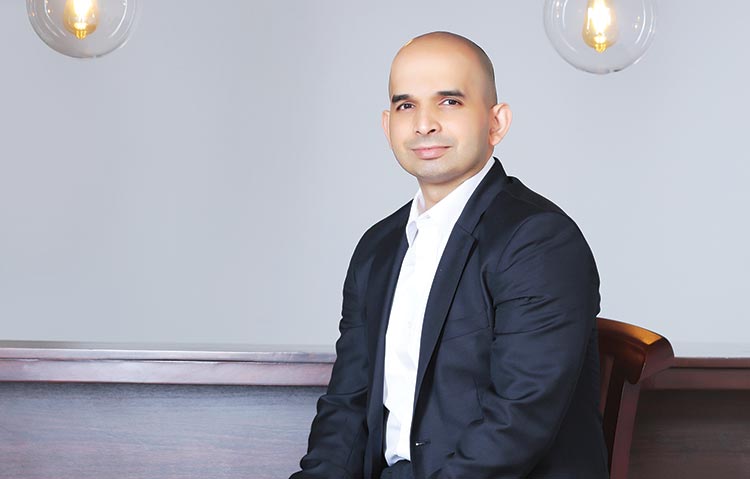
“One undeniable truth we all face is the uncertainty of life. In a world where change is constant and the future unpredictable, the need for financial security and empowerment has become more essential than ever,” says Senath Jayatilake, Chief Executive Officer of Union Assurance while highlighting the pivotal role of the Life Insurance industry in strengthening Sri Lanka’s socio-economic landscape.
How do you view the evolution of the Life Insurance industry in Sri Lanka?
For decades, the Life Insurance industry in Sri Lanka has struggled against a persistent misconception: that its value is only realised after the death of the policyholder. This outdated belief has limited its reach and impact, preventing many from experiencing the full potential of what Life Insurance truly offers.
In reality, Life Insurance is a promise for the living. It is part of a proactive financial strategy that supports individuals and families throughout their lives. From facing medical emergencies, preparing for retirement, planning a child’s education, to building a buffer against life’s uncertainties, Life Insurance helps people protect their dreams and navigate challenges with confidence. In today’s fast-paced socio-economic landscape, people are looking for financial solutions that offer both security and growth. Life Insurance meets this need by acting as a dynamic tool that adapts to changing life stages and priorities.
What role does Life Insurance play in the household financial strategy?
At the heart of a household’s financial strategy should be two essential pillars: empowerment and protection. Empowerment is about building wealth—saving, investing and planning for life’s goals. Protection ensures that these goals are not derailed by unexpected events. Life Insurance uniquely bridges these two pillars, offering both disciplined savings and robust financial security. It is not just a safety net—it is a powerful enabler of long-term well-being.
This balance is ever more important in today’s volatile economic climate. Historically, Sri Lanka has faced recurring economic volatility, with our household savings rates hovering around 24% as reported in 2024. This means that three out of four households lack savings to fall back on, leaving them vulnerable and without a safety net to withstand financial shocks. Meanwhile, societal dynamics are shifting. Dual-income households are on the rise, which means that the loss of one income can have dire consequences. Single-parent families face even greater financial risks. Life Insurance can help close these gaps. It provides a structured way to save while offering a financial cushion in times of crisis supporting families through life’s transitions ensuring they can move forward with confidence.
What Steps Can Sri Lanka Take to Bring the Real Impact of Life Insurance to Life?
To truly unlock the potential of Sri Lanka’s Life Insurance industry, several strategic imperatives must be addressed. First and foremost is financial inclusion. With only around 10% of the insurable population currently covered, the country faces a significant protection gap. Bridging this divide requires innovative approaches such as mobile-based distribution, community-driven outreach programmes and even pushing embedded Life Insurance solutions. These can make Life Insurance more accessible, affordable and relevant to underserved segments in society. Additionally, improving financial literacy is essential. Many individuals remain unaware of how Life Insurance works or how it can benefit them beyond death coverage. Targeted education campaigns, simplified products and transparent communication can help build trust and drive adoption.
Secondly, like other financial service providers, the Life Insurance sector must view digitalisation not just as a performance enhancement tool but as a strategic necessity for evolution and long-term relevance. By leveraging technology, companies can make the entire customer journey more seamless and user-friendly, delivering real-time responsiveness, transparency and complete visibility into the status of customer requests. This digital ecosystem empowers customers by giving them greater control over their Life Insurance policies, fostering trust and engagement. Moreover, digital platforms enable insurers to personalise Life Insurance propositions, streamline operations and harness data analytics to better understand customer needs and behaviours.

Latest News
Sun directly overhead Moratuwa, Kesbewa, Handapangoda, Idalgashinna, Yudhaganawa, Kotiyagala and Panama about 12.08 noon today (05)


The sun is going to be directly over the latitudes of Sri Lanka from 28th of August to 07th of September due to its apparent southward relative motion.
The nearest places of Sri Lanka over which the sun is
overhead today (05) are Moratuwa, Kesbewa, Handapangoda, Idalgashinna, Yudhaganawa, Kotiyagala and Panama about 12.08 noon
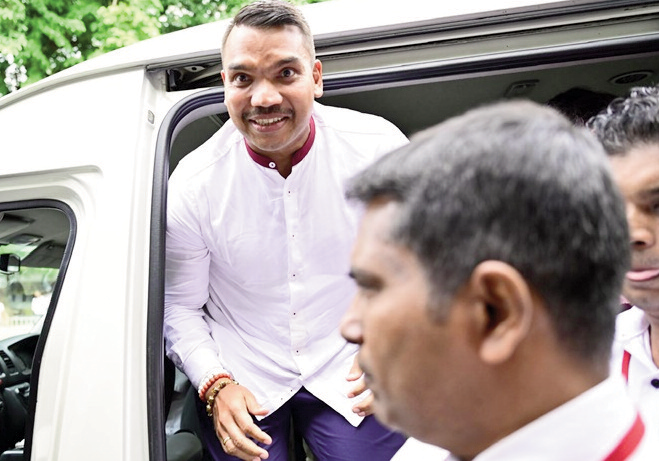
Sri Lanka Podujana Peramuna (SLPP) National Organiser and Parliamentarian Namal Rajapaksa was yesterday remanded until September 18 by the Colombo Chief Magistrate’s Court following his arrest by the Commission to Investigate Allegations of Bribery or Corruption (CIABOC) in connection with an investigation into the controversial SriLankan Airlines Airbus aircraft transaction.
Rajapaksa appeared before the CIABOC at around 9.15 am yesterday to record a statement after being summoned over the transaction. He was taken into custody following several hours of questioning and subsequently produced before the Colombo Chief Magistrate.
The investigation centres on allegations surrounding the acquisition of six Airbus A330 and eight A350 aircraft by SriLankan Airlines in 2013, in connection with an alleged USD 2 million bribe.
Former SriLankan Airlines Chief Executive Officer Kapila Chandrasena and his wife, Priyanka Niyomali Wijenayake, had previously been named in connection with the alleged bribery.
Chandrasena was arrested on March 12 as part of an investigation launched by the CIABOC under the Anti-Corruption Act and was subsequently released on bail. He was later found dead on May 8 while on bail, with police suspecting that his death was a suicide.
Open warrants have been issued for the arrest of Wijenayake, who is named as the second suspect, and Shamindra Rajapaksa, named as the third suspect, in the case pending before the Fort Magistrate’s Court in connection with the Airbus transaction.
The investigation has also received assistance from Airbus, with a delegation from the company’s parent group in France visiting Sri Lanka during the first week of August. The delegation provided statements and other assistance to the CIABOC as part of the ongoing inquiry.
Rajapaksa’s arrest and remand yesterday mark a further development in the widening investigation into the controversial aircraft deal.
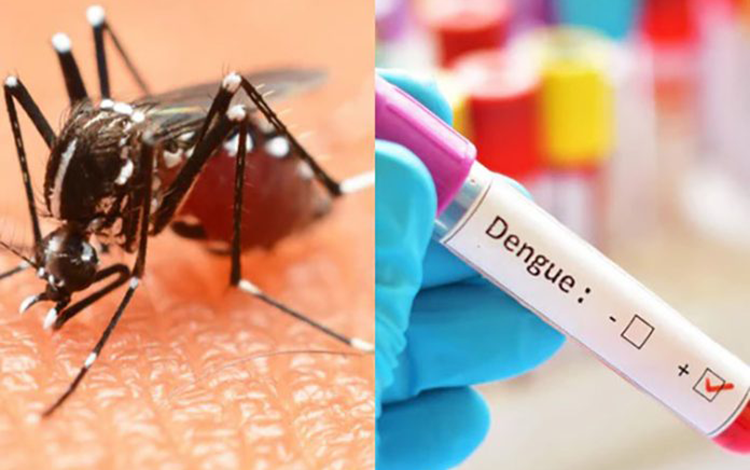
The number of dengue cases reported in Sri Lanka this year has risen to 96,040, with 72 deaths recorded so far, according to the National Dengue Control Unit.
The Unit said 10,155 cases were reported in August alone, highlighting the continuing spread of the disease across several parts of the country.
The Western Province has recorded the highest number of cases at 50,760, followed by the Southern Province with 13,931, the Central Province with 8,788 and the Sabaragamuwa Province with 7,910.
At district level, Gampaha has reported the highest number of cases at 20,444, followed by Colombo with 19,008.
Kandy has recorded 7,043 cases, while Kalutara and Matara have reported 6,181 and 6,154 cases,a respectively.
The National Dengue Control Unit said 50 Medical Officer of Health (MOH) areas across the country have been identified as high-risk areas for dengue.
Health authorities have continued to urge the public to take measures to prevent mosquito breeding, particularly in areas where a high incidence of dengue has been reported.

Sun directly overhead Moratuwa, Kesbewa, Handapangoda, Idalgashinna, Yudhaganawa, Kotiyagala and Panama about 12.08 noon today (05)

Showers above 75 mm are likely at some places in the Uva, Central and Eastern provinces and in Polonnaruwa and Mullaittivu districts after 2.00 p.m

Namal remanded until Sept. 18 over Airbus deal investigation

Dengue cases surpass 96,000 this year

PM Harini, Bhutan King explore closer ties

Johnston granted bail following CIABOC arrest

‘Dates have the highest sugar content to fight Coronavirus’

Sunday Island 27 December – Headlines

#SundayIsland 17th December – Headlines

Sunday Island – 28th March

Sunday Island Headlines – 21 March

Sunday Island – 21st February – Headlines
-

 Features6 days ago
“Wrap Me Up in My Blazer”— A Gentlemanly Bradby Reminiscence
-

 Features5 days ago
When Sri Lankan stories find their own voice
-

 Features6 days ago
JVP/NPP government as seen from outside by Lionel Bopage now domiciled in Australia
-

 News5 days ago
BASL takes exception to Justice Ganepola being denied a place in SC
-
 Features6 days ago
Prof. Savitri Goonesekere: What has she done?
-

 News2 days ago
Denied of promotion to SC despite vacancies, justice Gurusinghe retires
-

 Latest News3 days ago
Grade 5 scholarship exam results released
-

 Features6 days ago
World Trade Politics: Canada rebuffs Trump’s tariff blackmail