
Latest News
WWC 2025: Epic contest awaits as bruised India come up against mighty Australia

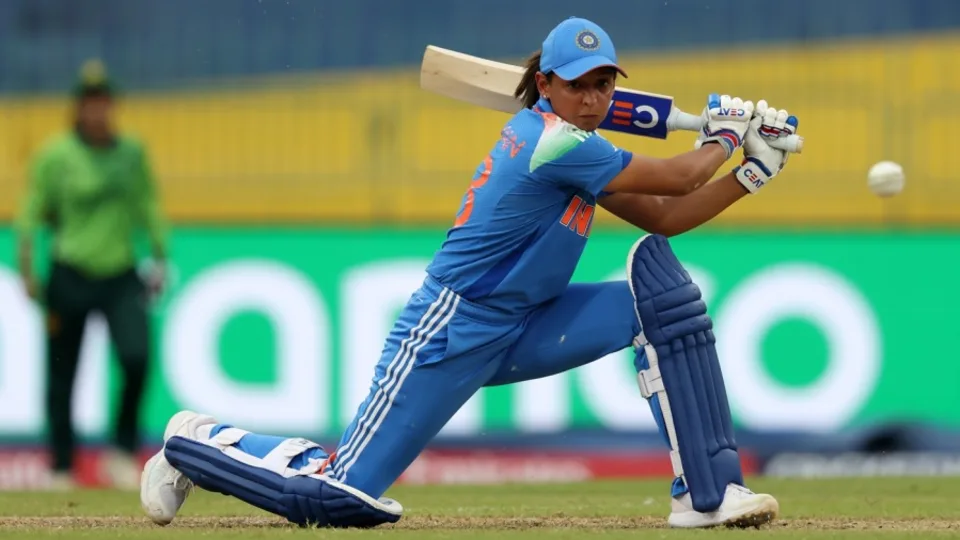
Batting collapses and low totals on slow pitches, catches put down, questionable umpiring decisions, mostly one-sided matches…if there is a contest the Women’s ODI World Cup 2025 needed to kick it alive and make it a blockbuster spectacle, it’s India vs Australia. Australia clean-swept the Women’s Ashes earlier this year, winning all seven games across formats. India have won all 12 of their ODIs against Pakistan. As a result, the face-off between India and Australia has the makings of an epic on the biggest stage.
All 15,087 tickets have been sold out for India vs Australia – obviously scheduled for a Sunday – and the ACA-VDCA Stadium’s near-26,000 capacity is set to break the record for the highest attendance at an ICC women’s T20I or ODI World Cup league match, current held by the ACA Stadium in Guwahati, which had a crowd of 22,843 in the opening game of this World Cup.
As the competition nears its halfway stage, India have a lot at stake. While both teams have stumbled their way to Visakhapatnam after collapses in all their respective games, it cost India two points when their five bowling options and the batting-friendly conditions couldn’t put the brakes om South Africa and Nadine de Klerk.
India’s concerns don’t stop at their five bowlers though; their top five, especially the senior trio of Smriti Mandhana, Harmanpreet Kaur and Jemimah Rodrigues, is yet to fire, the fielding hasn’t been as good as it can be and their batters have been perishing to left-arm spinners more than anyone else this tournament, with 12 dismissals in three innings.
The washout against Sri Lanka aside, Australia also collapsed in their two outings, but even 128 for 5 and 76 for 7 weren’t enough to keep them down, as Ashleigh Gardner and Beth Mooney reminded us of their depth and quality with their centuries. In their recent bilateral series against India, they did however get bowled out for 190 in the second game, and the high-scoring decider also gave a glimpse of how oppositions could create chances against the world champions.
India have also run Australia close in some high-stakes T20 clashes in recent years – the Commonwealth Games 2022 final, the 2023 T20 World Cup semi-final and last year’s T20 World Cup league match. But to take Australia down in ODIs will require a sustained top-level performance from India, which they haven’t come close to so far.
You wouldn’t normally expect a big score from a No. 7 now and then but Australia have collapsed in three of their last four outings, which have given Tahlia McGrath the overs to go out and chip in with notable contributions. When Australia were reeling against New Zealand and Pakistan, she walked out in the 22nd and 16th over respectively but chipped catches to midwicket and extra cover for 26 and a 20-ball 5 which might put some pressure on her. “I’m hoping I don’t have to play much of a role with the bat” she had joked before their opening game in Indore and even though Australia wouldn’t want another collapse, McGrath will hope more runs come off her bat soon.
There won’t be as many eyes on anyone as there will be on Harmanpreet Kaur on today. The wrecker-in-chief of the historic 2017 semi-final, which made India – and perhaps other teams – believe that Australia are also mortal in World Cups, that too in knockouts, will be itching to get a big one against the world champions after her 9, 19 and 21 in this campaign so far. Even in the bilaterals recently, she scored over 20 just once in three outings, although that came soon after her seventh ODI century, in England. A sell-out crowd in Visakhapatnam will keep their fingers crossed that there’s another big score coming on Sunday.
The batting conditions in Visakhapatnam and the loss to South Africa will make India wonder if they need to bolster their attack of five bowlers. But they will need to drop a batter for that and their batting has been stuttering anyway, which makes the solution far from straightforward.
India (probable): Smriti Mandhana, Pratika Rawal, Harleen Deol, Harmanpreet Kaur (capt), Jemimah Rodrigues, Deepti Sharma, Richa Ghosh (wk), Amanjot Kaur, Sneh Rana, Kranti Gaud, Shree Charani
Australia would have kept their eyes on how India lost wickets to left-arm spinners every game and will be tempted to bring in Sophie Molineux for that reason after she missed their last match, against Pakistan.
Australia (probable): Alyssa Healy (capt & wk), Phoebe Litchfield, Ellyse Perry, Beth Mooney, Annabel Sutherland, Ashleigh Gardner, Tahila McGrath, Georgia Wareham/Sophie Molineux, Kim Garth, Alana King, Megan Schutt
[Cricinfo]


The Department of Immigration and Emmigration has decided effective from 28th February 2026, to grant a free fourteen (14) day visa extension to all tourists who are unable to leave Sri Lanka due to flight cancellations. 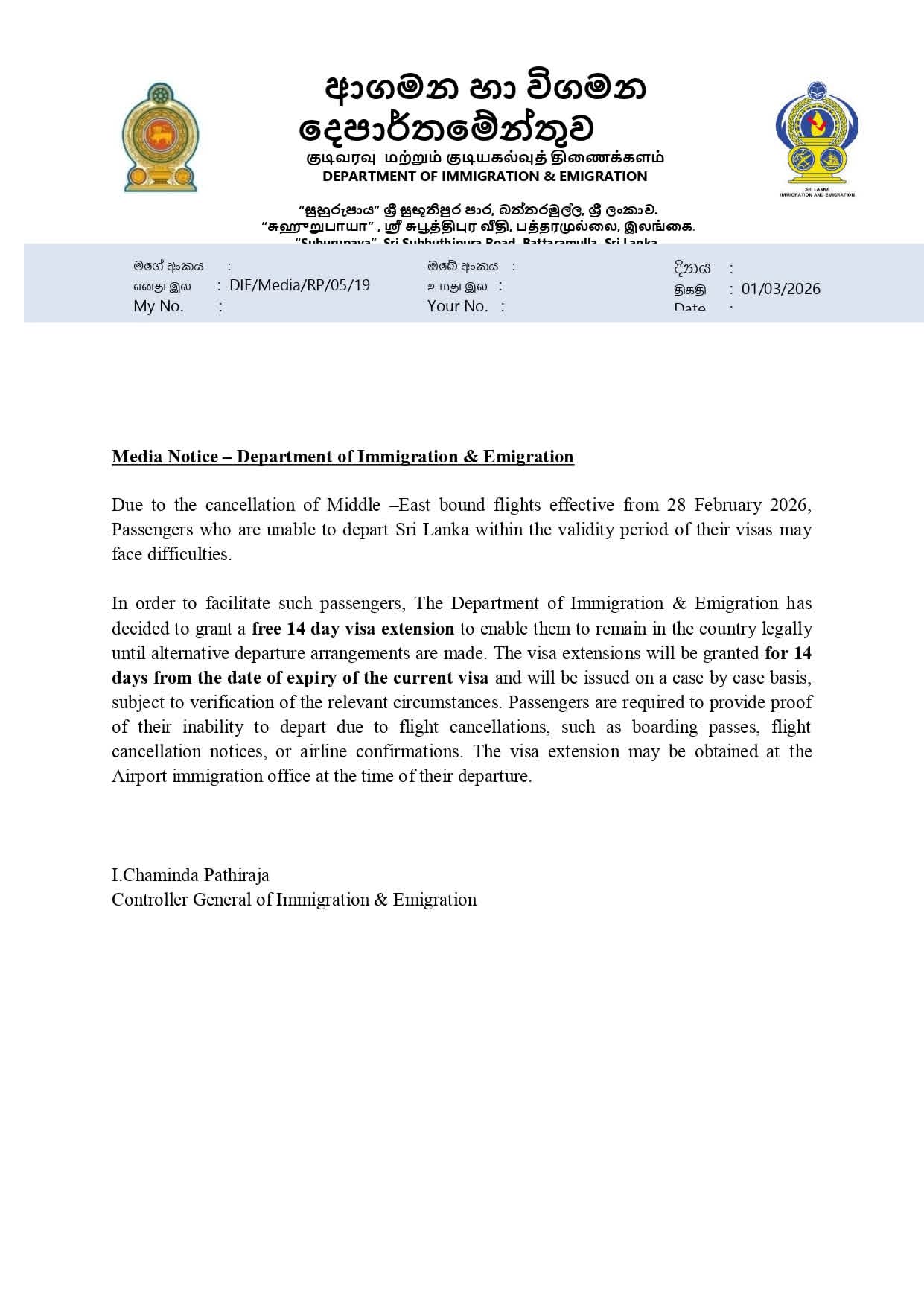

US and Israel’s bombardment of Iran and Lebanon continues, with a strike on a hotel near Beirut and the building of the Assembly of Experts in the Iranian city of Qom as the death toll surpasses 800 in both countries.
Tehran continues retaliatory attacks on Israel and US targets in the Middle East for a fourth night, with strikes reported on Washington’s embassy in Dubai and a port in the city of Fujairah in the United Arab Emirates.
US President Donald Trump says the US is prepared to deploy the navy to escort tankers through the Strait of Hormuz after Iran declared the vital waterway closed – a disruption already rippling through the region, with Iraq slowing or halting oil production at the Rumaila field and the West Qurna 2 project.
[Aljazeera]

Opener Hasini Perera’s second T20I fifty, on the back of two wickets apiece by left-arm spinners Sugandika Kumari and Inoka Ranaweera, capped off another strong effort by Sri Lanka as they beat West Indies by nine wickets to seal the three-match T20I series 2-0.
Captain Chamari Athapaththu won the toss and elected to field in Grenada, and much like in the second T20I, the spinners strangled the West Indies batters. Sugandika was introduced into the attack in the third over and she struck with her third ball, nipping out Hayley Matthews, caught and bowled for 8.
Ranaweera then struck with her second ball, prising out Shawnisha Hector, before Sugandika picked up a third wicket in the powerplay in the form of Eboni Brathwaite. Deandra Dottin struck three fours in her first ten balls as West Indies ended the powerplay on a high but slowed down spectacularly after that, only managing 28 off 39 balls as West Indies added just 34 runs in the ten overs after the end of the powerplay.
Ranaweera finished her frugal four-over spell by trapping Dottin lbw, and four balls later, Kavisha Dilhari cleaned up the other set batter, Stafanie Taylor, for 24.
At 83 for 5 after 18 overs, West Indies were in danger of falling short of 100 but Chinelle Henry gave the innings much-needed impetus, smashing an unbeaten 32 off 15 and helping them take 36 runs off the last two overs. Despite the late onslaught, West Indies finished on a below-par 119 for 5.
In reply, Athapaththu raced away again, crashing four fours in the first three overs with Sri Lanka going at nearly ten an over. Sri Lanka added 48 runs in the powerplay without losing a wicket and while Athapaththu fell soon after for a 22-ball 32 to Afy Fletcher, she had set a solid platform.
With the required rate less than six an over, Perera and Imesha Dulani focused more on rotating the strike, putting together an unbroken 72-run stand for the second wicket off 64 balls. Perera took 58 balls to reach her fifty before Dulani finished the match and the series by striking a four off Matthews. Sri Lanka won the game with 14 balls to spare, making it a double success for them, having earlier won the ODIs 2-1.
Brief scores:
Sri Lanka Women 121 for 1 in 17.4 overs (Hasini Perera 52*, Imesha Dulani 34*, Chamari Athapaththu 3; Afy Fletcher 1-14) beat West Indies omen 119 for 5 in 20 overs (Stafnie Taylor 24, Deandra Dottin 28, Chinelle Henry 32*; Inoka Ranaweera 2-16, Sugandika Kumari 2-32, Kavisha Dilhari 1-13) by nine wickets
[Cricinfo]

Free 14 day visa extension for visitors unable to depart Sri Lanka

US embassy in Dubai hit; Israel pounds Tehran, Beirut

Perera, Sugandika, Ranaweera take Sri Lanka to T20I series win over West Indies

Maldives Coast Guard Ship Huravee arrives in Colombo

New charges for son of Norway’s crown princess on trial for rape

US sends planes to evacuate nationals from Middle East as Iran conflict spreads

‘Dates have the highest sugar content to fight Coronavirus’

Sunday Island 27 December – Headlines

#SundayIsland 17th December – Headlines

Sunday Island – 28th March

Sunday Island Headlines – 21 March

Sunday Island – 21st February – Headlines
-

 Opinion5 days ago
Jamming and re-setting the world: What is the role of Donald Trump?
-
 Features5 days ago
An innocent bystander or a passive onlooker?
-
 Features2 days ago
Brilliant Navy officer no more
-

 Features6 days ago
Ratmalana Airport: The Truth, The Whole Truth, And Nothing But The Truth
-
 Opinion2 days ago
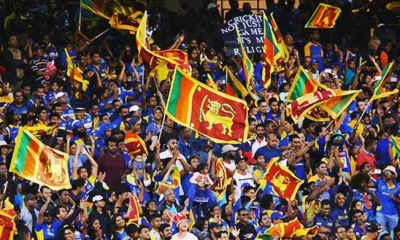
Sri Lanka – world’s worst facilities for cricket fans
-
 Business6 days ago
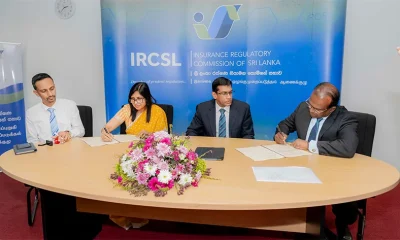
IRCSL transforms Sri Lanka’s insurance industry with first-ever Centralized Insurance Data Repository
-

 Business5 days ago
An efficacious strategy to boost exports of Sri Lanka in medium term
-

 Features3 days ago
Overseas visits to drum up foreign assistance for Sri Lanka