
News
WNPS demands immediate ban on illegal construction

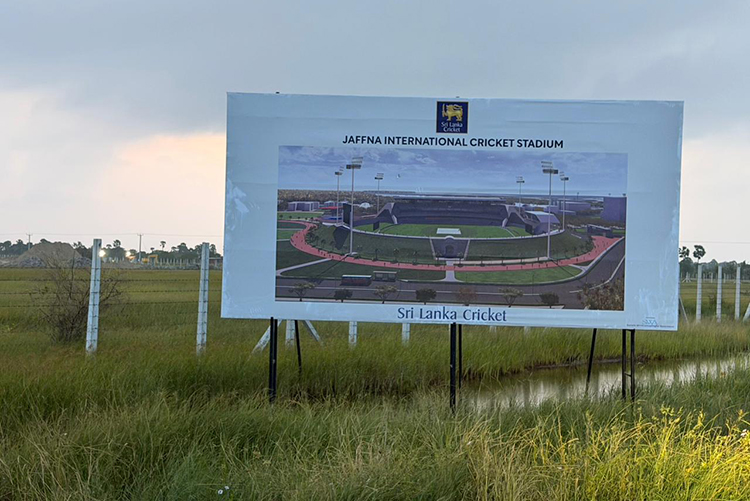
Jaffna cricket stadium on Mandativu island
The Wildlife and Nature Protection Society (WNPS) Friday strongly condemnsed “the illegal commencement of constructing the proposed Jaffna International Cricket Stadium and Sports Complex on Mandaitivu Island by Sri Lanka Cricket (SLC) without obtaining the mandatory statutory approvals required under law.”
“Despite SLC’s failure to obtain the requisite approvals, earth-moving machinery is presently in operation on site and construction materials have already been transported there. Construction work in the absence of mandatory environmental clearance constitutes a blatant, wilful, and continuing violation of the National Environmental Act No. 47 of 1980, which unequivocally mandates that prescribed development activities shall not be commenced without prior approval granted by the Central Environmental Authority upon the submission and approval of an IEE or EIA,” WNPS said in a news release..
“WNPS is reliably informed that no Initial Environmental Examination (IEE), or Environmental Impact Assessment (EIA) has been conducted prior to the laying of the foundation stone and the commencement of construction activities for the said project. Any clearing, fencing, or preparatory construction carried out without required environmental clearances is unlawful and constitutes a serious breach of Sri Lanka’s environmental safeguards.”
The release said that despite repeated written communications to relevant regulatory authorities and Sri Lanka Cricket itself, no decisive action has yet been taken to halt these activities. Authorities have been formally notified of clear legal violations and environmental risks, yet construction continues unchecked. This inaction is deeply irresponsible and sets a dangerous precedent—signaling that powerful institutions may ignore Sri Lanka’s environmental laws without consequence, undermining public confidence in regulatory oversight.
Mandaitivu Island is an environmentally sensitive area comprising salt marshes, mudflats, mangrove ecosystems, seagrass beds, and coastal wetlands. The proposed site lies close to the Mandaitivu Mangrove Reserved Forest and within an area identified in regional planning frameworks as highly sensitive, where large-scale development should be avoided, the release stressed.
“Mandaitivu also functions as a natural flood-retention zone that becomes inundated during seasonal rains, as seen in 2012, 2017, and 2025. Constructing a large stadium and sports complex on this land would increase flood risk, weaken natural coastal defences, and create long-term economic and maintenance burdens—potentially turning the project into an unsustainable and wasteful investment built on land that naturally floods.
“The island’s mangroves and seagrass beds are vital blue-carbon ecosystems that store carbon, support fisheries, maintain water quality, and protect coastal communities from storms and erosion. Many local families depend on small-scale fisheries sustained by these habitats; their livelihoods are now at risk due to the ecological damage posed by the project. The proposed stadium and complex are not only unlawful but also threaten the community’s right to a clean, healthy, and intact environment, advancing the interests of Sri Lanka Cricket at the expense of local communities and fragile ecosystems.
“Sri Lanka’s development must be legal, sustainable, and responsible. Powerful institutions must not be exempt from adherence to the country’s environmental laws.”

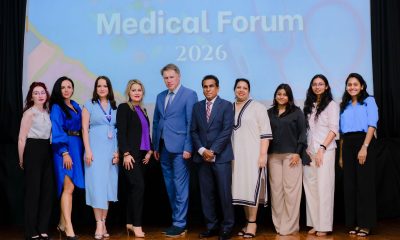


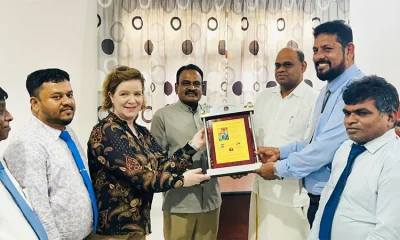

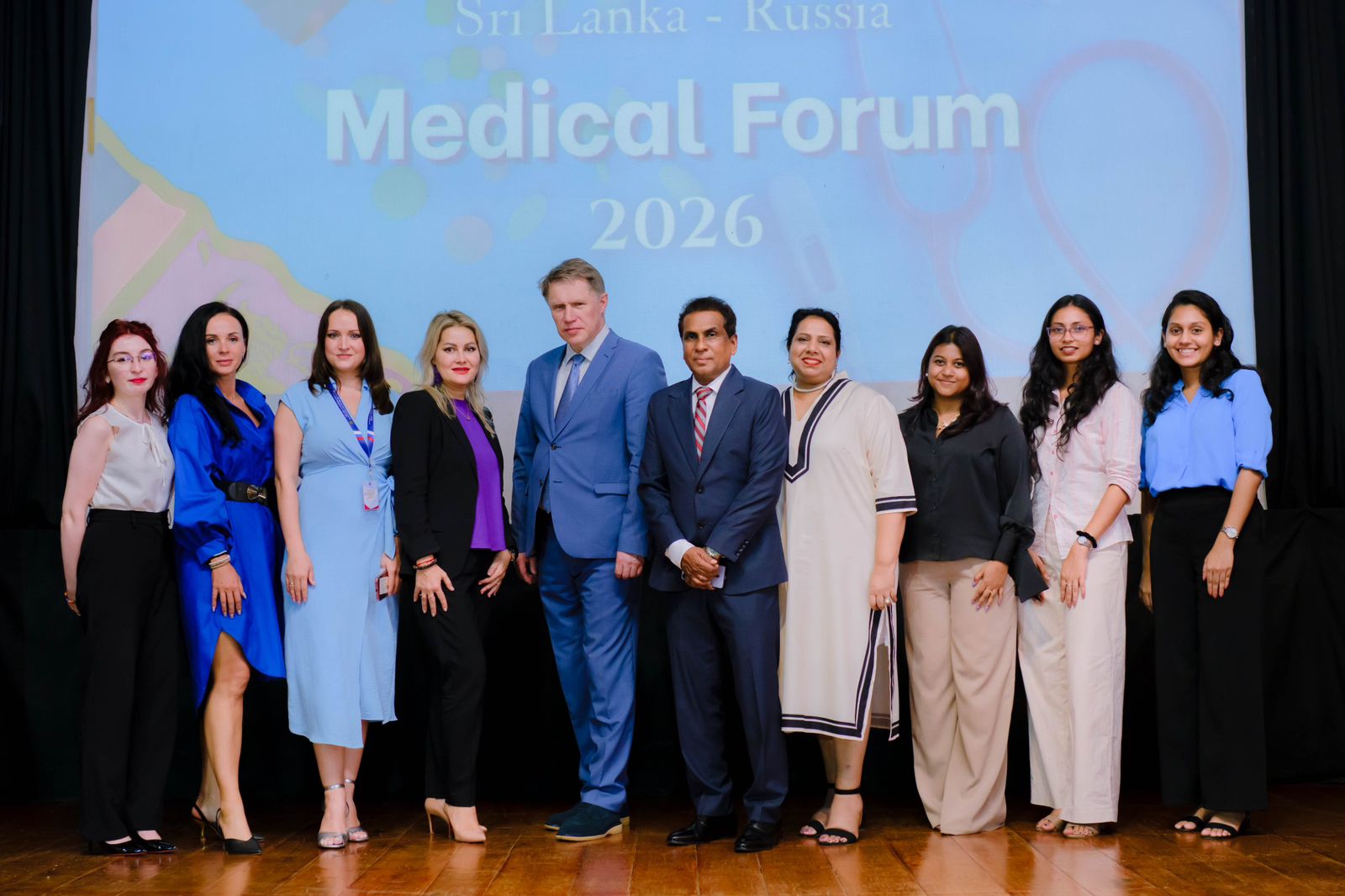
Mikhail Murashko, Minister of Health of the Russian Federation, officially visited the Russian House in Colombo to attend the Sri Lanka–Russia Medical Forum, where members of the Sri Lanka Russia Business Council and graduates from the Association of Sri Lankan Graduates from Socialist countries (ASLGSC) attended.
This historic gathering was graced by rectors and representatives from several world-class Russian medical institutions, including Kursk State Medical University, Sechenov First Moscow State Medical University, and Tver State Medical University, among others.
The forum commenced with an address by Minister Murashko, during which Russian medical graduates in attendance raised pertinent questions regarding medical and pharmaceutical sector opportunities in Sri Lanka.
Levan Dzhagaryan, Ambassador of the Russian Federation to Sri Lanka and the Maldives, together with Madam Maria L. Popova, Counsellor of the Embassy of the Russian Federation in Sri Lanka & the Maldives and Director of the Russian House in Colombo, graced the occasion. Both officials expressed strong support for continued collaboration and future initiatives between the two nations.
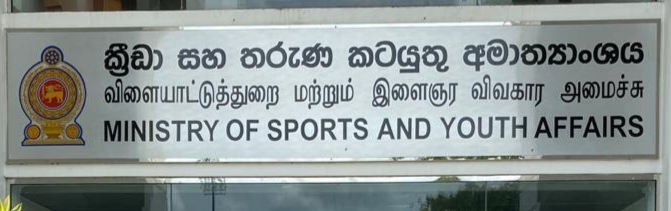
The official appointment letters for the members of the newly established “Cricket Transformation Committee” (CTC) were handed over on Monday (04) by the Minister of Youth Affairs and Sports, Sunil Kumara Gamage.
The following members received their letters of appointment at the Ministry premises:
Sidath Wettimuny
Thushira Radella
Prakash Schaffter
Ms. Avanthi Colombage
The Ministry also noted that veteran cricketers Roshan Mahanama and Kumar Sangakkara, who are key members of the committee, are currently overseas. Their official appointments will be formalised immediately upon their arrival in Sri Lanka.
The Cricket Transformation Committee has been mandated to oversee the administration and drive structural reforms within Sri Lanka Cricket (SLC) in accordance with the powers vested in the Minister under the Sports Act No. 25 of 1973.
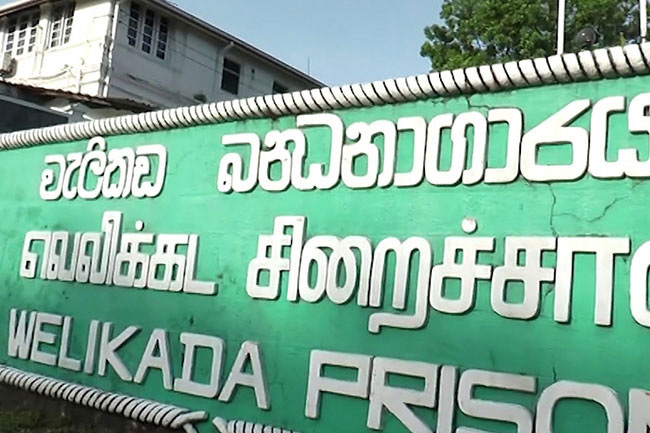
Three prison guards attached to the Welikada Prison have been arrested by Borella Police following the death of an inmate on Monday (04).

Minister of Health of the Russian Federation attends the Sri Lanka–Russia Medical Forum

Members of Sri Lanka Cricket Transformation Committee Officially Appointed

Three prison guards arrested following the death of an inmate

Showers or thundershowers will occur at most places of the island after 1.00 pm.

CJ urged to inquire into AKD’s remarks on May 25 court verdict

ITAK MPs representing East take their woes to Canadian HC

‘Dates have the highest sugar content to fight Coronavirus’

Sunday Island 27 December – Headlines

#SundayIsland 17th December – Headlines

Sunday Island – 28th March

Sunday Island Headlines – 21 March

Sunday Island – 21st February – Headlines
-

 News7 days ago
Treasury chief’s citizenship details sought from Australia
-

 News6 days ago
Rooftop Solar at Crossroads as Sri Lanka Shifts to Distributed Energy Future
-
 News5 days ago
“Three-in-one blood pressure pill can significantly reduce risk of recurrent strokes”
-

 News7 days ago
Central Province one before last in AL results
-

 Sports7 days ago
Well done AKD!
-

 News2 days ago
USD 3.7 bn H’tota refinery: China won’t launch project without bigger local market share
-

 News5 days ago
Alarm raised over plan to share Lanka’s biometric data with blacklisted Indian firm
-
 News3 days ago
Easter Sunday Case: Ex-SIS Chief concealed intel, former Defence Secy tells court