
Business
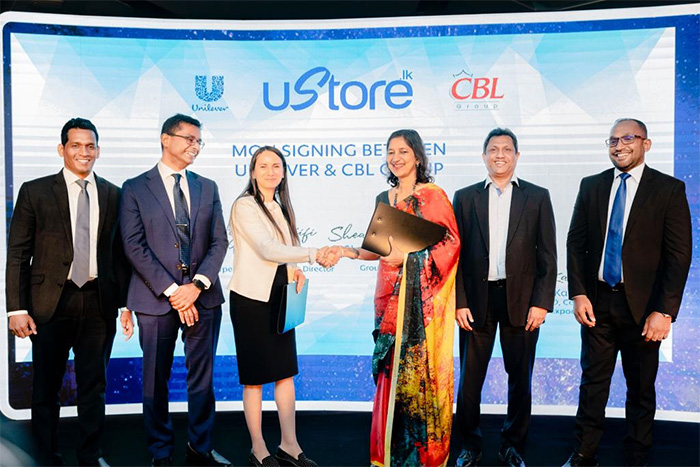
Unilever Sri Lanka partners CBL Group to expand B2C transactions over the internet

* Vision is to enable shoppers to purchase all their basket needs on a single platform
* How it would be made a buyer-oriented market place remains ‘confidential information’
by Sanath Nanayakkare
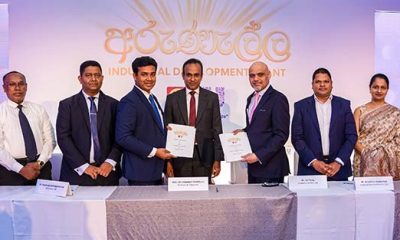
Unilever Sri Lanka recently took a notable step forward to enrich its official e-commerce platform, uStore.lk, through a partnership with CBL Group in order to expand the range of products available to customers and augment their Business to Consumers (B2C) transactions on the internet.
Unilever said that the move which was the first step in a series of portfolio expansions on UStore.lk, demonstrated its commitment to drive the e-commerce landscape of Sri Lanka to make the FMCG shopping experience more convenient in Sri Lanka.
“First launched in 2019, uStore.lk has gained significant acceptance by consumers island wide as a shopping platform of choice, as it offers them the convenience of directly purchasing products from the safety, comfort, and convenience of their homes. With the addition of over 80 products from 7 CBL renowned brands including confectionary, spices, pulses, coconut milk, and cereals, uStore.lk shoppers can now access over 300 products with free delivery to any part of the country,” Unilever said.
“Today’s online shopper is more experienced and knowledgeable than ever, purchasing in different categories and from diverse channels depending on their needs, motivations and occasions. Unilever’s vision is to enable shoppers to purchase all their basket needs in a single platform, at their convenience, while having access to some of the best brands and deals. Each brand on the platform will be based on relevancy, desirability, specialism, and sustainability criteria, following a careful selection process and data driven insights. The platform will create consumer centric but differentiated bundles, specifically targeted at the Sri Lankan online shopper based on carefully analyzed data and identified trends,” Unilever noted.
Marking this partnership, Hajar Alafifi, Unilever Sri Lanka Chairperson and MD stated, “uStore.lk was initially launched to exclusively offer Unilever Sri Lanka’s diverse range of products on a single, state-of-the-art e-commerce platform. Today, I am excited to see the efforts of my Customer Development and IT teams coming to fruition as we launch the expanded uStore.lk platform with enhanced access to FMCG. I’m extremely pleased to partner with CBL as together Unilever and CBL share deep roots in the country, and brands which are cherished by the people of Sri Lanka.”
Shea Wickramasingha, CBL Group MD commented, “I’m excited about the partnership with Unilever on the uStore.lk platform as it will enable us to together, deliver an enhanced customer experience through a new emerging channel with direct interaction with our customers. They can now log on to uStore.lk and purchase food& refreshments, personal care and home care items conveniently while enjoying special offers and deals.”
CBL products were made available on uStore.lk from 16th June 2023.
When The Island Financial Review asked Unilever Sri Lanka Chairperson, Hajar Alafifi how the platform would be made a truly buyer-oriented market place with diverse sellers being brought on board, she replied,” Confidential information’, repeating it three times.








As businesses navigate an increasingly complex operating environment shaped by workforce transformation, evolving stakeholder expectations, technological disruption and shifting market demands, strengthening performance requires more than new strategies. It requires new ways of thinking, leading, and collaborating.
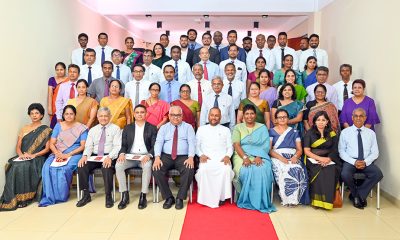
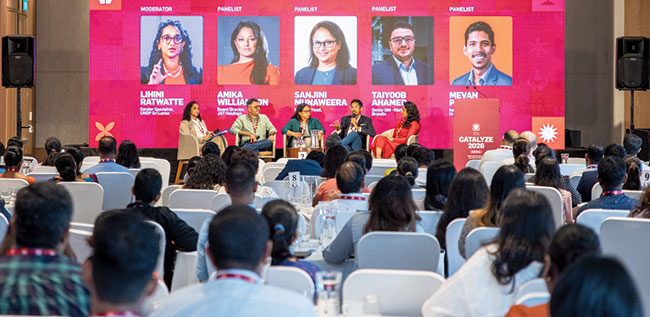
It was against this backdrop that UN Global Compact Network Sri Lanka convened CATALYZE 2026: Social, bringing together business leaders, sustainability practitioners, policymakers, development partners and industry experts to mobilize collective action and equip businesses with the knowledge, partnerships and practical approaches needed to strengthen performance through responsible business.
More than a forum for dialogue, CATALYZE 2026 was designed to help businesses think differently about performance. It reinforced that long-term success is increasingly shaped by how organizations lead, uphold human rights, foster inclusive workplaces, strengthen ethical governance, and build cultures that enable innovation, resilience and trust. Responsible business is no longer separate from business performance — it is fundamental to it.
Aligned with the UN Global Compact’s 2026–2030 Global Strategy, the Forum reflected its three strategic pillars — Equip, Catalyze and Advance — by strengthening business capability, fostering collaboration and mobilizing leadership to accelerate progress on social sustainability.
UN Global Compact Network Sri Lanka’s approach to social sustainability centres on driving this change — recognizing that meaningful progress comes not only through policies and commitments, but through the everyday decisions, leadership behaviours and organizational cultures that shape how businesses operate. CATALYZE 2026: Social encouraged participants to move beyond intention towards implementation, embedding responsible business practices into strategy, governance and organizational culture.
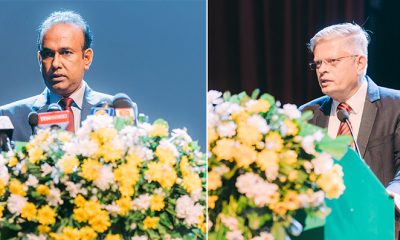
Opening the CATALYZE 2026: Social, Rathika de Silva, Executive Director of UN Global Compact Network Sri Lanka, spoke to the role of responsible business leadership in strengthening Sri Lanka’s global competitiveness:
“Sri Lanka has the workforce, resilience, and opportunity to compete not by being the cheapest producer, but by becoming the most trusted. As global expectations evolve, compliance is no longer simply a cost of doing business — it is the foundation of market access, and the decisions we make today will determine how strongly we compete in the markets of the future.”
The Forum featured keynote addresses, leadership dialogues and technical sessions on the issues shaping the future of business, including business integrity and anti-corruption, human rights, neurodiversity and inclusive workplaces, artificial intelligence and the future of jobs, the Women’s Empowerment Principles (WEPs), responsible sustainability communications, and workforce resilience. Together, these discussions highlighted how responsible leadership, inclusive practices, and strong governance contribute to organizational resilience, innovation, and long-term performance.
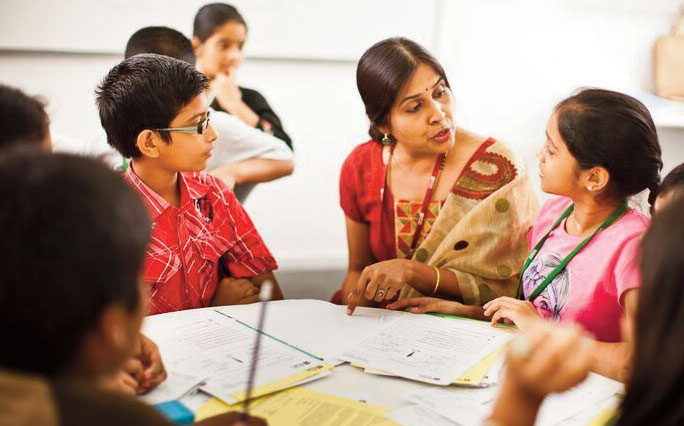
Free British Council online conference brings together leading educators from across South Asia to explore how creativity, inclusion and technology can help prepare learners for a rapidly changing world
The British Council has announced the South Asia TeachingEnglish Online Conference 2026, a free three-day event that will convene educators, researchers and teacher educators from across the region to examine one of the most pressing questions facing education today: how can schools equip learners with the creativity, adaptability and communication skills needed to thrive in an increasingly complex world?
Taking place from 23–25 July 2026, the online conference comes at a time when education systems across South Asia are grappling with the challenge of balancing curriculum demands, assessment pressures and evolving learner needs. While English remains a critical gateway to academic and professional opportunities, educators are increasingly seeking approaches that move beyond language acquisition alone to foster critical thinking, collaboration, learner agency and participation.
Business
The Ceylon Chamber convenes dialogue on energy security and standards for Sri Lanka’s energy transition

The Ceylon Chamber of Commerce recently hosted a discussion titled “Energy Transition in Sri Lanka: Strategic Insights from Global Markets”, bringing together representatives from the public and private sectors, industry experts, academics, and other stakeholders to examine the opportunities and challenges associated with Sri Lanka’s evolving energy landscape.
Held at a time when countries around the world are accelerating their transition towards cleaner, more resilient, and technology-driven energy systems, the event provided a timely platform to examine renewable energy not only as an environmental priority but as a strategic pillar of national energy security, with implications for economic growth and long-term competitiveness. The discussion also considered the increasing importance of reliable energy infrastructure in meeting the growing demands of digital transformation, including emerging technologies such as artificial intelligence, electric mobility, and data centres.
The programme covered a wide range of topics relevant to Sri Lanka’s energy future, including renewable energy development, energy security, regulatory and policy frameworks, electricity sector reforms, energy storage systems, grid modernization, investment and financing considerations, and international experiences in energy transition. Particular attention was given to the need for creating an enabling environment that supports innovation, attracts investment, including the technical and safety standards required to protect consumers and businesses as storage and solar adoption scales nationally.

India A grow lead after Sai Sudharsan hits 168

Boys among men – Sooryavanshi joins Tendulkar, Aaqib and Hasan Raza

Brutal heat cancels Fourth of July events, from DC to Philadelphia

Arias sends Colombia into World Cup last-16 with 1-0 win over Ghana

Messi scores again but Argentina given World Cup upset fright by Cape Verde

Anguished families left to identify Venezuela quake victims at makeshift morgue

‘Dates have the highest sugar content to fight Coronavirus’

Sunday Island 27 December – Headlines

#SundayIsland 17th December – Headlines

Sunday Island – 28th March

Sunday Island Headlines – 21 March

Sunday Island – 21st February – Headlines
-

 News6 days ago
LAWASIA warns against ad hoc initiative to increase judges’ retirement ages
-

 Features5 days ago
Climate action to bring South Asia together
-

 News5 days ago
Chamuditha to seek removal of injunction on Youtube programme
-

 News20 hours ago
Freedom 250: US Embassy celebrates America’s 250th Independence Day through magic of American cinema
-
 Features7 days ago
People’s Bank expands digital banking network with 125th cheque deposit kiosk
-

 News2 days ago
CIABOC to question Harak Kata on Rs. 200 mn bribery allegation
-

 News2 days ago
SLAF conducts successful rescue mission under UN command in Central African Republic
-

 News5 days ago
CPRP alleges another death in custody, seeks protection for witness