
Business
The Rise of Aviyana: Sri Lanka’s luxury hospitality revolution

By Saman Indrajith
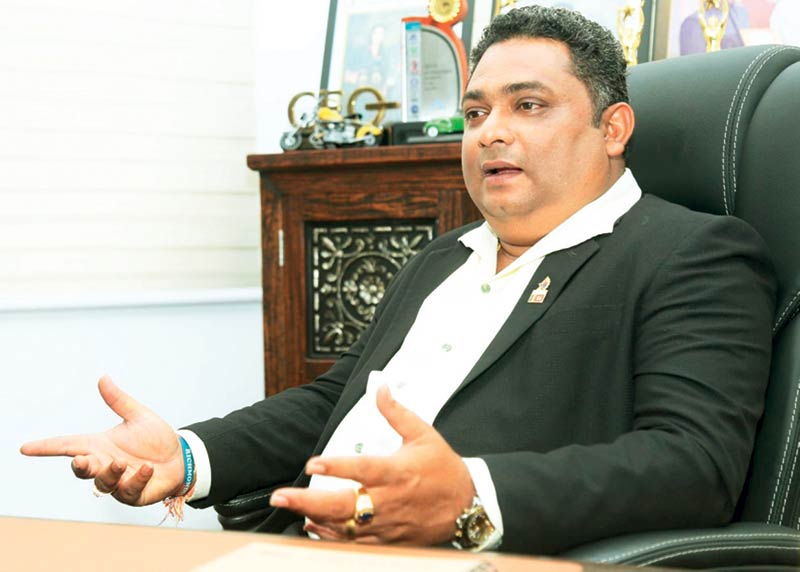
As Sri Lanka ushers in 2025, the nation prepares to unveil a game-changing addition to its hospitality landscape—Aviyana Ceylon, the country’s first seven-star luxury hotel. Situated amid the serene hills of Udispattuwa, Kandy, this extraordinary property promises to set a new global benchmark for opulence and innovation. Spanning 24 acres with a masterfully designed balance of wellness and bespoke experiences, Aviyana offers an unparalleled blend of tranquility and adventure, crowned by breathtaking views of the Knuckles Mountain Range.
“Aviyana Ceylon is not just a hotel; it is a gateway to Sri Lanka’s future as a global leader in luxury hospitality. This year, we welcome the world to discover the extraordinary – a legacy that celebrates both innovation and our nation’s rich cultural heritage,” said Dr. Thisara Hewawasam, Chairman of Aviyana during an interview with the Sunday Island.
Excerpts of the interview:
Q: What inspired you to create Sri Lanka’s first seven-star luxury hotel, Aviyana Ceylon, and how do you see it reshaping the country’s hospitality landscape?
A: Tourism in Sri Lanka dates to the arrival of Prince Vijaya, followed by centuries of foreign visits driven by trade. However, in modern times, there’s been a shift towards offering more than just basic accommodation for tourists. While Sri Lanka attracts around two million visitors annually, spending an average of USD 2,000 each, countries like the Maldives see tourists spending up to USD 5,000. To bridge this gap, I believe Sri Lanka needs a new kind of luxury experience.
We currently lack facilities that cater to high-net-worth individuals. The star hotels in Sri Lanka, typically charge between Rs 15,000 and Rs 75,000 per night, while few top-tier hotels charge over Rs 200,000. To attract ultra-wealthy tourists, we need a seven-star hotel that offers unparalleled luxury, combining all the best facilities under one roof.
Aviyana Ceylon is designed with this vision in mind: to raise the average income from foreign guests and contribute to the local economy. Many feared this ambitious project would fail, especially since most leading hotels here are international chains. However, our focus is on promoting Sri Lankan culture, wellness, traditional medicine, and Ayurveda, which will strengthen our identity in the hospitality industry. This marks a pivotal moment for Sri Lanka’s tourism.
Q: Aviyana Ceylon, nestled in the hills of Kandy, emphasizes wellness and bespoke experiences. How does the hotel blend Sri Lanka’s cultural heritage with modern luxury?
A: There are two key factors when creating a memorable resort experience: the facilities provided and the location’s offerings. At Aviyana Ceylon, we excel in both. While other hotels, like Mount Lavinia, boast a heritage and coastal view, Aviyana’s location is unique. It offers a sweeping view of one-tenth of Sri Lanka’s land area, spanning five districts. This breathtaking scenery is complemented by a diverse climate, where guests can experience five different temperatures in a single day—something no other hotel in the country offers.
Our surroundings are rich with nature—lush greenery, medicinal plants like Aralu and Nelli, and pure water from the Knuckles range, considered the cleanest in the world. The area also offers activities such as bungee jumping, bird watching, and hiking, all framed by nature’s beauty.
Beyond nature, we bring Sri Lanka’s renowned hospitality to the forefront. We celebrate our food culture by serving dishes from King Rajasinghe’s menu, where food offers both nutrition and medicinal benefits. We also embrace customer-centric service, adjusting the hotel’s offerings to suit the guest’s preferences, from security to connectivity.
Aviyana Ceylon will host traditional events weekly, featuring artists from the Dalada Perahera in Kandy. We’re also bringing world-renowned chefs who have not visited Sri Lanka before. Security is a top priority, with advanced systems ensuring the safety of all guests. The hotel includes an on-site hospital, helicopter service, and an underground area for emergencies.
Aviyana Ceylon also stands out by offering unique experiences, such as temporary ordination for Buddhist guests, access to indigenous medicine, and a dedicated hospital and helicopter service for emergencies. This fusion of luxury, culture, and wellness creates an unforgettable experience.
Q: Aviyana’s strategic partnership with the Al Nahyan Royal Family of Abu Dhabi is a significant milestone. How do you see this collaboration enhancing Sri Lanka’s global appeal as a luxury travel destination?
A: When we first approached the royal family, they viewed Sri Lanka only as a country from where they get their housemaids. To change this perception, we showed them a five-minute video showcasing the beauty and offerings of the country, which they found astonishing. This seven-star hotel concept is designed to cater to wealthy clients from Arabic countries, who have long played a key role in international trade, from the Silk Route to modern times. The Al Nahyan family has been instrumental in connecting us with high-net-worth individuals. We plan to expand our partnerships globally, reaching markets in India, the US, Europe, Russia, and other Western countries. Our vision is to host not only the royal family but also former world leaders, renowned sports figures, and artists at Aviyana Ceylon.
Q: Sustainability is often a key focus in high-end hospitality today. How does Aviyana Ceylon balance opulence with environmental responsibility, particularly in Kandy’s scenic highlands?
A: At Aviyana Ceylon, sustainability is integral to our design. We only removed 33 trees, leaving much of the 24-acre property untouched. Instead of building a massive 6,000-7,000 room hotel, we chose just eight acres for construction. We’ve also launched the ‘Breath’ project, planting 33,000 trees to date. Acknowledging the impact of carbon emissions, we invite guests to plant a tree during their visit, with their name and GPS location, so they can track its growth worldwide.
Given the hotel’s mountaintop location, we ensure no waste leaves the property. We’ve implemented an advanced Japanese waste recycling system at a significant cost. Wastewater is treated before being released into the ground. Our broader vision is to create a tourism zone in Kandy, linking local attractions like Victoria Falls, the Knuckles Range, and the Dalada Maligawa, positioning the area as a major tourism hub in the next 10-15 years.
Q: As Aviyana prepares for its grand opening, what specific features or experiences do you believe will set it apart from other luxury hotels, and what are your long-term aspirations for the brand?
A: Sri Lanka, known mainly for cricket and Ceylon tea, lacks a strong tourism brand and policy. Despite being one of the best destinations globally, we fail to leverage the opportunities tourism presents. Aviyana Ceylon aims to change that by becoming Sri Lanka’s defining luxury brand, much like cricket. We’re working with top global influencers to promote the hotel, with plans to invite one from each of 160 countries to cover our opening. With social media reach, we hope to captivate millions worldwide, offering a marketing campaign unlike anything seen before.
Our goal is to create a lasting impact not only for Aviyana Ceylon but for Sri Lanka’s tourism sector. We plan to introduce a hotline and travel insurance for all tourists to enhance their experience, benefiting the entire industry.
As we near completion of the seven-star hotel, we expect heads of state from Arab countries to attend our opening. With the government’s support, we anticipate a 20% boost in tourism revenue and increased hotel prices in Colombo. Looking ahead, we’re also planning the Aviyana-2 project, with a world-first gem showroom and hospital, bringing Sri Lanka’s pride to the global stage.


As Sri Lanka’s economy charts a fragile path toward recovery in 2026, the latest corporate earnings data reveals a stark and widening divide. While households and most industries grapple with a slow and arduous healing process, the banking and financial sector is posting windfall profits – a dynamic deepening public concern that the financial system is benefiting disproportionately from an economy still causing widespread hardship.
The Purchasing Managers’ Index hints at tentative stabilisation, with slowing inflation offering some relief. Yet, as an independent analyst cautioned, “The road to recovery is long and full of potholes,” pointing to the enduring burdens of debt and challenging reforms.
“This slow, painful repair is reflected in an 11.9% year-on-year decline in cumulative corporate earnings, driven by sharp falls in the Food, Beverage and Tobacco and Capital Goods sectors. In stark contrast, the Banking and Diversified Financials sectors are not merely recovering; they are accelerating. The Banking sector’s earnings grew by a robust 38.9%, powered by loan book expansion and improved asset quality, with giants like Commercial Bank and Hatton National Bank leading the pack. Similarly, the Diversified Financials sector exploded with 112.6% growth, fueled by a lower interest rate environment and significant fair-value gains in the equity market,” he said.
“This dramatic outperformance underscores a persistent and contentious reality. The financial sector’s role as the economy’s essential intermediary appears to insulate it – and enable it to profit – amidst broader volatility. Its foundational strength is solidifying even as other sectors and the public at large still face grave difficulties,” he said.
“In this context, a growing strand of public opinion questions why the dividends of this pronounced financial resilience are not felt more broadly. The perception is clear: the hardships on the ground – the headwinds on the recovery road – are conspicuously absent from the banking bottom line. Instead, the sector emerges, yet again, as the unambiguous winner in an uneven landscape, leading many to ask when and how this financial success will translate into more tangible, shared gains for the nation at large,” he questioned.
“All in all, the data confirms the banking sector’s fortified foundation. Yet, its social license for such substantial profits may increasingly depend on demonstrating a clearer contribution to a more inclusive and equitable recovery for all Sri Lankans,” he warned.
By Sanath Nanayakkare ✍️

The recent suspension of ten Indian-manufactured injections by Sri Lanka’s medicines regulator has done more than ignite a fresh “substandard medicines” scare. It has laid bare a chronic, systemic failure in the nation’s pharmaceutical governance – a failure that transcends political parties and individual ministers.
According to Ravi Kumudesh, President of the Academy of Health Professionals (AHP), this episode is not an isolated scandal but the latest symptom of a regulatory regime that operates on personality and discretion rather than transparent, evidence-based science.
The public’s current anxiety, Kumudesh argues, stems from a dangerous confluence: an allegation of microbial contamination in an injectable, the blanket suspension of ten products from one manufacturer, and the opaque controversy surrounding an “Indian Pharmacopoeia” agreement. “When these three collide,” he states, “the outcome is predictable: not clarity, not confidence – but a national regulatory regime that the public is asked to ‘trust’ without being given the evidence required to trust.”
A problem rooted in system, not scapegoats
Kumudesh insists that framing this crisis around former Health Minister Keheliya Rambukwella or the current minister, Dr. Nalinda Jayatissa, misses the fundamental point. The core issue is a system that has remained stubbornly unchanged across administrations. “The public has watched governments change while the internal decision-making circle inside the regulatory system appears to remain remarkably stable,” he observes. This creates a perilous pattern where the same insiders sometimes act as public critics and at other times as ‘story managers’ within the system, leading to public perception of a credibility gap that no mere statement can bridge.
From hospital test to national edict: A question of protocol
The central controversy, Kumudesh explains, is not the precautionary suspension itself but the evidence pathway that led to it. “A hospital laboratory can detect signals. But national regulatory action requires national-level validation,” he emphasises. The critical, uncomfortable questions he raises are: If Sri Lanka’s own national medicine quality laboratory still lacks full public confidence, how can a hospital test justify a nationally consequential suspension? And if subsequent international or confirmatory tests contradict the initial finding, who repairs the shattered trust and clinical disruption?
He warns that Sri Lanka has seen this movie before – products removed amid public alarm only to be reintroduced later, creating clinical chaos and eroding faith. “Regulatory panic creates clinical chaos,” Kumudesh notes. The proper response to a contamination allegation, he outlines, is systematic: isolate temporarily, collect samples under strict chain-of-custody, and verify through recognised reference testing – not “suspend and shout.”
The unanswered questions: Procurement and agreements
Kumudesh points to glaring gaps in public accountability. One key question remains unanswered: were pre-shipment test reports for these injections reviewed? “If yes: where are the reports? If no: how did the system allow high-risk products in?” he asks, stressing that procurement is a patient-safety responsibility, not mere paperwork.
Furthermore, the shadow over the reported “Indian Pharmacopoeia” agreement exemplifies the systemic opacity. “If an agreement exists, the first duty is public disclosure,” he asserts. Without it, the public cannot assess whether Sri Lanka is strengthening its standards or inadvertently weakening its own scrutiny and liability pathways.
The path forward: Evidence over emotion
For Kumudesh, the solution lies in a radical shift from personality-based to evidence-based regulation. “Committees do not fix systems – systems fix systems,” he says, critiquing the cyclical political response of appointing committees after each crisis. His prescription is structural:
= Establish a stable, transparent regulatory protocol immune to political or personal influence.
= Build a credible, independent national medicine quality laboratory with recognised competency.
= Enforce a clear, legally sound evidence pathway for all regulatory decisions.
= Ensure routine publication of key regulatory outcomes and decisions.
“Without a credible national laboratory,” he warns, “Sri Lanka remains permanently dependent on foreign timelines and credibility, while its own decisions are perpetually questioned.”
The ultimate question Kumudesh leaves for policymakers and the public is stark: “Is the fear of substandard medicines being used to protect patients – or to hide the system’s inability to prove the truth quickly, transparently, and credibly?” Until the architecture of regulation is rebuilt on the bedrock of science and transparency, he concludes, this crisis will not be the last. It will simply be the latest in a long line of failures that place patients and professionals in the crossfire of a system they cannot trust.
By Sanath Nanayakkare ✍️
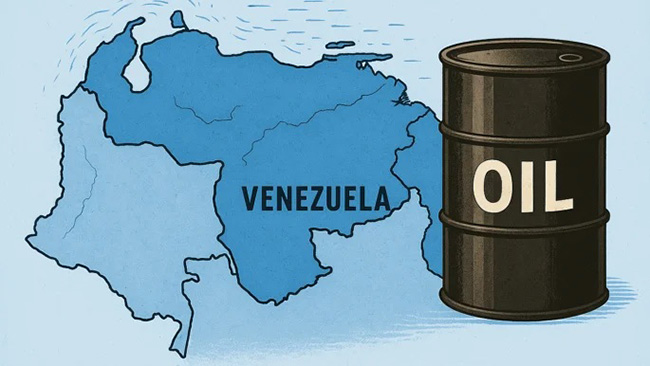
Venezuela has more oil than any other country, but it pumps very little of it. Its national oil company is broke, so the country now needs private investment to fix its broken industry. This could let big American oil companies like Chevron return.
For these companies, the advantage is huge oil fields and facilities that could be repaired fairly quickly. But their investment depends entirely on politics and getting a good deal. As one expert put it, “It’s about the politics.”
For everyday gas prices, not much will change right away. Venezuela currently produces so little that it won’t affect the global market much. The U.S. is also producing record amounts of its own oil and has large emergency stockpiles, which help keep prices stable.
In short, American companies see a major opportunity in Venezuela’s vast oil, but they are facing major political risks. The story isn’t about a lack of oil in the ground; it’s about whether the politics will ever be stable enough to safely get it out.
By Sanath Nanayakkare ✍️

Showers will occur at times in the Eastern and Uva provinces and in Nuwara-Eliya, Matale, Polonnaruwa, and Mullaittivu districts

Curran, bowlers lead Desert Vipers to maiden ILT20 title

PUCSL and Treasury under IMF spotlight as CEB seeks 11.5% power tariff hike

Bellana says Rs 900 mn fraud at NHSL cannot be suppressed by moving CID against him

First harvest of rice offered to Dalada Maligawa

Grade 6 module controversy: SLPP asks PM to resign

‘Dates have the highest sugar content to fight Coronavirus’

Sunday Island 27 December – Headlines

#SundayIsland 17th December – Headlines

Sunday Island – 28th March

Sunday Island Headlines – 21 March

Sunday Island – 21st February – Headlines
-

 News2 days ago
Health Minister sends letter of demand for one billion rupees in damages
-
 News5 days ago
Leading the Nation’s Connectivity Recovery Amid Unprecedented Challenges
-

 Features6 days ago
It’s all over for Maxi Rozairo
-

 Opinion4 days ago
Remembering Douglas Devananda on New Year’s Day 2026
-
 News6 days ago
Dr. Bellana: “I was removed as NHSL Deputy Director for exposing Rs. 900 mn fraud”
-
 News5 days ago
Dons on warpath over alleged undue interference in university governance
-

 Features6 days ago
Rebuilding Sri Lanka Through Inclusive Governance
-

 Business5 days ago
Sri Lanka Tourism surpasses historic milestone with record tourist arrivals in 2025