
Life style
Sri Lanka’s Great Opportunity. Gotukola

by Emme Haddon
Almost every culture from the ancient Egyptians to the native Americans possess a wealth of herbal medicinal knowledge which has been passed down from generation to generation. According to the World Health Organisation, 80% of the world’s population rely on traditional herbal medicines as their primary source of health care. 74% of the modern medicines were discovered as a result of the study of plants used in traditional medicine. The current global boom in sales of alternate  herbal remedies and supplements is driven by a growing awareness for preventative healthcare methods and consumer demand for healthier and more natural products. People no longer blindly accept something as being safe just because a doctor says so.
The number of information-hungry patients has increased dramatically, around 66% of US adults go online to research their conditions, as do more than half of all Europeans. According to Nutrition Business Journal, the Covid-19 pandemic alone has fuelled an estimated 25% increase in immunity boosting supplements in 2020, up from 8.5% growth to $3.3 billion overall. The global size of the herbal remedies and supplement market was projected to reach USD 86.74 billion by 2022.
The latest reports suggest that this figure may double as a result of the Covid-19 pandemic. In the face of increasing strains of microorganisms developing resistance to drugs, as patents on existing drugs expire and the promise of huge profits from potential prescription drugs and herbal supplements, both Big Pharma and Big Herba are ramping up their search of the natural world for molecules they can extract and patent as new prescription drugs or market as the next best-selling ‘superfood’ supplement. This kind of bioprospecting is by no means new. Willow bark has been used as a traditional medicine for more than 3500 years.
The ancient Sumerians and Egyptians used it as a remedy for aches and pains. Detailed references are made to it in the Vedas and later by Hippocrates for its efficacy in relieving fever and pain. However, the active agent in willow bark, salicin, which would later form the basis of the discovery of aspirin, remained unknown. It was several thousands of years later, in the late 1800s, that researchers in Europe identified salicin (after Salix, the genus of the willow tree). This led to the creation of aspirin the world’s
best-selling drug, by German chemist Felix Hoffmann. Shortly afterwards Hoffmann produced a second famous drug: diacetylmorphine, also known as heroin! Ayurveda, “the Mother of all Healing”, considered by many scholars to be the oldest healing science, originated in India more than 5,000 years ago. It stems from the ancient Vedic culture and for many thousands of years was taught in an oral tradition by accomplished masters to their disciples. Some of this knowledge was later set to print in ancient Ayurvedic texts. In Sanskrit, Ayurveda means “The Science of Life’ wherein the body, mind and consciousness work together in maintaining balance. Great emphasis is placed on prevention and encouraging the maintenance of good health through close attention to balance in one’s life, right thinking, diet and the treatment of illness through lifestyle practices and the use of herbal remedies.
The cause of disease is viewed as a lack of proper cellular function due to an excess or deficiency of an individual’s vata, pitta or kapha dosha and the presence of toxins. In Sri Lanka, Ayurveda, the official term used to denote collectively all the traditional medical systems, encompasses Ayurveda, the predominant system which came to the island from India with Buddhism 2,500 years ago, Siddha, Unani, and Deshiya Chikithsa. Deshiya Chikithsa is the earliest system of medicine Sri Lanka and has existed before the advent of Ayurveda. The term “traditional medicine” thus largely overlaps with the term “Ayurveda.”
 Sri Lanka has a continuous written history. Stone scripts as early as 250 BCE, ancient texts together with remaining ola palm leaf texts, offer an insight into the intricacies of traditional food preparation which are based on ancient Ayurvedic principles of health. The nutritional basis of ingredients, methods of preparation, and their suitability for consumption depend on the patient’s physiological condition, as well as the environment and climate, are intricately interwoven.
For most people in Sri Lanka, a sambol or mallum, green leafy accompaniments to rich, spicy dishes, is a must have. They may not be aware of the exact nutritional value of these healthy and delicious greens but as children they will have been told to eat them up because they are good for them!
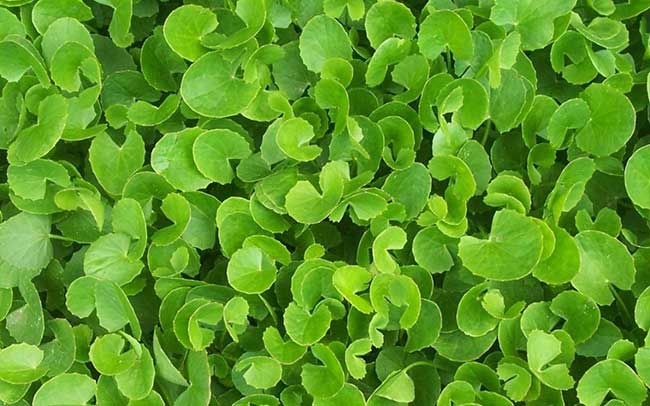
Centellia Asiatica, is a small perennial herb native to Asia and naturalized in many parts of the world including the US and Africa. It is mentioned in ‘Sushruta Samhita’, one of the earliest Ayurvedic medical texts, and for thousands of years has been famed for its Ayurvedic medicinal properties. In traditional Chinese herbal medicine, it is known as one of the “miracle elixirs of life” and in India, Centellia Asiatica is sometimes referred to as “Tiger Grass” due to the fact that wounded tigers would roll themselves in it. However, it is most often referred to by its Sinhalese name “Gotu Kola.”
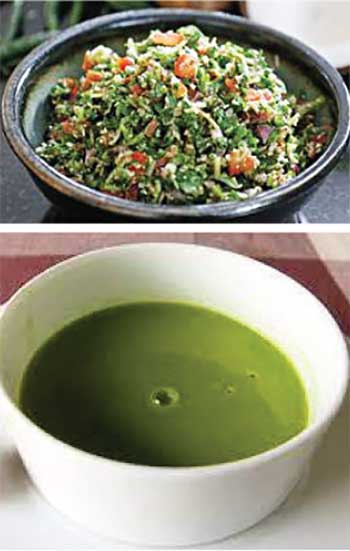
In Sri Lanka gotu kola thrives in the marshy, shaded areas of the wet and intermediate zones but has established itself as an integral part of home gardens. An invaluable herb, having little taste or smell, with white or light purple-to-pink flowers and small oval fruit, it has throughout history been an integral part of traditional Sri Lankan cuisine and traditional medicine. It is commonly used as a juice, tea, or green leafy vegetable in dishes such as gotu sambol and gotu kanda, a nutritious herbal porridge based on ancient indigenous and Ayurvedic principles of well-being. Highly valued for it nutritional components of vitamins A, B2, C and iron, potassium and calcium, it is so popular that supermarket shelves now offer it in chopped, ready-to eat packets along with instant gotu kola kanda.
Long before the term “superfood” was coined, gotu kola was referred to in Ayurveda as the “herb of longevity”, standing out as having no equal in the treatment of general debility and decline. With its distinctive fan-shaped leaves, often described as being brain-like, it conforms to the “doctrine of signatures”, an ancient belief that herbs resemble the part of the body that they provide nutrients for and are used to treat.
In Ayurvedic medicine it is famed as a “medhya rasayana” with a rejuvenative effect on nerves and brain cells, that improves brain function, boosts memory and prevents cognitive deficits. It is also known as a powerful wound and skin disease healer and a blood purifier with gastroprotective qualities.
Studies continue to demonstrate the science behind gotu kola’s efficacy in traditional medicine. A nootropic which supports circulation to the brain whilst nourishing the nervous system, it is also a powerful adaptogen and antioxidant. It has also demonstrated anxiolytic, anti-convulsant, neuritogenic, antispasmodic, astringent, cardiotonic, diuretic, anti-inflammatory, analgesic and antipyretic qualities. It is easy to understand why in Ayurvedic medicine it is considered “a pharmacy in one herb”.
Its remarkable cognitive, neurotropic and neuroprotective effects highlight its potential to modulate disease processes involved in neurodegenerative disorders such as Alzheimer’s, Parkinson’s and Huntington’s disease in addition to treating conditions such as schizophrenia, epilepsy and strokes.
In today’s highly competitive society, nootropics, from the Greek nous (“mind“) and trepein (“to bend” or “turn“), literally meaning “mind turning’, often used to treat attention deficit hyperactivity disorder (ADHD), have gained popularity with students seeking to improve cognitive function, boost memory, focus, creativity, and motivation. Statistics from the Alzheimer’s Association suggest that someone develops Alzheimer’s every 65 seconds. In 2019 Google searches for “nootropic” reportedly averaged 110,000 per month, reinforcing the fact that cognitive health is a cause for real concern across age demographics.
According to the current analysis of Reports and Data, the global nootropics market was valued at USD 1.96 billion in 2018 and is expected to reach USD 5.32 billion by the year 2026, at a CAGR of 13.2%
Whilst extracts of gotu kola phytochemical compounds may one day be the next miracle drug in the fight against neurodegenerative conditions, creating a new medicine is a long and rigorous process that takes 10 or more years from discovery to market at an estimated cost of around $2.6 billion. In contrast, herbal medicines and food supplements aren’t generally subjected to the same stringent testing requirements.
Alone or in combination with other nootropics, of which Sri Lanka has several, a simple decoction of fresh or dried gotu kola leaves, leaf-based juices, extracts in the form of tinctures and capsules of dried powdered leaf, offer an array of proven health benefits:
* boost cognitive function, enhances
memory and enhance performance
* provides protection of brain cells from toxicity and may protect the cells from forming the plaque associated with Alzheimer’s
*helps reduce anxiety and stress and helps with insomnia
*acts as an antidepressant
* supports vascular health reducing problems with fluid retention, ankle swelling and circulation
* is anti-ageing, promotes collagen production and rejuvenates skin, hair and nails
* reduces scarring and the appearance of stretch marks
* its anti-inflammatory properties may be useful in treating joint inflammation, cartilage and bone erosion
* Its antioxidant effects are immune
boosting
* suppresses the toxic side effects of drugs on liver and kidneys
Modern-day scientific research has yet to catch up with what has been known to sages and vaidyas, whose focus has been on the healing benefits of nature, for thousands of years but this is changing. Advances in science and information technology are making it easier for the pharmaceutical industry to uncover new insights into diseases, to identify and isolate specific phytochemical compounds, and to review the explosion of biological data that has already been published in peer-reviewed biomedical journals.
The World Health Organisation has recommended that medicinal plants be used more effectively in healthcare. Sri Lanka is uniquely positioned to exploit and market its own natural resources in the pursuit of global public health. There is very real global demand and there is a very real opportunity.
Emme Haddon has lived in the West Indies, France, Malaysia, Hong Kong and the UK. She has lived in Sri Lanka for 7 years. She has run various businesses and has set up a successful on-line clothing operation. She has a great interest in Sri Lanka’s plants and herbal medicines.



Italian Cuisine Week
This year’s edition of Italian Cuisine Week in Sri Lanka unfolded with unmistakable charm, elegance and flavour as the Italian Embassy introduced a theme that captured the very soul of Italian social life ‘Apertivo and’ Stuzzichini’ This year’s celebration brought together diplomats, food lovers, chefs and Colombo’s society crowd for an evening filled with authenticity, refinement and the unmistakable charm of Italian hospitality.
Hosted at the Italian ambassador’s Residence in Colombo, the evening brought Italy’s golden hour ritual to life, embracing the warmth of Mediterranean hospitality and sophistication of Colombo social scene.
The ambience at the residence of the Italian Ambassador, effortlessly refined, evoked the timeless elegance of Milanese evening culture where ‘Apertivo’ is not just a drink , but a moment of pause, connection and pleasure. Guests were greeted with the aromas of apertivo classics and artisanal stuzzichini,curated specially for this edition. From rustic regional flavours to contemporary interpretations the embassy ‘s tables paid homage to Italy’s diverse culinary landscape.
, Italy’s small bites meant to tempt the palate before meal. Visiting Italian chefs worked alongside Colombo’s leading culinary teams to curate a menu that showcased regional authenticity though elegant bite sized creations. The Italian Ambassador of Italy in Sri Damiano Francovigh welcomed guests with heartfelt remarks on the significant of the theme, highlighting how “Apertivo”embodies the essence of Italy’s culinary identity, simple, social and rooted in tradition.
Sri Lanka’s participation in Italian Cuisine Week for ten consecutive years stands as a testament to the friendship between the two countries. This year focus on ‘Apertivo’ and ‘Stuzzichini’ added a fresh, dimension to that relationship, one that emphasised not only flavours, but shaped cultural values of hospitality, family and warmth. This year’s ‘Apertivo’ and “Stuzzichini’ theme brought a refreshing twist to Italian Cuisine Week. It reminded Sri Lankan guests t hat sometimes the most memorable culinary experiences come not from elaborate feasts but from the simplicity of serving small plates with good company.
Italian Cuisine Week 2025 in Sri Lanka may have showcased flavours, but more importantly it showcased connection and in the warm glow of Colombo’s evening Apertivo came alive not just as an Italian tradition.
(Pix by Dharmasena Wellipitiya)
By Zanita Careem
The Week of Italian Cuisine in the World is one of the longest-running thematic reviews promoted by the Italian Ministry of Foreign Affairs and International Cooperation. Founded in 2016 to carry forward the themes of Expo Milano 2015—quality, sustainability, food
safety, territory, biodiversity, identity, and education—the event annually showcases the excellence and global reach of Italy’s food and wine sector.
Since its inauguration, the Week has been celebrated with over 10,000 events in more than 100 countries, ranging from tastings, show cooking and masterclasses to seminars, conferences, exhibitions and business events, with a major inaugural event hosted annually in Rome at the Farnesina, the HQ of the Italian Ministry of Foreign Affairs and International Cooperation.
The 10th edition of the Italian Cuisine Week in the World.
In 2025, the Italian Cuisine Week in the World reaches its tenth edition.
The theme chosen for this anniversary is “Italian cuisine between culture, health and innovation.”
This edition highlights Italian cuisine as a mosaic of knowledge and values, where each tile reflects a story about the relationship with food.
The initiatives of the 10th Edition aim to:
promote understanding of Italian cuisine, also in the context of its candidacy for UNESCO Intangible Cultural Heritage;
demonstrate how Italian cuisine represents a healthy, balanced, and sustainable food model, supporting the prevention of non-communicable diseases, such as cardiovascular diseases and diabetes;
emphasize the innovation and research that characterize every stage of the Italian food chain, from production to processing, packaging, distribution, consumption, reuse, and recycling
The following leading hotels in Colombo Amari Colombo, Cinnamon Life, ITC Ratnadipa and The Kingsbury join in the celebration by hosting Italian chefs throughout the Week.
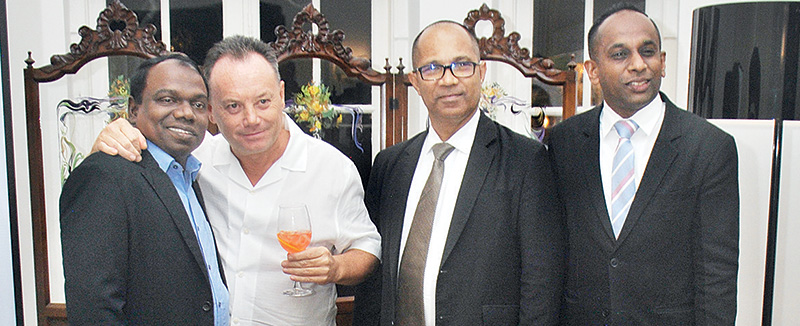
- Jesudas, chef Collavini,Travis Casather and Mahinda Wijeratne

- Barbara Troila and Italian Ambassador Damiano F rancovigh

- Janaka Fonseka and Rasika Fonseka

- Mayor Balthazar and Ambassador of Vietnam,Trinh Thi Tam

- Anika Williamson

- Alberto Arcidiacono and Amber Dhabalia
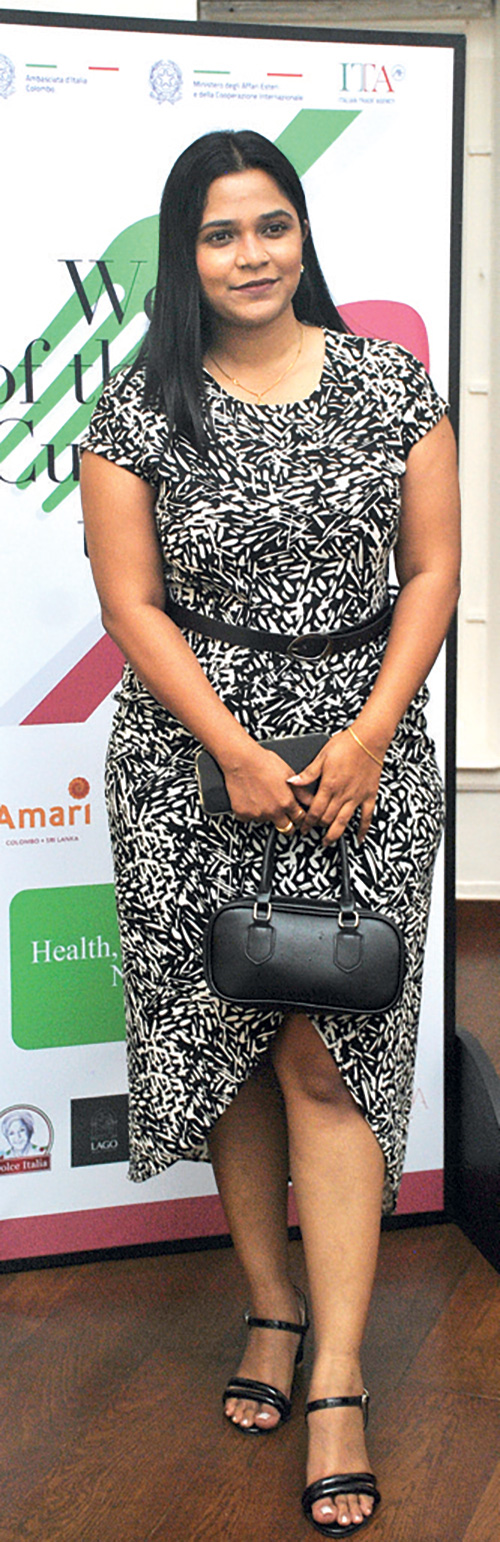
- Thrilakshi Gaveesha

- Dasantha Fonseka and Kumari Fonseka

The Body Shop marked a radiant new chapter in Sri Lanka with the opening of its boutique at One Galle Face Mall, an event that blended conscious beauty, festive sparkle and lifestyle elegance. British born and globally loved beauty brand celebrates ten successful years in Sri lanka with the launch of its new store at the One Galle Face Mall. The event carried an added touch of prestige as the British High Commissioner Andrew Patrick to Sri Lanka attended as the Guest of honour.
His participation elevated the event highlighting the brand’s global influence and underscored the strong UK- Sri Lanka connection behind the Body Shop’s global heritage and ethical values.

Chief guest British Ambassador Andrew Patrick at the Body Shop
Celebrating ten years of the Brand’s presence in the country, the launch became a true milestone in Colombo’s evolving beauty landscape.
Also present were the Body Shop Sri Lanka Director, Kosala Rohana Wickramasinghe, Shriti malhotra, Executive chairperson,Quest Retail.The Body shop South Asia and Vishal Chaturvedi , Chief Revenue Officer-The Body South Asia The boutique showcased the brand’s
complete range from refreshing Tea Tree skin care to the iconic body butters to hair care essentials each product enhancing the Body Shop’s values of cruelty ,fair trade formulation, fair trade ingredients and environmentally mindful packaging.
The store opening also unveiled the much anticipated festive season collection.
With its elegant atmosphere, engaging product experiences and the distinguished present of the British High Commissioner, it was an evening that blended glamour with conscience With its fresh inviting space at Colombo’ premier mall, the Body Shop begins a a new decade of inspiring Sri Lankan consumers to choose greener beauty.
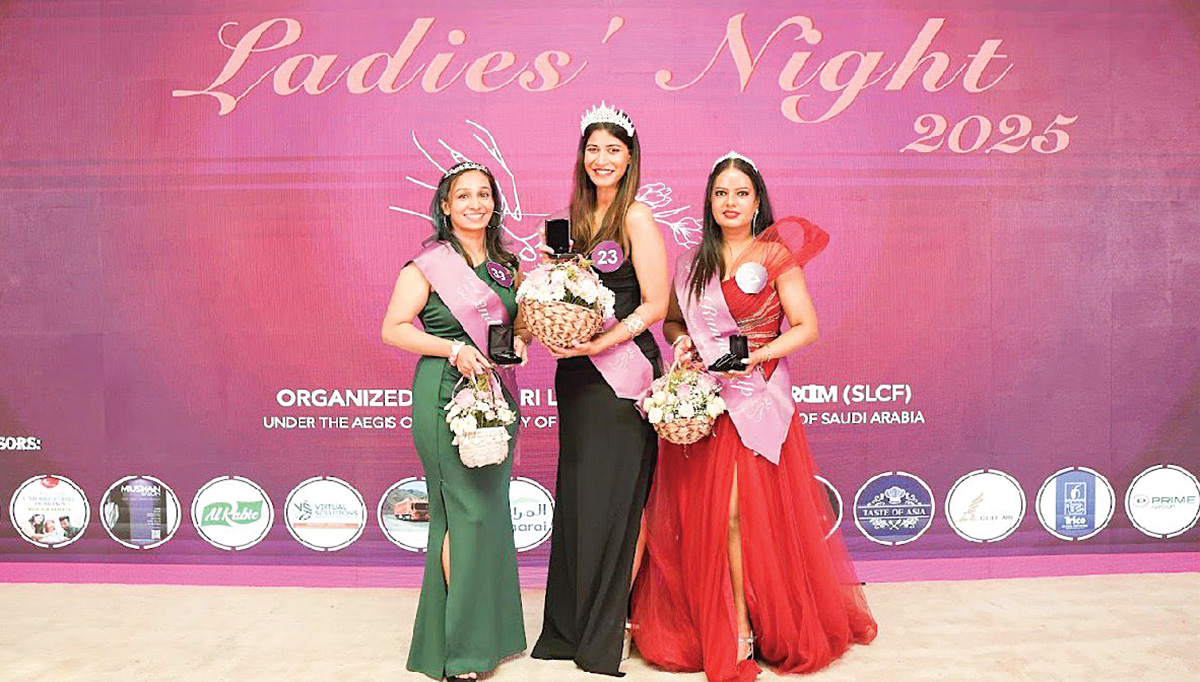
 The Cultural Forum of Sri Lanka in Riyadh, Saudi Arabia brought back Ladies’ Night 2025 on November 7 at the Holiday Inn Al Qasr Hotel. After a hiatus of thirteen years, Riyadh shimmered once again as Ladies’ Night returned – an elegant celebration revived under the chairperson Manel Gamage and her team. The chief guest for the occasion was Azmiya Ameer Ajwad, spouse of the Ambassador of Sri Lanka to K. S. A. There were other dignitaries too.
The show stopper was Lisara Fernando finalist from the voice Sri Lankan Seasons, wowed the crowd with her stunning performances. The excitement continued with a lively beauty pageant, where Ilham Shamara Azhar was crowned the beauty queen of the night. Thanks to a thrilling raffle draw, many lucky guests walked away with fabulous prizes, courtesy of generous sponsors.
The evening unfolded with a sense of renewal, empowerment and refined glamour drawing together the women for a night that was both historic and beautifully intimate. From dazzling couture to modern abayas, from soft light installation to curated entertainment, the night carried the unmistakable energy.
Once a cherished annual tradition, Ladies’ Night had long held a special space in Riyadh’s cultural calendar. But due to Covid this event was not held until this year in November. This year it started with a bang. After years Ladies’ Night returned bringing with a burst of colour, confidence and long-awaited camaraderie.
It became a symbol of renewal. This year began with a vibrant surge of energy. The decor blended soft elegance with modern modernity cascading its warm ambient lighting and shimmering accents that turned the venue into a chic, feminine oasis, curated by Shamila Abusally, Praveen Jayasinghe and Hasani Weerarathne setting the perfect atmosphere while compères Rashmi Fernando and Gayan Wijeratne kept the energy high and kept the guests on their toes making the night feel intimate yet grand.
Conversations flowed as freely as laughter. Women from different backgrounds, nationalities and professions came together united by an unspoken bond of joy and renewal. Ladies’ Night reflected a broader narrative of change. Riyadh today is confidently evolving and culturally dynamic.
The event celebrated was honouring traditions while empowering international flair.
As the night drew to a close, there was a shared sense that this event was only the beginning. The applause, the smiles, the sparkles in the air, all hinted at an event that is set to redeem its annual place with renewed purpose in the future. Manel Gamage and her team’s Ladies’ Night in Riyadh became more than a social occasion. It became an emblem of elegance, and reflected a vibrant new chapter of Saudi Arabia’s capital.
Thanks to Nihal Gamage and Nirone Disanayake, too, Ladies’ night proved to be more than event,it was a triumphant celebration of community, culture and an unstoppable spirit of Sr Lankan women in Riyadh
In every smile shared every dance step taken and every moment owned unapologetically Sr Lankan women in Riyadh continue to show unstoppable. Ladies’ Night is simply the spotlight that will shine forever .This night proved to be more than an event, it was a triumphant celebration of community, culture and the unstoppable spirit of Sri Lankan women in Riyadh.
In every smile shared, every dance steps taken and every moment owned unapologetically Sri Lankan women in Riyadh continue to show that their spirit is unstoppable. Ladies’ Night was simply the spotlight and the night closed on a note of pride!
-

- Evening glamour
-
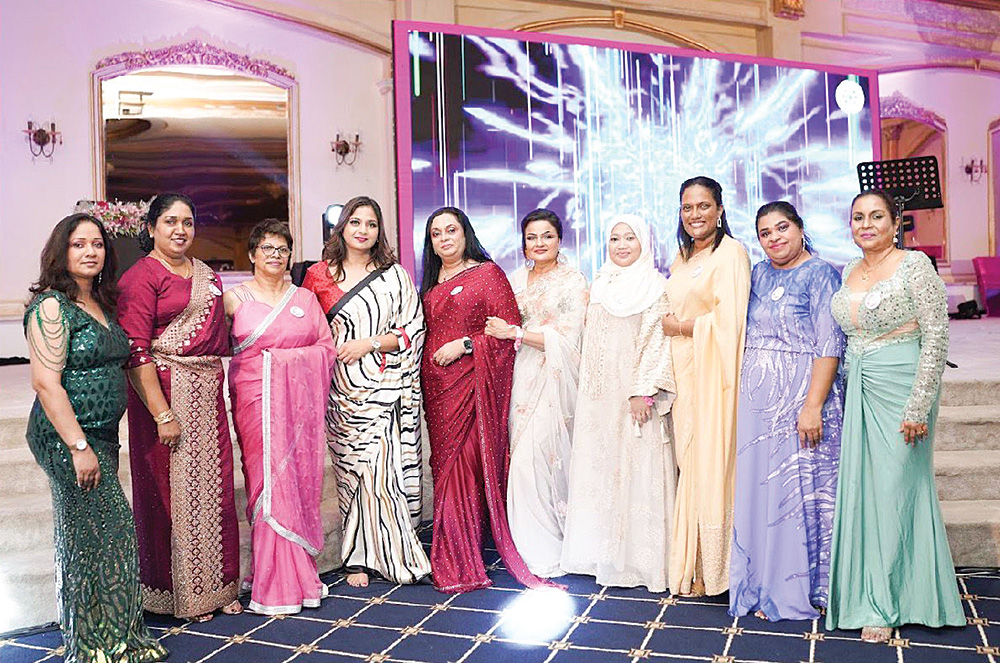
- Different backgrounds, one unforgettable evening
-

- Shamila lighting traditional oil lamp while chief guest Azmiya looks on
-

- Unity in diversity
-

- capturing the spirit of the evening
-

- Radiant smiles stole the spotlight
-

- Every nationality added its own colour and charm
-
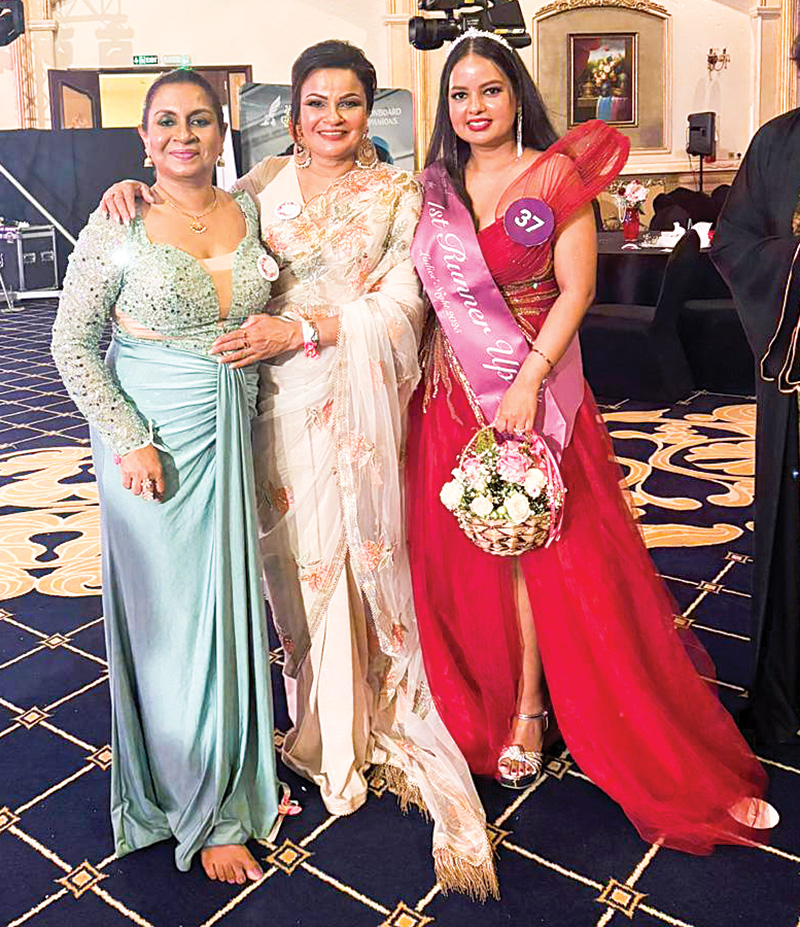
- Elegance personified
-

- Crowning the beauty queen
-
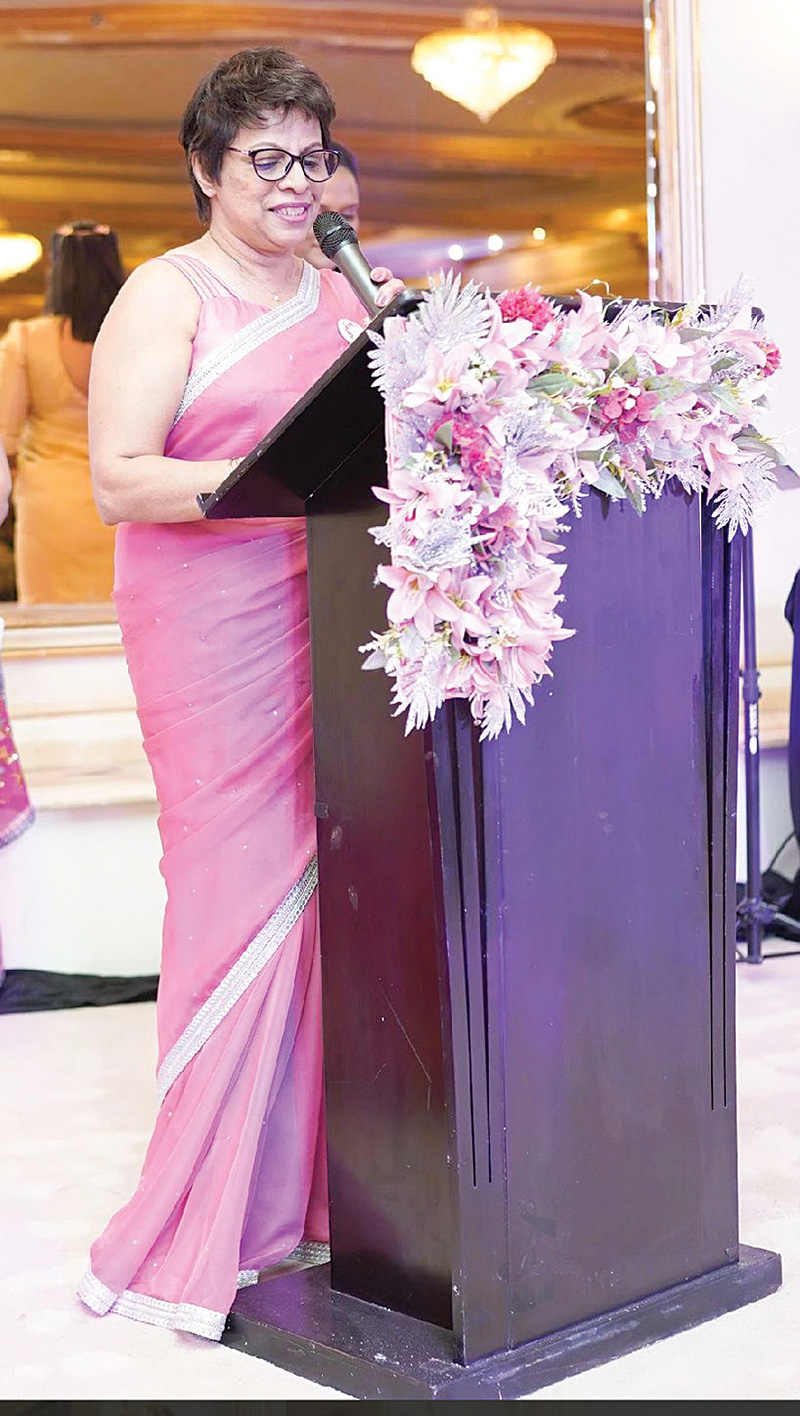
- Chairperson Manel Gamage welcoming guests
-

- Captivating performances
-

- Royal moment of poise and power
-

- Elegance and style in every form

New mpox strain identified in England

Indonesia counts human cost as more climate change warnings sounded

Powerful earthquake strikes off Japan, triggers tsunami warning

Government assures University community of support to rebuild Peradeniya stronger and safer

Thousands flee Thai-Cambodia border after deadly clashes

Henry, Santner, Nathan Smith ruled out of rest of West Indies Test series

‘Dates have the highest sugar content to fight Coronavirus’

Sunday Island 27 December – Headlines

#SundayIsland 17th December – Headlines

Sunday Island – 28th March

Sunday Island Headlines – 21 March

Sunday Island – 21st February – Headlines
-
News6 days ago
Lunuwila tragedy not caused by those videoing Bell 212: SLAF
-

 News19 hours ago
Over 35,000 drug offenders nabbed in 36 days
-
 News5 days ago
Level III landslide early warning continue to be in force in the districts of Kandy, Kegalle, Kurunegala and Matale
-
 Latest News7 days ago
Level III landslide early warnings issued to the districts of Badulla, Kandy, Kegalle, Kurunegala, Matale and Nuwara-Eliya
-

 Features7 days ago
Ditwah: An unusual cyclone
-

 Business3 days ago
LOLC Finance Factoring powers business growth
-

 News3 days ago
CPC delegation meets JVP for talks on disaster response
-
 News3 days ago
A 6th Year Accolade: The Eternal Opulence of My Fair Lady