
Business
Shopping is going to be a lot more painful in 2022


Bloomberg News The great rotation in consumer spending continues.
When the world shut down in 2020, we bought what we needed to stay home: Pelotons, pets, sweatpants and sourdough starter. In 2021, our shopping reflected reopening: We put on lipstick again, whitened our teeth and swapped loungewear for chinos and dresses. Most consumer, retail and luxury groups had a pretty good year.
But consumer sectors are now facing another shift in habits, and this one may not be as favorable.
The omicron variant is a headwind for travel, hospitality and retail. Even if the latest wave of infections peaks relatively soon, there are other perils ahead — from lockdown savings being exhausted just as prices are rising to tighter monetary policy and higher borrowing costs, something consumers haven’t had to endure for several years.
Already, the cracks are beginning to show.
Even before the surge in omicron cases, there were signs of consumers becoming more cautious. British retailer Currys Plc, for example, said demand for its electronics was weaker than expected. And amid fewer people heading into city centers and offices, famous London department store Harrods brought forward its sales from Dec. 26 (Boxing Day) to Dec. 17. Other metropolitan areas, such as New York City, have also been suffering.
But it’s not just the new variant weighing on shoppers’ minds. U.S. retail sales less than forecast back in November. True, some spending may have been pulled forward to October, when many retailers ran special offers and consumers shopped to avoid product shortages. But the real concern is that rising prices have finally begun to take their toll.
Up to now, consumers have been able to withstand accelerating inflation on everything from coffee to coffee tables. Many were flush with savings after being homebound for much of the past two years. But reopening economies drew down that cash.
And now prices are rising at an even faster clip. Most consumer-goods companies are already negotiating price hikes with retailers or will start in January. With inflation coming through in commodities from oil to packaging, that will make for some difficult conversations. It is also likely to lead to further spikes. U.S. food prices rose 6.1% in November, the highest level in 13 years. We could see a similar escalation in Europe.
Although wages are increasing too, U.S. inflation is outpacing it by some distance: The gap between the two is the biggest it’s been for more than 20 years.
Some of the caution Currys has seen may reflect a spending squeeze already under way in Britain. After all, a new laptop, iPhone or oven is a large purchase. In the U.S., Lowe’s Cos. said it expected the pandemic home improvement boom to finally wane.
Many people spent big during the pandemic, especially on new homes. This might be another source of weakness as interest rates rise. Higher borrowing costs are expected in 2022, which could lead Americans and Europeans to pull in the purse strings.
While large, expensive items may be the first to feel the pinch, other areas will eventually suffer too. Consumers have a tendency to trade down from big brands to cheaper private labels, or switch from meat to vegetable-based meals, when stressed about their wallets. Cutting back on indulgences that grew during the pandemic, such as ordering takeout, would be another way to save money.
There are some silver linings. Although the arrival of omicron is hurting travel and leisure, it may, in the short term, ease some of the forthcoming consumer pain. Working from home again means saving money on commuting and lunches out. Hopes for a “revenge Christmas” this year — going all out to make up for a bleak 2020 holiday — are already looking fragile, as some people cancel their restaurant reservations and plans to hold large gatherings.
January is always a grim month for retailers, restaurants and bars. It’s when credit card bills land and trends such as dry January and Veganuary take hold. But this year it could be even more brutal.
It’s a timely reminder that, like stocks, consumer rotations don’t only go one way. – Bloomberg


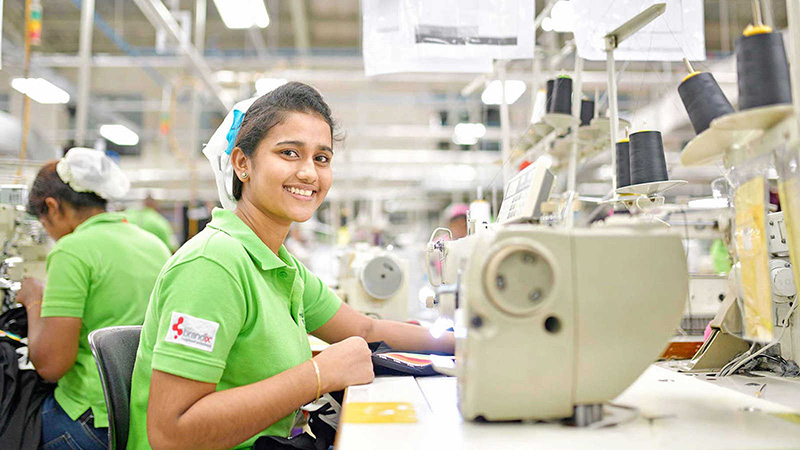
The latest Purchasing Managers’ Index (PMI) from the Central Bank suggests Sri Lanka’s economy is beginning to find its feet after a severe crisis, revealing tentative signs of hope in factories and business activity. It indicates the deepest economic pain may be over. With prices rising more slowly, families and companies are getting some much-needed relief.
The Island spoke to an independent analyst for an outside perspective. Elaborating on the report, he struck a cautious note: “Yes, the PMI sounds favourable. But no one should think the hard times are completely behind us. The road to recovery is long and full of potholes.”
“While we can hope for slow, steady improvement in coming months, major problems remain,” he continued. “The country’s massive debt is a heavy burden. Staying on track with the IMF programme requires sticking to tough reforms, which won’t be easy. Global economic uncertainty also affects our exports and even other forms of external support.”
“In short, the next phase won’t be a quick boom. It will be a time for careful repair. These small improvements are like young seedlings – they need constant care, sound policy, and continued external support to grow strong. Our task is to turn this shaky stability into a solid foundation for lasting, inclusive growth. The economy is out of emergency care, but full recovery will be a long and patient journey,” he concluded.
When asked if the current political landscape would aid recovery, he pointed to the present stability as a key advantage. “With political stability in place, the path for necessary reforms and recovery should be more navigable now than ever in the past,” he said.
By Sanath Nanayakkare

Sri Lanka Insurance Life Ltd and Sri Lanka Insurance General Ltd inaugurated their business operations for the year 2026 on 1st January at the Sri Lanka Insurance Head Office. The event was graced by the Chairman, Board members, Corporate Management, and staff of SLIC.
Parallel business launches were also conducted at branch level, with branch staff joining the head office proceedings via live stream. The day’s programme commenced with blessings observed from the four major religious faiths, symbolising unity and goodwill for the year ahead
Heralding the dawn of the New Year, SLIC brought together all 142 branches in a cohesive celebration, uniting as one family to light the traditional oil lamp. During the celebrations, the theme for SLICGL for 2026 ‘Leading the market, strengthening every step’ was officially unveiled
Celebrating 64 years of service and expertise, SLIC continues to stand as Sri Lanka’s most respected and trusted name in insurance. Over the decades, the organisation has remained at the forefront of the sector, sustaining industry‑wide growth and equity even through testing times.
The year 2025 brought many meaningful and positive achievements for SLICGL, yet it concluded with significant challenges as the nation faced the aftermath of the devastating Cyclone Ditwah. Rising to the occasion, SLICGL honoured claims and delivered timely relief, offering protection and reassurance to communities impacted by the catastrophe.
SLICGL proudly reflects on a year of remarkable achievements in 2025. The organisation was ranked
Sri Lanka’s highest-rated insurance brand as the only A+ Fitch rated insurer in the country and became the first and only insurer to surpass Rs. 30 billion in Gross Written Premium. SLICGL secured Carbon Neutral Certification, highlighting a commitment to sustainability. SLICL was also recognised as the Most Valuable General Insurance Brand by Brand Finance.
The lifting of the vehicle import ban in January 2025 helped to revitalize the automotive sector and also reaffirmed SLICGL’s role as the nation’s most trusted insurer. Stepping in to protect new vehicle owners, SLICGL strengthened its portfolio, supported national growth, and supported families and businesses to move forward with confidence.
During 2025, SLICGL continued its partnership with the Ministry of Education on the Suraksha Insurance Scheme, a national initiative aimed at securing the health and wellbeing 4.5 million schoolchildren throughout the country. The partnership provides students regardless of background, access to essential insurance coverage, safeguarding health, supporting families, and strengthening the nation’s future.
SLIGL’s mission places customers at the heart of everything it does. The organisation continues in the commitment of meeting and exceeding customer expectations through its expertise and specialised services. Aligning business strategies with this vision, SLIC delivers a superior customer experience through all touchpoints.
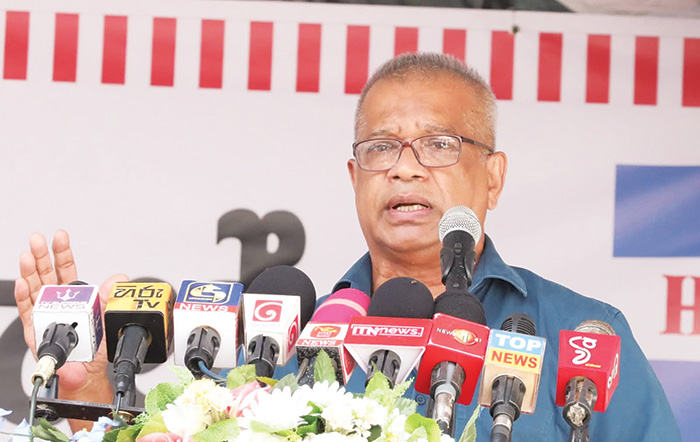
The Milk Industries of Lanka Company (MILCO) has recorded the highest profit and sales revenue in its history, driven by strong performance under the flagship Highlands brand, Agriculture Minister Lal Kantha said.
Addressing a Performance Incentive Awards Ceremony held at the MILCO Head Office in Narahenpita on December 31, the Minister said the achievement marked a decisive turnaround for the state-owned dairy enterprise, which had earlier been prepared for divestment.
“When we assumed office, MILCO was being readied for sale. Today, we have been able to rescue it and transform it into a profitable institution,” Minister Lal Kantha said. “By October 2025, the company had generated profits amounting to Rs. 1,490 million, the highest profit ever recorded in MILCO’s history.”
He noted that 2025 has also become the year with the highest sales revenue since the company’s establishment, reflecting improved operational efficiency, renewed consumer confidence and stronger market penetration under the Highlands brand.
The Minister said the government intends to ensure that the gains from the company’s financial recovery are shared across the value chain. “A portion of the profits will be distributed as incentives among dairy farmers,” he said, adding that plans are also in place to provide free life insurance coverage to 15,000 dairy farmers in 2026.
The incentive awards ceremony was organised to recognise employees who played a key role in achieving record sales targets and historic profitability, with senior management highlighting improvements in production planning, supply chain management and farmer engagement.
Minister Lal Kantha paid tribute to the dedication of the MILCO workforce, stating that the turnaround was the result of collective effort.
“This achievement belongs to everyone who worked tirelessly to restore confidence in this institution. I extend my sincere appreciation to all those who contributed to this success,” he said.
MILCO’s performance in 2025 is being viewed as a benchmark for the revival of state-owned enterprises, particularly within Sri Lanka’s agri-based industrial sector.
By Ifham Nizam

Showery condition is expected to enhance in the Eastern, Northern and Uva provinces during the coming days, due to the development of a low-level atmospheric disturbance to the East of Sri Lanka

GMOA warns of trade union action unless govt. urgently resolves critical issues in health sector

Elephant census urged as death toll nears 400

CTU raises questions about education reforms

Navy lauds foreign warships that came to assist in disaster relief ops here

It’s PC polls, stupid

‘Dates have the highest sugar content to fight Coronavirus’

Sunday Island 27 December – Headlines

#SundayIsland 17th December – Headlines

Sunday Island – 28th March

Sunday Island Headlines – 21 March

Sunday Island – 21st February – Headlines
-

 Sports4 days ago
Gurusinha’s Boxing Day hundred celebrated in Melbourne
-
 News2 days ago
Leading the Nation’s Connectivity Recovery Amid Unprecedented Challenges
-

 Sports5 days ago
Time to close the Dickwella chapter
-

 Features3 days ago
It’s all over for Maxi Rozairo
-

 News5 days ago
Environmentalists warn Sri Lanka’s ecological safeguards are failing
-

 News3 days ago
Dr. Bellana: “I was removed as NHSL Deputy Director for exposing Rs. 900 mn fraud”
-

 News2 days ago
Dons on warpath over alleged undue interference in university governance
-

 Features5 days ago
Digambaram draws a broad brush canvas of SL’s existing political situation