
Business
Samsung sets the new standard with four generations of OS upgrades


Select Galaxy users will now enjoy the latest mobile experience for longer with four generations of One UI and Android OS upgrades
Samsung Electronics today extended its commitment to delivering the most up-to-date and more secure mobile experience possible for users by offering up to four generations of One UI and Android OS upgrades on select Galaxy devices, a company news release said last week..
“This improved standard builds upon Samsung’s previous promise to provide up to three generations of upgrades and ensures millions of Galaxy users have access to the latest features for security, productivity, better usability and more, for as long as they own their device,” it said.
“Available on select Galaxy S series, Z series and A series smartphones, as well as tablets, Samsung is planning to scale this effort across its various product ranges within the Galaxy ecosystem and works closely with partners to deliver Android OS upgrades through Samsung One UI. Samsung also provides up to four years of upgrades to One UI Watch and Wear OS Powered by Samsung, ensuring that users can enjoy the latest Galaxy Watch experiences.”
In addition to offering extended One UI upgrades, Samsung will now provide up to five years of security updates to help protect select Galaxy devices. These updates — when paired with Samsung’s award-winning defense-grade security platform Samsung Knox — give Galaxy devices more secure end-to-end protection against potential security threats. On top of that, Samsung Galaxy Enterprise Edition customers will receive a one-year license for Samsung Knox Suite solutions to easily deploy and manage devices with access to a dashboard that tracks security updates and more, the release said.
Eligible Galaxy devices with four generations of One UI and five years of security updates1 include Galaxy S Series: Galaxy S22, S22+, S22 Ultra as well as Galaxy S21, S21+, S21 Ultra, S21 FE and upcoming S series devices. It also includes the Galaxy Z Series: Galaxy Z Fold3, Galaxy Z Flip3 and upcoming Z series devices.
The Galaxy A Series comprised of upcoming select A series devices and Galaxy Tablets, Galaxy Tab S8, S8+, S8 Ultra and upcoming Tab S series devices are also eligible.
Eligible Galaxy devices with up to four years of One UI Watch and Wear OS Powered by Samsung2 include: Galaxy Watch: Galaxy Watch4, Galaxy Watch4 Classic and upcoming Galaxy Watch series devices.
“We work hard to bring our Galaxy users innovative mobile experiences that are built to last. And many of our customers are choosing to keep their devices for longer, whether they love their specific smartphone model or want to help contribute to a more sustainable world,” said Kevin SungSu YOU, Managing Director, Samsung Electronics. “Today we are taking our commitment to innovation one step further with up to four generations of One UI upgrades to ensure our users enjoy the best possible mobile experience for longer.”
In Sri Lanka, Samsung has been recognized as the ‘Most Loved Electronics Brand’ for three consecutive years by Brand Finance Lanka’s review of the country’s most valuable brands. As Sri Lanka’s No.1 smartphone brand, Samsung’s customer base in the country spans across all age groups, particularly the Gen Z and Millennial segments, the release said.


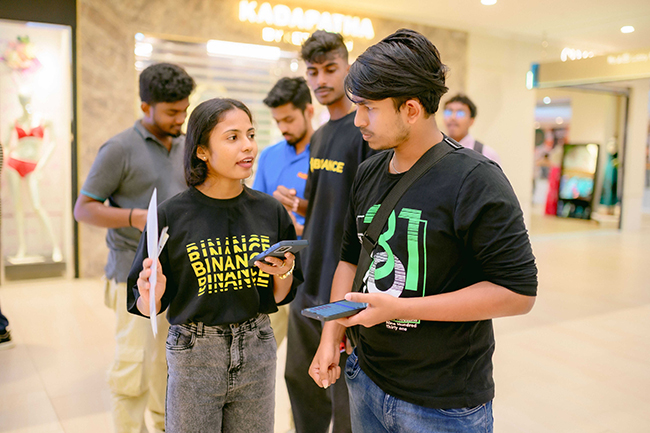
Frames crypto investing as a ‘measured journey rooted in knowledge and security’
In an industry often characterised by velocity, volatility and viral marketing, Binance’s latest community activation in Sri Lanka suggested a deliberate recalibration of its investor messaging.At its #BinanceHODLove event held at One Galle Face Mall, the world’s largest crypto exchange by trading volume chose a Valentine’s-themed slogan that stood out for its restraint: “Real Love Doesn’t Rush, Neither Should Crypto: A Valentine’s Message for Smart Investors.”
Behind the seasonal branding lies a more strategic theme – one that aligns with the crypto industry’s post-cycle shift toward compliance, literacy and risk awareness.
Sri Lanka’s retail investor base has demonstrated periodic interest in digital assets, particularly during phases of currency pressure and global crypto rallies. Yet market participation has also exposed gaps in financial literacy and susceptibility to high-yield promises.
Binance’s messaging at the event leaned heavily into investor caution. Participants were reminded to scrutinise unsolicited offers, avoid guarantees of quick returns, and protect sensitive information such as private keys and passwords. In a market where informal crypto schemes have occasionally surfaced, such emphasis reflects reputational risk management as much as community engagement.
The company also spotlighted Binance Academy, its educational platform, positioning knowledge acquisition as foundational to long-term participation in blockchain ecosystems.
While the event featured raffles and consumer electronics giveaways to drive footfall, the broader objective appeared to be brand consolidation at the grassroots level. Physical activations in high-traffic urban centres suggested a hybrid strategy: digital scale complemented by localised trust-building.
For a global exchange operating in increasingly scrutinised regulatory environments, nurturing responsible retail participation is both a defensive and expansionary move. By framing crypto investing as a “measured journey rooted in knowledge and security,” Binance is aligning itself with the industry’s pivot toward sustainability rather than speculative exuberance.
The subtext of the campaign was clear: growth in emerging markets like Sri Lanka will depend less on price momentum and more on credibility.
Binance’s Valentine’s message, therefore, may be less about romance and more about risk calibration. In that sense, the slogan captured a broader industry truth: endurance, not impulse, will define the next phase of digital asset adoption.
By Sanath Nanayakkare

Morning gains on the Colombo Stock Exchange (CSE) evaporated sharply in afternoon trade yesterday, as a wave of nervous selling swept through the market triggered by speculation that the government is mooting a fresh 10-15 percent tax on unlisted corporates. Although the proposed levy is currently targeted at entities outside the CSE purview, market participants grew wary that the measure could signal a broader shift in fiscal policy, stoking fears of future tax hikes that may eventually engulf listed companies and dent corporate earnings.
Amid those developments, the turnover was capped at a mere Rs 369 million despite fourteen crossings.
The top seven crossings mainly contributed to the turnover were Commercial Bank 1.60 million shares crossed to the tune of Rs 359.7 million and its share price traded at Rs 223, Renuka Foods 2.7 million shares crossed to the tune of Rs 179.6 million and its share price traded at Rs 63.50, LOLC Holdings 300,000 shares crossed to the tune of Rs 171.9 million and its share price traded at Rs 573, Sampath Bank 821,000 shares crossed to the tune of Rs 132 million and its share price traded at Rs 161, Commercial Bank (Non-Voting) 484,000 shares crossed to the tune of Rs 98.9 million and its share price traded at Rs 204, Sierra Cables two million shares crossed to the tune of Rs 69.6 million and its share price traded at Rs 34.80 and Citizens Developments Business Bank (Non-Voting) 200,000 shares crossed to the tune of Rs 62.9 million and its share price traded at Rs 324.
In the retail market top seven companies that have mainly contributed to the turnover were Renuka Agri Rs 1.14 billion (82.4 million shares traded), Softlogic Finance Rs 653.9 million (115 million shares traded), Sampath Bank Rs 270.8 million (1.65 million shares traded), Softlogic Capital Rs 230 million (19.3 million shares traded), JKH Rs 201 million (nine million shares traded) ,LOLC Holdings Rs 171.9 million (297,000 shares traded) and LMF Rs 171 million (1.8 million shares traded). During the day 369 million shares volumes changed hands in 39059 transactions.
It is said that banking and agriculture related companies performed well. In the banking sector Sampath Bank and Commercial Bank performed well. Further manufacturing sector especially JKH also significantly active in the market.
By Hiran H Senewiratne

The Commercial Bank of Ceylon achieved another performance milestone in 2025, becoming the first private sector bank in the country to expand its loan book beyond Rs. 2 Tn., with a growth of Rs. 541 Bn. over 12 months at a monthly average of over Rs. 45 Bn., demonstrating its commitment to national economic resurgence.
Recording the highest annual loan growth in absolute terms in the history of the institution, the Bank said gross loans and advances for the year ending 31st December 2025 grew by 36.37% to Rs. 2.028 Tn., taking total assets to Rs. 3.258 Tn. This reflected an increase of Rs. 468 Bn. or 16.78% and demonstrated more than double the growth recorded in 2024. The Bank’s net assets value per share improved to Rs. 198.30 from Rs. 170.94 at end 2024.
Deposits grew by 16.65% or Rs. 372 Bn. over the 12 months to end the year at Rs. 2.6 Tn., reflecting an average deposit growth of over Rs. 30 Bn. per month despite relatively lower interest rates, the Bank said. The CASA ratio of the Bank, which is considered to be the industry’s best, stood at 39.65% from 38.07% as at 31st December 2024.
Sharhan Muhseen, Chairman of Commercial Bank said: “We remain focused on the fundamentals that sustain shareholder value: earnings resilience, balance sheet strength, disciplined risk management and a strategy that is responsive to evolving customer and market needs. Our 2025 performance affirms the value of that focus.”
Sanath Manatunge, Managing Director/CEO of Commercial Bank said: “In 2025, we proved that scale and discipline can move together, growing lending and accelerating digital activity while strengthening asset quality and balance sheet resilience.”
In a filing with the Colombo Stock Exchange (CSE) the Bank said it recorded gross income of Rs. 354.81 Bn. for the year ending 31st December 2025 reflecting growth of 13.70% over the normalised figure for 2024, after adjusting for the impacts of restructuring of Sri Lanka International Sovereign Bonds (SLISBs) accommodated in that year, in order to avoid potential distortion of growth figures. Net gains / (losses) from derecognition of financial assets in the Income Statement for 2024 (as reported) included a derecognition loss on restructuring of SLISBs amounting to Rs. 45.108 Bn.

“We welcome investors and tourists visiting Sri Lanka who contribute to strengthening economic and cultural ties”– PM

A ‘delicate’ balance for Canada and a ‘win-win’ for Modi as Carney visits India

Pakistan face stiff but straightforward equation for semi-final qualification

Chief Sanghanayaka of Sabaragamuwa Province felicitated

Fair weather, except for showers in the Kaluthara, Rathnapura, Galle and Matara districts after 2.00 p.m.

Sajith raises fresh concerns over toxic pollutants emanating from burning of substandard coal

‘Dates have the highest sugar content to fight Coronavirus’

Sunday Island 27 December – Headlines

#SundayIsland 17th December – Headlines

Sunday Island – 28th March

Sunday Island Headlines – 21 March

Sunday Island – 21st February – Headlines
-

 Features6 days ago
Why does the state threaten Its people with yet another anti-terror law?
-
 Features6 days ago
Reconciliation, Mood of the Nation and the NPP Government
-

 Features6 days ago
Victor Melder turns 90: Railwayman and bibliophile extraordinary
-

 Features5 days ago
LOVEABLE BUT LETHAL: When four-legged stars remind us of a silent killer
-

 Features6 days ago
Victor, the Friend of the Foreign Press
-
 Business5 days ago
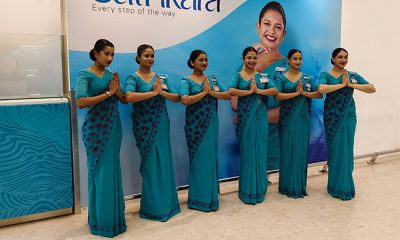
Seeing is believing – the silent scale behind SriLankan’s ground operation
-

 Business5 days ago
Bathiya & Santhush make a strategic bet on Colombo
-

 Features6 days ago
Barking up the wrong tree