
News
Platform for greater citizen engagement and effective action on illegal environmental activities to be introduced

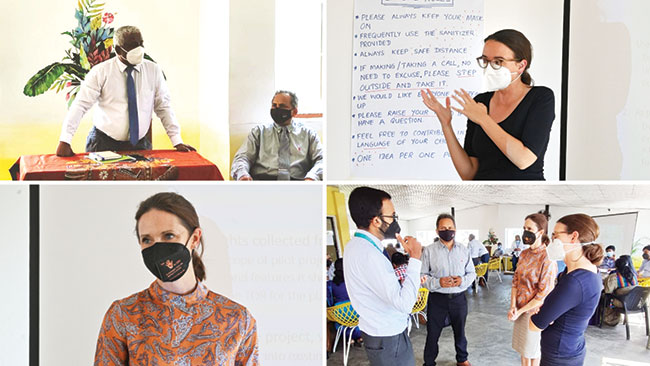
In the face of illicit deforestation, degradation of wetlands, and illegal wildlife poaching and trade, Sri Lanka has seen increased community involvement and engagement, despite the ongoing pandemic. While current official mechanisms for citizens to lodge complaints have room for improvements in transparency to the public, there is also an absence of an integrated government-mandated platform that could expand civic space to allowing for meaningful community engagement and vigilance around such issues, said a release by the nited Nations Development Programme (UNDP) in Sri Lanka,.
To this end, the ‘Digital Citizen Engagement for the Prevention of Illicit Environmental Activities’ initiative has been launched by the UNDP in Sri Lanka, in collaboration with the Ministry of Wildlife and Forest Conservation, the Citra Social Innovation Lab, and the Centre for Environmental Justice (CEJ). The initiative is supported through UNDP’s Global Project – Anti-Corruption for Peaceful and Inclusive Societies (ACPIS) funded by Norad, the Norwegian Agency for Development Cooperation.
The first co-design workshop for the digital citizen engagement initiative took place recently with the presence of representatives from 16 Government institutions, including the Ministry of Environment, Ministry of Agriculture, Department of Forest Conservation, the Department of Wildlife Conservation, Sri Lanka Customs, and the Environmental Protection division of the Police, among others. The workshop recognized that, apart from improvements in the mechanisms through which citizens can lodge complaints, a core issue lies in a lack of an integrated system that would allow relevant government institutions to coordinate and communicate, in order to tackle illegal activities.
Speaking at the co-design workshop facilitated by the Citra Social Innovation Lab, Somaratne Vidanapathirana, Secretary, Ministry of Wildlife and Forest Conservation expressed that “it is timely that UNDP initiated this conversation, in order to take this first step towards reducing corruption and illegal activities within the environmental sector.”
Initial plans around the design of this citizen engagement platform focused on facilitating three key outcomes; firstly, citizens can take the initiative and report against harmful environmental practices, contributing towards crowdsourcing data while allowing status updates of their complaint. Secondly, officials can obtain the information required to address such concerns and also record and inform other officials from other relevant institutions of complaints that come to their attention, in order to ensure that the complaint is duly addressed with all relevant officials and institutions coming in when required. Lastly, citizens can easily obtain information on existing environmental legislation and Standard Operating Procedures (SOPs).
Commenting on UNDP’s role and Citra’s expertise, Malin Herwig, Deputy Resident Representative, UNDP in Sri Lanka stated that “it was encouraging to see officials from a variety of institutions coming forward to work collectively to find solutions to protect the wildlife and forests of Sri Lanka that people would actually use.”
Speaking on behalf of Norway’s role as donors and collaborators for this initiative, through Norad, Hilde Berg-Hansen, Deputy Head of Mission at the Norwegian Embassy of Sri Lanka, thanked UNDP Sri Lanka and the Citra Social Innovation Lab for their role in this initiative, and highlighted that “the most important aspect will be making sure that the platform in its final form is accessible to communities”.
It is also envisaged that this new solution will contribute towards crowdsourced data around environment-related issues, allowing researchers to access data that may contribute to evidence-based environmental policymaking, as well as contribute towards the collection and compilation of data related to the Sustainable Development Goals, specifically SDG 15.

Latest News
Expedite the cleaning of Colombo’s canals and drainage systems within the next two weeks – PM instructs officials

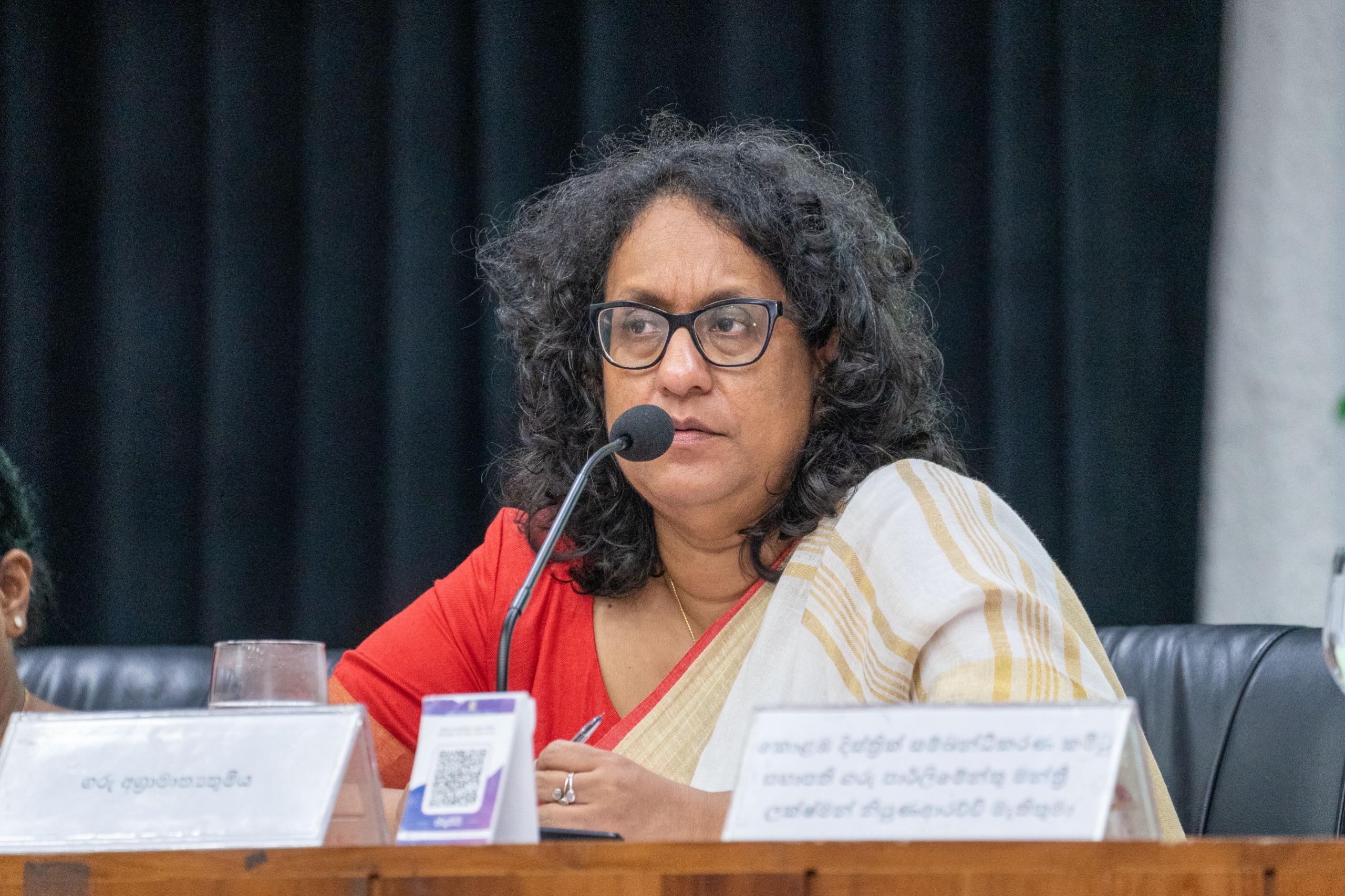
[Prime Minister’s Media Division]
Approval has been granted at the Cabinet meeting held on 22.07.2024 to publish the draft bill of State Assets Management Act in the government gazette notification and thereby present it to the Parliament for its concurrence.
However, the draft bill couldn’t be passed in Parliament as a result of the Parliament being dissolved in the month of October 2024.
Thereafter, the draft bill was subject to further inspection by a
committee appointed which comprised of officials and authorities on the subject.
The said Committee has recognized the amendments to be made and a fundamental draft has been prepared including the proposed amendments.
Accordingly, the Cabinet of Ministers approved the resolution furnished by the President in his capacity as the Minister of Finance, Planning and Economic Development to suspend further activities regarding the draft bill of State Assets Management Act published in the extraordinary gazette of 02.08.2024, and to direct the Legal Draftsman to prepare a draft bill based on the fundamental draft prepared by the subject specialists’ committee.
Considering the compliance of the Cooperative Societies’ operations with the concurrent socio – economic circumstances as well as the changes in the common law, the requirement of amending the Cooperative Employees Commission Act No. 12 of 1972 has been recognized.
A fundamental draft including proposed amendments based on the experience gained by that Commission as well as the opinions and proposals of Cooperative societies, their director board members, cooperative employees and other interested parties has been prepared.
Accordingly, the Cabinet of Ministers granted approval to the resolution furnished by the Minister of Trade, Commerce, Food Security and Cooperative development to provide instructions to the Legal draftsman to prepare a draft bill to amend the Cooperative Employees Commission Act No. 12 0f 1972, based on the said fundamental draft.

Missiles intercepted near Riyadh after Saudi coalition hits Yemen fuel depot

MI5 chief warns of threats to UK from Russia, Iran and AI

Pope diagnosed with lung cancer but had successful surgery, Vatican says

Expedite the cleaning of Colombo’s canals and drainage systems within the next two weeks – PM instructs officials

Kusal Mendis’ unbeaten 87 hands Sri Lanka consolation win

Cabinet approves redrafting of State Assets Management Act

‘Dates have the highest sugar content to fight Coronavirus’

Sunday Island 27 December – Headlines

#SundayIsland 17th December – Headlines

Sunday Island – 28th March

Sunday Island Headlines – 21 March

Sunday Island – 21st February – Headlines
-

 Features6 days ago
The Sri Lankan who made Scottish history
-

 Sports6 days ago
Nissanka absence opens door for Sri Lanka’s young guns
-

 News5 days ago
NDB fraud Rs 60mn more than reported
-

 News7 days ago
Gnansara Thera to be assigned to prison printing section: Officials
-

 News5 days ago
Removing monk’s robes matter for Sangha to decide: Mahanayake Theras
-
 News7 days ago
OIC of FCID summoned before Maligakanda Magistrate
-
 News6 days ago
Shiranthi R remanded until 13 Oct.
-

 Features6 days ago
Future of Sri Lanka’s state university system: Should it be shut down and reopened?