
Life style
Paws and hands in harmony

With incidents of animals being tested positive for COVID-19 both locally and in various parts of the world, there is a discourse and public anxiety about potential animal to human and human to animal transmission of the virus. We spoke to several authorities committed to animal welfare and virology to find answers and to dispel unnecessary fears.
by Randima Attygalle
The 14-year-old African Lion, ‘Thor’ of the Dehiwala Zoo, gifted by a zoo in Seoul, was reported to be having severe respiratory signs including breathing difficulties and a nasal discharge. Its loss of appetite and lethargy further worried keepers. On an official request made by the Director (Animal Health and Nutrition), Department of National Zoological Gardens, Department of Medical Microbiology of the Faculty of Medicine, University of Kelaniya tested the nasal swab specimens of the sick lion for COVID-19. Fecal samples of the infected animal were sent to the Molecular and Nutritional Biochemistry Laboratory (MNBL) at the Faculty of Veterinary Medicine and Animal Science, University of Peradeniya. Both laboratories confirmed the lion to be COVID-19 positive. This is the first known case of an animal contracting COVID-19 here at home.
The lion was confirmed COVID-19 positive according to the criteria of the World Organization for Animal Health (OIE), Prof. N.P Sunil-Chandra, Virologist and Chair of Medical Microbiology from the Faulty of Medicine, University of Kelaniya told the Sunday Island. “The nature of a specimen, whether it is human, animal or of environmental origin, is not going to alter the result. Hence COVID-19 PCR procedure adopted for the respiratory samples of the infected lion was the same as that which is used for human samples,” he said.
While veterinarians and other staff of the Dehiwala Zoo have been tested, further investigations, assisted by zoo authorities, are being carried out to identify the exact source of infection in the lion. Asymptomatic human infection is a very likely source for the infection in the lion, he said.
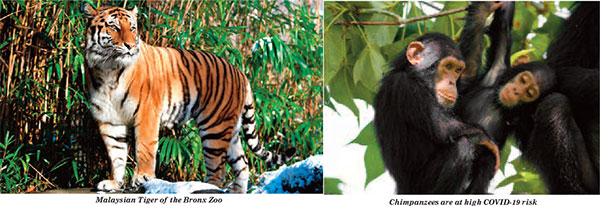
“Asymptomatic human infection was incriminated as the source infection in the case of a COVID infected four-year-old Malaysian tiger in the Bronx Zoo, USA which was reported in March last year. Infected pet cats have also been reported in Belgium, Hong Kong, USA and Brazil but there is not enough evidence to change the current opinion of the OIE that neither cats nor dogs appear to be able to pass the virus to people,” the senior professor said.
 SARS CoV-2 infections in minks in the Netherlands and in Denmark have been reported in close proximity to a region with high incidence of COVID-19 in humans. A mutation of the SARS CoV-2 virus in a mink in Denmark and one of the variant was found in several people, he explained.
In 1918 the world experienced its worst flu outbreak (commonly called the Spanish flu) due to an influenza virus type A strain H1N1 which emerged in birds infected a third of the world’s human population killing over 50 million people. Three more influenza pandemics followed: in 1957 ‘Asian’ flu (A-H2N2), in 1968 ‘Hong Kong’ flu (A-H3N2) and the 2009 ‘swine’ flu (A-H1N1). “Although milder than the 1918 pandemic, these highlight the constant threat of es to human health.
Emergence of SARS CoV-2 virus in 2019 which led to the current COVID-19 global pandemic further highlights the threat of emerging zoonotic virus infections,” observed Prof Sunil-Chandra. He elaborated on the importance of working on ‘One Health’ concept (the collaborative efforts of multiple disciplines working locally, nationally and globally, to attain optimal health for people, animals and the environment) when confronted with emerging zoonotic infections such as COVID-19.
“Climate changes and deforestation affect animal reservoirs of viruses and due these adverse effects animal migration leads to increased interactions in the animal-human interface. This could spread viruses to new locations and across a wider range of domestic and wildlife species including birds and bats.”
‘Spillover events’ from wildlife via vectors or domestic animals are the starting points for many outbreaks, from influenza to HIV and from SARS to COVID-19, pointed out the Virologist. “Therefore, it is natural to have misconceptions among people with pandemic stress about how new diseases jump from animals to human. Although it is theoretically possible that the virus can be transmitted from an infected animal to human, todate there is no evidence for SARS CoV-2 transmission from animals to humans. Mink is the only animal known to have passed the coronavirus to humans, except for the initial spillover event from an unknown species in China.”
According to the OIE, there is no evidence that cats or dogs spread the disease to humans bit it recommends that sick persons with COVID-19 should avoid contact with pets, including petting, cuddling, being kissed or licked, and sharing food, in order to protect their pets during the time of their illness.
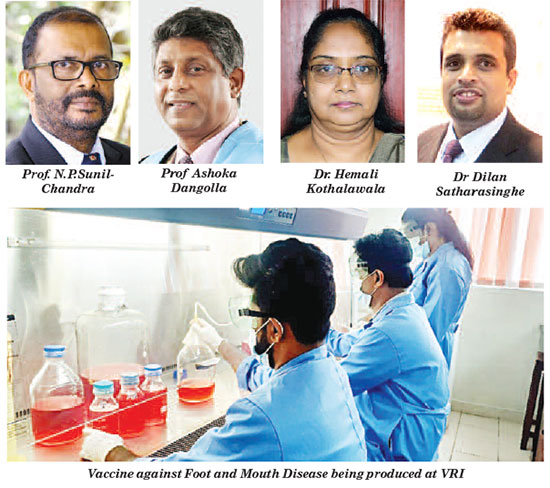
Gorillas and chimpanzees are identified as animals that are at very high COVID-19 risk, pointed out Prof. Ashoka Dangolla, Senior Lecturer in Veterinary Clinical Studies from the Faculty of Veterinary Medicine and Animal Science, (FVMAS) University of Peradeniya. Felines such as domestic cats, tigers and lions are at a medium risk he said. “Veterinarians are very familiar with other animal Coronavirus infections in cats. This has been so for several decades. Feline infectious peritonitis is one such condition with respiratory signs in cats. But we must keep in mind that COVID-19 is a novel Coronavirus (SARS CoV-2) which has the ability to mutate into new variants. Therefore, all possible precautions must be taken while extending love and compassion to our pets.”
Since it is known that cat family members can contract the disease from symptomatic and asymptomatic parties, it is advisable to keep away from them if you are COVID-19 positive or suspected of it, Prof. Dangolla advises. “Cats cannot, according to available information, infect humans. But if you do find your cat having respiratory symptoms, it’s always advisable to take the cat to a vet in the area.”
Care should also be taken not to feed monkeys and to dispose of our waste in an irresponsible manner, the senior veterinarian warns. Dogs are of low risk for developing COVID-19. “So far, COVID- 19 positive dogs have not been reported in Sri Lanka though we test all dogs that are being brought into the country for COVID-19. If a household dog shows respiratory signs such as difficulty in breathing, best advice is to show it to a vet.”
Susceptibility of dogs, pigs and elephants to COVID-19 is low whilst ferrets, mink, mice and rats have very low susceptibility, says the veterinarian. Birds have never been reported to be COVID positive. COVID positive Asian elephants have been documented in India, therefore it is advisable not to go near captive elephants if a person is COVID positive or asymptomatic he notes. “If an infected (symptomatic or asymptomatic) person gets close to a healthy elephant, closer than two meters, the elephant may get infected, but there is no report to say that elephants infect people. Sheep, cattle and even dolphins can get infected but they are at medium risk.”
Since our local vets have been working with Coronavirus and the Sri Lanka Veterinary Research Institute has been producing several vaccines against viruses in animals, we can have some hope that the vets would produce a vaccine against COVID in animals if a need arises, says Prof Dangolla.
The Molecular and Nutritional Biochemistry laboratory of FVMAS, University of Peradeniya conducts tests to detect COVID-19 and the presence of SARS-like viruses in animals. Since September, 2020, the lab had been offering services to the Department of Animal Production and Health (DAPH) to screen hundreds of animals for COVID-19 infection that came into the country. These came as pets through the Animal Quarantine Department at the Bandaranaike International Airport (BIA) which operates under DAPH said Dr. Dilan Satharasinghe, Senior Lecturer from the Department of Basic Veterinary Sciences, FVMAS, University of Peradeniya.
“We have also screened mangroves and toque monkeys as a part of a surveillance programme implemented via DAPH in collaboration with the Wildlife Department and it is an ongoing process,” he said. DAPH and Animal Quarantine Division at the BIA screen all animals coming into the country for COVID-19 infection. Samples are referred to the Molecular and Nutritional Biochemistry laboratory and upon the confirmation of negative results, animals are released to the owners.
The Department of Animal Production and Health (DAPH) implements disease control programmes mainly through Directorates of Animal Health and Veterinary Research. The DAPH has strong structure throughout the country with 26 Regional Veterinary Investigating Centres (RVICs), one located in each district. The disease control programmes are implemented by its islandwide network of 337 Government Veterinary Offices (GVOs) which come under nine Provincial Departments of Animal Production and Health (PDAPH). The central Veterinary Investigating Centres and the technical divisions of Veterinary Research Institute (VRI) provide referral diagnostic facilities for Regional VICs and GVOs in managing diseases.
Curative and Preventive measures are carried out by the DAPH and PDAPH. Disease investigations, epidemiological studies, surveillance programmes and vaccination programmes are being carried out in managing viral diseases.
Animal Disease Act No.59 of 1992 stipulates that no person can import any animal or animal related product without the permission of the Director General of Animal Production and Health. “This provision is to prevent the entry of any exotic disease to the country. Accordingly, animals, animal products, veterinary products and biological imports are controlled by the DAPH by issuing pre- clearance approval for such imports,” said the Director General of Animal Production and Health, Dr. Hemali Kothalawala.
Quarantine stations are established in ports of entry such as Katunayake, Colombo, Mattala and Jaffna to control imports through air and sea passage. Animal entry is permitted based on negative test certificates of certain given diseases and in high-risk situations animals are being quarantined for a number of days at the quarantine stations or on-farm, explained Dr. Kothalawala. “Apart from these routine protocols, today a COVID-negative certificate is mandatory when importing any animal to the country.”
The Animal Disease Act also requires the Director General of Animal Production and Health to take action to control animal disease spread in the country. Today DAPH has established a diagnostic facility with animal specific RT-PCR antigen kits and an Epidemiological Survey is planned to uncover the factors associated with the COVID-19.
The Veterinary Research Institute (VRI), of DAPH has a long history of vaccine production in Sri Lanka. VRI produces several viral vaccines and bacterial vaccines for the livestock sector in the country. Among the viral vaccines, the most important as Dr. Kothalawala explained, is the one for Foot and Mouth Disease (FMD) which causes severe milk production drop in cows when infected. The vaccine which was first produced locally in 1964 is now developed using the latest technology to enhance the immune duration and its shelf life. “Presently, 50% of the country’s requirement is produced within the country. Recently approved project on FMD control is planning to expand the capacity by two-fold by end of the next year,” Dr. Kothalawala said.
A viral vaccine for goat Contagious Pustular Dermatitis (CPD) which causes severe production loss and kid mortality is also being produced at the VRI. It also produces a live viral vaccine for New Castle Disease which causes a very high death rate among chicken. While a newly invented vaccine with oil adjutant to give lifelong immunity in birds is ready to release for the industry another vaccine is being produced by VRI as well as Veterinary Investigation Centres for warts in cattle, she noted. Several bacterial vaccines are also being produced at the VRI for deadly diseases in cattle and poultry. A vaccine for tick fever which causes severe economic losses in milk production especially in high producing animals such as cattle and buffalo is also being produced at the VRI.



Cinnamon Life that has re-defined Colombo’s skyline added another accolade to its journey as it officially received its five star certification placing it among the most distinguished luxury properties in Sri Lanka’s hospitality landscape.
Receiving the five star classification is a significant achievement for any hotel but Cinnamon Life – the flagship of Sri Lanka’s most ambitious integrated lifestyle development, the accolade carries exceptional meaning. The recognition follows a rigorous evaluation of service standards,facilities,and operational excellence,underscoring the property’s commitment to delivering world class guest experiences
– Cinnamon Life at City of Dreams has been officially awarded the esteemed Five-Star Certification by the Sri Lanka Tourism Development Authority (SLTDA), underscoring its status as a landmark in Sri Lanka’s hospitality landscape and a benchmark for excellence in the region.
As South Asia’s largest and first fully integrated resort, Cinnamon Life at City of Dreams represents a transformative investment in Sri Lanka’s tourism and leisure economy. Developed by John Keells Holdings PLC with a historic USD 1.2 billion investment – the largest private development in the country – the resort has reshaped Colombo into a premier destination for luxury travel, entertainment, world-class events, and international business.

The team marks a major milestone with the property’s five star accreditation
A hallmark of the property is its extensive event and convention infrastructure, featuring over 160,000 sq. ft. of versatile, high-spec event space. With five signature ballrooms, cutting-edge technology, and three exceptional outdoor venues offering panoramic views of the ocean and the Colombo skyline, Cinnamon Life has established itself as an unrivalled hub for global conferences, high-profile celebrations, and corporate gatherings for both local and international travellers.
“We are deeply honoured to receive this Five-Star Certification from the Sri Lanka Tourism Development Authority,” said Sanjiv Hulugalle, CEO and General Manager of Cinnamon Life at City of Dreams. “This recognition reflects our unwavering commitment to world-class service, guest centric innovation, and the elevated experiences that define Cinnamon Life. Our aspiration is to set new standards for luxury, leisure, and MICE tourism in the region, while supporting Sri Lanka’s positioning on the global stage.”
The Five-Star Certification further cements Cinnamon Life at City of Dreams as one of Sri Lanka’s foremost luxury destinations. With its two luxury hotels, curated signature dining concepts, immersive entertainment arenas, and a vibrant retail and lifestyle precinct, the resort offers an unparalleled blend of hospitality, lifestyle, and experiences under one iconic address.
The certification was presented at Cinnamon Life, attended by senior leadership from SLTDA and Cinnamon Life, members of the hospitality industry, and media representatives. The event celebrated this milestone achievement and marked a significant step forward in elevating Sri Lanka’s luxury hospitality offering.
About City of Dreams
City of Dreams is Sri Lanka’s largest and most ambitious integrated resort, redefining Colombo’s skyline as a symbol of modern luxury and innovation. Designed as a “city within a city,” the destination offers 800 luxury rooms and suites, with 687 at Cinnamon Life and 113 at NUWA, complemented by a diverse selection of 13 restaurants and bars that showcase global cuisines alongside Sri Lanka’s rich culinary heritage. Adding to its appeal is a vibrant mix of high-end retail, Sri Lanka’s premier entertainment arena, a shopping mall, office towers, and luxury residences. This integrated ecosystem enables delegates to stay, work, meet, dine, shop, and celebrate seamlessly under one roof, delivering unmatched convenience and engagement.

Tiesh jewellery , announced a meaningful partnership with the Infinite Grace Foundation Sri Lanka, an organisation dedicated to transforming lives through love, dignity, purpose, and long-term social impact.
This collaboration marks a significant milestone as two Sri Lankan entities join hands to address some of the country’s most urgent and overlooked challenges, including mental health, drug addiction, prisoner rehabilitation, anti-human trafficking awareness, and the empowerment of estate communities.
Founded on the belief that “Every life deserves to be seen and loved,” the Infinite Grace Foundation symbolises hope, transformation, and inclusion. The Foundation works to extend a lifeline to those often ignored or marginalised, ensuring they are reminded that they are valued, loved, and never alone.
Their vision is deeply aligned to create a Clean Sri Lanka—not only in its physical environment, but in its hearts, minds, and communities. Through systemic intervention, awareness, and rehabilitation, the organisation aims to restore dignity, provide second chances, and help individuals reclaim their potential.
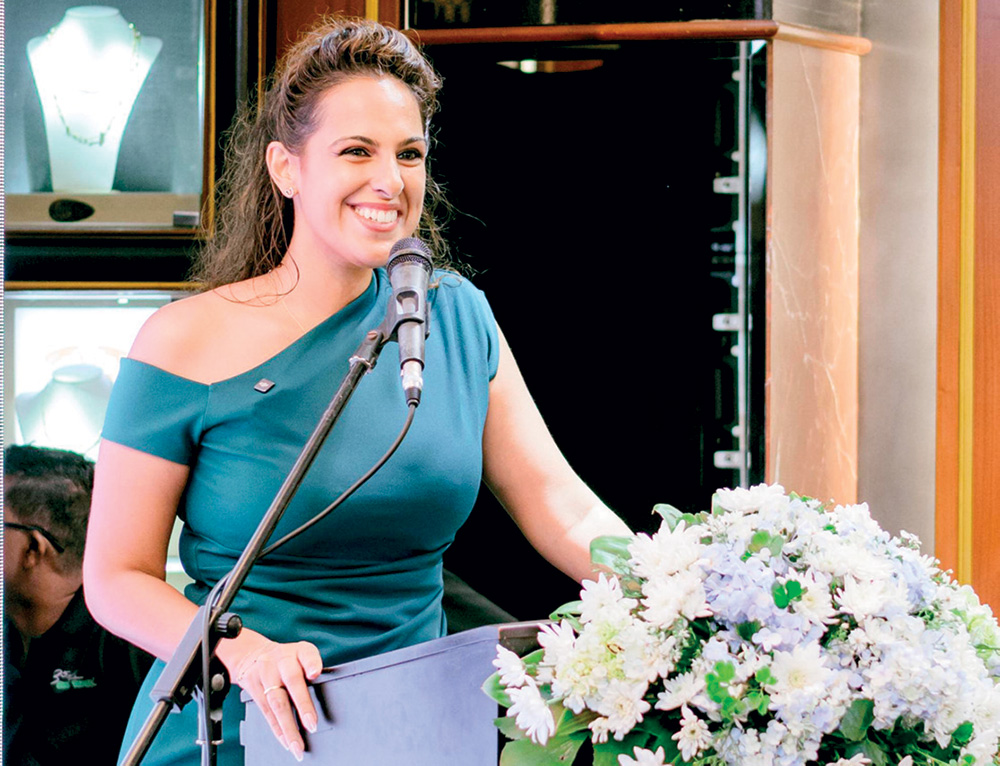
Stephanie Siriwardhana, Founder of the Infinite Grace Foundation and Brand Ambassador for Pure Gold by Tiesh
As part of its awareness and empowerment initiatives, Infinite Grace Foundation has launched the “I See You” campaign—an effort to recognise, support, and uplift individuals who have long been overlooked. Through this campaign, the foundation aims to promote year-round advocacy, encompassing mental health support, panel discussions, and collaborations with organisations and hotlines that support vulnerable groups across the island.
In support of this meaningful initiative, Tiesh has designed an exclusive jewellery collection created with intention and purpose. All proceeds from the collection will be donated directly to the Infinite Grace Foundation. The range features intricately crafted earrings, pendants, chains, rings, and more for women, as well as bracelets, cufflinks, lapel pins, and rings for men. Offered in diamonds, as well as gold and silver, each piece carries a profound message—that every life deserves to be seen, acknowledged, and loved.
With a legacy spanning more than two decades, Tiesh founded by Lasantha and Bryony De Fonseka, has become synonymous with innovation, excellence, and artistry in Sri Lanka’s jewellery landscape. Today, the family-run business is led by the next generation, with Directors Ayesh De Fonseka and Thiyasha De Fonseka continuing to uphold the brand’s commitment to integrity, community, and craftsmanship.
Stephanie Siriwardhana, Founder of the Infinite Grace Foundation and Brand Ambassador for Pure Gold by Tiesh, expressed the impact of this partnership: “This collaboration is special in many ways, and I’m truly grateful that a prestigious jeweller like Tiesh cares about communities that are often unseen—such as prisoners and estate workers. When you change one life, you change a family. When families transform, communities transform, and soon you change the nation. This initiative comes from a personal place. Many people struggle to ask for help, including myself. Through the ‘I See You’ campaign, we aim to provide support, raise awareness, and offer year-round mental health programs, alongside organisations and hotlines that are equipped to help victims and individuals in need. This partnership with Tiesh will be deeply impactful.”
The work of the Infinite Grace Foundation spans multiple critical pillars, including prison reforms, addiction rehabilitation, community education, vocational training, anti-human trafficking awareness, and mental health destigmatisation—all designed to create long-term, sustainable change across Sri Lanka.
Reflecting on the significance of the collaboration, Director of Tiesh, Ayesh De Fonseka, added, “Helping the community is rooted in our beliefs and upbringing. This partnership presented a meaningful opportunity to give back and support an important cause. We believe in second chances, and many individuals need guidance, care, and the opportunity to rebuild their lives. We are honoured to donate all profits from this collection. In the future, we hope to extend support further by offering job opportunities—whether in jewellery craftsmanship, box making, design, or other livelihood pathways.”
Through this partnership, Tiesh and Infinite Grace Foundation reaffirm their shared commitment to building a Sri Lanka where hope thrives, opportunities are equitable, and transformation is within reach for all.
For those wishing to support this initiative or explore the special collection, please visit the Tiesh showroom at 253 R. A. De Mel Mawatha, Colombo 03, or follow Tiesh on social media for updates and campaign information.
Cyclone Ditwah carved a trail of devastation as it roared across many regions, unleashing a deluge that transformed the entire towns into destruction. This is one of the most unforgiving storms in recent years – bringing torrential rains, violent winds and a trail of destruction that left thousands displaced in a matter of hours. Homes swept away, roads disappeared and families were forced to flee.
Yet beneath the chaos and loss, a quiet resilience emerged, communities rallied, rescue teams worked around the clock to restore roads, relocate displaced families and ensure the safety of the tourists.
Now with waters slowly receding, the full story of Ditwah’s impact is only a beginning to unfold – a story of heartbreak, survival and the long road to rebuilding.
Cyclone Ditwah delivered a sharp blow to the tourism sector within hours and days, disrupting travel routes, damaging coastal routes, and forcing authorities to reassess visitor safety. as hoteliers,tour operators,and government agencies worked round the clock to stabilise operations.The industry soon reassured global travellers that the island remains open and resilient.Rescue teams were deployed immediately, working around the clock to evacuate families and restore essential services.
While several areas experienced significant damages, authorities assured that key tourism zones remain safe and operational.
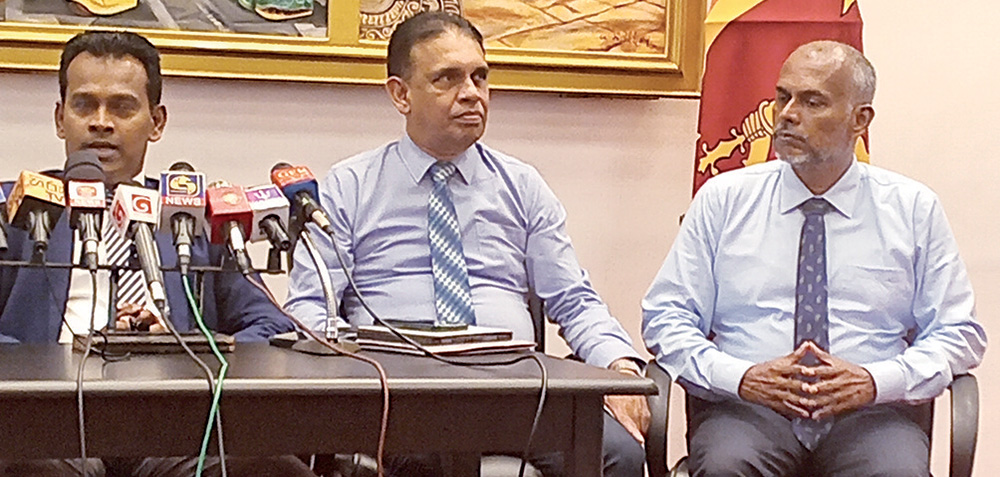
 A press conference was summoned by the Ministry of Tourism and Foreign affairs, last week bringing together top officials, media and other hospitality partners to address growing public concern,assure international travellers and outline the immediate steps taken to ensure safety across all tourist zones. The Deputy Minister of Tourism, Professor Ruwan Ranasinghe and Chairman of SLTPB, Buddhika Hewawasam stepped forward to present a clear,unified message that Sri Lanka remains safe, prepared and committed in protecting the visitors. They calmed anxieties,dispelled myths,rumours and dispelled misinformation and revealed the coordinated efforts of the government to keep the hospitality industry unshaken.
Tourism authorities pointed out even in the aftermath of Ditwah,the arrival of the cruise ship sent a powerful message. the ship’s docking underscored that Sri Lanka is safe . The arrival of this luxury cruise liner carrying hundreds of international passengers, was part of a regional voyage from Mumbai to Singapore. This was a symbolic moment unfolding at the harbour, it was a glimmer of hope in a week overshadowed by stormy clouds. The Tourism authorities reflected this arrival as a sign that confidence in Sri Lanka had not lost hope and showed Sri Lanka is steady,ready,and open.
The Deputy Minister of Tourism Professor Ruwan Ranasinghe in a speech marked by confidence and determination said. “Our teams have worked round the clock to ensure safety, restore access routes and support our travellers”.
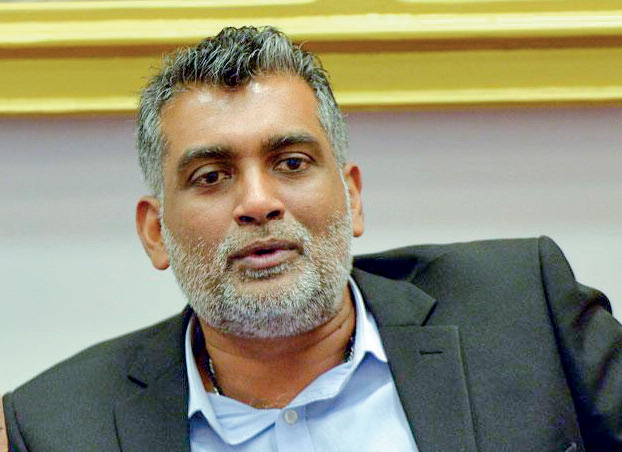
SLTPB Chairman, Buddhika Hewawasam
Today I assured every traveller Sri Lanka is safe, Sri Lanka is open, and Sri Lanka is ready. He confirmed that all major coastal resorts from Negombo to Bentota remain fully operational. Cultural destinations such as Kandy, Dambulla, Kandy,Sigiriya, are now open. He further noted that national parks,including Yala, Udawalawe,Wilpattu had returned operations following rapid assessments. Our key tourist zones are open,accessible and operating under verified safety conditions. He assured that every tourist in the island was safe,
He praised the rescue teams who had worked round the clock, cleaning roads, supporting displaced families and ensuring tourism infrastructure remained intact. To the world I say please come visit, and explore. Our island stands tall and more ready than ever to welcome you. This is not just recovery, he concluded,this is resilience in action. Finally he stressed that Sri Lanka’s tourism sector had demonstrated structural resilience,operational continuity and readiness to maintain international confidence.
The Chairman of the SLTPB Buddika Hewawasam also briefed the media on the ongoing relief operations. He acknowledged the sharp blow and destruction but underscored the country’s resilience. We want to assure travellers that Sri Lanka remains safe. Our teams are on the ground, our infrastructure is being restored and our hospitality sector stands ready to welcome visitors as recovery unfolds.
He said “New the waters have receded, and Sri Lanka is ready to welcome the world. Cyclone Ditwah swept through the island with devastating force, but in its aftermath, a story of resilience, beauty and unwavering hospitality has emerged – one that travellers are invited to witness firsthand”.
For travellers, this is a chance to experience a Sri Lanka that is vibrant and sparkling with life where cultural heritage, natural beauty and warm hospitality blend. Cyclone Ditwah may have left a mark, but it could not dim the island’s radiance.
The Tourism sector is preparing to move forward with renewed emphasis on resilience, safety and rebuilding confidence among international travellers. Sri Lanka has weathered the storm and the world is already sailing back to its shores.

Flood warning issued to the Mahaweli River Basin

200 km of the 340 km of damaged electric fences in the Polonnaruwa Wildlife Zone Reactivated

Zelensky appeals to EU leaders facing crunch decision on Russia’s frozen cash

Australian PM announces crackdown on hate speech after Bondi shooting

Conway 178* and Latham 137 grind West Indies to dust in Mount Maunganui

Australia have the urn in their sights as England self-destruct again

‘Dates have the highest sugar content to fight Coronavirus’

Sunday Island 27 December – Headlines

#SundayIsland 17th December – Headlines

Sunday Island – 28th March

Sunday Island Headlines – 21 March

Sunday Island – 21st February – Headlines
-

 Features5 days ago
Why Sri Lanka Still Has No Doppler Radar – and Who Should Be Held Accountable
-

 Features7 days ago
Ditwah: A Country Tested, A People United
-

 News15 hours ago
Pakistan hands over 200 tonnes of humanitarian aid to Lanka
-

 News7 days ago
Rs 1. 3 bn yahapalana building deal under investigation
-

 News15 hours ago
Pope fires broadside: ‘The Holy See won’t be a silent bystander to the grave disparities, injustices, and fundamental human rights violations’
-

 Business7 days ago
Fluctuating fortunes for bourse in the wake of selling pressure
-

 Opinion7 days ago
Comfort for some, death for others: The reality of climate change
-

 News7 days ago
Former SAARC SG Esala Weerakoon calls for ‘South Asian Climate Compact’