
Features
Managing Food crop pests without compromising yield and environment


By DR. Chandrasiri Kudagamage
Insect pests cause substantial damage to our food crops. Insecticides are normally applied to combat them. However, dependency solely on insecticide for pest management has resulted in various undesirable environmental and human health problems. Human health is affected by the consumption of food with insecticidal residues. Also, the destruction of friendly insects such as pollinators, predators and parasites, is among some of environmental effects of indiscriminate use of insecticides. Long-term persistence of some chemicals in the environment and frequent exposure to these chemicals may also result in different forms of cancers. Sri Lanka ranks very high as regards pesticide-related health hazards and around 20,000 poisoning cases are reported per year and of them 1,600 are fatal. Seventy percent of them were related to suicide. (Registrar of Pesticide)
With the development of herbicide resistant crops like soya bean, corn and wheat the use of total weed killer glyphosate has increased and become most widely used herbicides in history. Farmers, in 2014, sprayed enough of the chemical to cover every acre of cropland in the entire world with nearly a half- pound of the herbicide, according to a 2016 study published in Environmental Sciences Europe. With this intensity of use glyphosate is likely to cause problems and as a result, this herbicide is being increasingly scrutinised for human health impacts. Scientists say it also could be altering the wildlife and organisms at the base of the food chain.
DDT was a widely used insecticide during post world war times. The popularity of this insecticide was due to it less acute toxicity. However, it was subsequently known that this insecticide accumulated in the fat layer of fish and mammals. It was banned in 1970s in our country. However, the use of insecticides continued and many farmers believed chemicals are important input for reducing yield losses.
Undesirable effects of chemicals came to be realised worldwide shortly after the wide use of agro-chemicals in post-world war times. Famous environmentalist and a marine biologist by profession, Rachel Carson in her book, ‘Silent Spring 1962’ highlighted the bad effects of indiscriminate use of chemicals. This inspired grass root environmental movements and others to highlight these effects in various forums. Carson did not anticipate a total ban on pesticide. However, she predicted consequences of over use of chemicals on biodiversity and target pests developing pesticide resistance etc. This led to establishment of environmental protection agency(1970) by an executive order from US President Richard Nixon. The purpose of this agency was to protect human health and environment. Similar legislature also being adopted in our country. The pesticide law 33 of 1980 was enacted to regulate import, manufacture, distribution and use of agro-chemicals in Sri Lanka.
Alternative Approach
To address the above issues new concept of pest management popularly known as Integrated Pest Management or IPM was launched and it evolved into an Eco-friendly and economical pest management tool. This approach has been recognised as a policy for the management of pests by successive governments. However, enough funding in the form of manpower, funding for conducting research, laboratory and analytical facilities has been limiting. This has slowed the progress of IPM in pest management in several crops.
The primary objective of IPM is to develop an economical eco-friendly pest management package where pesticides are used as the last resort when other control measures fail and the pest population exceed a certain threshold called the economic threshold. IPM integrate well with other available control methods and can be applied to any ecosystem such as crop based, home garden, greenhouses and domestic pest control.
Following globalisation and transboundary movements of food and with the increase of demand for diverse food, there has been a concern for contamination of food with various pathogens and chemical residues. Hence agriculture practices need to be introduced to minimise these effects. Recently-introduced Good Agriculture Practices (GAP) fulfil this requirement and goes beyond the scope of IPM.
IPM has various components such as mechanical control (use of bags for fruit fly control), use of resistant varieties, biocontrol (use of predators, parasites and microorganism) and legislative and quarantine (banning of imports from infested country).
IPM experience with major food crops
There are about five or six major insect pests in our staple crop rice. These pests infest different stages of the crop. Among the pests, rice brown planthopper (BPH) and rice gall-midge play an important role causing low to high of damage depending on the prevailing climate. Due to the cultivation of resistant varieties the incidence of rice gall-midge was very low compared to the times when susceptible varieties were cultivated. With respect to rice brown planhopper , the first resistant variety was introduced to farmers in 1980s. Although resistant varieties are ideal as an insect management method, evolution of new strains that can attack these resistant varieties remain a problem. This has happened with respect to gall-midge resistance where resistance broke down in rice varieties cultivated in the 1980s. However, rice breeders and entomologists were able to introduce a new resistant variety by 1984. There are reports of breaking down of this resistance in the recent times. This indicates importance of constant attention in monitoring resistance, management of resistance and finding new sources of resistance. The availability of molecular genetic tools make it easy for the incorporation novel forms of resistance, which is more stable.
The pests that attack at the seedling stages such as thrips are best approached by following correct planting time as heavy infestation is observed in late planted crop. With respect to rice bug which infest crop after flowering, use similar planting time in a Yaya, weeding around the bunds before weeds flower are important non-chemical methods
Although IPM in rice is fairly successful, it is not widely applied in vegetables and other crops. A study conducted by the Department of Agriculture (DOA) in four major vegetable growing Districts in Sri Lanka showed that 85% of farmers in the Badulla District applied pesticides to their crops before the appearance of any pests or symptoms. In the Nuwara-Eliya District this was recorded at 66%. This shows that chemical controls are used even before pest damage has exceeded economic threshold levels and the use of pesticides as a precautionary measure has become common.
Cucurbit fruitfly and melon fly infestation is the most common limiting factor in the cultivation of cucurbit crops for local consumption and export. The melon fly lays eggs deep inside the fruit. The emerging larvae feed inside the soft tissue. This results in fruit dropping and decay. The larvae pupate in soil. Insecticide control is difficult since larvae feed inside the fruit and avoid direct contact with insecticide. In the export consignment, if a single larva is present the whole consignment can get rejected. Therefore, alternative control strategy based on IPM concepts are required. There are several strategies such as bagging of fruits, collection of crop residues and decaying and fallen fruits into a black polythene bag which help to destroy the larvae due to heat developed inside the bag. Together with these cultural methods, application of protein bait is an innovative approach to control this pest. The female flies are attracted to protein substance and consumption of protein help to mature their eggs. Proteinous material prepared from locally available substances are mixed with soft insecticide and applied to leaves instead of fruits. To reduce the amount of insecticide used application to few spots of the crop is sufficient to reduce the female melon fly population. For more effective results these IPM methods need to be applied on wide area basis such as Yaya or cropping area.
Mealy bug was reported to infest papaya fruits in different parts of the country in the late 1980s. This insect is a invasive pest rapidly infesting many species crops. However, main host is papaya. Due to its rapid multiplication rate and wide host range insecticide control is not successful. In other countries where this insect was found, the population of mealy bug is kept at lower level because of the action of the predators and parasite. DOA has already released a effective parasite obtained from United State Department of Agriculture’s Animal and Plant Health Inspection Service parasite rearing facility, in areas where this pest was found.
In Dec. 2018, another pest Fall Army Worm was observed infesting maize in all major maize growing areas. It was also found to infest sugar cane. This pest is native to America. Outside its native habitat it was first found in Central and Western Africa in 2016, and then quickly spread to sub Saharan Africa and in 2018 it was reported from many Indian states. It is a good example of trans boundary movement as the adult moth is capable of flying hundred of kilometres per night. Also, in the absence of native parasites and predators, other control methods based on IPM concepts need to be developed. Initially, experience of small farmers of South America, where the pest is endemic will be valuable tool for the development of control methods. However, research and farmer awareness programme is of paramount importance to develop more realistic management programme for this new pest.
Taking IPM into farmers’ fields
Many believe the concepts developed in IPM is too complex for the average farmer to understand because it involves counting, record keeping and various calculation for economic threshold determination. Hence, farmers need to be introduced to simpler approach to study the crop growth, pest infestation and natural enemy abundance. This is achieved by a group-based learning process. This is known as the Farmers’ Field School. According to this method around 20- 25 rice farmer groups collectively, study the progress of their crop from establishment to harvesting. For this farmers meet together once a week and observe their fields and share their experience with respect to growth of the crops and those factors that limit the growth including the action of pests, and abundance of natural enemies, etc. Depending on the outcome of the observation of their fields, decision will be taken to take action if the pest population grows up. This is a learner centred process where the agriculture instructor is only a facilitator. The impact of this programme was felt by the increases in yield, reduced insecticide use and favourable bio-diversity factors like abundance of predators and parasites.
Apart from government extension, NGOs such as Sarvodaya, CARE and Sri Lanka Red Cross have provided their support on IPM by conducting training programmes on IPM, but, focusing mainly on paddy.
Pesticide Management
A comprehensive pesticide control procedure in the form of pesticide law 33 of 1981 is in existence in the country, but enforcement is low due to several reasons. Often advice regarding pesticide selection was given by the pesticide seller in the village. As a result farmers may select the wrong pesticide, Over use of pesticide is common. They do not use correct dose and dilution. Often they apply pesticide even before appearance of the pest. Also, they do not follow correct post harvest interval. Although, provisions are available to mitigate these shortcomings via the pesticide law, the best way to tackle is through farmer training based on a good extension program.
Under the pesticide law, every product imported to the country has to be registered. Further field monitoring and enforcement of correct use, laboratory testing for quality and residues, imports regulations in the form of banning and restricting the pesticide are carried out. Over the years, the use of WHO Class1 pesticides has been prohibited and these products banned.
Instead of conventional pesticide, there are several specific pesticide registered in the country having low toxicity to humans. Some of these products affect insect hormone system and hence specific to them. Also, available in the market are several neem based botanical pesticide which are effective particularly on caterpillar pests. Additionally, there are bacterial insecticides which result in gastric problems in insects. Insect become sick and die when they consume leaves treated with these insecticide. These insecticides act on few species of insects and easily break down when exposed to light and other environmental factors. Hence, these products are not very popular with farmers although they are safe and environmentally friendly. For these specific pesticides, there are opportunities for use in home gardens and in greenhouses
Future development and promotion of IPM
There are several shortcomings in the development and implementation of IPM. There is a dearth of trained extension workers to deal with large number of farmers involved in crop production. To address this issue, leader farmers can be trained in IPM methods and they can be used to train other farmers in a Yaya or in a village. The government extension workers can be facilitators in this training programme as explained above with respect to Farmers’ Field School method of training. However, more intensive training programme for extension workers covering many aspects of IPM and successful experience of IPM particularly from rice IPM programme needs to be integrated into their training curriculum. Farmer field school programme has been adopted in many countries the world over and the knowledge is shared in the form of reports, videos, manuals, field guides and podcasts. Hence there is lot of avenues to incorporate relevant information in the training curriculum of the extension workers in our country.
Consumer awareness of environmental and health hazards of pesticides and particularly of the persistence in the environment needs to be created to reject food contaminated with pesticides. For this facilities for pesticide residue analysis needs to be improved.
Field demonstration of IPM methods with the involvement of researchers, extension workers and farmers needs to be established. By following IPM methods used in these demonstration, farmers can pick up the most appropriate IPM methods to test in their fields. More investment is needed to promote innovative research such as melon fly control as explained above. Participatory IPM trials and development of simplified IPM packages for major pests and diseases are also necessary for popularising IPM among farmers.
Globalisation of trade and travel, and introduction of improved planting materials can cause accidental introduction of pests. Papaya mealy bug and fall army worm are recent examples of such pest introduction. Facilities available at the plant quarantine station need to be improved for identification of pests of quarantine significance.
There is also an increasing interest in utilising information technology in agriculture to help extension advisers and other intermediaries in delivering up to date information to farmers to manage their crops. Development Mobile Apps that work offline for early warning and surveillance of pests helps farmers make quick decisions for the management of pests.
Author is Former Entomologist, FAO Rice IPM project’s Research coordinator, Director Horticulture Research and Development Institute and Director General Department of Agriculture


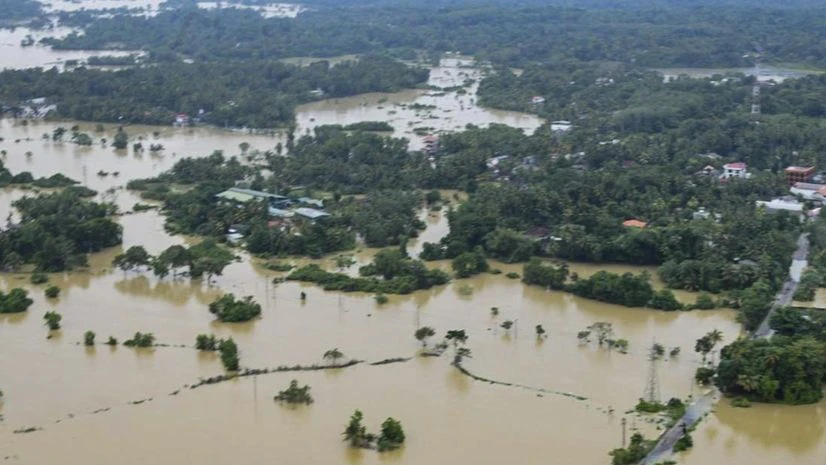
When Cyclone Ditwah roared across the island on November 27 and 28, 2025, it left behind a landscape scarcely recognisable to its own inhabitants—homes reduced to rubbles, vital infrastructure torn apart and entire communities engulfed by floodwaters that surged with terrifying speed. The storm’s ferocity carved deep scars into the island’s social and economic fabric, displacing thousands and severing lifelines that families had relied upon for generations. In its aftermath, the air hung heavy not only with the scent of mud and debris, but also with a palpable collective grief—a profound sense of loss etched on every face. As of December 9, the day of writing, the death toll had reached 635, with an additional 192 individuals reported missing. In Kandy alone, one of the most severely affected districts, 234 lives were lost. Island-wide, 12,123 families—amounting to 1,776,103 people—were displaced.
As a small island situated in the monsoon-fed waters of the Indian Ocean, Sri Lanka has long lived in intimate coexistence with hydro-meteorological hazards. For centuries, the monsoon winds that swept across the island brought not only life-giving rains to nourish paddy fields, forests, and communities, but also shaped the rhythms of daily life, agriculture, culture and even the island’s civilisation itself. Yet this same monsoon—when delayed, intensified, or disrupted—has had the power to unsettle entire ways of life and inflict widespread human suffering. Over generations, communities learned to read the sky and the sea, developing localised knowledge systems and adaptive skills to cope with the uncertainties of winds and waves. This reservoir of traditional wisdom fostered a form of social resilience deeply embedded in the island’s cultural fabric. At present, however, this traditional resilience is increasingly tested by the new realities of climate change and the growing frequency of severe cyclones.
When Cyclone Ditwah struck on November 27, 2025, it unleashed a force so violent that it reshaped many districts within hours, leaving behind a trail of destruction that stretched as far as the eye could see. Whole neighborhoods were crushed under winds that tore roofs from their foundations, while surging floodwaters swept through villages, carrying away homes, livelihoods, and the fragile sense of security people had built over generations. Roads lay fractured, communication lines collapsed, and families found themselves cut off in pockets of isolation marked by debris and despair. In the storm’s wake, the silence was haunting—broken only by the cries of survivors searching for loved ones and the distant hum of rescue teams navigating the ruins. The scale of the devastation was overwhelming, a human and infrastructural tragedy so profound that it demanded not just an emergency response, but a coordinated, compassionate, and deeply human-centered approach to crisis management.
The most devastating natural disaster Sri Lanka has experienced in recent history remains the 2004 Indian Ocean tsunami, which claimed over 35,000 lives and displaced nearly a million people. Sweeping across two-thirds of the nation’s coastline—more than 1,000 kilometers—it affected approximately 234,000 families and destroyed over a million houses. More than two-thirds of the country’s fishing fleet was obliterated. Beyond the immense human suffering, the tsunami exposed profound gaps in preparedness and underscored the urgent need for a systematic, coordinated approach to disaster risk management.
Over the last decade, Sri Lanka has increasingly confronted hydro-meteorological hazards driven by the accelerating impacts of climate change. Cyclones such as Roanu (2016), Mora (2017), Burevi and Amphan (2020), and Yaas (2021) highlight the growing frequency and severity of extreme weather events. According to the Sri Lanka – Disaster Management Reference Handbook, Cyclone Roanu brought the highest recorded rainfall in more than 18 years, triggering floods in 24 of the country’s 25 districts. Covering 1,400 square kilometers, the flooding affected nearly half a million people and inflicted damages estimated at US$600 million. Just a year later, Cyclone Mora caused severe flooding across 15 southern districts and unleashed landslides that further compounded human and infrastructural losses.
These climate-induced pressures have been accompanied by increasingly destructive monsoon-related disasters. In May 2016, the Aranayake landslide wiped an entire village off the map, killing 144 people, leaving 96 missing, and rendering hundreds homeless as their dwellings were buried under rubble. The following year, unprecedented monsoon rains caused flash floods and landslides that killed more than 210 people and displaced 630,000 across 15 districts. Subsequent monsoon seasons delivered similar devastation: in 2018, floods and landslides resulted in 24 deaths and affected 170,000 people; in 2019, heavy rains left 16 dead and displaced more than 7,000. Even in 2020, despite the successful evacuation of more than 75,000 residents ahead of Cyclone Burevi—an example of improved preparedness—post-cyclone flooding still affected over 100,000 people and destroyed or damaged nearly 4,000 homes.
Compounding this pattern of extreme rainfall and flooding is the paradoxical increase in drought conditions, another manifestation of climate variability. The worst drought in four decades struck between October 2016 and October 2017, affecting 2.2 million people across the North Western, North Central, Northern, and Eastern Provinces. From March to May 2020, another severe drought impacted more than 500,000 individuals in 14 districts, forcing the government to implement emergency drinking water distribution across six provinces. These cycles of excess and scarcity are further aggravated by the seasonal rise in vector and rodent-borne diseases—most notably dengue fever and leptospirosis—adding another layer of complexity to Sri Lanka’s disaster management landscape.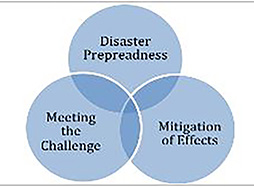
Societal Resilience in Disaster Management
As these converging crises demonstrate, Sri Lanka’s vulnerability to climate-driven disasters is no longer episodic but structural—woven into the lived reality of communities across the island. Yet amid repeated cycles of loss and recovery, what stands out most is not only the scale of devastation but the remarkable capacity of ordinary people to adapt, support one another, and rebuild their lives. This enduring strength points to a deeper truth: effective disaster management cannot rely solely on institutions or technologies; it must draw upon—and reinforce—the social resilience embedded within communities themselves.
Having lived under the influence of monsoons for generations, traditional communities developed sophisticated knowledge and skills to cope with nature’s unpredictability. Long before formal disaster management systems existed, villagers relied on environmental cues and collective action to prepare for seasonal threats. In the upstream and valley areas of the Kalu Ganga, for example, older generations still recall how communities repaired boats and rafts through shramadana well before the rainy season began. They observed the behavior of birds, animals, and changes in wind patterns to decode early warning signs that modern meteorology would later confirm.
Such practices demonstrate that traditional communities were not merely passive recipients of natural hazards; they were active interpreters of their environment. Their resilience stemmed from a deep ecological intimacy, a lived knowledge system refined through experience. Today, there is immense value in unpacking this traditional knowledge and synergising it with modern technology—not to romanticise the past, but to strengthen contemporary preparedness.
The Role of Community and the Political Domain
Building societal resilience requires more than cultural memory; it demands structured collaboration between communities and the political system. While communities are often the first responders in any disaster, the political domain plays a crucial role in mobilising, legitimising, and coordinating their efforts. Transforming political will into national will requires an organic articulation between civil society and political leadership—a partnership where both domains reinforce one another rather than operate in isolation. Within this broader framework, disaster management encompasses three equally critical components:
Disaster Risk Management
In each of these, the state has a vital role—from policy formulation to resource allocation, coordination, and accountability. Yet, the effectiveness of state-led initiatives ultimately hinges on the strength of the relationship between institutions and the communities they serve.
Beyond Culture: Technology and Institutions as Pillars of Resilience
While socio-cultural resilience forms an indispensable foundation, it is no longer sufficient on its own, given the scale and complexity of contemporary climate-induced hazards.
Modern disaster risk management relies on a robust interface between technology, institutional networks, and community participation. Advanced and accessible communication technologies—early-warning systems, mobile alerts, satellite data, and community-level dissemination platforms—play a crucial role in transforming timely information into effective action.
But technological tools reach their full potential only when supported by strong institutional structures, in both formal and informal, capable of mobilising people and resources rapidly and equitably. Thus, societal resilience can be understood as a system supported by three interdependent pillars.
Societal Resilience
When these elements function in harmony, the collective capacity to withstand and recover from disasters is significantly enhanced. Ultimately, social resilience is not merely the ability to endure shocks—it is the ability to recover with dignity. A humane disaster management system recognizes the agency, knowledge, and lived experiences of affected communities. It integrates cultural wisdom with modern capabilities, fosters trust between citizens and institutions, and ensures that every step of the disaster cycle reflects empathy, inclusion, and respect. 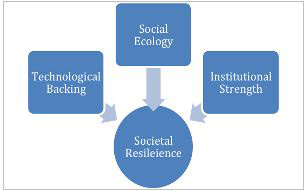
Immediate Community and Government Responses to the Crisis
Within ten days of the Ditwah disaster, the Sri Lankan government succeeded in rapidly mobilizing the security forces, key institutional structures, political leadership, and community organisations to confront the crisis. Given the scale and depth of the devastation, meeting the challenge and mitigating its effects seem to be a formidable task. The armed forces and government departments, supported by unaffected communities, provided exceptional assistance to meet the initial challenge. People in the South—often guided directly or indirectly by local political/community leadership—volunteered in large numbers, travelling to the hills to support recovery efforts. Much of the initial work of clearing debris and cleaning homes was carried out through community participation. Infrastructure repairs, particularly the restoration of roads, water supply, and electricity, were undertaken through coordinated action by relevant government agencies who worked tirelessly day and night. As a result, nearly 80 per cent of essential infrastructure was restored within ten days, with the exception of the severely damaged railway network, which requires longer-term reconstruction.
In the immediate aftermath, the government declared a nationwide state of emergency under the Public Security Ordinance, enabling the rapid deployment of resources across sectors. Through the Disaster Management Centre (DMC) and relevant ministries, authorities activated emergency operations: evacuation orders were issued in high-risk flood and landslide zones, shelters were established across the country, and search-and-rescue missions commenced immediately after landfall.
Concurrently, the government announced a comprehensive relief and recovery package. Affected households received allowances for cleaning and resettlement, support for temporary accommodation, and financial assistance for the repair or reconstruction of damaged homes. Immediate access to financial resources—including a Rs. 30 billion contingency allocation that did not require prior parliamentary approval—enabled swift implementation. The declaration of this extensive and unprecedented relief package played a key role in restoring hope and strengthening the self-confidence of affected communities.
Recognizing the magnitude of the crisis, the government established a special recovery fund that brings together public and private sector contributions to support long-term reconstruction, infrastructure repair, and livelihood restoration. Involving prominent private sector leaders—including those who are not aligned with the ruling administration—alongside government officials and key ministers is intended to build trust within the business community and reinforce transparency in the fund’s management. The substantial international assistance received and pledged reflects a renewed confidence among external partners in the government’s ability to manage funds transparently and ensure that aid reaches intended beneficiaries. Sri Lanka further collaborated closely with international and humanitarian agencies to scale up multi-sector support. Organizations such as the World Food Programme (WFP), International Organization for Migration (IOM), and World Health Organization (WHO) mobilized food, water, medical supplies, shelter materials, and rapid-response teams—often in coordination with government efforts—to reach displaced persons and vulnerable populations, particularly in remote and landslide-prone areas.
During this ten-day period, the President personally attended the district coordinating committee meetings in all cyclone- and flood-affected areas. These meetings brought together political leaders—both from the ruling party and the opposition—along with key administrative officers and representatives from the relevant line ministries to review disaster response, mitigation measures, and recovery needs. The manner in which the President raised issues, sought clarification, and directed action demonstrated a high level of preparation and a clear understanding of the scope and complexity of the damage. His engagement signaled a proactive and informed approach to crisis governance, contributing to more coordinated and timely interventions across affected districts.
Thus far, these measures largely pertain to confronting the immediate challenge and mitigating its impacts. Yet effective mitigation must ultimately lead into long-term recovery planning and strengthened preparedness for future climate-induced crises. Ditwah is not the first or the last. Climate change has altered the frequency, scale, and unpredictability of extreme weather events, making it clear that Sri Lanka must now learn to live with recurring climate hazards as a structural condition rather than an episodic disruption. This requires a sustained investment in resilient infrastructure, risk-sensitive development planning, and community-level adaptive capacity. In this sense, the response to Cyclone Ditwah should not only be understood as an emergency undertaking, but also as a critical moment to embed long-term climate resilience into national policy and institutional practice.
Lessons learned
The devastation wrought by Cyclone Ditwah has once again tested Sri Lanka’s institutional capacity, the NPP political leadership and peoples’ resilience. Since the 2004 Tsunami, the country has made significant progress in establishing organisational structures and policy frameworks for disaster management, making it a central domain of contemporary statecraft. Yet, the experience of Ditwah underscores the need for further strengthening in four key areas. First, given the multiplicity of ministries and agencies involved—from the Ministry of Disaster Management and the National Council for Disaster Management to the Disasters Management Center, the Meteorological Department and the National Disaster Relief Services Centre—clear mechanisms are essential to avoid overlap and ensure coherent, efficient action.
Second, disaster preparedness and response must harness the collective capacities of state institutions, NGOs, and community-based organisations, whose collaboration is indispensable for effective disaster risk governance. Third, the integration of traditional knowledge systems—rooted in long-standing practices of environmental stewardship and community resilience—should inform planning and implementation, complementing modern technology and institutional expertise. Finally, in a multi-ethnic, post-conflict society, sensitivity to ethno-political dynamics is imperative across all three phases of disaster management: preparedness, emergency response, and post-disaster recovery.
Ultimately, Cyclone Ditwah revealed both the vulnerabilities and strengths of the nation—demonstrating that while Sri Lanka’s systems were tested, its people were united in response, reaffirming the country’s capacity to confront adversity through collective resolve. The spontaneous networks of support that emerged in the cyclone’s aftermath demonstrated that unity is not merely an aspiration but an operational force in moments of crisis. In reaffirming the country’s capacity to confront adversity through collective resolve, the response to Ditwah offers a powerful reminder that the resilience of the people remains Sri Lanka’s most reliable foundation for future challenges.
by Prof. Gamini Keerawella ✍️
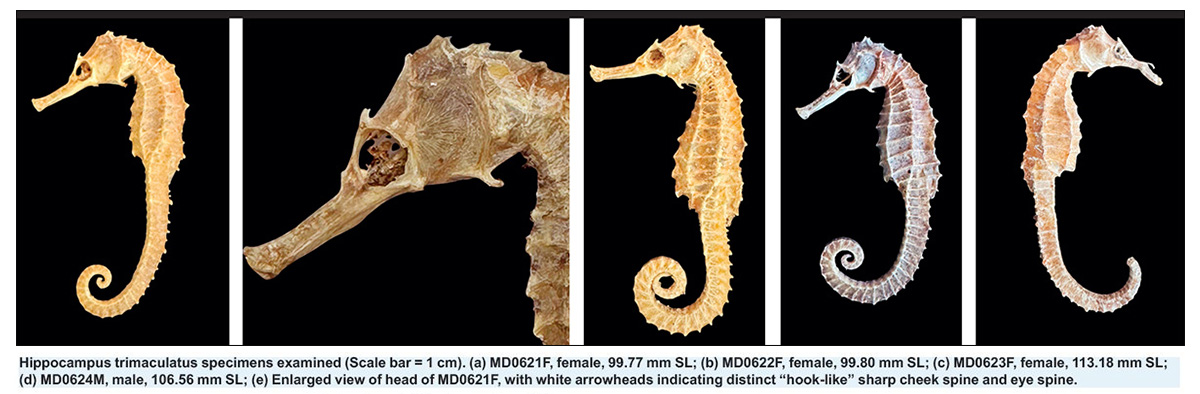
Sri Lankan marine researchers have formally documented the presence of the rare and Vulnerable Three-Spot Seahorse (Hippocampus trimaculatus) in Sri Lankan waters for the first time, an important milestone in the country’s marine biodiversity records.
The discovery was made through the examination of four dried specimens collected from fishermen operating off the southern coast near Madiha, nearly 150–200 km offshore. The evidence confirms that the island’s marine ecosystem hosts a greater diversity of seahorses than previously recognized.
Until now, only two species—Hippocampus kuda and Hippocampus spinosissimus—were scientifically confirmed in Sri Lanka, both largely linked to the northwestern lagoon systems. This discovery shifts that narrative southward.
Lead scientist Janamina Bandara emphasised the importance of the breakthrough, saying the identification not only verifies the species’ presence but also extends its known distribution range in the Indian Ocean.
He told The Island:”This is the first authentic record of Hippocampus trimaculatus from Sri Lankan waters. This species was assumed to occur here based on regional presence, but until now, we lacked verified scientific proof.”
Found in an Unexpected Habitat
While seahorses are typically associated with seagrass beds, shallow estuaries, or mangroves, the discovery revealed a surprising observation—these specimens were found attached to floating masses of marine debris.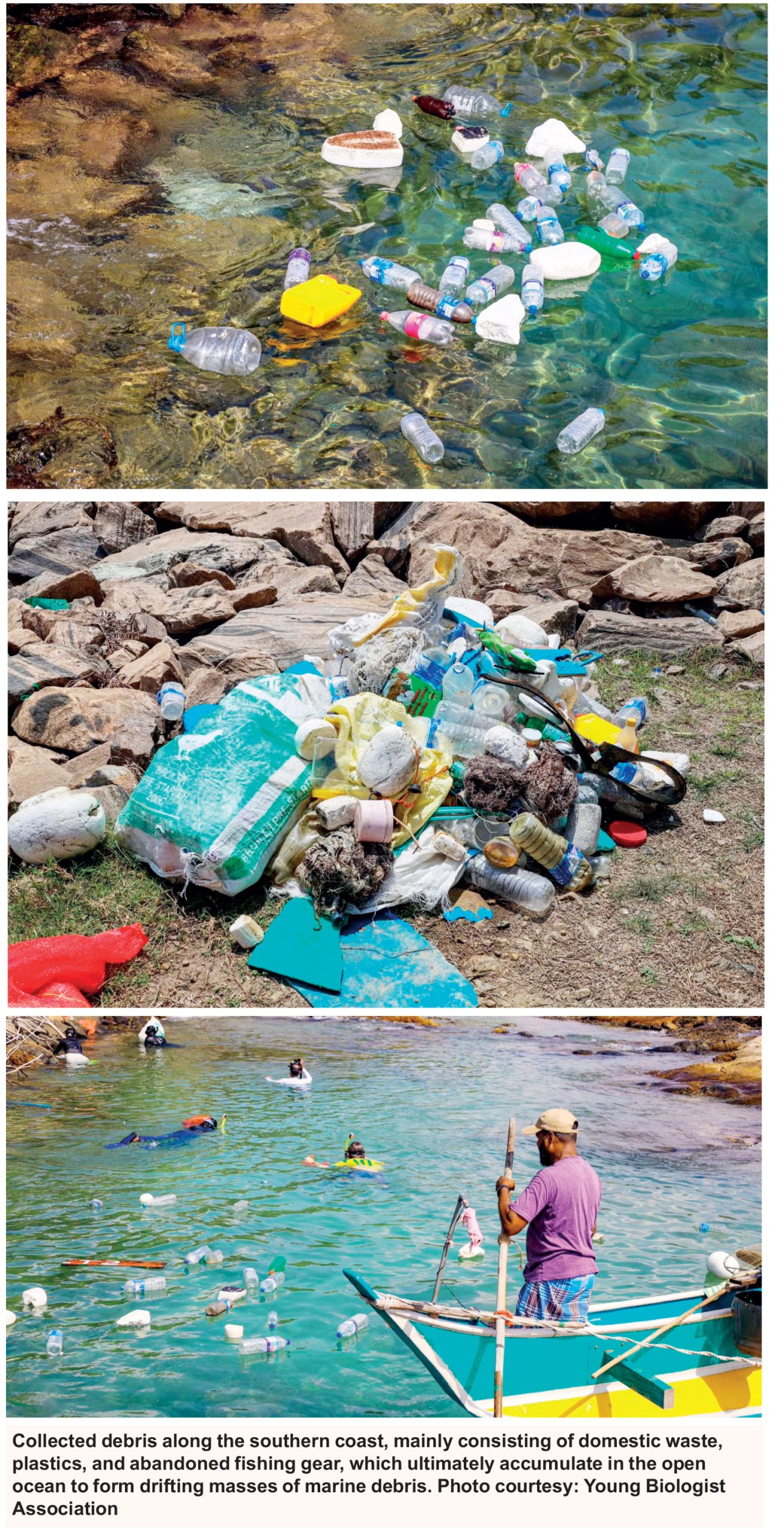
Bandara described it as one of the most unusual natural behaviours documented in local marine fauna.
“The specimens appear to have utilised drifting debris as habitat, which has not been explicitly recorded before,” he explained.
Photographs obtained from young field biologists show pieces of plastic waste, frayed fishing nets, fabric residues, and other floating refuse entangled into large drifting clusters.
Marine scientists say this phenomenon—informally referred to as “floating artificial reefs”—has been increasingly documented elsewhere in Asia and the Pacific. However, Sri Lanka has lacked records until now.
Bandara added that the drivers behind such habitat use remain unclear, raising questions about whether this behaviour reflects adaptation or desperation.
Specimens Documented, Sexed and Archived
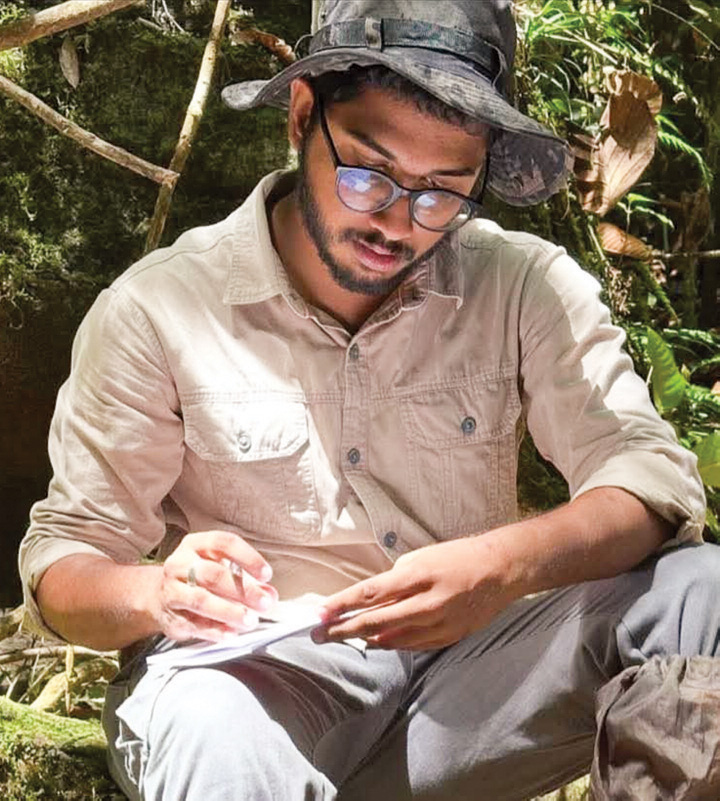
Janamina Bandara
The research team collected four specimens—one male and three females—over two separate encounters, in March 2024 and June 2025. Measurements included head-to-snout ratios, ring counts, and coronet shape, all critical criteria in identifying seahorses.
“All diagnostic features matched published descriptions, including distinct hook-shaped cheek and eye spines,” Bandara confirmed.
The specimens have since been deposited at the University of Ruhuna for long-term academic reference.
Illegal Trade Still Active
The finding has also shed light on the continuing illegal trade of dried seahorses in Sri Lanka—an industry long suspected, but seldom traced with scientific evidence.
The specimens originated from fishermen who admitted they sell dried seahorses to intermediaries and tourists. The team found that prices vary by size and buyer type.
“Smaller specimens sell for roughly Rs. 1,000 locally, while foreign buyers pay up to Rs. 5,000. Larger specimens fetch significantly more,” Bandara said.
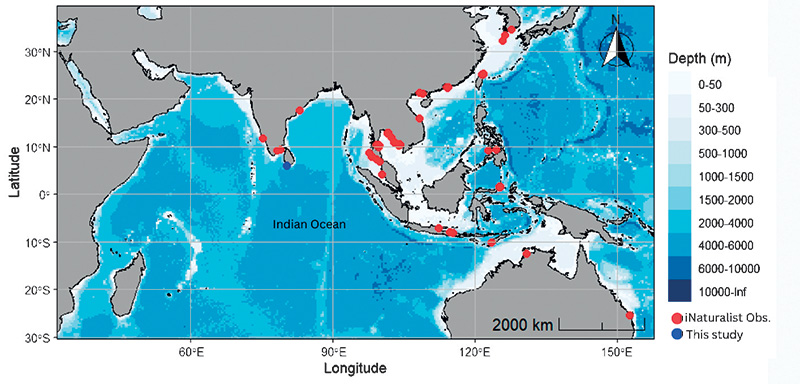
Map. Known distribution of Hippocampus trimaculatus with the current study site indicated. Red dots: confirmed research-grade observations (n = 76) of the species from iNaturalist. Blue dot: study site location (Madiha coast, Southern Sri Lanka).
Many dried specimens are reportedly converted into gold-plated pendants, marketed under the claim of bringing luck and prosperity. In some tourist markets, dried seahorses are sold discreetly alongside shells and corals.
While enforcement exists, Bandara says it remains largely symbolic.
“Raids happen, but are limited. Without awareness among fishermen and tour operators, the trade will continue,” she said.
Global Conservation Context
The Three-Spot Seahorse is listed as Vulnerable by the IUCN Red List and is protected under Appendix II of CITES, meaning its international trade requires permits. The species faces high risk from:
Bycatch in trawl fisheries
Rising demand from Asian traditional medicine markets
Rapid habitat decline due to marine pollution
Slow reproductive turnover
Seahorses exhibit monogamous pair bonding and unique male pregnancy, making their populations extremely fragile when harvested.
Sri Lanka, positioned at a central point in the Indian Ocean trade network, remains vulnerable to illegal wildlife trafficking routes.
Bandara emphasised that biodiversity verification has regulatory relevance.
“Scientific records strengthen diplomatic and policy decisions. Without confirmed presence, enforcement remains weaker,” she explained.
Calls for Greater Action
Following the discovery, the research team is urging local authorities and NGOs to prioritise:
Awareness programmes for coastal communities
Monitoring of multi-day fishing vessels
Inclusion of seahorses in biodiversity assessments
Tourism-season enforcement in southern coastal markets
Bandara believes this new evidence allows Sri Lanka to become an active contributor to global seahorse conservation efforts.
A Turning Point for Marine Biodiversity Research
Beyond the immediate conservation implications, this finding marks one of the most scientifically significant marine records of recent years.
It suggests that Sri Lanka’s offshore ecosystems are both understudied and vulnerable to emerging human-driven pressures. Researchers now believe more undocumented marine species may inhabit local waters, awaiting formal identification.
“This discovery is not only a scientific milestone but also a reminder that our oceans hold species that are disappearing faster than we are documenting them,” Bandara said.
As marine debris continues to accumulate and demand for illegal ornamental wildlife persists, researchers warn that scientific discovery alone will not ensure the species’ survival.
Bandara says what happens next will determine the fate of this newly confirmed marine icon.
“If we act now—educate, regulate and monitor—we stand a chance to protect these animals before they vanish unnoticed.”
By Ifham Nizam ✍️

During the recent Ditwah cyclone, elephants were seen floating in treeless floodplains that were once their forest habitats. On a good-weather day in 2017, near Kokilai, the Navy found a pair of elephants riding waves after a beach outing two kilometers offshore in the high seas. Divers guided them ashore after a 12-hour struggle. Trains barrel through elephant herds regularly, decapitating half a dozen in one tank. A herd of elephants over 100 parades across a highway serenading motorists stuck in a kilometer-long traffic jam. Recently, adding insult to injury, a lone elephant was sitting deep inside a latrine pit behind a small house, and was dug out by a caterpillar tractor. A speeding bus ran over and killed a baby elephant, and police shot dead the mother who stood crying over her baby’s body. The tusker named Sinharaja was still a baby when the Army pulled it out from an agri-well some years ago in Nuwarakalaviya. He is now royalty tasked with carrying the sacred tooth relic at the Dalada Maligawa. These extraordinary events, rubrics of a national drama, show that fates, ours and elephants, are inexorably linked.
Over 7,000 elephants and countless villagers in Sri Lanka are torn apart daily by myriads of unpleasant encounters. Our elephant population is multiplying alongside us, making these encounters even more remarkable. As the government owns all elephants and writes laws for them, it also owns the product of these encounters. Since it has law books for the villagers, too, it cannot disregard the mess its protégé, this patrician in the wild, leaves on the villagers’ doorstep. Only the government can find a lasting solution to blunt the prickly edges of this national emergency, but not without contributions from the villagers.
George Orwell wrote in Animal Farm, “Some animals are more equal than others.” But the sentimentally charged public opinion about our cultural icon cannot outweigh the burden it placed on villagers living on the edges of elephant habitats.
As will be explained later, I propose a Gam Udawa-type house for each newly married couple who choose to remain within their village’s boundaries. If anyone edits this out as impractical, please come down from the ivory towers and visit a village bordering an elephant corridor to see for yourself the internecine damage elephants and villagers cause to each other.
There is no rich body of literature on the kinetics of village housing. But the volume of villagers’ experience is a safe guide to navigate it. I saw, over the span of three decades, how a major elephant corridor, one or two kilometers wide, adjoining my village above Mahakanadarawa reservoir, got swallowed up as villagers built (and still do) homes there. Thus, one way to stop this is to contain the village where it is now. Halting home-building activities in elephants’ homes is a futuristic idea that the government has not tried. This experience also suggests that a study of the environmental impact of new village housing is in order.
Little parts that drive conflict
The government does not hear or see the little parts that drive the human-elephant conflict in the village. The only elephant problem it has is an 8 am to 5 pm thing, caged and tied to concrete stumps with steel chains at a compound in Dehiwala, minutes from Colombo’s urban universe. Together with Dehiwala, provincial compounds like Pinnawala, and a few national parks hold less than 1% of the Sri Lankan elephants, leaving the rest to roam around and harass villagers. Officials who have the power and know-how to resolve this tragedy do not feel it in real time. They do not live anywhere near where elephants live.
Indeed, it is a stretch one may suggest the government can find new space for the elephants like grandiose, unwieldy ideas like port-city-style landfills along the coast. However, we can work with existing landmasses more studiously using other methods. Driving elephants to the current Managed Elephant Ranges (MER) is not one of them. MER seems to lack sufficient food, as evidenced by the emaciated elephants we see in these ranges. An elephant is a big animal and needs a bigger lunch setup.
HOW WE GOT HERE
Until the mid-20th century, abundance of forest accommodated all villages and some more elephants; there was no reason to think villagers were taking elephants’ feeding ground any more than governments had any plans to reduce friction before it reached an unmanageable level. Elephants’ feeding grounds occupied forest area about two kilometers wide in higher ground between two tank cascade systems, each independently sharing water from parallel watersheds.
Islands in the sea of forest
Villages in the North Central, Northwestern, Eastern, and eastern half of the Southern Province remained as islands in this sea of forest. Collective personality embedded in the village was that residents could hunt, harvest timber, and make small chena plots in these forests. The concatenation of many such forest buffers formed elephant highways that were major feeding grounds. Everyone lived happily until the government’s neglect in addressing the population explosion of elephants and our own created the present predicament like a Class 4 wound.
A village community is a swarm, usually numbering around 100 individuals. Increasing membership in a swarm trigger some to move out to new locations. In a colony of bees, for example, an alternate queen bee will lead a part of the overpopulated colony out to set up a new community. Similarly, in the village, where two or three couples marry each year, and if the space for housing sites is limited, as is the case in old villages, a couple might emigrate to another village or town. The one or two with what biologists call the ‘group mind’ stay in the village, becoming the seeds that begin to spawn more warms, amplifying the elephant-human problem.
The new couple is looking to build a house closer to their larger family. But as space for potential housing is gone, the next option is to move beyond the traditional village boundary, where the one- to two-kilometer elephant feeding grounds begin. On these grounds, this family finds not only a spot for a house but also timber that had been the property of elephants and other wildlife since before the village’s genesis. In a nutshell, this is how elephants began to lose their land.
Land grab
With this land grab, though isolated, friction over space ensued, leading to physical confrontation with elephants. The government’s inaction in mediating this problem is telling.
As years go by, this progression has led to the appearance of dozens of new home gardens, each slowly taking up at least a hectare of virgin forest. In a few decades, hundreds of such hectares will have been devoured by these progenitors entering the village marriage fraternity.
Meanwhile, the explosion of the rural population seems to influence the mechanics of elephants’ behavioral evolution. Back then, elephants were shy. I remember a herd disappearing into the woods in seconds after seeing a moving firebrand tipped with glowing embers. Aiming a flashlight made the herd disappear into the woods like blowing smoke into a beehive. In contrast, now a wild elephant caparisoned with a dry crust of mud bath walks casually on a road, duly giving right of way to motorists, and stops by a lonely roadside tea kiosk. He waits patiently, not for tea, but until the kiosk owner offers him a bunch of ripe bananas!
Today, elephants are so common and share our space more often, villagers assign lovely names to identify tuskers. In our childhood, we rarely saw a tusker because he owned a large swath forest, so his contact with us was minimal. Hence, the name tag was the least he needed.
HOUSING IN CITY AND VILLAGE
Whether people live in a crowded city with sprawling multistory housing compounds or in a village with two dozen homes under an irrigation tank, their universal human need is housing. In the city, with limited horizontal expansion, the housing idea must become improvisational. Thus, it grows vertically because it’s the only direction the cramped city can build. Having no such problem, after the old gammedda ran out of space, villagers moved horizontally to new tracts of forest beyond the village borders. Missing in the discussions on the loaded thesis of elephant-human conflict is this premise – the housing need of newly married villagers, the overarching subtext of this problem, not seen by anyone outside of the village. This married couple clear a track of forest, marking the beginning of the gradual encroachment of the village into an existing elephant range.
When it comes to housing, villagers in elephant-roaming areas are left to fend for themselves. Overcrowding in villages had not received the government’s attention because it never put a premium on housing in a village.
Both parties are victims here. Any steps to help them have become untenable due to poor management (of the problem) and the uncontrolled population upsurge of the parties. This drama is what the successive governments have missed seeing. Although the government and private sector have been generous with housing issues in the city, not extending the same kindness to villagers is why they are in this loveless embrace with elephants.
Meanwhile, beginning in the mid-20th century, the city has adapted to meet its residents’ housing needs. The scale ranged from clusters of one-room homes like UC Quarters in Urban Council jurisdictions, to modest multi-unit housing compounds, ‘flats,’ like the eponymous ones at Narahenpita, Maligawatta in Colombo. Over the past couple of decades, towering megastructures catering to the new affluent residents have further diversified the city’s housing options.
The elephants are wanderers and have all the land to move around. But villagers are no longer the itinerant bands they once were in their distant past. Due to their proclivity to acquire acreage from freely growing forests, they become fixed targets for elephants. But don’t accuse the villagers of being xenophobic towards elephants. We see they never show schadenfreude – enjoying an elephant’s misfortune, while it struggles to climb out from an agri-well or a canal. Instead, standing on the edge, they speak kind, encouraging words to the traumatized animal. Some even throw banana stumps at him to eat.
FAILED HOUSING PROJECTS (WIYAPARA) IN THE 1980S
Often, the government itself is the culprit of expanding the village into elephant corridors by introducing new housing projects. Such housing schemes were called wiyapara gewal (project homes). It turned out to be a failed government idea.
Near my village, in the 1980s, the government marked off housing plots along a cart road that ran through a 2-kilometer elephant corridor which began from the end of our tank bund. This stretch separated us from a series of neighbouring villages in the upper reaches of the Mahakanadarawa reservoir, built in 1959. Until then, elephants freely moved between Padaviya, Nachchaduwa, and Kalawewa tanks, using forest corridors between tank cascade systems, including the above, rarely entering villages.
After Mahakanadarawa gobbled up an extensive virgin forest area, elephants circumventing it on the way to Kalawewa stumbled upon a surprise: a society of homes was sitting on the above forest corridor that had always belonged to them. Villagers cut down the verdant forest and started home gardens in their place under the aegis of the aforesaid wiyapara project. It bridged the neighboring village into one extended community. One family even fenced off the kamatha-sised water hole that elephants enjoyed on the rocky outcrop called Wannamgala and enclosed it in the new garden lot with the sign “balla hapai” (dog will bite)!
The Member of Parliament for the area was behind this project, with a piecemeal aid package worth about Rs. 25000 to each land recipient. With that kind of economic magic wand, a half dozen villagers yielded, and now this row of houses bisects what was an elephant highway, sending elephants’ equanimity to coexist with human settlers downhill. Historical blunders like this tell us to reconstruct untested housing concepts to fit the present.
FEW PROPOSALS
Discouraging villagers from spilling beyond village boundaries to build new homes must be a priority in any plan designed to address elephant management issues. It is a way to stop the slow oxidation of elephant corridors where newlyweds continue to stake out claims for home sites.
It is unfair to deny villagers the opportunity to own a piece of their own home garden. On its part, the government can help by creating employment or home-garden opportunities by introducing them to garden crop methods and small-scale industries, which will provide them with a meaningful livelihood and a reason to stay within the village’s borders.
The government must also devise the same plan it uses to address overcrowding in city swarms, by building small irrigation colony-type houses within the village situated for newlyweds in villages on the borders of elephant habitats. New families will appreciate this idea that their government is giving them a hand with a small house within the village limits.
My proposal may sound like a fictive reverie. But math speaks for itself. Consider this: conceivably, if we can prevent that one newlywed couple from carving out its space in a forest tract used by elephants, after a few decades, we would have saved dozens of hectares for elephants by preventing couples from moving there to build new dwellings.
I ask the government not to think of the pink elephant – the cost – in considering this project. If it cannot build the house for free, recover a partial cost from new owners in easy installments based on their verified income.
There are many private and public tracts within a village that remain fallow or undeveloped. The government can offer to purchase these to build new homes. What happened to Alfred House Gardens in Colombo – 3 over a century ago gives us ideas on how to apply the summary of that history to a village where, generally, real estate behaves similarly.
Towards the end of the 19th century, the owners of Alfred House Gardens partitioned the opulent estate, endowing it to the city for a greater purpose. My premise here is that a villager with his own Alfred House estate in the village, parts of which remain fallow, may wish to place a corner of it on the market for ready cash. Suppose the government offers an enticing price. In that case, I have no doubt the owner might consider it. Haven’t we seen this in newly partitioned large coconut plantations elsewhere?
The government will then build a small house here and bestow it on the newly married couple. This is one couple that will not pose a threat to elephants’ right of way. If we can push this simple idea to fruition, in a decade or two, encroachment into elephants’ roaming lanes can be reduced considerably around this village. A fitting paradoxical allegory for this is an African proverb that says: “The way to eat an elephant is to take one bite at a time.”
Furthermore, the government may amend the President’s Fund or create an Elephant Fund to provide small housing loans specifically to newlywed couples in such villages. It must suspend the irrational, sneaky and flagrant absurdity of tax-exempted vehicle imports, now allowed to certain privileged government officials. Tax this exclusive club and use the money for this program. Each new car landing on Sri Lankan soil will pollute the environment and be one more headache for elephants feeding at Minneriya tank.
To identify which villages are likely to encroach on elephant corridors, the wildlife department must survey and designate their boundaries. This step is every bit as essential as declaring stretches of forest as elephant corridors. Also, an accelerated tree-planting program to rehabilitate deforested areas on the edges of elephant corridors must be a government priority.
The government must not reward large farming interests and the solar power industries by allowing them to take up elephant habitats. A papaya plantation has alternatives that an elephant family does not.
Finally, failure to resolve this problem will itch our nation’s conscience and shame us deeper. The few patches of forest we can keep uncleared are the ones that tell us just how many more hectares of them refuse to be cleared.
Lokubanda Tillakaratne chronicled life in a village in Gammadde Ninnadaya, and a defunct traditional judicial system practiced in Nuwarakalaviya villages in Rata Sabhawa (Sarasavi Books).
By Lokubanda Tillakaratne ✍️

Lakbima Rice Mills (Pvt) Ltd donates Rs 100 million to the ‘Rebuilding Sri Lanka’ Fund

England security in airport clash with camera operator

Sethmika stars as Sri Lanka under 19s crush Nepal by 8 wickets

Advisory for severe lightning issued to the Districts of Kaluthara, Rathnapura, Galle and Matara

Pregnant Mothers to receive Rs 5000 Nutrition Allowance in December

640 deaths, 211 missing as at 6:00AM today (13)

‘Dates have the highest sugar content to fight Coronavirus’

Sunday Island 27 December – Headlines

#SundayIsland 17th December – Headlines

Sunday Island – 28th March

Sunday Island Headlines – 21 March

Sunday Island – 21st February – Headlines
-

 Features4 days ago
Finally, Mahinda Yapa sets the record straight
-

 News6 days ago
Over 35,000 drug offenders nabbed in 36 days
-

 News5 days ago
Cyclone Ditwah leaves Sri Lanka’s biodiversity in ruins: Top scientist warns of unseen ecological disaster
-
 Features7 days ago
The Catastrophic Impact of Tropical Cyclone Ditwah on Sri Lanka:
-

 News6 days ago
Rising water level in Malwathu Oya triggers alert in Thanthirimale
-

 Features4 days ago
Handunnetti and Colonial Shackles of English in Sri Lanka
-

 Business2 days ago
Cabinet approves establishment of two 50 MW wind power stations in Mullikulum, Mannar region
-

 Business6 days ago
Sri Lanka betting its tourism future on cold, hard numbers