
Latest News
India casts doubt on Trump’s claim Modi will stop buying Russian oil

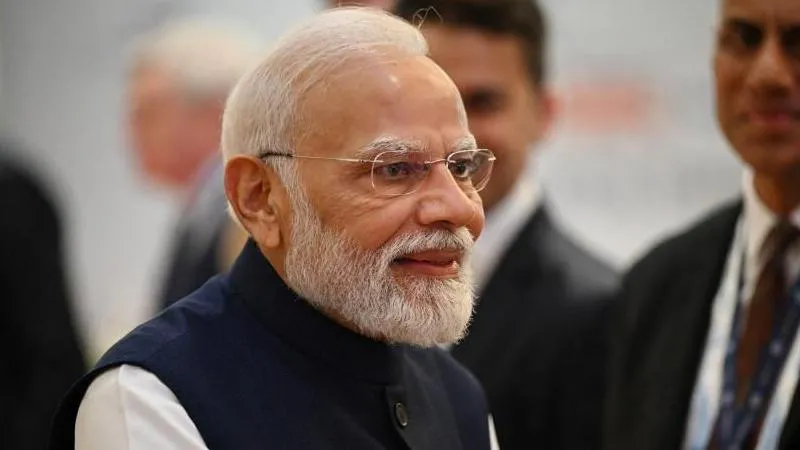
India’s foreign ministry has said it is “not aware” of a phone call in which US President Donald Trump claimed Indian Prime Minister Narendra Modi agreed to stop purchasing Russian oil.
On Wednesday, Trump said his Indian counterpart had “assured me today” that it would end Russian oil imports, a move the US has pushed for in a bid to increase economic pressure on the Kremlin to end the war in Ukraine.
But asked about the call today [Thursday[, an Indian government spokesman cast doubt on Trump’s account, saying he was “not aware of any conversation between the two leaders” taking place the previous day.
The Indian government had earlier said discussions were still “ongoing” with the US over its Russian oil purchases.
It comes as a White House official confirmed to the BBC that Trump plans to speak to Russian President Vladimir Putin in a call today [Thursday].
India has become a key energy customer for Russia since the outbreak of the war, partly allowing the Kremlin to withstand the impact of Ukrainian allies slashing oil and gas imports, the country’s biggest export market.
The Trump administration has put public and diplomatic pressure on India to end its support for the Russian energy market as it seeks to increase the Kremlin’s economic isolation and force an end to the war. Russia launched its full-scale invasion of Ukraine in February 2022.
Speaking at the White House on Wednesday, Trump said he had received assurances from Modi on Wednesday that India would halt its purchases “within a short period of time”.
In its initial response, the Indian government did not directly dispute that the call between Trump and Modi had taken place. It read: “Our consistent priority to safeguard the interests of the Indian consumer in a volatile energy scenario. Our import policies are guided entirely by this objective.”
The Indian government’s second response today [Thursday] raises further questions over whether a deal has been struck between Washington and Delhi.
BBC News has contacted the White House and State Department for comment.
Delhi’s continued reliance on Russian crude oil, which it imports at a discount, have become a key source of contention in US-India relations under the Trump administration, which has taken a tougher line on the Ukraine war after Putin failed to agree a peace deal with the White House.
India is second only to China for how much Russian energy it imports, funding which helps to prevent the collapse of Russia’s critical fossil fuel industry.
Modi’s government has accused Ukraine’s allies of hypocrisy, pointing to ongoing trade with Russia, including energy imports to the European Union, albeit at reduced levels.
In its latest round of sanctions unveiled this week, the UK government said it would target a major Indian oil refinery as it “continue(s) to get facilitate getting Russian oil onto global markets”. Officials said India’s Nayara Energy Limited imported 100 million barrels of Russian crude oil worth more than $5bn (£3.75bn) in 2024 alone.
[BBC]

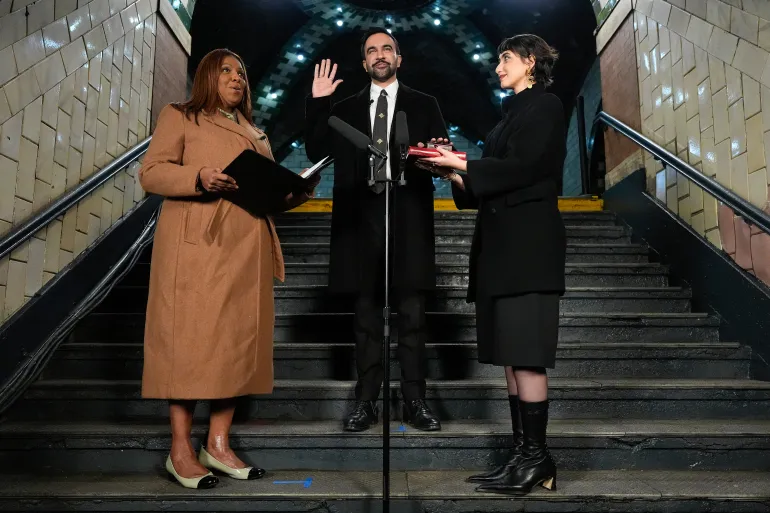
Zohran Mamdani has been sworn in as mayor of New York City, becoming the first Muslim and the youngest person in generations to take the oath of office in the United States’ biggest city.
Mamdani, a Democrat, was sworn in at a historic, decommissioned subway station in Manhattan just after midnight on Thursday, placing his hand on a Quran as he took his oath.
(Aljazeera)
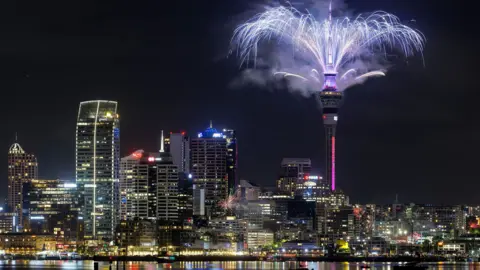
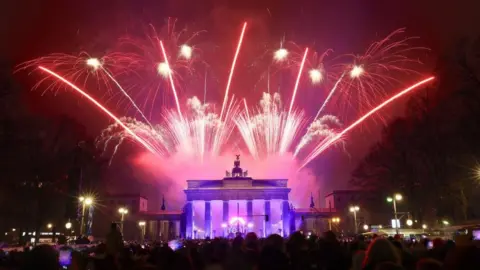
Countries around the world are welcoming the New Year as midnight strikes from time zone to time zone.
The island of Kiritimati – an atoll in the remote Pacific nation of Kiribati – became the first place to enter 2026. One tourist there told us he marked it “on a beach with no satellites, no signs of human life, complete darkness and countless crabs”.
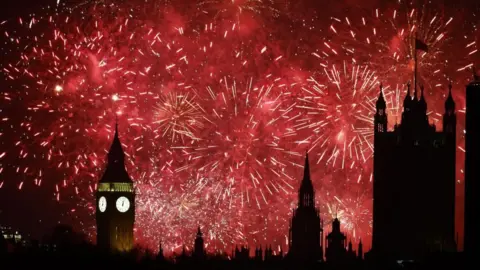
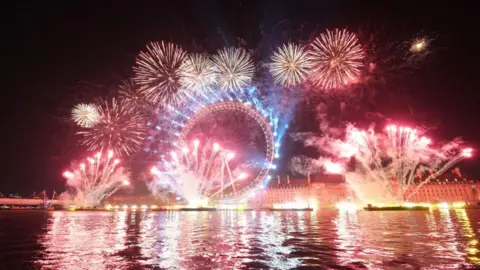
Spectators in the UK have enjoyed thousands of fireworks light up London skies, while in Edinburgh, crowds gathered in true Hogmanay fashion despite weather warnings.
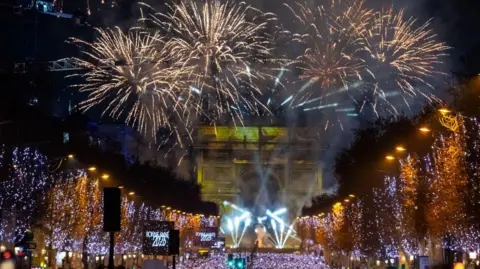

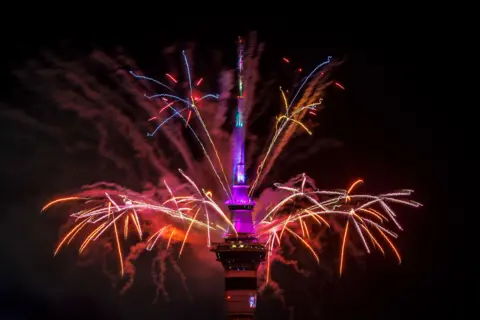
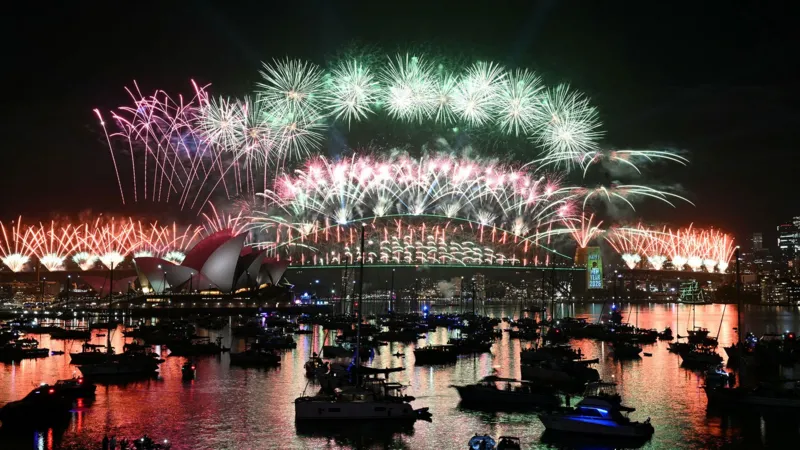
Then Australia lit up the sky over the Sydney Opera House and Sydney Harbour Bridge.
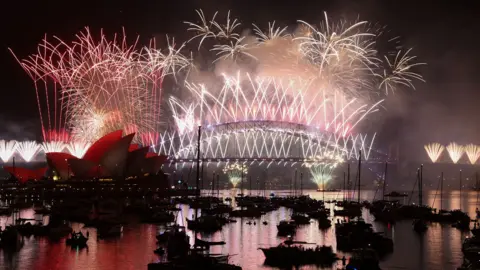
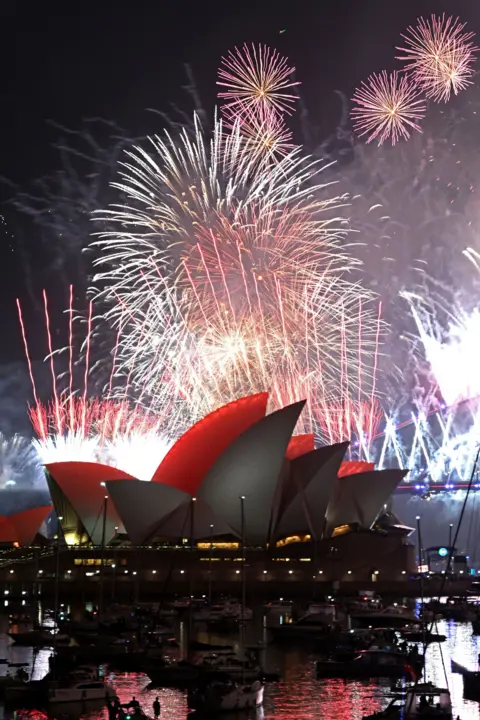
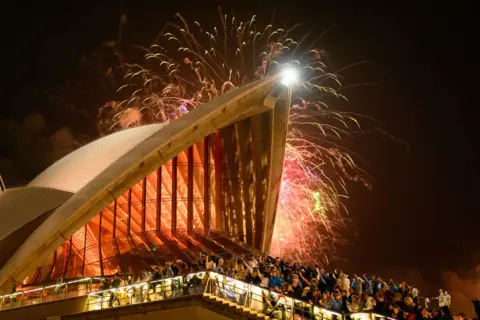
In Sydney, celebrations were tempered by sadness as the nation reflected on the Bondi Beach attack on 14 December in which 15 people were killed.
At 23:00 local time, Sydney Harbour fell silent for a minute, with crowds holding lights to remember the victims of Bondi. A Jewish menorah was projected on to the pylons of the Harbour Bridge.
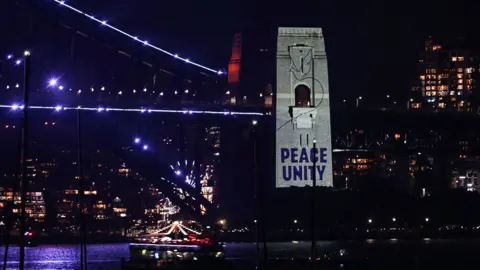
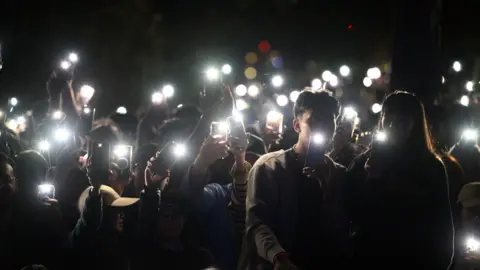
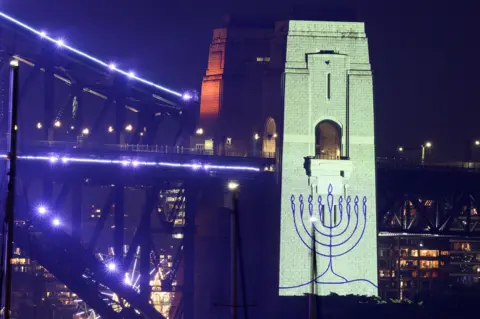
Elsewhere, there were more fireworks at Marina Bay Waterfront in Singapore.

Fireworks matched the brilliance of skyscraper lights in Makati, Metro Manila, Philippines. [BBC]
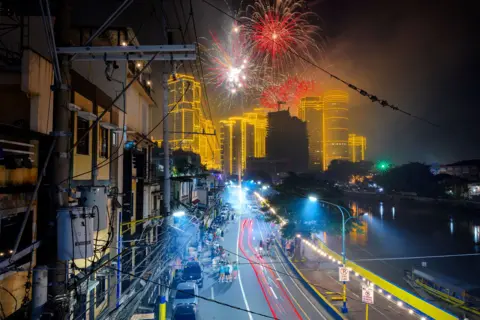
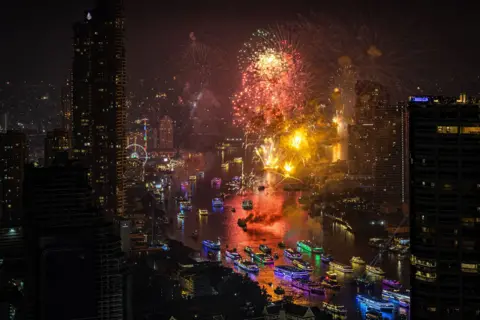
Thousands lined the Chao Phraya river in Bangkok as Thailand welcomed the New Year.
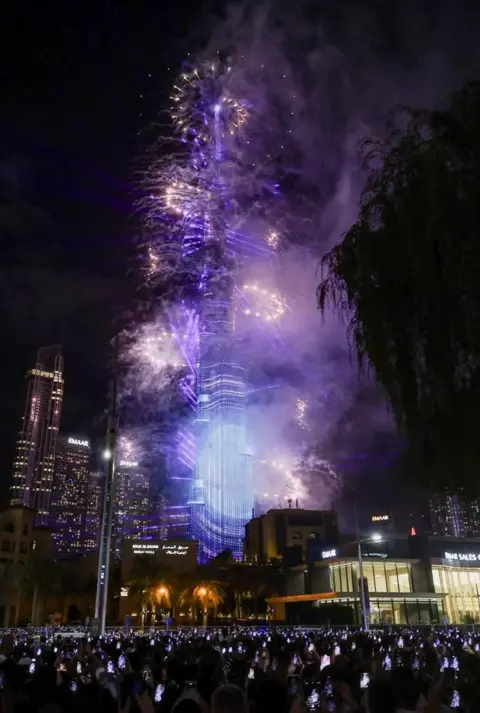
In Dubai, people watched fireworks from the world’s tallest building, the Burj Khalifa, following a performance with light displays, music and water jets.
[BBC]
In Hong Kong, spectators enjoyed live performances with fetching headwear.

The Juyongguan Great Wall was lit up in Beijing.

[BBC]
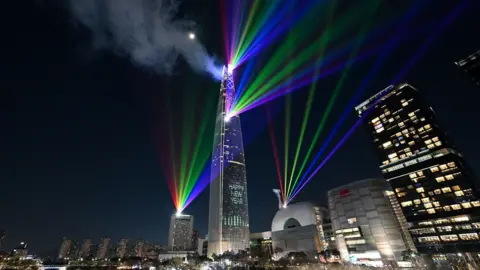
Laser lights dominated the night sky over the Lotte World Tower, South Korea’s tallest building in Seoul.
At the Bosingak pavilion in Seoul, artists performed during the New Year countdown.

A street performer showed off her fiery skills as part of the Procession of Light in Dublin before heading to the Matinee Countdown Concert in Dublin Castle.

In other parts of the world, nations marked the coming New Year with their own traditions.
On a nudist beach in Le Cap d’Agde, southern France, clothed and unclothed revellers took part in a traditional sea dip to mark the New Year’s celebrations.

Swimmers at Islands Brygge Harbour Bath in Copenhagen, Denmark, also braved the cold waters for a traditional splash, known as Nytaarsbad.

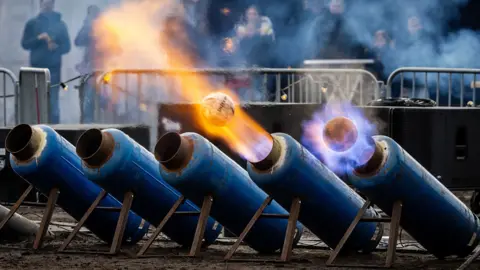
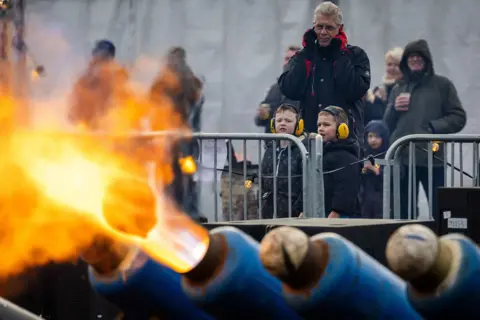
In Ommen, the Netherlands, local residents watched the annual carbide shooting – a New Year’s Eve tradition of turning milk cans into cannons.
In Osaka, Japan, young women dressed in traditional kimono took part in a Shinto ritual procession to mark the end of the year at Sumiyoshi Taisha, one of Japan’s oldest Shinto shrines.

Colourful runners braved the December air in Krakow, Poland, for the traditional Krakow New Year’s Run in the Old Town.


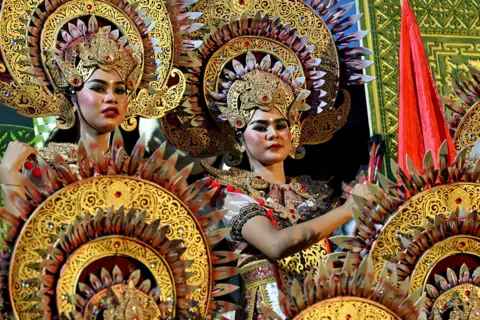
Adults and children performed a traditional dance to release the sun of 2025, and to welcome the sun of 2026, in in Denpasar, Bali, Indonesia.
 AFP via Getty Images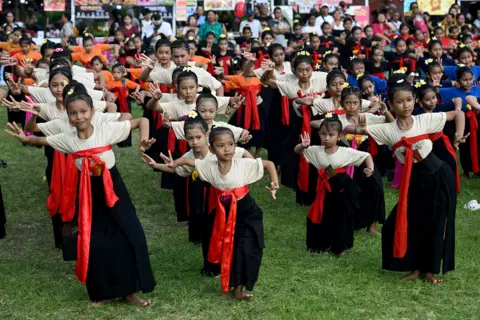
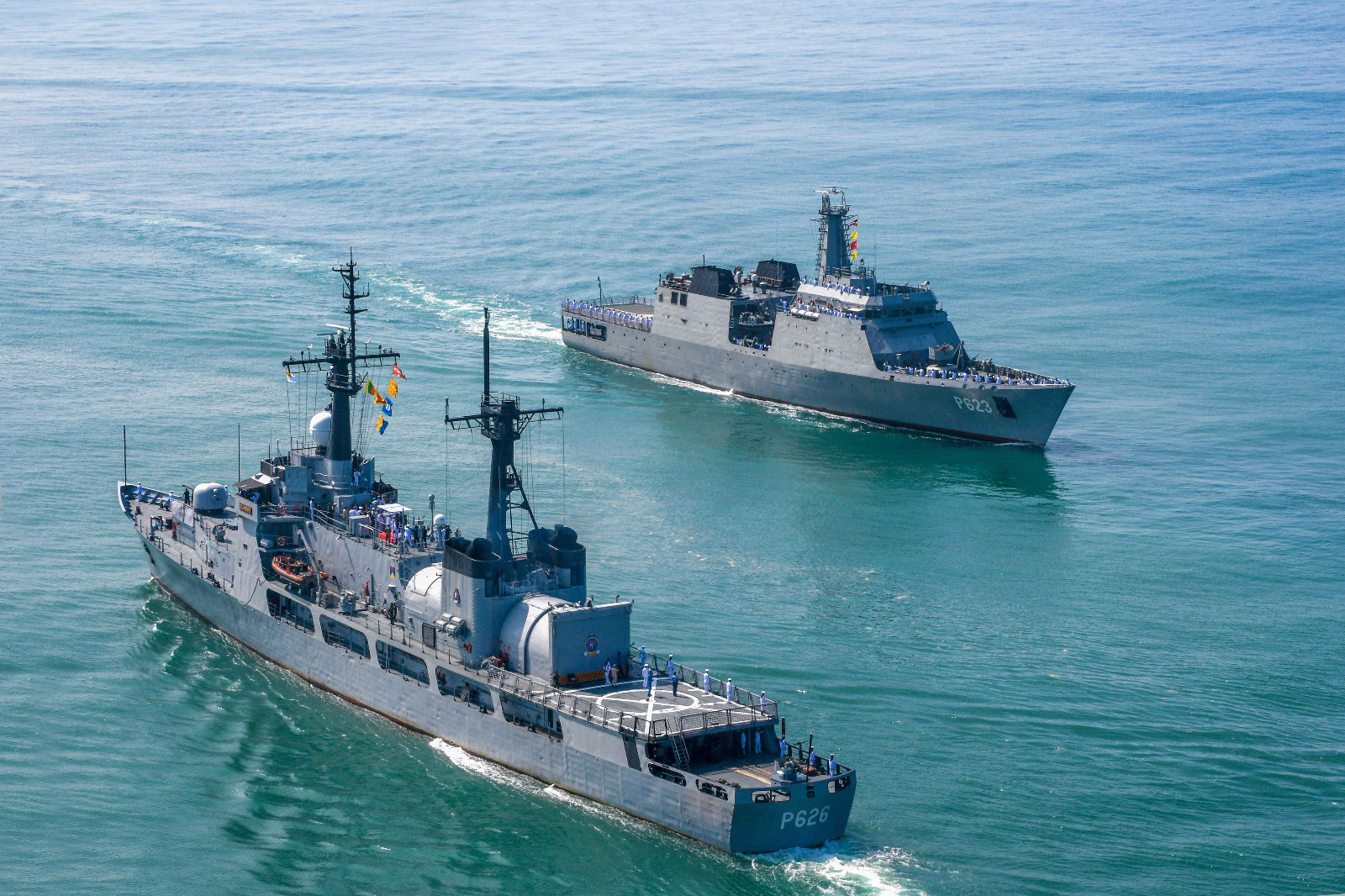
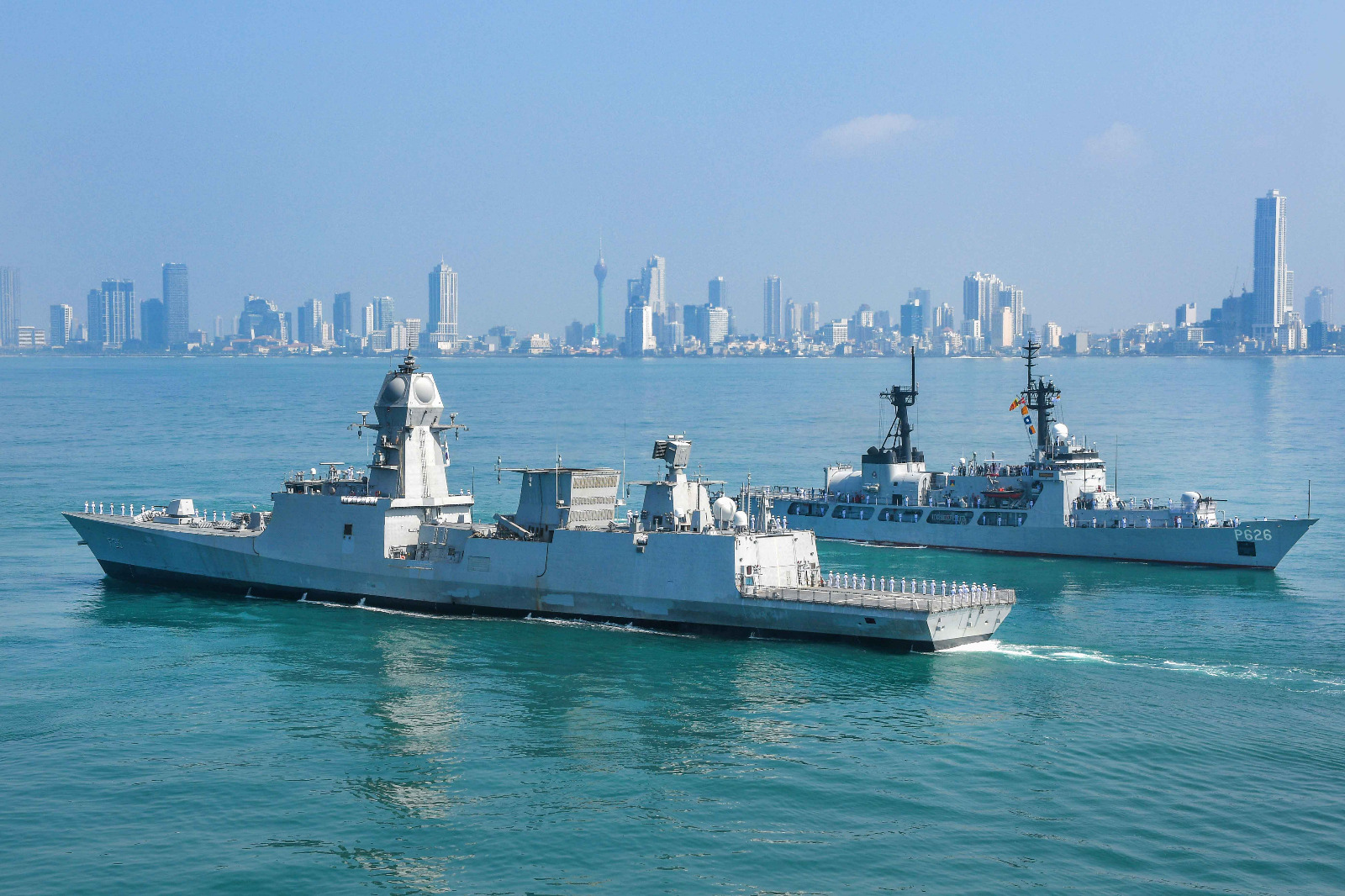
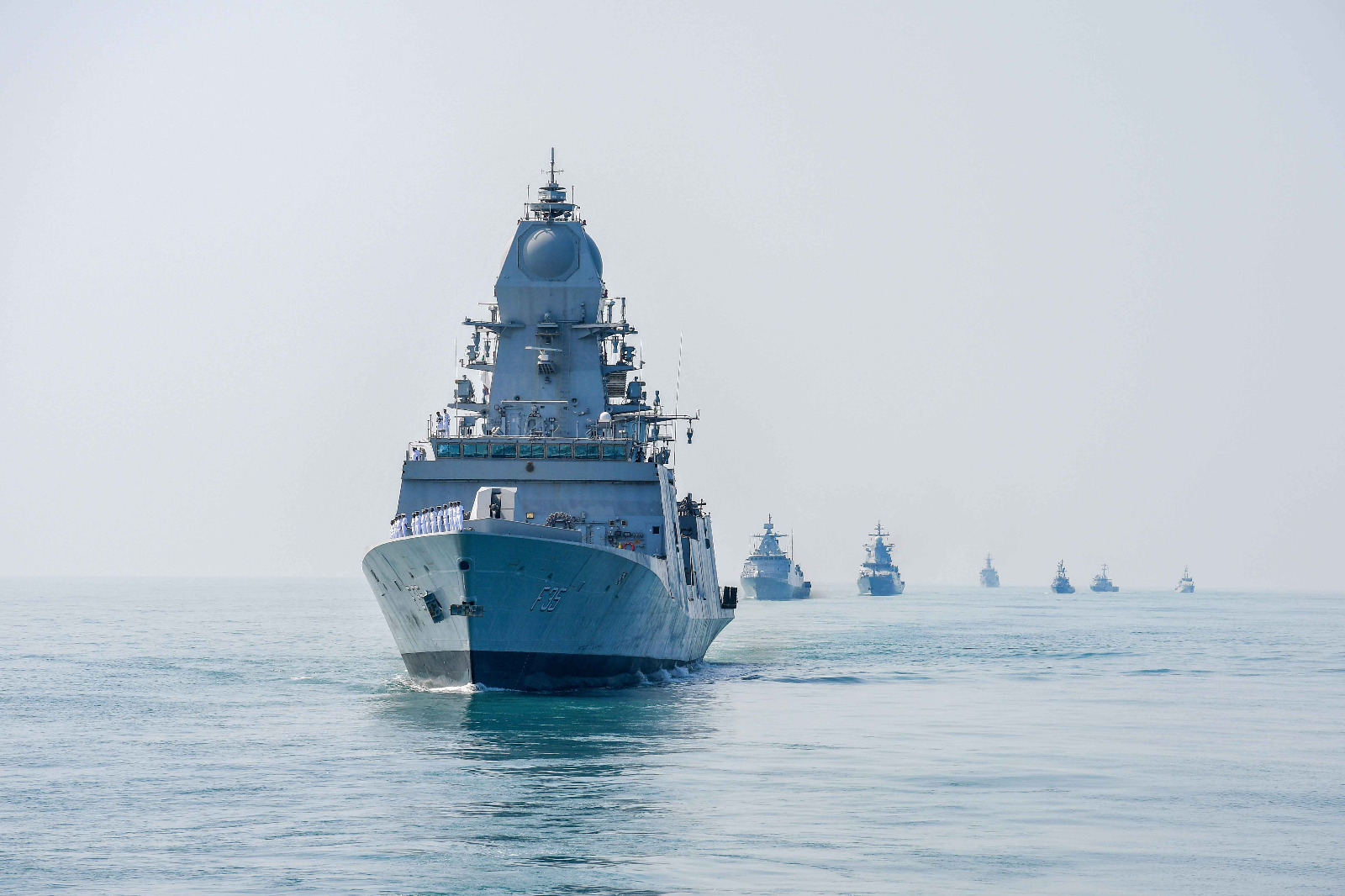
Highlighting the spirit of global and regional cooperation, the Sri Lanka Navy acknowledged the invaluable support by foreign warships, which had arrived to take part in the International Fleet Review (IFR) 2025, extending much-needed Humanitarian Assistance and Disaster Relief (HADR) operations, during the recent weather disaster in Sri Lanka.
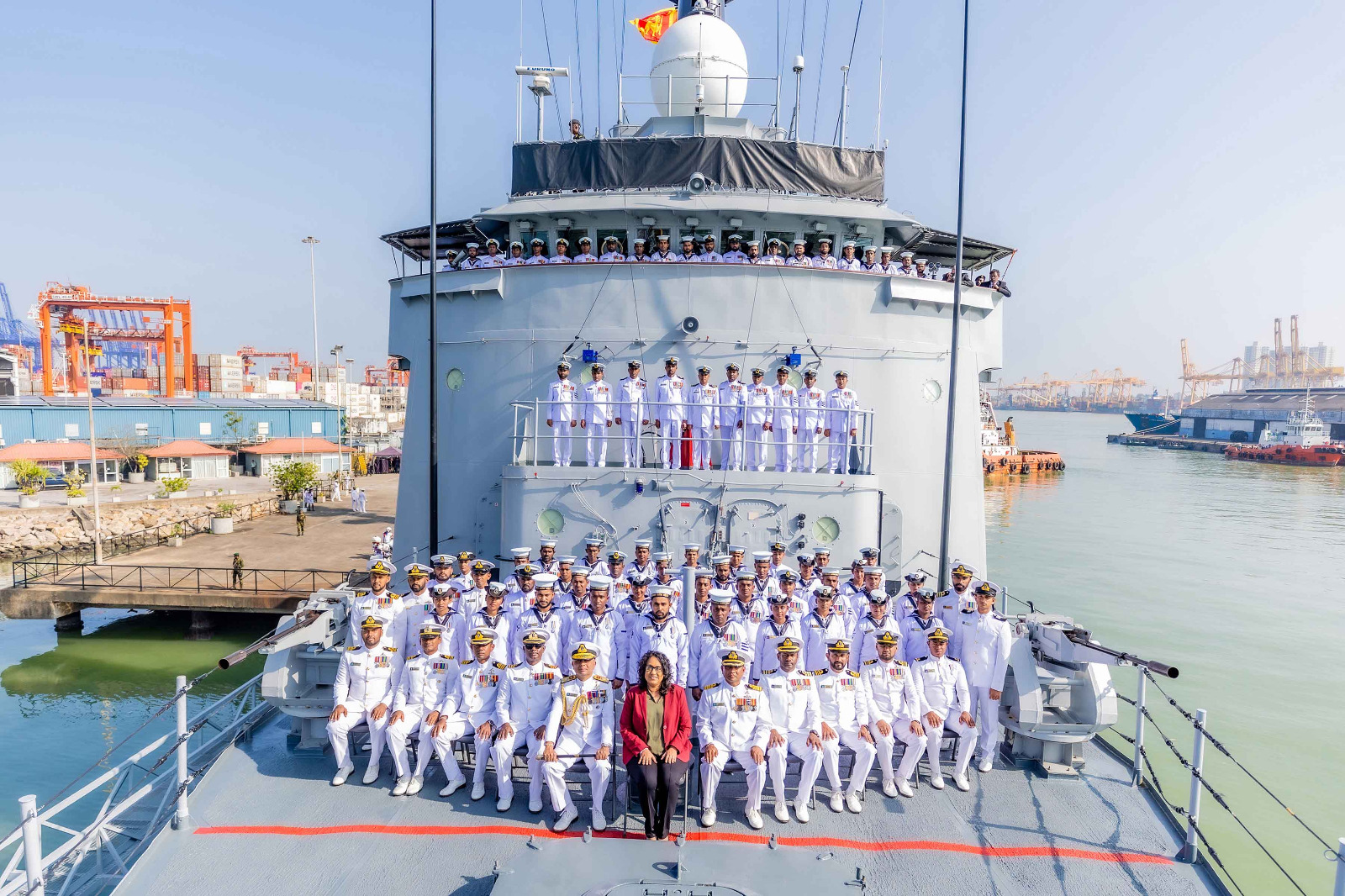
The IFR 2025 was held off the Galle Face seas, marking the milestone 75th anniversary celebrations of the Sri Lanka Navy.
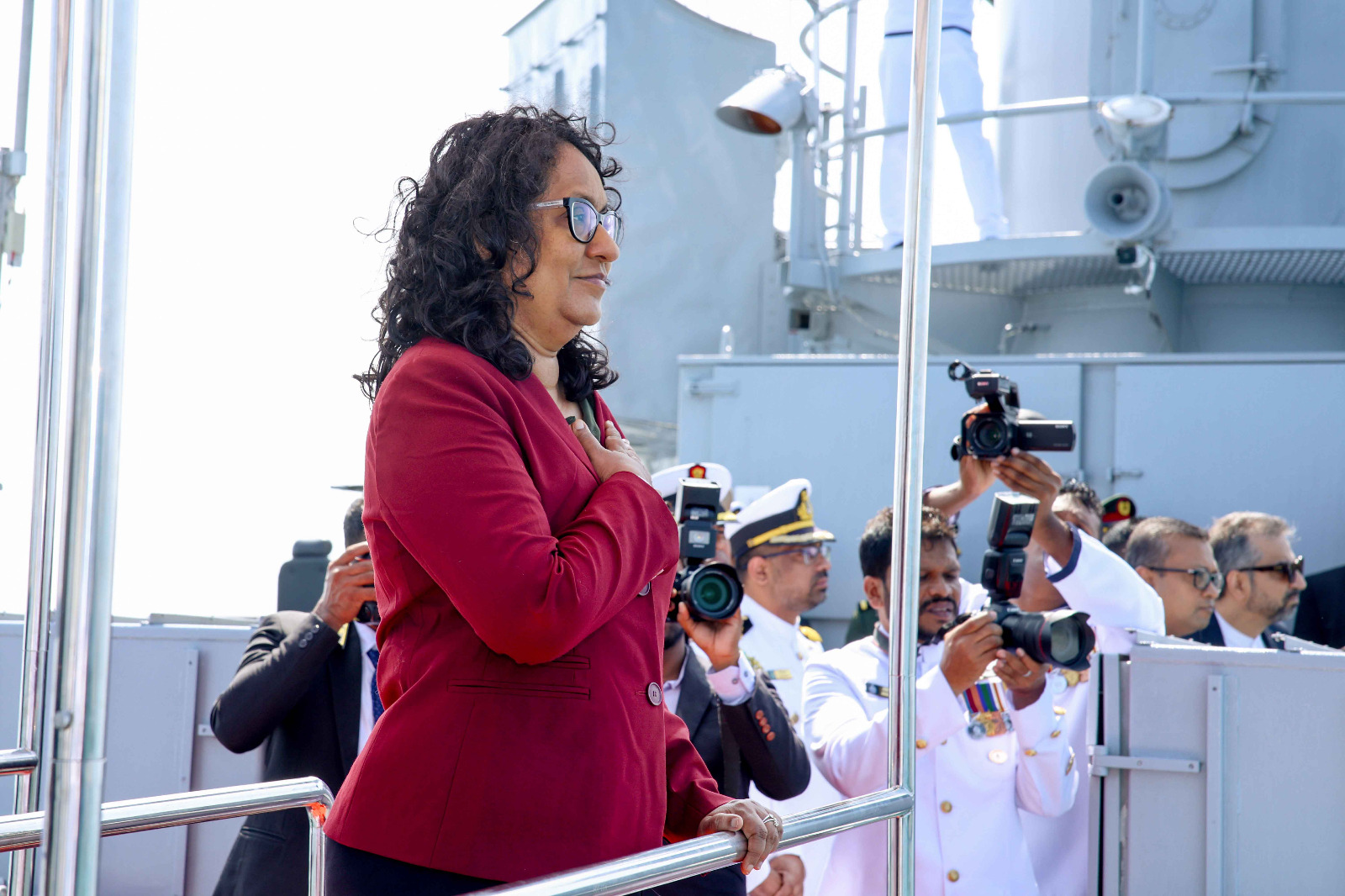
Representing the Government of Sri Lanka, Prime Minister Dr. Harini Amarasuriya graced the event and received the traditional naval salute from onboard SLNS Gajabahu, as the participating foreign warships paid their honours.
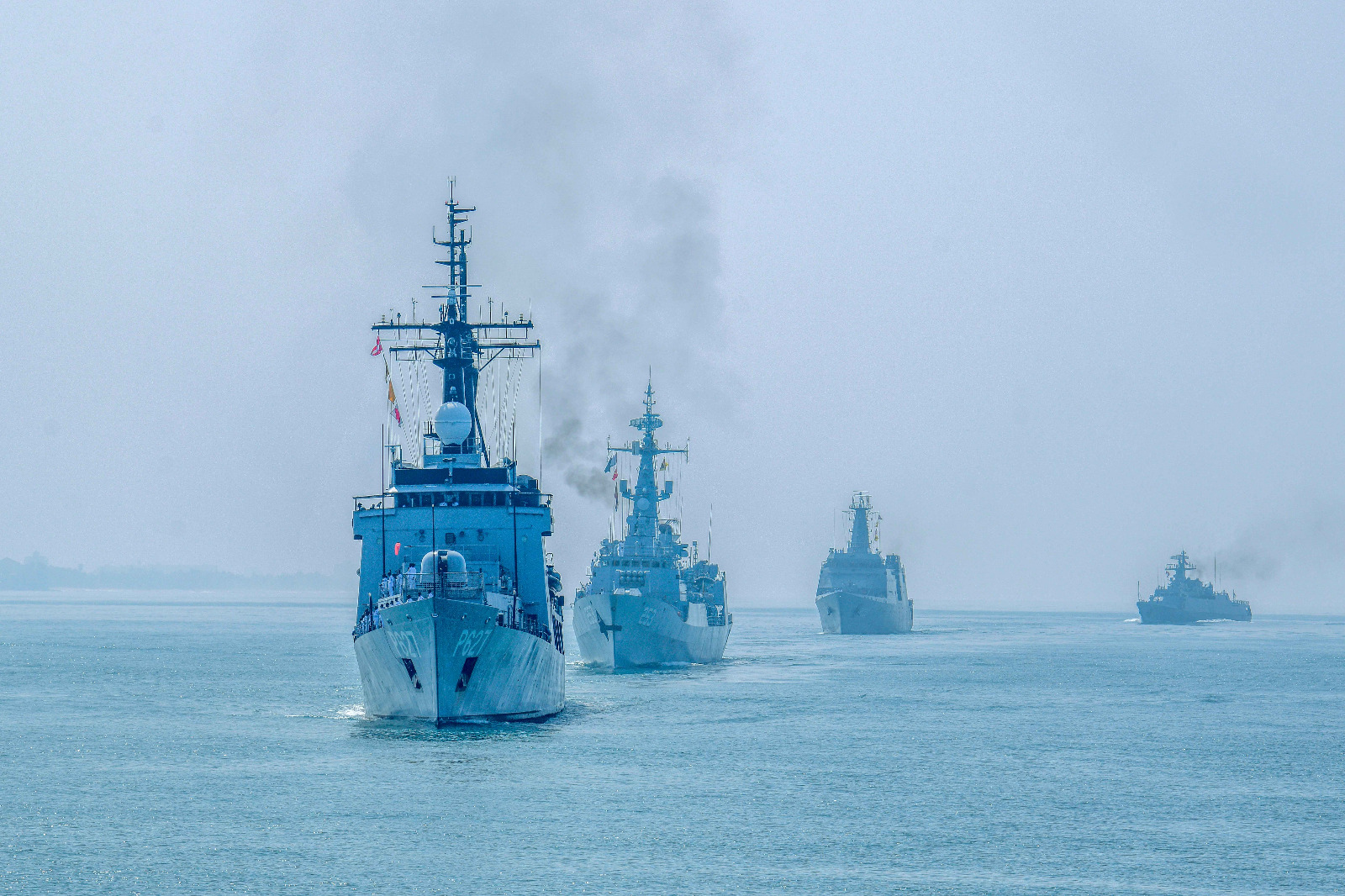
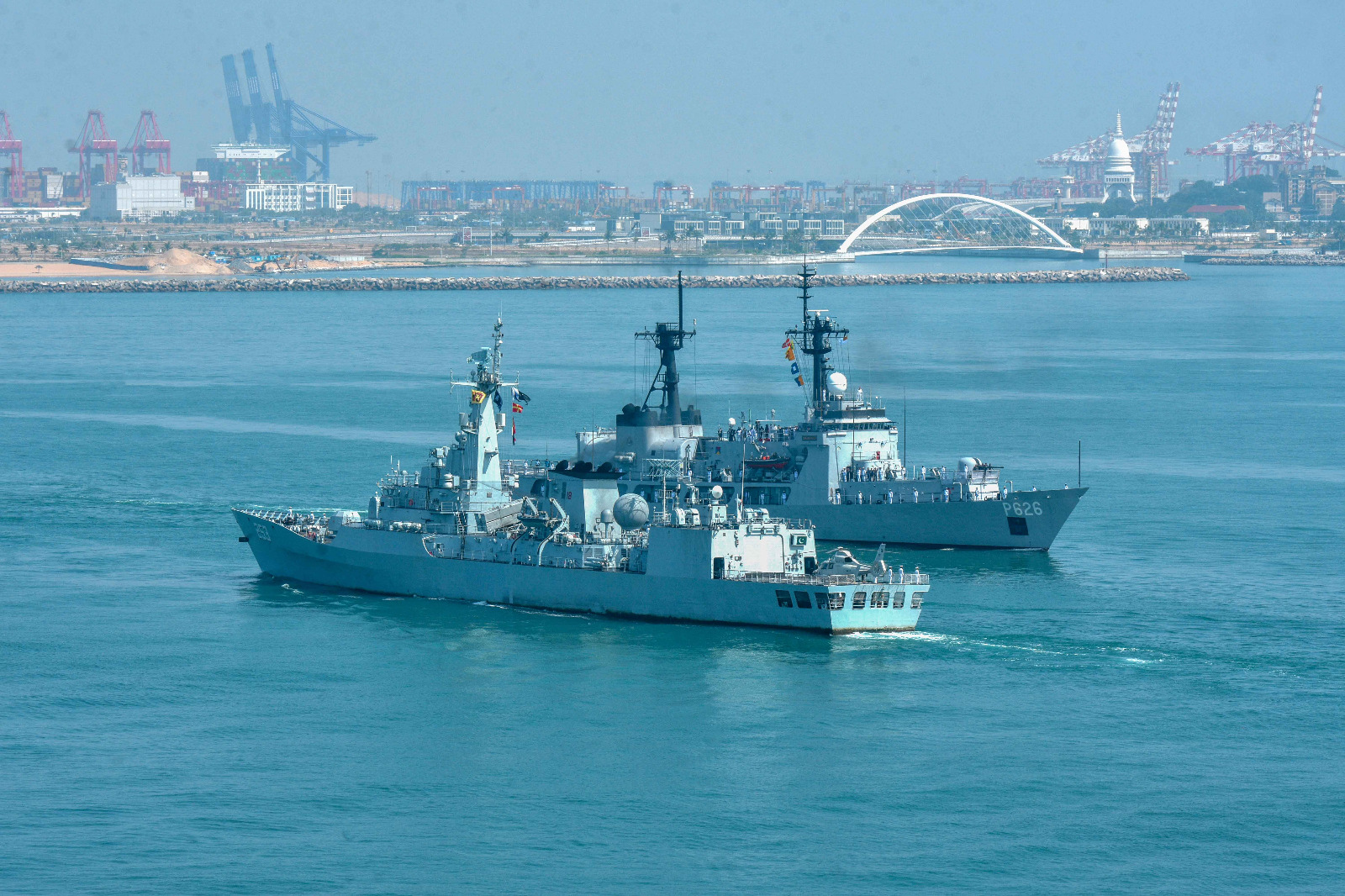
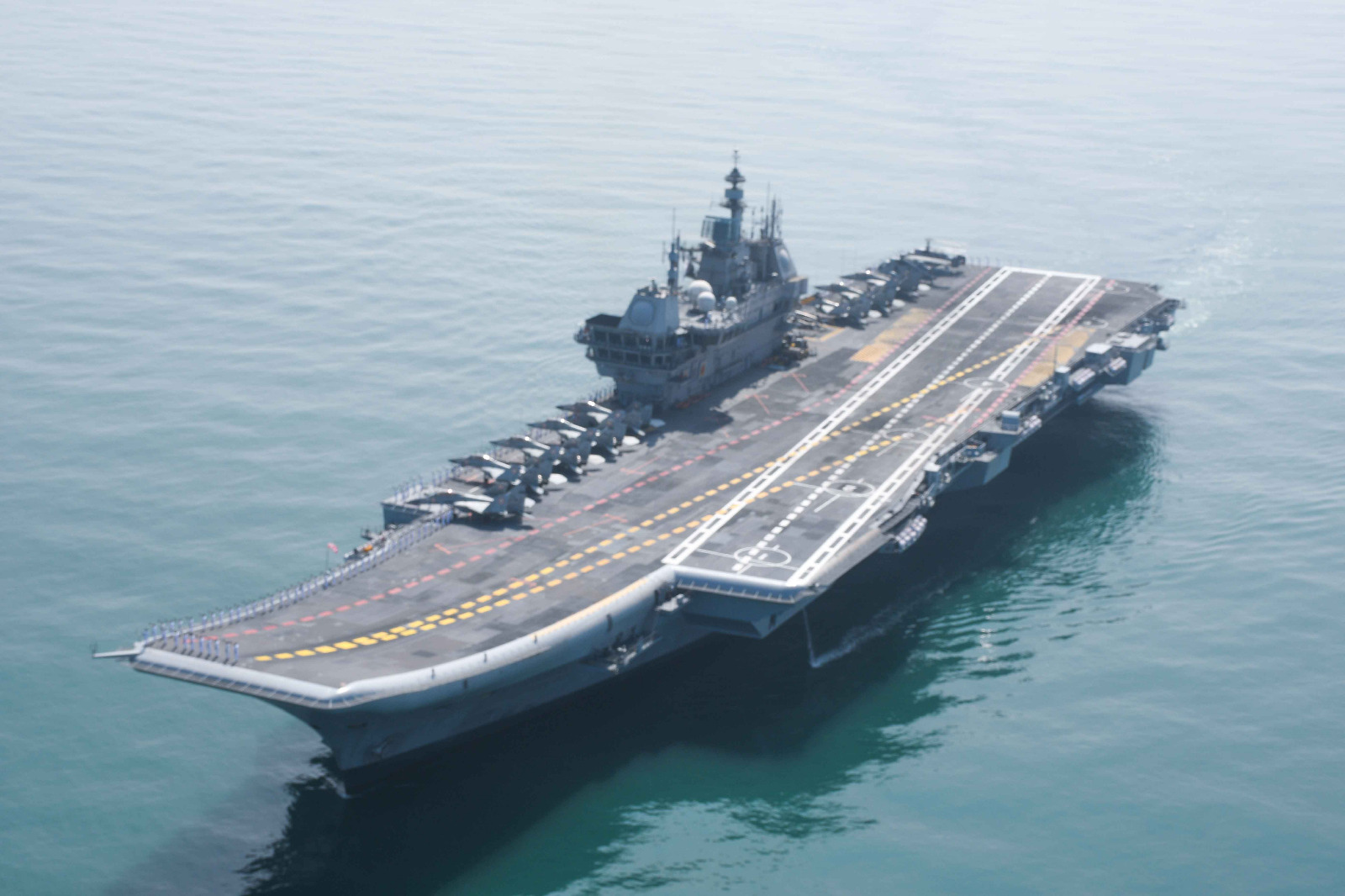
Eight (08) foreign naval warships arrived in Sri Lanka by 27 November to take part in the IFR under the theme “Sailing Strong – Together”. The participating warships included the Bangladesh Navy’s BNS PROTTOY, the Indian Navy’s aircraft carrier INS VIKRANT and INS UDAYGIRI, Iran Navy’s IRIS NAGHDI, the Maldivian Coast Guard’s CGS HURAVEE, the Royal Malaysian Navy’s KD TERENGGANU, Pakistan Navy’s PNS SAIF and Russian Navy’s GREMYASCHCHY.
Due to the disaster-situation triggered by severe weather conditions across the island, foreign warships that arrived for the event were promptly redirected to support humanitarian efforts. Particularly, helicopters deployed from the Indian Navy’s aircraft carrier INS VIKRANT and Pakistan Navy’s PNS SAIF played a praiseworthy role in search and rescue missions for affected communities.
Accordingly, the warships representing each nation joined the IFR, honouring proud maritime traditions and in acknowledgement of Sri Lanka and its Navy. Their participation also reinforced collective cooperation and partnership needed to address non-traditional maritime threats in the region, as well as natural disasters driven by climate change.
The Prime Minister expressed gratitude to a group of diplomatic officials, present on this occasion, for their support in the disaster relief operations. The officials, who were present on the occasion, represented the High Commissions and Embassies of Bangladesh, India, Iran, Maldives, Malaysia, Pakistan, and Russia in Sri Lanka.

Zohran Mamdani sworn in as New York City mayor

In pictures: New Year welcomed around the world

Foreign warships commended for their assistance during weather disaster in Sri Lanka

Machu Picchu train crash leaves one dead and dozens injured

I invite you to step into 2026 with renewed energy, hope, and determination – PM

Fairly heavy showers about 75 mm are likely at some places in the Central and Uva provinces and in Batticaloa and Ampara districts

‘Dates have the highest sugar content to fight Coronavirus’

Sunday Island 27 December – Headlines

#SundayIsland 17th December – Headlines

Sunday Island – 28th March

Sunday Island Headlines – 21 March

Sunday Island – 21st February – Headlines
-
 News7 days ago
Street vendors banned from Kandy City
-

 Sports4 days ago
Gurusinha’s Boxing Day hundred celebrated in Melbourne
-

 News7 days ago
Lankan aircrew fly daring UN Medevac in hostile conditions in Africa
-
 News2 days ago
Leading the Nation’s Connectivity Recovery Amid Unprecedented Challenges
-

 Sports5 days ago
Time to close the Dickwella chapter
-

 Features3 days ago
It’s all over for Maxi Rozairo
-

 Features7 days ago
Rethinking post-disaster urban planning: Lessons from Peradeniya
-

 Opinion7 days ago
Are we reading the sky wrong?