
Business
How to make Avurudu healthier this year?

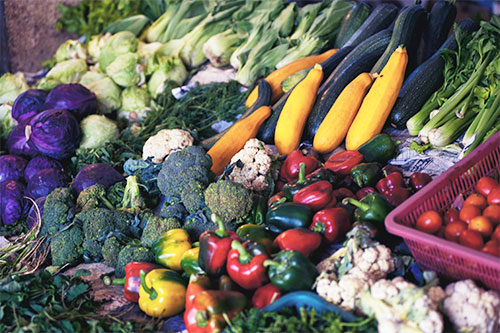
The Sinhala and Tamil New Year is a celebration of harvest, sweet meats, happiness and plentiful blessings for the upcoming year. A time to spend with family and cherish old memories, of course while maintaining health guidelines, and share comfort from the knowledge ‘that we got past the challenges from the year that passed.’
It is also a time to indulge in scrumptious traditional sweets; that are either shop bought or made at home; the fun of sharing plates of food with your neighbours and family member that may include kokis, kevum, aluwa, asmi, bananas and creamy delicious kiribath!
However it is important to monitor ones ‘Avurudu indulgence’ as unhealthy eating and over indulgence during festive seasons have harmful consequences such as reducing the body’s ability fight off infections, most of all worsening the impact of chronic illnesses such as high blood pressure and increase blood sugar levels in the elderly especially.
Medical Nutritionist, Dr Senani Ranaweera says, “Nutrition is an important aspect of our lives. What we ingest, digest, absorb and utilise supports us with a good quality of life. With our fast paced lifestyle we may assume that eating healthy is tough, however good nutrition even during a celebratory time can be achieved”. Thus, Dr Ranaweera shares a few tips on how we can make our Avurudu healthier this year for you and your elderly loved ones
1. Moderation.
Having guilt-free moments to indulge is important, but how much and how often you treat yourself depends on your overall health especially the elderly. It is important to cut down calories through fat and sugar to prepare for the Avurudu week. Limiting the intake of fried food, fat portion control in your main meals, while increasing intake of fruits and non-starch vegetables.
2. Be mindful the week before and after
Being mindful the week before and after Avurudu can be a useful strategy to manage the impact of the sugar rich, oily food. For example, avoiding your Sunday slice of butter cake this week as you know that you will be diving into another two next week is a useful tactic.
3. Skip the sugar in your tea.
According to Dr Ranaweera, tea is a good antioxidant for our body, however when consumed with sugar we are introducing more unnecessary calories into our diet. Thus, avoiding your teaspoon full of sugar, at least for the Avurudu season, will help limit the amount of refined sugar intake.
4. Add some Sri Lankan leafy greens
Inculcating Sri Lankan fresh greens such as Gotu kola, Thebu kol and Karavila, mixed with some onions and lemon – sambol style, can be an interesting taste tantaliser as well as a good form of controlling blood sugar levels with their rich bioactive compounds.
5. Exercise and hydration!
Maintaining an active lifestyle with some movement is important and beneficial, even for the elderly, to manage health conditions such as diabetes and high blood pressure along with improving ones overall health. Ensure that the momentum is kept up even during the holiday season to burn off the excess calories. Similarly, hydration is vital for the good function of our organs, including digestion, maintaining blood pressure and delivering oxygen throughout the body.


Visa successfully hosted the Visa Sri Lanka Cybersecurity Conclave 2026 on 25 June 2026, convening leaders from the banking sector, Government, regulators and industry bodies to foster dialogue on evolving cyber threat landscape and the collective action needed to strengthen cyber resilience across Sri Lanka’s digital economy.
As digital payments continue to expand, cybersecurity remains critical to sustaining trust, protecting consumers and businesses, and supporting a more inclusive digital economy. The conclave served as a focused platform for industry dialogue on emerging cyber threats, fraud prevention, regulatory readiness and public-private collaboration in safeguarding consumers, businesses and the wider financial ecosystem.
The event featured expert-led sessions by Visa leaders, covering Cyber Threat landscape, AI-driven Cybersecurity, Visa Cyber Solutions and Advisory, Risk landscape and AI-powered Fraud Prevention introducing Featurespace. Discussions underscored the increasing sophistication of cyberattacks and fraud patterns, particularly as AI-enabled threats create new challenges for financial institutions, regulators, and businesses.
A senior-level panel discussion brought together Sirikumara Kudagama, Deputy Governor of the Central Bank of Sri Lanka; Waruna Dhanapala, Secretary to the Ministry of Digital Economy; Brigadier K.V.P. Dhammika, Director of Cyber Command and Information Warfare Centre; Mr. Kapila Hettihamu, Chief Risk Officer of Commercial Bank of Ceylon; and Avanthi Colombage, Country Manager, Sri Lanka and Maldives, Visa. The panel delved on Sri Lanka’s changing cyber risk environment and the need for stronger preparedness across the financial sector, with emphasis on proactive threat intelligence, real-time response capabilities, stronger information sharing, capacity building, robust regulatory frameworks and the adoption of advanced security solutions to help institutions stay ahead of emerging risks.
Waruna Dhanapala, Secretary to the Ministry of Digital Economy, said, “As Sri Lanka advances its digital transformation, cybersecurity is a national priority and a critical enabler of trust in the digital economy. The expansion of digital payments and technology-enabled commerce presents significant opportunities, but also requires coordinated action, strong safeguards and trusted partnerships. Initiatives such as the Visa Sri Lanka Cybersecurity Conclave 2026 are valuable in bringing together government, regulators, financial institutions and industry leaders to exchange insights, address emerging risks and strengthen collective resilience. We value the role that global payments leaders such as Visa continue to play in supporting Sri Lanka’s digital ecosystem through expertise, innovation and collaboration. This conclave was a timely effort to reinforce the shared responsibility needed to build a secure, resilient and inclusive digital economy for the country.”
Commenting on the success of the conclave, Avanthi Colombage, Country Manager, Sri Lanka and Maldives, Visa, said, “As Sri Lanka’s digital economy continues to grow, cybersecurity is fundamental to building trust in digital payments. At Visa, we are committed to working closely with regulators, financial institutions and ecosystem partners to support safer, more resilient digital commerce for consumers and businesses. Strengthening cyber resilience is not the responsibility of one institution alone. It requires collaboration, preparedness and continued investment across the ecosystem. Through initiatives such as the Visa Sri Lanka Cybersecurity Conclave 2026, Visa continues to support Sri Lanka’s financial ecosystem with global expertise, practical insights and security-led solutions that help protect the future of digital commerce in Sri Lanka.”
Business
First Capital maintains Bond Yield Outlook for 2026, identifies market recovery potential in 2027


First Capital Holdings PLC, a subsidiary of JXG (Janashakthi Group) and a key player in Sri Lanka’s capital markets landscape, has maintained its outlook for Sri Lanka’s fixed income and equity markets, forecasting stable bond yields through 2026 while identifying potential opportunities emerging in 2027 as economic conditions improve.
According to the First Capital Mid-Year Outlook 2026, bond yields are expected to remain within current forecast ranges during 2026, with a 50 basis point premium introduced to the longer end of the yield curve in the first half of 2027 due to continued concerns surrounding debt sustainability and the pace of structural reforms.
First Capital expects inflation to average 6% in 2026, with recent monetary policy tightening by the Central Bank of Sri Lanka supporting inflation stability. However, the higher interest rate environment is expected to weigh on economic growth and credit expansion, creating potential room for a rate reduction during the first half of 2027.
Commenting on the outlook, Dimantha Mathew, Chief Research & Strategy Officer of First Capital Holdings PLC, said, “The recent tightening in monetary policy has helped stabilise inflation expectations, although it is expected to moderate economic momentum in the near term. We believe investors should remain positioned within shorter tenures, providing a dual opportunity with potential capital gains as yields are expected to normalise and move down towards our targeted bands, whilst attractive carry opportunities remain available for investors. While progress on reforms remains critical, improving macroeconomic stability could create favourable conditions for market recovery over the medium term.”
First Capital forecasts the Average Weighted Prime Lending Rate (AWPR) to remain between 10.0%–11.0% during the second half of 2026, before easing to 9.5%–10.5% in the first half of 2027, supported by moderating GDP and credit growth and stabilising liquidity conditions.
The Sri Lankan Rupee is expected to remain within a range of LKR 325–335 against the US Dollar during the second half of 2026, with a gradual depreciation to LKR 335–345 anticipated in the first half of 2027 as external pressures and foreign exchange dynamics evolve.
In equities, First Capital maintains its 2026 All Share Price Index (ASPI) base case fair value target of 20,500 and introduces a 2027 target of 24,500, supported by expectations of softer inflation, earnings recovery, improving liquidity and a gradual easing of monetary policy. Given the expected near-term sideways movement in the market, First Capital recommends a higher cash allocation of 50% to enable investors to capitalise on potential entry opportunities ahead of a broader recovery.
The First Capital Mid-Year Outlook 2026 reflects the institution’s continued commitment to providing research-driven market insights and supporting investors in making informed investment decisions amid Sri Lanka’s evolving economic landscape.

The CSE was trending down yesterday as external environmental issues, especially the US-Iran hostilities, continued to impact the global economy adversely.
The All Share Price Index went down by 170.60 points, while the S and P SL20 declined by 43.39 points. Turnover stood at Rs 2.63 billion with four crossings.
Turnover stood at Rs 2.63 billion with four crossings. Those crossings were: CT Holdings crossed 1.1 million shares to the tune of Rs 551 million; its shares traded at Rs 510, Cargills Ceylon 856,000 shares crossed for Rs 145 million; its shares sold at Rs 630, LMF 232 million shares crossed for Rs 232 million; its shares sold at Rs 84 and Dialog 457,000 shares crossed to the tune of Rs 20 million; its shares sold at Rs 43.
In the retail market companies that mainly contributed to the turnover were; JKH Rs 109 million (5.5 million shares traded), Haycarb Rs 93 million (535,000 shares traded), CCS Rs 60 million (447,000 shares traded), Bairaha Farm Rs 54 million (626,000 shares traded), Ambeon Capital Rs 48 million (1.6 million shares traded), LMF Rs 47 million (556,000 shares traded) and ACL Cables Rs 44 million (455,000 shares traded). During the day 56 million share volumes changed hands in 17347 transactions.
It is said that manufacturing sector counters, especially JKH, performed well. Further, beverage sector counters, especially Cargills and CCS performed significantly well.
Yesterday the rupee was quoted at Rs 336.20/30 to the US dollar in the spot market, from Rs 336.15/25 Friday, while bond yields edged up, dealers said.
The telegraphic transfer rate for the dollar was 331.80 buying, Rs 340.80 selling; the euro was 376.9467 buying, 390.8637 selling; and the pound was 445.4833 buying, 459.5289 selling.
By Hiran H. Senewiratne

Charted Computer Institute of Sri Lanka to be established
Drug Dependent Persons (Treatment and Rehabilitation) Act No 54 of 2007 to be amendmend
Mrs. O. T. M. I. Thilakarathne appointed to the Post of Surveyor General
Purchase of 600 buses for intercity / long distance services of the Sri Lanka Transport Board
Protection of Historical, Cultural, and Traditional Intellectual Property related to the Kandy Esala Perahera
Development of roads which are not under the Road Development Authority

‘Dates have the highest sugar content to fight Coronavirus’

Sunday Island 27 December – Headlines

#SundayIsland 17th December – Headlines

Sunday Island – 28th March

Sunday Island Headlines – 21 March

Sunday Island – 21st February – Headlines
-

 Business3 days ago
‘Giving up was never an option’: The fisherman who fought back after losing millions in SL
-

 Features3 days ago
Two memorable excerpts from a former SLAF commander’s memoir
-

 Latest News4 days ago
Davis cup Asia/Oceania Group IV 2026 to be held in Colombo from 20th to 25th July
-

 Features3 days ago
Erdoğan’s New Republic
-

 Life style3 days ago
Taste of the Swiss Alps comes to Colombo
-
 Features7 days ago
Dirty Money
-
 News4 days ago
Dengue outbreak gallops ahead: Infections surpasses 73,455, leaving 50 dead
-
 News4 days ago
Evidence recorded in money laundering case against Yoshitha Rajapaksa