
Business
CBSL stresses need for all to remain focused until crisis resolution

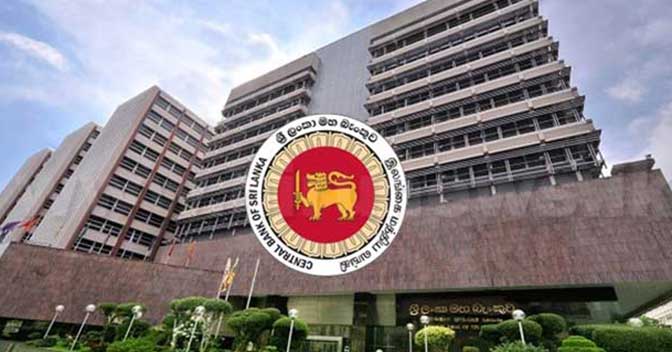
The Central Bank said yesterday it will remain committed to achieving its mandate through appropriate policy measures but reiterated the need for steadfast commitment by all to remaining in focus until the crisis is overcome through collective efforts in this crucial moment of Sri Lanka’s socioeconomic history.It said an efficient implementation of the identified near-term stabilisation measures and the medium to long term structural reforms both by the Central Bank and the Government is vital to position Sri Lanka on a fast track to recovery on a sustained basis.
Nevertheless, formulating macroeconomic policies and recovery strategies during a crisis is fraught with enormous uncertainties. This requires timely adjustments to policies and strategies as new information becomes available,” CBSL said in releasing its monetary and financial sector policies for 2023 and beyond.
Following is the full text of the CBSL statement.
Sri Lanka encountered the most challenging year in 2022 in the post-independence economy.
Headwinds due to consecutive economic shocks in recent years, including the Easter Sunday attacks in 2019, the outbreak of COVID-19 in 2020, and its protracted impact on activity in the aftermath in 2021, the socioeconomic and political crisis in 2022amidst catastrophic balance of payments (BOP) pressures, along with unprecedented policy tradeoffs, have severely affected economic activity, inflicting unimaginable hardships to individuals and businesses.
Livelihoods were lost, while real incomes suffered the most. Structural economic impediments that existed across various spheres of the economy over decades were compounded by these economic shocks, along with ill-timed policy choices, thereby loosening the macroeconomic balance and resulting in a sudden and multipronged setback for the nation.
The Government and the Central Bank were compelled to implement painful, but unavoidable policy measures during 2022 aimed at restoring macroeconomic balance.
Monetary policy was tightened by an unprecedented adjustment in interest rates to prevent inflationary pressures from worsening while arresting any adverse inflation expectations over the near to medium term. A temporary suspension of selected foreign debt was announced amidst the dire foreign exchange shortage while initiating measures to consolidate public debt with the envisaged support from an extended fund facility (EFF) arrangement from the International Monetary Fund (IMF).
Foreign exchange outflows, which were spared due to the suspension of certain debt servicing, helped make the immediately required operational space to contain the burgeoning BOP pressures, along with inflows of foreign exchange from friendly nations and multilateral sources. Foreign exchange outflows were further contained by several other measures,
including the prioritisation of imports. These measures ensured the availability of foreign exchange for essential imports, including fuel, coal, cooking gas, medicine, and food items, among others, thereby relieving socioeconomic unrest to a greater extent.
Meanwhile, exchange rate stability was restored by a consultation process with market participants, following a significant overshooting in early 2022. Further measures were initiated to improve foreign exchange liquidity in the domestic foreign exchange market with the repatriation and conversion requirements of foreign exchange, thereby disincentivising activity in the grey market.
Meanwhile, an array of measures was implemented to preserve stability in the financial system, thereby avoiding any far-reaching consequences on the entire socioeconomic structure. Further, the Government has embarked on long-overdue reforms to rectify structural deficiencies in fiscal operations, as well as other sectors of the economy, that are imperative in ensuring a sustained recovery of the economy.
In parallel with the implementation of near-term economic stabilisation measures, negotiations with the IMF for an EFF arrangement were initiated by the Government and a Staff Level Agreement was reached in September 2022.
Meanwhile, measures are underway to secure financing assurances from official creditors for the debt restructuring process aimed at ensuring medium term public debt sustainability. With significant progress being made at present in relation to the interaction with the Sri Lankan creditors, the envisaged IMF facility is expected to materialise in early 2023.
The near-term economic stabilisation measures implemented thus far are unprecedented. The sacrifice made by individuals and businesses during these difficult times would be meaningful only when economic stability is restored over the medium to long term.
Towards that end, collective and coordinated efforts are needed from all corners of society to ensure that the economy makes a sustainable recovery.
The outlook for the economy for 2023 and beyond and the major aspirations of the Monetary Board of the Central Bank for regaining macroeconomic stability are laid out below Inflation and economic growth
I. The rapid acceleration of inflation that began from early 2022, turned around in October 2022, supported by the tight monetary policy measures implemented to contain inflationary pressures, the fiscal consolidation efforts and supply side policies of the Government, along with the relative easing of price pressures globally, among others
II. Headline inflation is expected to move along a disinflationary path with a deceleration in the first half of 2023 and reaching the desired levels of inflation towards the end of 2023. If any upside risks to inflation emerge in the period ahead, that would be addressed through appropriate policy measures
III. Inflation expectations remain well anchored along the projected disinflation path
IV. The Sri Lankan economy, which is projected to register a real contraction of around 8% in 2022, is expected to record a gradual recovery from the second half of 2023 and sustain the growth momentum beyond
Monetary policy and interest rates
I. The monetary policy will remain focused on ensuring price stability over the medium term
II. The forthcoming Central Banking Act, of which the draft has already been approved by the Cabinet of Ministers, will further strengthen the independence and accountability of the Central Bank, thereby reinforcing its core objective of ensuring price stability within the flexible inflation targeting (FIT) framework
III. The Central Bank will start publishing a forward-looking Monetary Policy Report to better inform the public on the outlook of the economy, thereby further improving the transparency of monetary policy actions
IV. The excessively high levels of interest rates observed at present are expected to moderate in the period ahead as money market liquidity conditions improve and the risk premia attached to debt restructuring concerns assuage
V. As guided by the near-term inflation outlook, market interest rates could adjust downward, yet maintain reasonably tight monetary conditions until inflationary pressures are sufficiently contained
VI. The Central Bank has already requested the banking and non-banking sector institutions to avoid unhealthy competition for raising deposits by offering high rates of interest, which has led to excessive adjustments in all market interest rates, including the lending rates, well above the adjustment of policy interest rates. The market interest rate structure (of both deposit and lending interest rates) is expected to moderate in the period ahead with improving market liquidity conditions. If such adjustment would take longer time than anticipated, the Central Bank will consider taking administrative measures, as appropriate
VII. Further flexibility in the determination of the exchange rate will be restored in line with the medium to long-term equilibrium levels that help foster competitiveness
Financial sector
I. Ensuring financial system stability also remains at the forefront of the Central Bank’s reform and stabilisation plan
II. The Central Bank ensures liquidity support to fulfil cashflow requirements of banking institutions to enhance the resilience of the financial sector
III. The proposed Banking (Special Provisions) Act is expected to provide the required legal framework to ensure that the banks are adequately capitalised, and upgrade their resolution framework, safeguard the interests of depositors, and strengthen the regulatory powers of the Central Bank
IV. Existing regulations relating to capital and liquidity will be reviewed in order to preserve the capital and liquidity levels of the banking sector to withstand emerging risks. Moreover, the current regulation on single borrower exposure limits will also be reviewed to reduce the sovereign-bank nexus
V. Consolidation of financial institutions in both the banking and non-banking financial sectors will be carried out/facilitated to improve capital with the benefit of economies of scale, synergy, and efficiency, while enhancing the financial strength, resilience and overall stability of those entities and their ability to cater to the growing demands of the business community in the period ahead
VI. Amendments to the Finance Business Act No. 42 of 2011 and the Finance Leasing Act No. 56 of 2000 in line with the market developments will be introduced aiming at ensuring stability of the non-bank financial sector. Moreover, the proposed Microfinance and Credit Regulatory Authority Act will improve the market conduct and consumer protection of overall non-banking sector customers. Further, measures will be prioritised to bring the Licensed Micro-Finance Companies (LMFCs) and unregulated moneylenders under the regulatory purview
Foreign exchange management
I. Cross border and domestic foreign exchange transactions monitoring system (i.e., International Transactions Reporting System – ITRS) introduced in 2022 will be further optimised to enhance data coverage in the external sector, improve regulatory monitoring and support informed decision making
II. The demand management measures imposed on curtailing certain imports will be assessed vis-à-vis the foreign exchange liquidity and monetary conditions
An efficient implementation of the identified near-term stabilisation measures and the medium to long term structural reforms both by the Central Bank and the Government is vital to position Sri Lanka on a fast track to recovery on a sustained basis.
Nevertheless, formulating macroeconomic policies and recovery strategies during a crisis is fraught with enormous uncertainties. This requires timely adjustments to policies and strategies as new information becomes available.
The Central Bank will remain committed to achieving its mandate through appropriate policy measures while closely observing developments to take corrective policy and regulatory measures. The Central Bank appreciates the unwavering support, cooperation, and sacrifice of the financial sector participants, the business community, and the public at this crucial moment of Sri Lanka’s socioeconomic history, and reiterates the need for steadfast commitment to remaining in focus until the crisis is overcome through collective efforts.


HNB Assurance PLC was recognized at the Great HR Awards 2025, receiving the Merit Award in the Finance, Insurance, Real Estate, and Investment sector. This recognition reflects the company’s continued commitment to strengthening its people strategy, nurturing a progressive culture, leveraging technology and maintaining strong industrial relations.
Sharing his thoughts on this accomplishment, Lasitha Wimalarathne, Executive Director / Chief Executive Officer of HNB Assurance PLC, stated, “This recognition reiterates our belief that people are the true drivers of our success. Over the years, we have invested significantly in building an environment where our teams feel inspired and supported to deliver their best. As we continue to grow as one of Sri Lanka’s best insurance companies, this award reflects our ongoing efforts to build a workplace where both our people and our business can thrive. My sincere thanks go out to our HR team for continuously driving these initiatives.”
Commenting on the award, Navin Rupasinghe, Head of HR / DGM at HNB Assurance PLC, said, “Our people-first philosophy shapes every HR initiative we design, from strengthening learning pathways and leadership development to enhancing employee well-being and engagement. This recognition validates our ongoing efforts to build a workplace culture grounded in trust, inclusivity and performance. As we look ahead, we remain committed to evolving our HR practices to meet the expectations of our people and the future of work. My sincere thanks to the CIPM for this recignition.”

MullenLowe Sri Lanka has been awarded Gold as the Rest of South Asia’s Creative Agency of the Year at the Campaign Agency of the Year Awards 2025, held recently at Mumbai’s ITC Maratha Hotel. The accolade marks a landmark year for the agency, driven by breakthrough ideas, ambitious brands, and a surge in economic activity.

Campaign Agency of the Year – South Asia 2025 (Rest of South Asia – Creative Agency) awarded to MullenLowe Sri Lanka
Guided by a clear creative vision and extensive category expertise across 111 brands in 33 sectors, MullenLowe strengthened its position through strategic leadership appointments, talent acquisition, and the integration of AI-enabled tools. These initiatives created an environment where creativity, learning, and commercial impact worked in tandem, supporting long-standing client relationships and consistent new business momentum.
Thayalan Bartlett, Executive Chairman, said, “Our growth is rooted in a people-first, creative-centred culture. By attracting top talent and focusing on continuous upskilling, we have enriched both our creative and strategic capabilities.”
The agency’s innovation was further enhanced by Fever, its AI-enabled production studio, and LoweGo, a subscription-based design unit, enabling faster and more scalable solutions for modern marketers. Training programs, including an international AI workshop in Baku for top creative minds, helped unify teams around technology-driven creativity, leading to MullenLowe’s highest Effie points haul in a decade.
Harendra Uyanage, Senior Vice President and Executive Creative Director, added, “This recognition celebrates a team that constantly stretches its creative boundaries, transforming every brief into opportunity.”
The win adds to a series of recent accolades, including Most Effective Agency of the Year at the 2024 Effie Awards, and multiple awards at Dragons of Sri Lanka and SLIM Digis 2025, cementing MullenLowe’s vision to become Sri Lanka’s most commercially impactful creative company by 2030.

The Commercial Bank of Ceylon PLC was named Sri Lanka’s Best Trade Finance Bank at the prestigious Euromoney Transaction Banking Awards 2025, in recognition of the Bank’s strong performance and continued contribution to supporting Sri Lanka’s export and import sectors.
This global recognition from Euromoney, a leading authority in financial markets, celebrates institutions that demonstrate innovation, leadership, and measurable impact in transaction banking across cash management, payments, trade finance, and technology. Commercial Bank is Sri Lanka’s clear market leader in trade finance, commanding a 21% share in exports and a 14.26% share in imports, demonstrating its strong presence across both segments.
In 2024, the Bank supported over US$ 5 billion in trade transactions, underscoring its unmatched role in enabling the flow of goods, services, and foreign exchange. Its leadership has also been recognised regionally by the Asian Development Bank (ADB), which named Commercial Bank its Leading Partner Bank in Sri Lanka for the fourth consecutive year under the Trade and Supply Chain Finance Programme.
At the forefront of Commercial Bank’s recent innovations is ComBank TradeLink, Sri Lanka’s first fully integrated, end-to-end digital trade finance platform. The system brings all trade finance operations – from Letters of Credit to export collections and shipping guarantees – into one secure online interface, providing customers real-time visibility, faster processing, and paperless convenience. This digitalisation drive has redefined the client experience, reduced manual processes and improved turnaround times across thousands of transactions.
The Bank’s commitment to advancing Sri Lanka’s trade sector extends beyond technology. Through initiatives such as the ComBank Trade Club, which facilitates connections between buyers and suppliers both locally and internationally, and ComBank LEAP | GlobalLinker, a digital business networking platform for SMEs, the Bank is actively building bridges between Sri Lankan entrepreneurs and global markets. Its Diribala Exporter Development Programme further empowers micro, small, and medium enterprises to become export-ready, providing access to expert guidance, training, and financial support.
Reflecting on the award, Commercial Bank said the recognition from Euromoney was a tribute to the trust placed in the Bank by Sri Lanka’s exporters and importers, and to the dedication of its trade finance teams who continue to innovate and deliver excellence in a rapidly evolving global landscape.
As Sri Lanka’s largest private sector bank and the first to surpass US$ 1 billion in market capitalisation, Commercial Bank continues to lead in supporting national trade, driving digital transformation, and shaping a more inclusive and resilient export economy, the Bank said.
Commercial Bank was the first bank in the country to be listed among the Top 1000 Banks of the World, and has the highest Tier I capital base among all Sri Lankan banks. The Bank is the largest private sector lender in Sri Lanka and the largest lender to the country’s SME sector. Commercial Bank is also a leader in digital innovation and is Sri Lanka’s first 100% carbon-neutral bank.
Commercial Bank operates a network of strategically located branches and automated machines island-wide, and has the widest international footprint among Sri Lankan banks, with 20 branches in Bangladesh, a fully-fledged Tier I Bank with a majority stake in the Maldives, a microfinance company in Myanmar, and a representative office in the Dubai International Financial Centre (DIFC). The Bank’s fully owned subsidiaries, CBC Finance Ltd. and Commercial Insurance Brokers (Pvt) Limited, also deliver a range of financial services via their own branch networks.

Nine killed in shooting at Australia’s Bondi Beach, police say

Angry fans throw chairs and bottles at Messi event in India

Landslide early warnings in force in the Districts of Badulla, Kandy, Kegalle, Kurunegala, Matale, Nuwara Eliya and Ratnapura

The rights of the fishing community will never be compromised – President

Prioritize rebuilding the livelihoods of disaster-affected communities – President

A few showers may occur in the Northern, North-Central, Eastern, Uva and Central provinces

‘Dates have the highest sugar content to fight Coronavirus’

Sunday Island 27 December – Headlines

#SundayIsland 17th December – Headlines

Sunday Island – 28th March

Sunday Island Headlines – 21 March

Sunday Island – 21st February – Headlines
-

 Features5 days ago
Finally, Mahinda Yapa sets the record straight
-

 News7 days ago
Over 35,000 drug offenders nabbed in 36 days
-

 News6 days ago
Cyclone Ditwah leaves Sri Lanka’s biodiversity in ruins: Top scientist warns of unseen ecological disaster
-

 News7 days ago
Rising water level in Malwathu Oya triggers alert in Thanthirimale
-
 Features5 days ago
Handunnetti and Colonial Shackles of English in Sri Lanka
-

 Business3 days ago
Cabinet approves establishment of two 50 MW wind power stations in Mullikulum, Mannar region
-

 Business7 days ago
Sri Lanka betting its tourism future on cold, hard numbers
-

 News7 days ago
Jetstar to launch Australia’s only low-cost direct flights to Sri Lanka, with fares from just $315^