
Life style
Belle (Bael) Therapeutic benefits for skin, diabetes and supplements

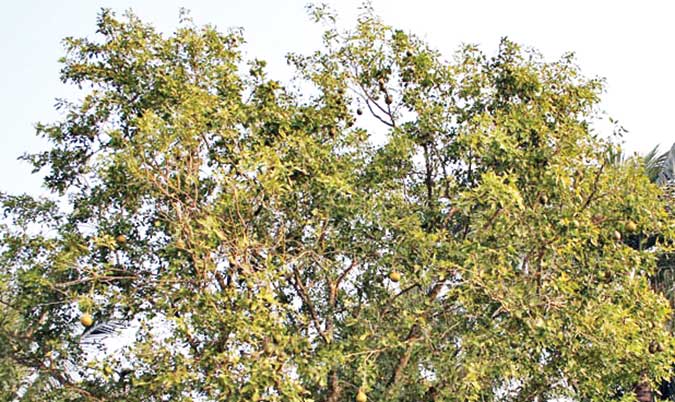
Bael or wood apple known as belle in Sinhala is also known as Bilva in Sanskrit, Bilva Pazham in Tamil, Bilva or Maredu Phalam in Telugu and Bengal Quince is a native to India, Malaysia, Thailand, Sri Lanka and Southeast Asian countries. Bael that goes with the botanical name Aegle marmelos is a middle-sized tree, with slender branches, pale brown bark that often oozes an edible gum. The leaves of bael are quite unique, trifoliate in shape which means each leaf consists around 4 to 12 pairs of side veins adjoining at the margin.
Despite interchangeable – the word ‘Wood Apple’ should not be confused with another similar fruit Kaitha Bael in Hindi, Velaga Pandu in Telugu, Vilam Palam in Tamil that goes with the botanical name Limonia acidissima as these both fruits differ in taste, colour and properties.
The Bael fruits are globose in shape, with a hard exterior and it doesn’t split open even upon ripening. The raw fruits look greenish grey while the woody exterior turns yellow upon ripening. The ripened fruit contains aromatic pulp with around 10 to 15 seeds, enclosed in a sac filled with natural adhesive.
Bael tree also has a huge religious significance in Hindu scriptures. Believed as the favourite tree of Lord Maha Shiva, the goodness of this botanical wonder found a special mention in Rig Veda and is also believed as the residence of Goddess Lakshmi for wealth and prosperity. Bilva leaves, fruits form a major part while worshipping Lord Shiva.
Bael fruits are a power punch of various nutrients like beta-carotene, protein, riboflavin and vitamin C. It is loaded with vitamin B1 and B2, thiamine, riboflavin, niacin, carotene and possesses good amounts of minerals like calcium, potassium, fiber and good fats.
These fruits are also popular for antioxidant, anti-inflammatory and laxative properties and it has been in use for its medicinal and therapeutic properties in Ayurveda, Siddha and other forms of alternate medicine for thousands of years.
And if you are wondering, how to include these hard-exterior fruits in your daily diet, the best way is to drink homemade bael sherbet. Popular in Odisha and West Bengal this sherbet serves as an instant body cooler and an energizer on a sunny day.
Bael fruits doesn’t split open even after getting ripened. Choose a pale yellow, sweet smelling fruit and try breaking the shell with a hard object. Scoop out the pulp to make this easy sherbet.
How To Make Bael Sherbet or uice At Home:
Bael Sherbet is a traditional recipe, often found in the households of North Eastern India, especially during summers. This natural coolant not only quenches your thirst but also provides instant energy, thanks to its nutrients.
Benefits of Bael
Bael is loaded with a myriad of nutrients which include vitamins A, B1, B2, C and minerals calcium, potassium and iron. The host of plant compounds in bael is beneficial in treating tuberculosis, hepatitis, ulcer and digestive problems. Furthermore, it is also a good source of tannins which aid in treating cholera.
High on Carbs:
Bael being high on carbohydrates provides ample amounts of energy to the body for carrying out various bodily activities. Consumed in a limited quantity, it helps the brain cells to work better, aid in digestion and keeps a check on the cholesterol level.
Rich in Potassium:
The abundance of potassium in Bael makes it an appropriate fruit for people suffering from hypertension. It prevents the arteries from hardening, thus reducing strokes and preventing heart ailments. The richness of potassium in bael helps to eliminate sodium through urine and also eases the tension on the blood vessel walls which helps in lowering the blood pressure and treating the various symptoms of hypertension.
Loaded with Calcium:
Calcium being the second abundant element present in Bael is vital for bone health. It attributes to the strengthening of teeth, bones and prevents osteoporosis. It also plays a major role in in controlling loss of blood in case of injuries.
Iron Rich:
Bael being a rich source of iron acts as a natural blood purifier and increases red blood cell and hemoglobin count in blood. It is extremely beneficial for people suffering from anemia.
Abundance of Vitamins:
Bael being loaded with Vitamins has innumerable health benefits. It is a rich source of Vitamins A, B and C and the presence of these multivitamins make Bael the number one choice among fruits in the treatment of eye problems, digestive disorders, heart ailments, skin diseases and by preventing the body against infections and enhancing the overall immunity.
Powerhouse of Antioxidants:
The high content of phytochemicals such as flavonoids attribute to the antioxidative properties of Bael making it a potent fruit against heart and liver ailments, reduces high cholesterol and is also useful against various infections.
Bael for Diabetes:
The active constituent “Feronia gum” present in the bark and branches of the bael tree have reportedly shown helpful properties in controlling diabetes. It regulates the production of insulin from the cells into the blood stream and low glycemic index of bael maintains the blood sugar level.A glass of Bael juice (not on empty stomach) every morning has proven beneficial for people suffering from diabetes. (BBC)
Bael for Digestion and Constipation:
Bael is an apt fruit for curing many digestive issues due to its anti- bacterial, anti- fungal properties. It is recommended for people suffering from stomach ulcers as the high content of tannin in its leaves reduces inflammation. The laxative properties of Bael help in cleaning the intestines and prevent constipation.
Regular consumption of Bael juice with a pinch of salt and pepper has been known to show wonders in treating cBael for Scurvy:
Scurvy is a disease caused due to the deficiency of Vitamin C in the body resulting in sore arms and legs and weakness. Bael having a load of vitamin C acts as a boon for people suffering from Vitamin C deficiency and cures the disease in no time.
Bael for Earaches:
This is one of the least known benefits of Bael but holds much importance in getting effective results. The anti-bacterial properties of Bael help in treating infections and removing solidified wax from the ear, thus, preventing problems related to hearing.
Bael for Skin Problems:
Due to the presence of the anti-bacterial properties in Bael, it is highly effective against skin infections, cures many skin disorders and promotes skin health.
Bael For Blood Purification:
Bael also plays a key role in lowering the levels of cholesterol of the blood. It is useful in treating heart, liver and kidney problems. Due to the high amount of potassium, it purifies the blood, removes toxins and boosts the overall immunity of the body.
Bael For Heart:
Being a natural antioxidant and a cardio-protective fruit, Bael has been found to have a positive effect on the heart and hence plays a pivotal role in treating a host of heart ailments. It not only strengthens the heart muscles, drops cholesterol levels in the blood but also prevents lipid accumulation, which in turn reduces the risk of atherosclerosis, heart blocks, heart attacks, blood clots, etc.
Bael For Respiratory Anomalies:
Imbued with anti-inflammatory, anti-biotic, and anti-asthmatic properties, bael holds high significance in treating the common cold, cough and flu symptoms. It also thins and loosens rheum deposits within the chest and nasal cavities and hence eases breathing and helps the body to get rid of mucus. It is also beneficial in treating bronchitis and asthmatic conditions.
Bael For Hair:
Apart from uplifting overall health, Bael has been a boon for promoting hair growth since ancient times. The anti-microbial nature of the plant treats various scalp and hair infections like folliculitis, itching and dandruff. It nourishes the hair follicles with essential nutrients, improves blood circulation and strengthens the hair strands from the roots. By normalizing the secretion of the stress hormone, it also prevents hair fall and breakage due to stress and anxiety.
Bael For Lactation
On daily consumption, bael or any of its formulation help increase the production of prolactin and corticoids, which in turn induces galactagogue action and thereby helps in improving lactation and the quality of breast milk. This is extremely beneficial towards the young ones since breast milk is ideal for their nourishment and helps strengthening their immune system.
Consume juice of bael along with dry ginger powder and a pinch of jaggery to improve galactagogue action.
Bael For Controlling Cholesterol
Bael plays a quintessential role in detoxifying the body by removing AMA toxins from the body. It controls triglycerides, serum and tissue lipid profiles and also reduces the accumulation of LDL cholesterol (i.e. Low-Density Lipoproteins or bad cholesterol) within the body. This action in turn improves metabolism and helps the body to shed weight faster.
Bael For Mouth Ulcers
The glycoprotein secretions of bael have been found in various studies to be extremely effective in treating different types of stomach ulcer including peptic and ulcerative colitis and even treat colic pain. Owing to its soothing properties, the pulp of bael when applied on ulcers or blisters within the oral cavity helps in speeding up the healing process.
Bael in Ayurveda
Bael or Bilva holds much significance in Ayurveda due to its wide range of benefits. Ancient Ayurvedic scriptures also mention Bael as one of the “Dashamoolas” i.e. roots having anti-inflammatory and pain-relieving properties. Each and every part of the tree has a therapeutic benefit.The fruit has Katu (pungent), Tikta (bitter) and Kashaya (astringent) properties. It has Ushna Virya (hot potency) and Katu Vipaka (i.e. pungent metabolic property). It aggravates the Pitta doshas (digestion) and pacifies Vata (air) and Kapha (earth and water) doshas.
The fruit when taken unripe is very effective in improving digestion and preventing constipation.The ripe fruit has Madhura ras (sweet taste) but aggravates all three doshas. However, it plays a key role in treating and curing diarrhea and cholera.
The roots of the plant prevent vomiting and nausea.Churna from the leaves of the plant balances the three doshas and is effective in preventing abdominal colic pain, dyspepsia and gastritis.Decoction of the stem or bark of the plant plays a key role in treating heart related ailments, improves digestion and treats rheumatoid arthritis.


The City of Colombo has welcomed a bold new entrant to its retail landscape. Ministry of Brands – a concept that feels less like a fashion statement. Set along the very buzzing stretch of Vajira Road, Ministry of Brands arrives with a promise that instantly captures the imagination: – global luxury redefined for the Sri Lankan shopper. From the structured elegance of Gucci to the timeless sophstication of Ralph Laurent and modern glamour of Michael Kors, the store looks a curated passport to the world’s most desired brands.
Backed by the legacy and strength of Akbar Brothers, this venture singals a confident step forward for Sri Lanka’s retail evolution.
Ministry of Brands (MoB), Sri Lanka’s first off-price retailer, officially opened its doors to the public, marking a new era in the country’s retail landscape.
The 10,000 sq. ft. flagship store, located at Vajira Road, R.A. De Mel Mawatha, Colombo 4, welcomed guests to an exclusive preview recently, offering a first look at its expansive collection of authentic global luxury and premium brands at discounts of up to 90 percent off original retail prices.
Backed by Akbar Brothers, Ministry of Brands introduces the globally established off-price retail model to Sri Lanka and the wider South Asian region. The concept enables customers to purchase genuine designer and brand-name products at significantly reduced prices, with new pieces landing and replenishing in store daily, offering a dynamic “treasure-hunt” shopping experience and a constantly changing selection.
Off-price retail remains one of the fastest-growing global retail segments, enabling fashion houses to manage excess inventory while responsibly expanding access to premium products.
-

- Director of Mob, Aamir Akbarally; Chairman of Akbar Brothers, Tyeab Akbarally and Chairman of Mob, Hussain Akbarally
-

- Where style meets statement
-

- Fashion experience
-

- New chapter in luxury retail
-

- Curated elegance
-

- Fashion finds its finest expression
Offering more than 2,000 international brands sourced from Europe and the United States, the store features a wide range of categories, including womenswear, menswear, childrenswear, footwear, handbags, accessories, performance wear and homeware. Renowned global labels available at M.O.B include Valentino, Salvatore Ferragamo, DKNY, Michael Kors, Ralph Lauren, Farm Rio, Staud, Alice + Olivia, Burberry, Rag & Bone, Lacoste, Puma, UGG, HOKA, Brooks and Air Jordan, among many others.
Commenting on the launch, Director Aamir Akbarally stated: “We are very excited to finally make authentic global luxury and premium brands more accessible and affordable to Sri Lankans. Ministry of Brands signals the beginning of a new era in Sri Lanka’s retail sector. The response so far has been fantastic, as a family-owned business, we shall always be committed to delivering genuine value, transparency and a world-class shopping experience built on longstanding values of integrity, quality and trust.”
Director Ramzey Hammoud added: “Off-price retail is globally recognised for its ability to combine value with sustainability. Our customers can now shop designer brands locally at the best possible prices, while enjoying a constantly evolving selection of products that makes every visit unique.”
Following its Colombo flagship launch, Ministry of Brands is set to open its second location at One Galle Face Mall in March 2026. Ministry of Brands is open from 10.00 am to 10.00 pm every day. For more information, visit www.ministryofbrands.com.
By Zanita Careem
On a quiet morning, as Dr. Kelum Manamendra-Arachchi celebrates another year of life, it is not difficult to imagine him where he has always belonged—somewhere between forest and memory, between bone and history, between the living and the extinct.
For more than 25 years, he has shared his knowledge generously with the Sunday Island, often referring to it with unmistakable affection as his favourite newspaper. To generations of readers, he has been more than a scientist.
He has been an interpreter of the natural world, a man who helped Sri Lanka see itself more clearly.
His life’s work has unfolded not in pursuit of recognition, but in pursuit of truth.
Sri Lanka, an island small in size but vast in biological richness, holds within its forests and streams a remarkable concentration of life. Yet, for much of the 20th century, many of its smallest and most fragile creatures lived and vanished without scientific record.
The pioneering zoological work of P.E.P. Deraniyagala had once drawn the world’s attention to the island, but the decades that followed saw fewer explorers willing to continue that difficult journey of discovery.
It was into that silence that Kelum Manamendra-Arachchi quietly stepped.
His fascination with animals began in childhood, when he joined the Young Zoologists’ Association at the Dehiwala Zoo. It was there, among cages and curiosity, that he first learned the discipline of observation. He was not content simply to see. He wanted to understand.
-
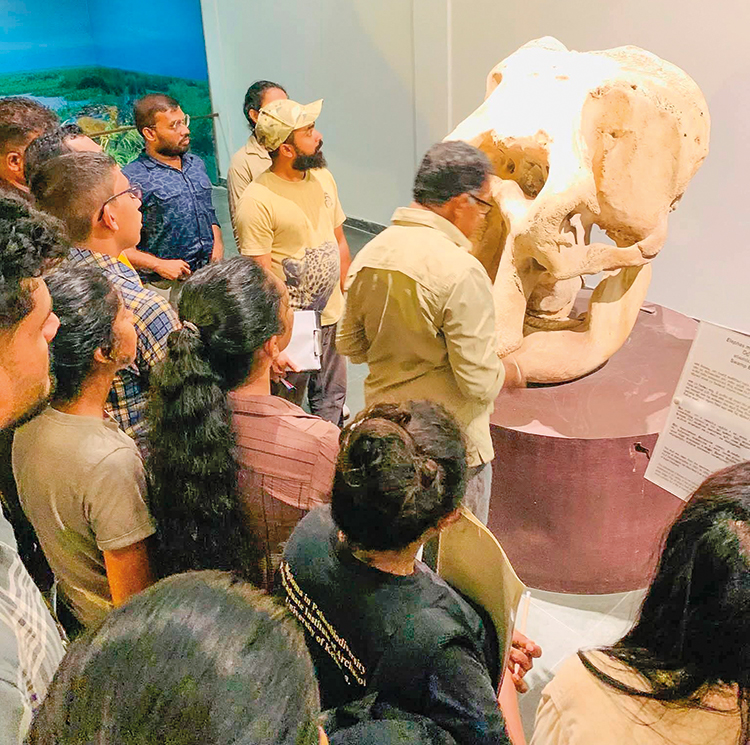
- Museum study led by Kelum
-
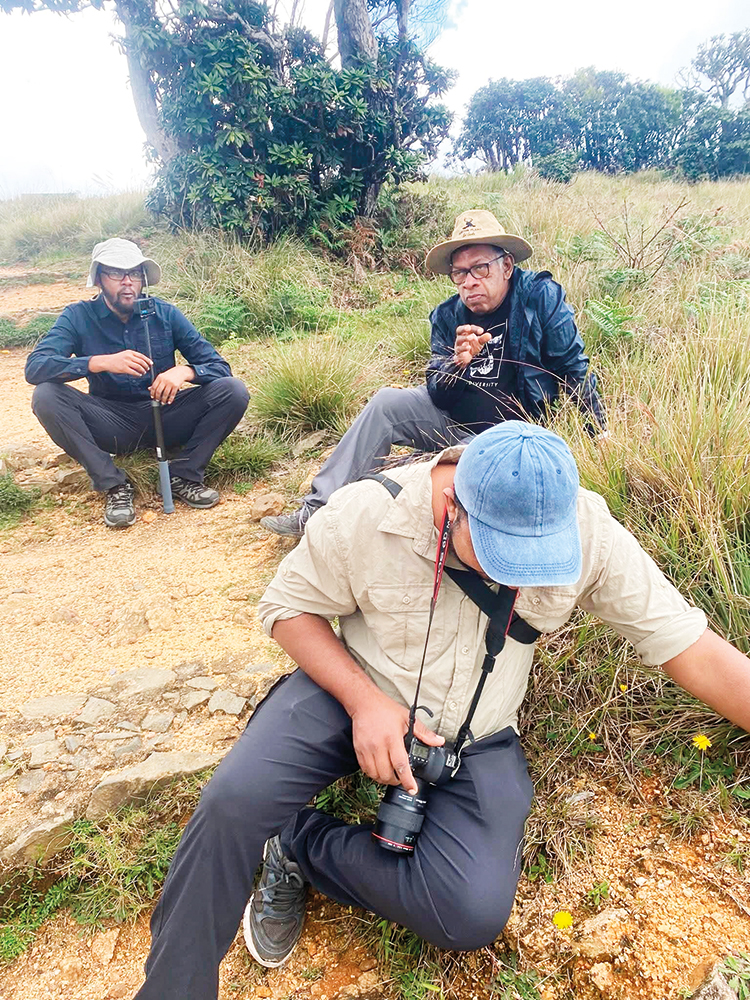
- Field inspection
That desire would shape his destiny.
While still young, he was invited to assist researchers in identifying animal bones recovered during archaeological excavations. It was a rare responsibility, and he approached it with uncommon seriousness. Where others saw fragments, he saw identity. Where others saw remains, he saw continuity.
Bones became his language.
In the early 1990s, his meeting with conservationist and taxonomist Rohan Pethiyagoda marked a turning point—not just in his life, but in Sri Lanka’s scientific history. Together, they helped build the Wildlife Heritage Trust, an institution dedicated to uncovering the island’s hidden biodiversity.
At the time, many of Sri Lanka’s amphibians, reptiles, and small mammals remained scientifically invisible. They existed in forests and streams, unnamed and unrecognised.
Dr. Manamendra-Arachchi set out to change that.
His search took him across continents to the great natural history museums of Britain, France, India, and Singapore. There, in quiet halls filled with preserved specimens, he compared bones and bodies, carefully tracing the identity of species across time and geography. It was meticulous, patient work—the work of someone who understood that discovery begins with attention.
In 1996, he co-authored a landmark study on Sri Lanka’s amphibians, reshaping scientific understanding of these delicate creatures. But it was in 2005 that his work would astonish the global scientific community.
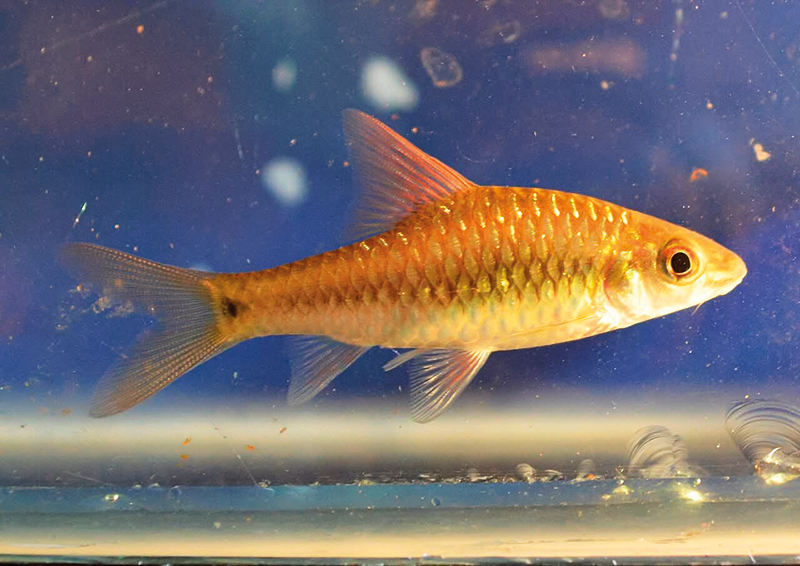
In a single paper, he and his colleagues described 27 new species of shrub frogs—an extraordinary achievement that revealed Sri Lanka as one of the world’s most important centres of amphibian diversity. Scientists around the world turned their attention to the island, newly aware of the richness that had long remained hidden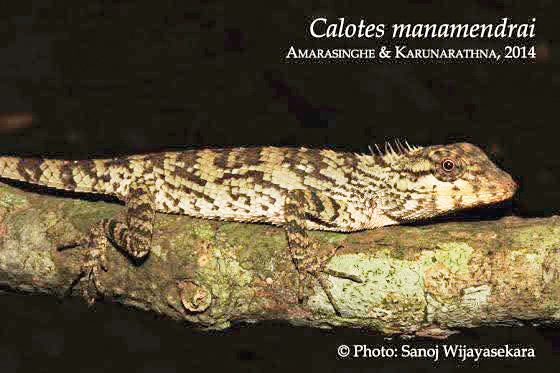 .
.
Through his work, Sri Lanka’s forests began to speak.
Yet Dr. Manamendra-Arachchi understood that science must not remain confined to laboratories or journals. It must belong to people. In 2007, he published a book on Sri Lanka’s amphibians in Sinhala, opening the doors of knowledge to young students across the country. For many, it became a first step into scientific discovery.
He did not merely document biodiversity. He inspired those who would protect it.
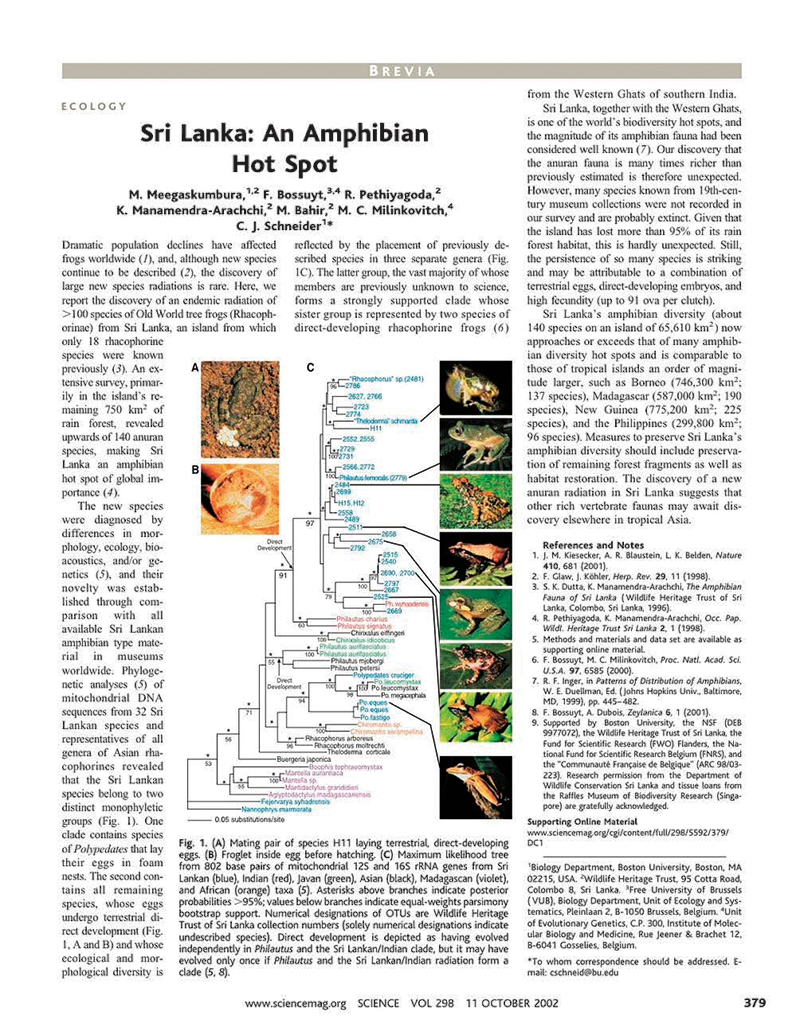
Sri Lanka amphibian hot spot -The Island exclusively reported
His work extended beyond living species into deep time itself. Through the study of fossil remains found in Sri Lanka’s ancient gem-bearing gravels, he reconstructed animals that had vanished thousands of years ago. With scientific precision and artistic insight, he brought extinct creatures back into human understanding.
He reminded us that Sri Lanka’s story is older than memory.
Those who know him personally speak of his remarkable ability to connect science with life. He can move effortlessly from discussing frog evolution to ancient civilisations, from fossil anatomy to art and philosophy. His lectures are filled not only with knowledge, but with wonder.
He is, above all, a teacher.
In recognition of his immense contributions, the University of Sri Jayewardenepura awarded him an honorary doctorate in 2022. Species have been named in his honour, ensuring his legacy will remain permanently embedded in the natural world he helped reveal.
Yet he remains unchanged—quiet, thoughtful, and deeply committed to discovery.
Even today, he continues his work, guiding students, advising researchers, and sharing his knowledge with the public.
His curiosity remains undiminished, his purpose undisturbed by time.
On his birthday (Feb 16) it is fitting that Sri Lanka pauses to reflect on his extraordinary journey.
For he did more than study animals.
He gave identity to the unnamed.
He gave meaning to the forgotten.
He gave Sri Lanka a deeper understanding of itself.
And in forests where bones still lie hidden beneath fallen leaves, waiting patiently for someone to listen, Dr. Kelum Manamendra-Arachchi continues to hear their stories.
By Ifham Nizam
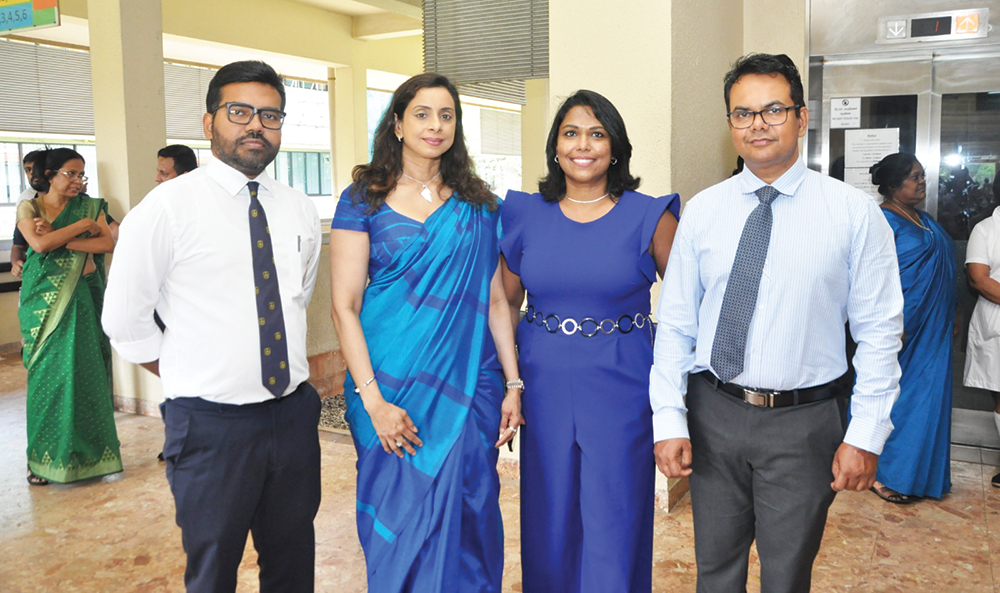
At the core of Jayewardene Hospital is the Organ Transplant Unit. For hundreds of patients suffering from end stage organ failure, the hospital has become a place of renewed possibility. Many arrive after years of dialysis, physical exhaustion and emotional strain. Through transplants they are given not extended life but return to normaly For the doctors each transplant is a responsibility. For the recipients it is a new beginning. And for donor families it is a way for love to endure beyond loss.
The Organ Donation Day at Sri Jayewardenepura General Hospital unfolded as a deeply moving tribute to life, loss and the extraordinary courages that connects the two. Bringing together donor families, medical professionals and survivors whose lives have been transformed, the event was not merely ceremonial but it was profoundly humane.
From the very beginning, there was a quiet stillness, it was the kind of stillness that carried a Semotion unspoken yet deeply felt.
Families walked in with holding memories and a strength that only those who have lived and lost can truly understand. Yet beneath the grief there was something else. There was purpose, because here loved ones were not only remembered, but celebrated for the lives they continue to hold.
At the heart of all, stood doctors and the transplanted teams, the quiet bridge between lost and life. For them organ donation is not simply clinical, it is deeply personal. They carry the weight and hope often with the same moment.
-
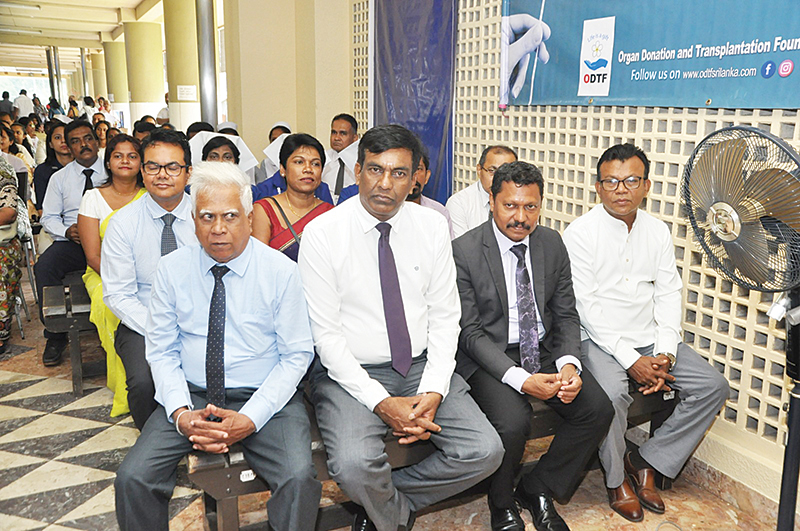
- A team bound by purpose-saving lives
One of the most poignant moments of the ceremony was the presentation of white roses to the families of the donors.
Simple but pure and deeply symbolic, each white rose represented remembrance, peace and the enduring hearts of life given selflessly. As each flower was handed over, there were tears but also quiet smiles.
It was a kind gesture that said what words often cannot, and never forgotten. The lighting of the traditional oil lamp further deepend the emotion of the day. Each flame symoblised a life carried forward ,a reminder that even in loss, there is light.
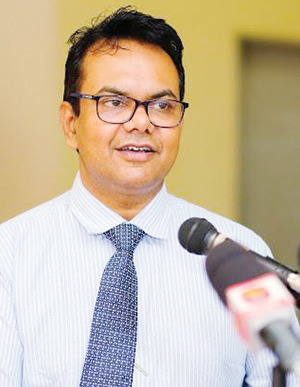
Dr Niroshan Seneviratne,visionary behind Jayewardene Hospital transplant surgery
This ceremony was organised by the Organ Donation and Transplantation Trust Fund based at Sri Jayewardenepura General Hospital.
This fund was co-founded by Dr. Niroshan Seneviratne, Consultant Urogolist and Transplant Surgeon Dr. Chamila Pilimatalawwe Consultant Anaesiologist and Dr. Chintana Galphitiyawa Consultant Nephrologist. The Chief Guest was Ven. Professor Medgampitiye Wijithadhamma, Guest of honour.was Peter D’Almeida The special guest was Dr. Hansaka Wijemanu ,Deputy Minister of Health. Other special included Dr. Dammika Alahpperuma, MP Dewanande sSuraweera ,Chairman of the hospital Dr Thamara Kalubowila, Director of the hospital Dr Dhammika Alahahaperuma, Sandya Tennekoon and Kareem Amath, Board of Trustee member, Dr Gamini Samarasekera, Auditor Dr Chanaka Abeyratne, consultant Nephrologist
As the proceedings began, the families stood motionless, united by circumstances but compassion and shared humanity. Throughtout the ceremony one message resonated deeply, Organ Donation is not about statistics or procedures it is about people. It is about finding meaning even in the most difficult goodbyes. Among the many voices, the transplant surgeon Dr. Niroshan Seneviratne, a name deeply respected in the country’s transplant landscape, spoke with quiet conviction .Dr. Seneviratne reflected on the journey of organ transplantation in Sri Lanka. Every donar is a hero he emphasised, his voice steady yet filled with emotion “Behind every transplant is a family that chose to give life in their darkest hour.”
Sri Lanka’s organ transplant programmes has steadily grown over the years, particularly in Kidney transplants, offering hope to thousands of chronic renal diseases. This day also honoured the tireless medical teams working behind the screen, surgeons, ICU staff volunteers. Their work often unseen, is nothing short of extraordinary. Organ Transplant Day is not just a date on the calender. It is a celebration of life, of giving, and of the extraordinary power of human kindness.
-
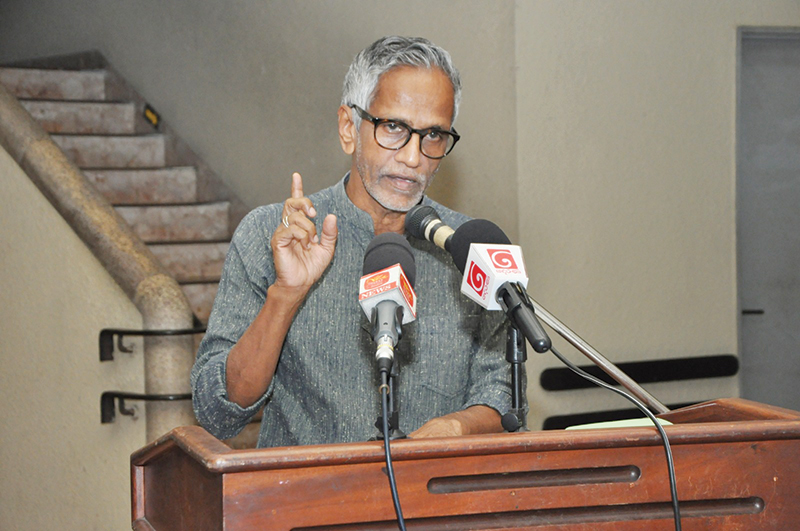
- Peter D’ Almeida- guest of honour
-
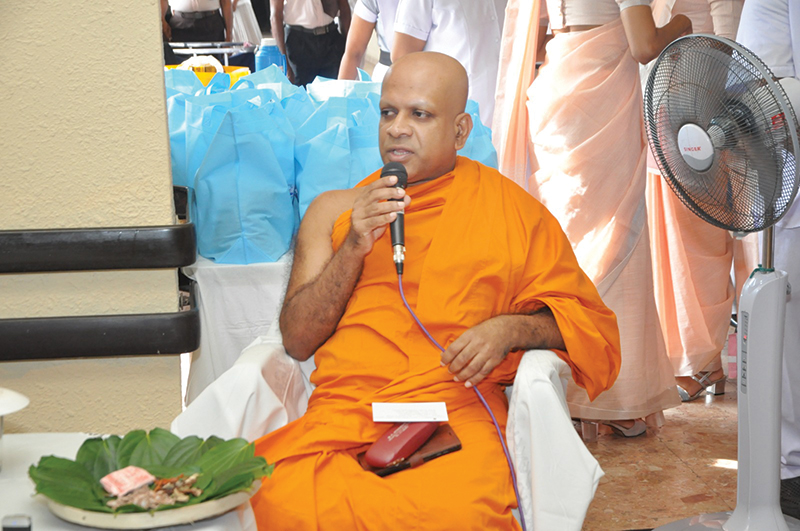
- Chief guest Ven Professor Medagampitiye Wijithadhamma
-
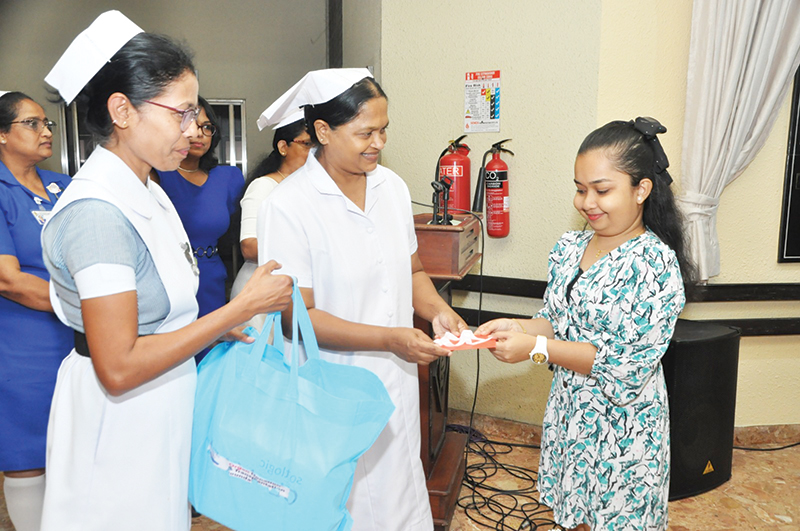
- Every gift tells a story of hope and graditude
-
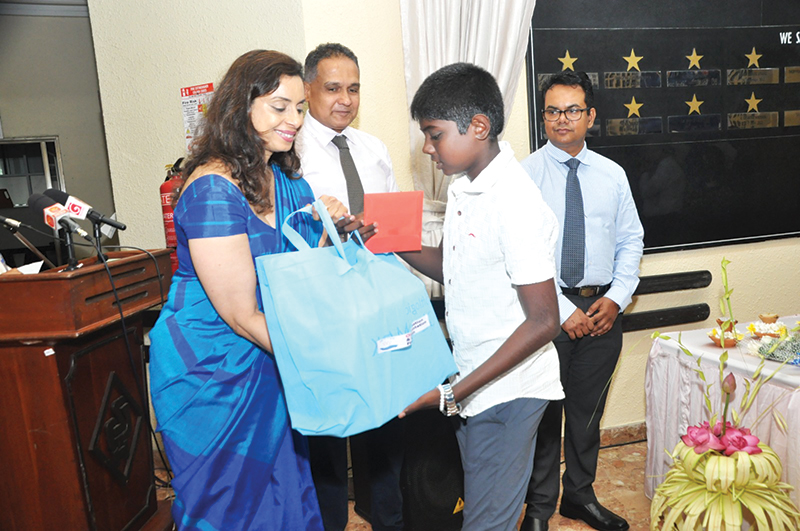
- Small tokens, immense gratitude honouring heroes behind every transplant
Pix by Thushara Attapathu
By Zanita Careem

Qatar partially reopens airspace as Iranian strikes continue to hit Gulf

The final voyage of the Iranian warship sunk by the US

AI-generated Iran war videos surge as creators use new tech to cash in

Huge explosions rock major Tehran airport as Israel strikes ‘regime infrastructure’

India hit back but Sutherland, Hamilton impress to give Australia the edge

Heat Index at ‘Caution Level’ in the Sabaragamuwa province and, Colombo, Gampaha, Kurunegala, Anuradhapura, Vavuniya, Hambanthota and Monaragala districts

‘Dates have the highest sugar content to fight Coronavirus’

Sunday Island 27 December – Headlines

#SundayIsland 17th December – Headlines

Sunday Island – 28th March

Sunday Island Headlines – 21 March

Sunday Island – 21st February – Headlines
-

 Features5 days ago
Brilliant Navy officer no more
-

 Opinion5 days ago
Sri Lanka – world’s worst facilities for cricket fans
-

 News2 days ago
Legal experts decry move to demolish STC dining hall
-
 News1 day ago
University of Wolverhampton confirms Ranil was officially invited
-

 Features5 days ago
A life in colour and song: Rajika Gamage’s new bird guide captures Sri Lanka’s avian soul
-

 Business3 days ago
Cabinet nod for the removal of Cess tax imposed on imported good
-
 Features6 days ago
Overseas visits to drum up foreign assistance for Sri Lanka
-
 Features6 days ago
Sri Lanka to Host First-Ever World Congress on Snakes in Landmark Scientific Milestone