
News
Academics demand the immediate release of Hejaaz Hizbullah and Ahnaf Jazeem


‘Their continued detention is an attack on the rights of lawyers and the rule of law’
Nearly 100 academics have issued a statement on the continued detention of Hejaaz Hizbullah and Ahnaf Jazeem, who were arrested by the Criminal Investigation Department (CID) more than a year ago.
They have said decades of majoritarian politics, and the more recent descent towards authoritarianism and militarization, have eroded the foundations of our democracy and have numbed us to the violence in our daily lives and de-sensitised us to how sections of our citizenry are targeted.
The members of the academic community representing a cross section of universities in Sri Lanka, demanded the immediate release of the two detainees and called attention to the fact that their arrests have taken place in a context of unrelenting anti-Muslim mobilizations that are tearing our social fabric apart.
“We are deeply worried about the continuing deterioration of the criminal justice system and the institutional decay it more broadly signals, as these developments are also symptomatic of a gradual hollowing out of the democratic bases of society. We, therefore, call for a halt to undemocratic actions by government actors, a repeal of the PTA (Prevention of Terrorism Act) and other laws that are contrary to the principles of democracy, and ask that the public demand accountability”, they said.
“We call on the greater academic community to broaden this struggle to ensure that we fulfill our mandate and exercise our academic freedom in the pursuit of democracy and justice for all”.
At the outset, the statement noted that on April 14, 2020, human rights and constitutional lawyer Hizbullah was arrested by the CID and detained under Section 9 of the PTA for over 10 months. At the time of arrest, his alleged crimes were “aiding and abetting” one of the Easter Sunday bombers. It later transpired that he represented the family in two land cases. He is now being charged with speech related offences under Section 2(1)(h) of the PTA and Section 3(1) of the International Covenant on Civil and Political Rights (ICCPR) Act. These are based on statements made by minors to the CID, which the children maintain they were coerced and threatened to make, it said.
On May 16, 2020, the Police Counter Terrorism Investigation Division (CTID) arrested Jazeem, a poet and teacher from Mannar, on allegations that his book Navarasam contained “extremist ideas” and that he taught “extremism” to students. A review of the poems by an “expert panel” of psychiatrists, some with university affiliations, makes vague claims about the potential of the book to incite violence, hatred, and suicidal thoughts, it said.
Their report fails to provide the basis or justification for these judgments and even says that there were two discrepant sets of translations (Sinhala and English from the original Tamil) at their disposal, which fact should have called the entire operation into question. Contrary to the allegations of the CTID, recent translations reveal that the poems were deeply critical of violence, it further said.
Hizbullah’s arrest and continued detention is an attack on the rights of lawyers and the rule of law. Jazeem’s arrest and continued detention without charge represents, in addition, an attack on the freedom of expression and pluralism, and a broader war on ideas, it stressed.
As can be seen from the progress of the two cases, the rights of Hizbullah and Jazeem have been clearly violated, and questionable tactics have been and continue to be used to manufacture the cases against them. In custody, their basic needs for health and safety have been neglected, it asserted.
Continuing, the statement said: “The incarceration of Hizbullah and Jazeem occurs in the backdrop of highly organized anti-Muslim mobilizations designed to stigmatize and isolate Muslim communities. Violence and intimidation continue, bolstered by the government’s complicity in these acts in the name of “national security”. In March 2021, the Minister of Public Security announced plans to shut down 1,000 madrasa schools and ban the burqa.
“A month later, the Cabinet approved the ban on all forms of face veils in public spaces, and, in May, the Deputy Director of Customs announced that any Islamic religious texts brought to the country must be cleared by the Ministry of Defence. These actions further criminalize one for being Muslim and are an assault on our democratic freedoms.
“Anti-Muslim sentiments guide the state COVID-19 response as well. Last year, at the height of the pandemic, the Ministry of Health adopted a mandatory cremation policy for the COVID dead, despite WHO guidelines to the contrary. The policy was backed by “experts”, including those from universities, citing unsubstantiated public health concerns, with crass disregard for the strongly followed religious tradition among Muslims of burying their dead.
“Today, burials are permitted, but restricted to a Muslim-populated area – Ottamavadi, Batticaloa – signalling that only Muslims must contend with the albeit unlikely threat from their dead. The burial issue was only one of the more flagrant of attempts to weaponise the pandemic against Muslims.
“The state machinery, through statements and actions of doctors, PHIs, politicians, military personnel, and state-controlled media pushed a narrative of Muslims as super-spreaders.
“These trends are not new. They are a continuation of heightened violence against Muslims that spans a decade. Starting in 2012, organized attacks on mosques and demonstrations against Muslims, including an anti-Halal campaign, culminated in horrific acts of violence, including the Aluthgama and Digana riots. In parallel, highly politicized campaigns have targeted Muslim individuals; for instance, Dr. Shafi Shihabdeen was arrested on false allegations of forced sterilization, and activist Ramzy Razeek was detained for condemning the anti-Muslim witch-hunt post Easter Sunday bombings.
“Unlike the zeal with which these cases are pursued, state institutions responsible for ensuring public safety have failed to prevent anti-Muslim violence, and no one has been held accountable so far.
“The targeting of Muslims occurs in a context of increasing authoritarianism and militarisation which have served to weaken democratic institutions. We have witnessed the remanding of former Director, CID, Shani Abeysekera, who had investigated high-ranking officials and politicians, author Shaktika Sathkumara, for purportedly anti-Buddhist writings, and many others. The PTA is wielded as a tool of politicization and arbitrary power, alongside the Emergency Regulations and the ICCPR Act.
“They are deployed in majoritarian campaigns against minorities, to attack those opposed to the regime in power, and crush dissent, casting doubt on state institutions and the judicial system.
“Academics are mandated to exercise and safeguard free speech and expected to confront and question the excesses of those in power. As members of public higher educational institutions, we must support and amplify the voices of the marginalized. Having learned from the devastation caused by uneven justice, majoritarian politics, and racist rhetoric, and knowing the insecurity and fear that some of our citizens live with on a daily basis, we must resist these attacks. We believe that allowing these actions to continue with impunity implicates us all”.
Signatories:
Prof. Upul Abeyrathne, University of Peradeniya, Dr. Asha Abeysekera, University of Colombo, Dr. Indi Akurugoda, University of Ruhuna, Prof. Arjuna Aluwihare, University of Peradeniya, Prof. Liyanage Amarakeerthi, University of Peradeniya, Shani Anuradha, University of Peradeniya, Dr. S. Arivalzahan, University of Jaffna, Dr. Fazeeha Azmi, University of Peradeniya, Prof. A. S. Chandrabose, The Open University of Sri Lanka, Prof. Sarath Chandrajeewa, University of the Visual & Performing Arts, Dr. Visakesa Chandrasekaram, University of Colombo, Dr. Kumar David, formerly University of Peradeniya, Ruwanthie de Chickera, Visiting Lecturer, The Open University of Sri Lanka, Erandika de Silva, University of Jaffna, Prof. Nirmal Ranjith Dewasiri, University of Colombo, Dr. Kanchuka Nayani Dharmasiri, University of Peradeniya, Prof. Priyan Dias, University of Moratuwa, Avanka Fernando, Department of Sociology, University of Colombo, Dr. Michael Fernando, formerly at the University of Peradeniya, Kasun Gajasinghe, University of Peradeniya, Prof. Dileni Gunewardena, University of Peradeniya, Prof. Camena Guneratne, The Open University of Sri Lanka, Prof. Farzana Haniffa, University of Colombo, Dr. D. Hemachandra, University of Peradeniya, Prof. Siri Hettige, University of Colombo, Ms. Tracy Holsinger, Visiting Lecturer, The Open University of Sri Lanka, Dr. Rajan Hoole, formerly University of Jaffna, Kaushalya Jayasinghe, University of Peradeniya, Prof. Prabhath Jayasinghe, University of Colombo, Maleen Jayasuriya, University of Peradeniya, Dr. Wijaya Jayatilaka, formerly University of Peradeniya, Dr. Pavithra Jayawardena, University of Colombo, Prof. Jeyaratnam Jeyadevan, University of Jaffna, Dr. Ahilan Kadirgamar, University of Jaffna, Prof. Pavithra Kailasapathy, University of Colombo, Dr. Anuruddha Karunarathna, University of Peradeniya, Dr. Chandana Kulasuriya, formerly at the Open University of Sri Lanka, Supoorna Kulatunga, University of Peradeniya, Prof. N. Savitri Kumar, University of Peradeniya, Dr. Ramya Kumar, University of Jaffna, Prof. Shamala Kumar, University of Peradeniya, Prof. Vijaya Kumar, University of Peradeniya, Prof Amal S. Kumarage, University of Moratuwa, Kaushalya Kumarasinghe, formerly the Open University of Sri Lanka, Ms. Hasini Lecamwasam, University of Peradeniya, Prof. Saumya Liyanage, University of the Visual and Performing Arts, Colombo, Dr. Sudesh Mantillake, University of Peradeniya, Ranga Manupriya, Visiting Lecturer, UVPA & University of Moratuwa, Dr. Prabha Manuratne, University of Kelaniya, Mrs. Kosalai Mathan, University of Jaffna, Dr. Mahim Mendis, The Open University of Sri Lanka, Dr. S. N. Morais, The Open University of Sri Lanka, Dr Rumala Morel, University of Peradeniya, Dr. M. Z. M. Nafeel, University of Peradeniya, Ms. Kethakie Nagahawatte, University of Colombo, Dr. F. M. Nawastheen, The Open University of Sri Lanka, Ms. Sabreena Niles, University of Kelaniya, Prof. F. Noordeen, University of Peradeniya, Dr. M. A. Nuhman, formerly University of Peradeniya, Prof. Arjuna Parakrama, University of Peradeniya, Sasinindu Patabendige, University of Peradeniya, Nipuni Sharada Pathirage, University of the Visual and Performing Arts, Hasitha Pathirana, University of Kelaniya, Dr. Pradeep Peiris, University of Colombo, Prof. Asoka Perera, University of Moratuwa, Dr. Kaushalya Perera, University of Colombo, Prof. Sasanka Perera, formerly of University of Colombo, Nicola Perera, University of Colombo, Ruhanie Perera, University of Colombo, Dr. Saman Pushpakumara, University of Peradeniya, Prof. Rupika Rajakaruna University of Peradeniya, Prof. Harshana Rambukwelle, The Open University of Sri Lanka, Dr. Ramasamy Ramesh, University of Peradeniya, Dr. Romola Rassool, University of Kelaniya, Rizmina Rilwan, University of Peradeniya, Dr. Athulasiri Samarakoon, The Open University of Sri Lanka, Prof. Gameela Samarasinghe, University of Colombo, Dr. T. Sanathanan, University of Jaffna, Ms. R. T. M. Senanayake, University of Peradeniya, Prof. Hiniduma Sunil Senevi, Sabaragamuwa University of Sri Lanka, Prof. Kalinga Tudor Silva, University of Peradeniya, Navaratnam Sivakaran, University of Jaffna, Ms. Anusha Sivalingam, University of Colombo, Dr. N. Sivapalan, University of Jaffna, Prof. Hettigamage Sriyananda, The Open University of Sri Lanka, Prof. Vasanthi Thevanesam, University of Peradeniya, Dr. Darshi Thoradeniya, University of Colombo, Prof. Deepika Udagama, University of Peradeniya, Dr. Ramila Usoof-Thowfeek, University of Peradeniya, Prof. Jayadeva Uyangoda, University of Colombo, Dr. Ruvan Weerasinghe, University of Colombo, Thiyagaraja Waradas, University of Colombo, Prof. Maithree Wickremesinghe, University of Kelaniya, Dr. Shermal Wijewardene, University of Colombo, Saminadan Wimal, University of Jaffna, Dr. Dileepa Witharana, The Open University of Sri Lanka.

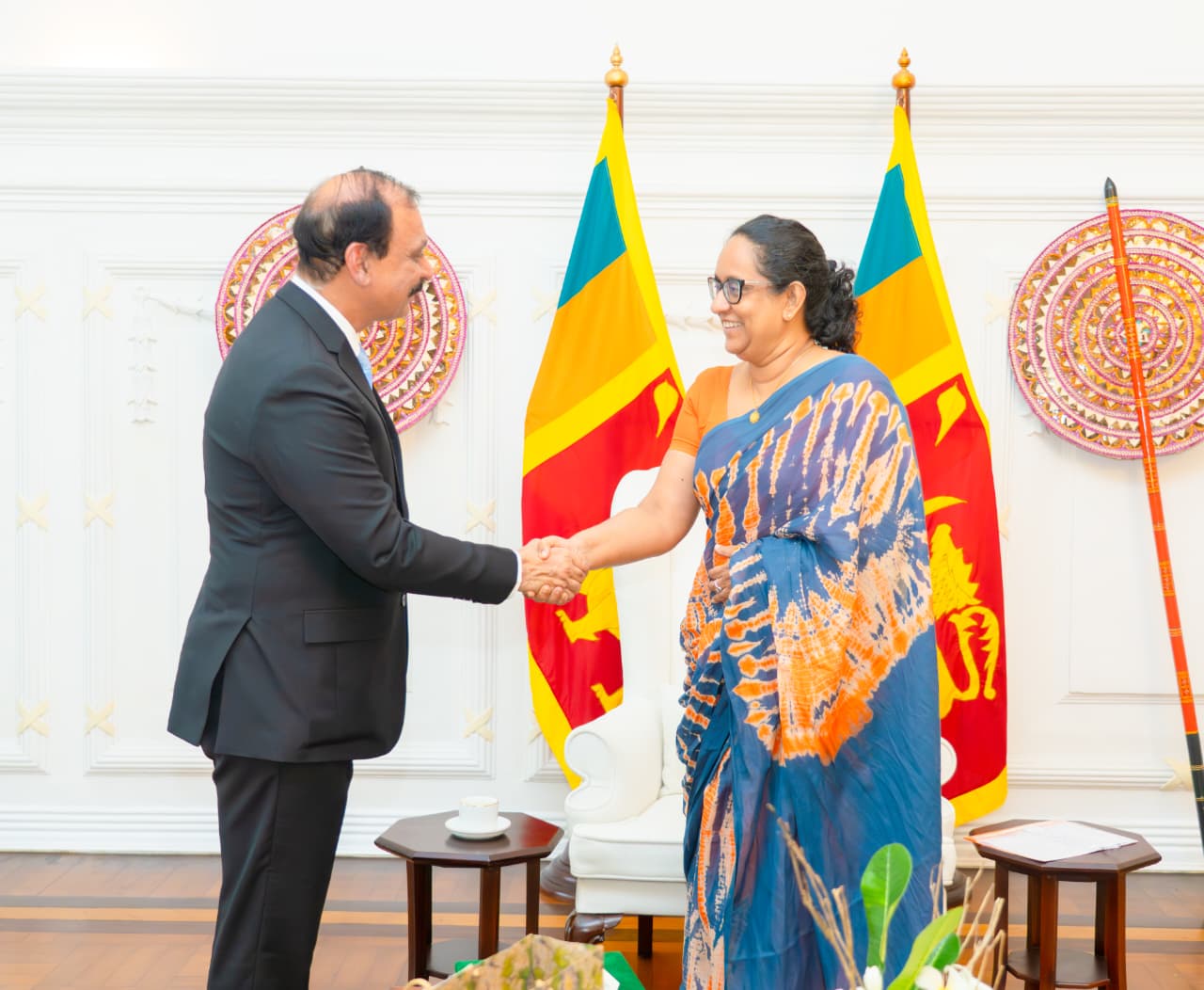
High Commissioner of the Islamic Republic of Pakistan to Sri Lanka Major General (Retd) Nayyar Naseer met with the Prime Minister Dr. Harini Amarasuriya at Temple Trees on 30th April
Welcoming the High Commissioner of the Islamic Republic of Pakistan to Sri Lanka, the Prime Minister expressed sincere appreciation for the continued support and cooperation extended by the Government of Pakistan to Sri Lanka, particularly the assistance provided following the Ditwah Cyclone.
Both sides reaffirmed the longstanding and cordial relations between Sri Lanka and Pakistan, which are founded on mutual respect, friendship, and shared interests.
The meeting also focused on the importance of further strengthening collaboration in key sectors such as education, tourism, and sports, with a view to enhancing people-to-people ties and creating new opportunities for cooperation reiterating Sri Lanka’s commitment to deepening bilateral engagement.
The meeting was attended by the Deputy High Commissioner of Pakistan to Sri Lanka Ms. Zunaira Latif, Secretary to the Prime Minister, Pradeep Saputhanthri, Additional Secretary Ms. Sagarika Bogahawatta, and officials from the Ministry of Foreign Affairs, Foreign Employment and Tourism.
(Prime Minister’s Media Division)
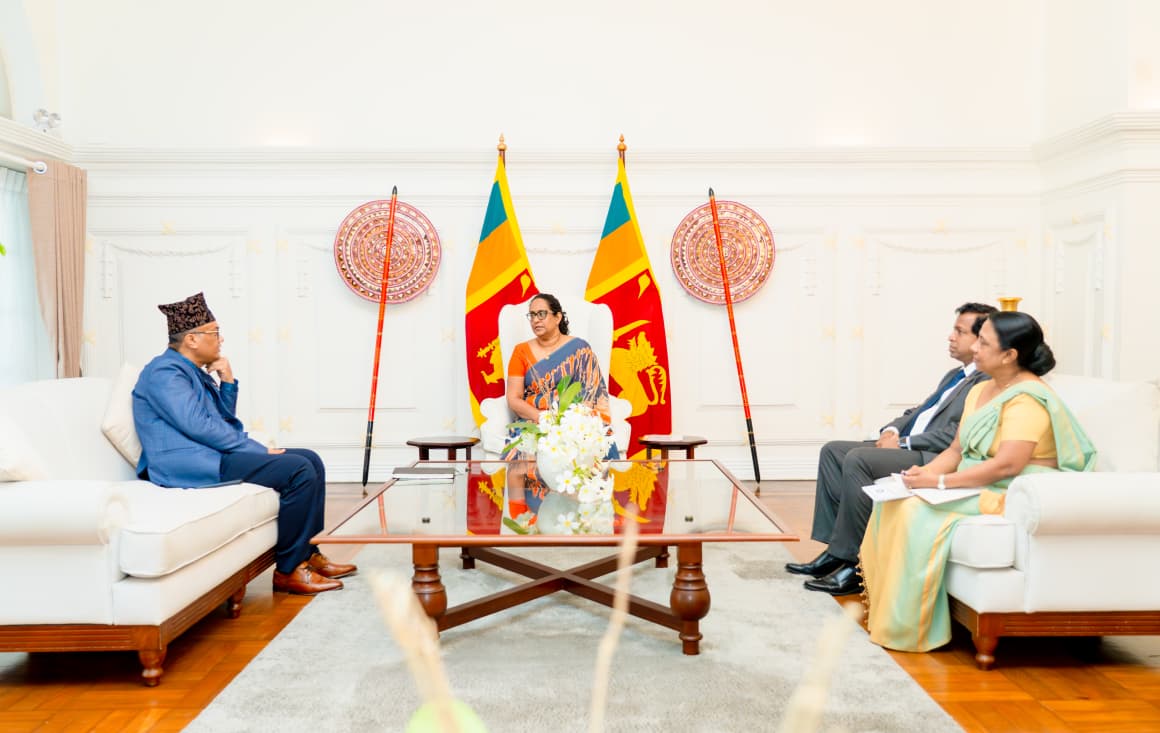
The Ambassador of Nepal to SriLanka, Dr. Purna Bahadurn Nepali paid a farewell courtesy call on Prime Minister Dr. Harini Amarasuriya on Thursday (30th of April) at Temple Trees.
During the meeting, the Prime Minister conveyed sincere appreciation for the dedicated service and valuable contributions towards strengthening the longstanding bilateral relations between Sri Lanka and Nepal during the tenure of Dr. Purna Bahadurn Nepali.
Both parties reaffirmed the longstanding bilateral relations between the two countries, which are based on shared cultural, religious, and historical linkages. The Prime Minister also reaffirmed Sri Lanka’s commitment to further deepening bilateral relations with Nepal and enhancing cooperation for the mutual benefit of both nations.
The meeting was attended by the Secretary to the Prime Minister, Pradeep Saputhanthri, Additional Secretary Ms. Sagarika Bogahawatta, and officials from the Ministry of Foreign Affairs, Foreign Employment and Tourism.
(Prime Minister’s Media Division)
Latest News
Heat Index at Caution Level in the Northern, North-central, Eastern, Sabaragamuwa, North-western provinces and in Monaragala district during the day time

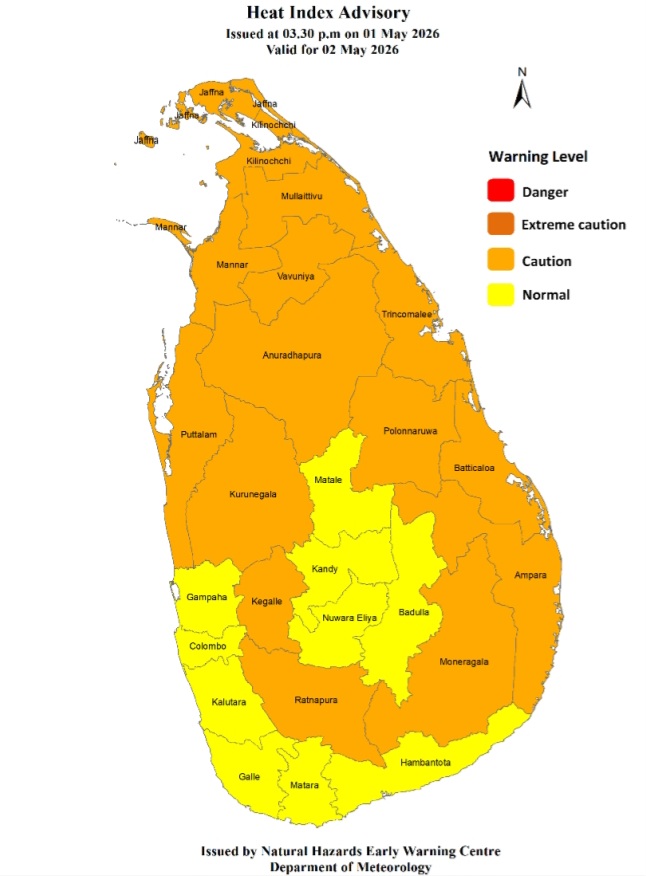
Warm Weather Advisory
Issued by the Natural Hazards Early Warning Centre
Issued at 3.30 p.m. on 01 May 2026, valid for 02 May 2026.
The Heat index, the temperature felt on human body is likely to increase up to ‘Caution level’ at some places in the Northern, North-central, Eastern, Sabaragamuwa, North-western provinces and in Monaragala district during the day time.
The Heat Index Forecast is calculated by using relative humidity and maximum temperature and this is the condition that is felt on your body. This is not the forecast of maximum temperature. It is generated by the Department of Meteorology for the next day period and prepared by using global numerical weather prediction model data.

Effect of the heat index on the human body is mentioned in the above table and it is prepared on the advice of the Ministry of Health and Indigenous Medical Services.
ACTION REQUIRED
Job sites: Stay hydrated and takes breaks in the shade as often as possible.
Indoors: Check up on the elderly and the sick.
Vehicles: Never leave children unattended.
Outdoors: Limit strenuous outdoor activities, find shade and stay hydrated.
Dress: Wear lightweight and white or light-colored clothing.
Note:
In addition, please refer to advisories issued by the Disaster Preparedness & Response Division, Ministry of Health in this regard as well. For further clarifications please contact 011-7446491.

US said to be withdrawing 5,000 troops from Germany over Iran war spat

Bangladesh eye rare double-series win over New Zealand in rainy Dhaka

Rahul, Nissanka fifties lead 226 chase as Delhi Capitals return to winning ways

Pakistan High Commissioner pays courtsey call on PM

Ambassador of Nepal to Sri Lanka pays farewll call on PM

Heat Index at Caution Level in the Northern, North-central, Eastern, Sabaragamuwa, North-western provinces and in Monaragala district during the day time

‘Dates have the highest sugar content to fight Coronavirus’

Sunday Island 27 December – Headlines

#SundayIsland 17th December – Headlines

Sunday Island – 28th March

Sunday Island Headlines – 21 March

Sunday Island – 21st February – Headlines
-
 News4 days ago
Treasury chief’s citizenship details sought from Australia
-

 News6 days ago
BIA drug bust: 25 monks including three masterminds arrested
-
 Business7 days ago
Nestlé Lanka Announces Change in Leadership
-
 News7 days ago
Hackers steal $3.2 Mn from Finance Ministry
-

 News6 days ago
Banks alert customers to phishing attacks
-

 News3 days ago
Rooftop Solar at Crossroads as Sri Lanka Shifts to Distributed Energy Future
-
 News5 days ago
Govt. assures UN of readiness to introduce ‘vetting process’ for troops on overseas missions
-

 Business5 days ago
ADB-backed grid upgrade tender signals next phase of Sri Lanka’s energy transition