
Life style
Yoga for holistic health and well being


BY RANDIMA ATTYGALLE
Yoga translates into ‘union of mind, body and soul’ in Sanskrit. The origins of this ancient tradition date back to the Indus-Sarasvati civilization in Northern India over 5,000 years ago. The term ‘yoga’ was first mentioned in the Vedas- a collection of texts containing mantras, rituals and hymns of the Vedic or Brahman priests. While the roots of the yoga tradition are very ancient, the practice is timeless. Today it is sought after worldover more than ever before given its physical and mental health benefits. Yoga is also a popular getaway from contemporary busy lives.
Timeless truth of yoga
Human life is perceived by yogis as a triangle of birth, youth and decay or old age. The ancient sages of India discovered a science which would delay the aging process by achieving ‘inner health’ of the human organs; that science is yoga. “Yoga helps a person cultivate inner awareness through the development of breath and strength of mind and body. Yoga is not merely about physical appearance such as achieving the perfect body image, but it is much more,” points out Yoga Acharya Viranjani Somawansa.
Yoga consists of eight limbs: yama (abstinences), niyama (observances), asana (postures), pranayama (breathing), pratyahara (withdrawal), dharana (concentration), dhyana (meditation) and samadhi (absorption). “Yogis of ancient India believed that these eight limbs of yoga would keep human faculties recharged and thereby make age just a number. This is the reason why we encourage people to take up yoga as early as possible so that they could build up a ’reserve’ to age gracefully. You are never too old for yoga,” says Somawansa.
The benefits of yoga are valid today more than ever before as the aging population is on the rise. The growth rate of cells in the human body gradually start to lessen after the mid-30s. Breaking rate of cells will increase resulting in aches and pains in limbs and joints. Yoga, as Somawansa explains, helps to maintain nerve and digestive health. Practicing yoga regularly could also help keen non-communicable diseases (NCDs) at bay.
Multiple health benefits
While yoga is known for its ability to soothe tension and anxiety in the mind and body, it can also have an impact on a person’s exercise capacity, notes Yoga Benefits Beyond the Mat’ (July 22, 2024) published by the Harvard Medical School. It cites the example of a small group of sedentary individuals who had not practiced yoga before. Researchers who studied this group found out that after eight weeks of practicing yoga at least twice a week for a total of 180 minutes, participants had greater muscle strength and endurance, flexibility, and cardio-respiratory fitness.
The same document also acknowledges the cardiovascular benefits of yoga. ‘Several studies have found yoga to to have a positive effect on cardiovascular risk factors: it helped lower blood pressure in people who have hypertension. It’s likely that the yoga restores ‘baroreceptor sensitivity’. This helps the body senses imbalances in blood pressure and maintain balance.
Another study found that practicing yoga improved lipid profiles in healthy patients, as well as in patients with known coronary artery disease. It also lowered excessive blood sugar levels in people with non-insulin dependent diabetes and reduced their need for medications. Yoga is now being included in many cardiac rehabilitation programmes due to its cardiovascular and stress-relieving benefits.’
John Hopkins Medicine cites multiple health benefits of yoga which its many postures or asanas could achieve. Yoga improves strength, balance and flexibility. It also helps bring back pain relief and ease arthritis symptoms. ‘Regular yoga practice may reduce levels of stress and body-wide inflammation, contributing to healthier hearts. Several of the factors contributing to heart disease, including high blood pressure and excess weight, can also be addressed through yoga,’ notes John Hopkins Medicine. Yoga helps relax and sleep better, increases physical and mental energy and manages stress. Scientific evidence shows that yoga supports stress management, mental health, mindfulness, healthy eating, weight loss and quality sleep.
American Osteopathic Association notes that relaxation techniques incorporated in yoga can lessen chronic pain, such as lower back pain, arthritis, headaches and carpal tunnel syndrome. Yoga can also lower blood pressure and reduce insomnia, it says.
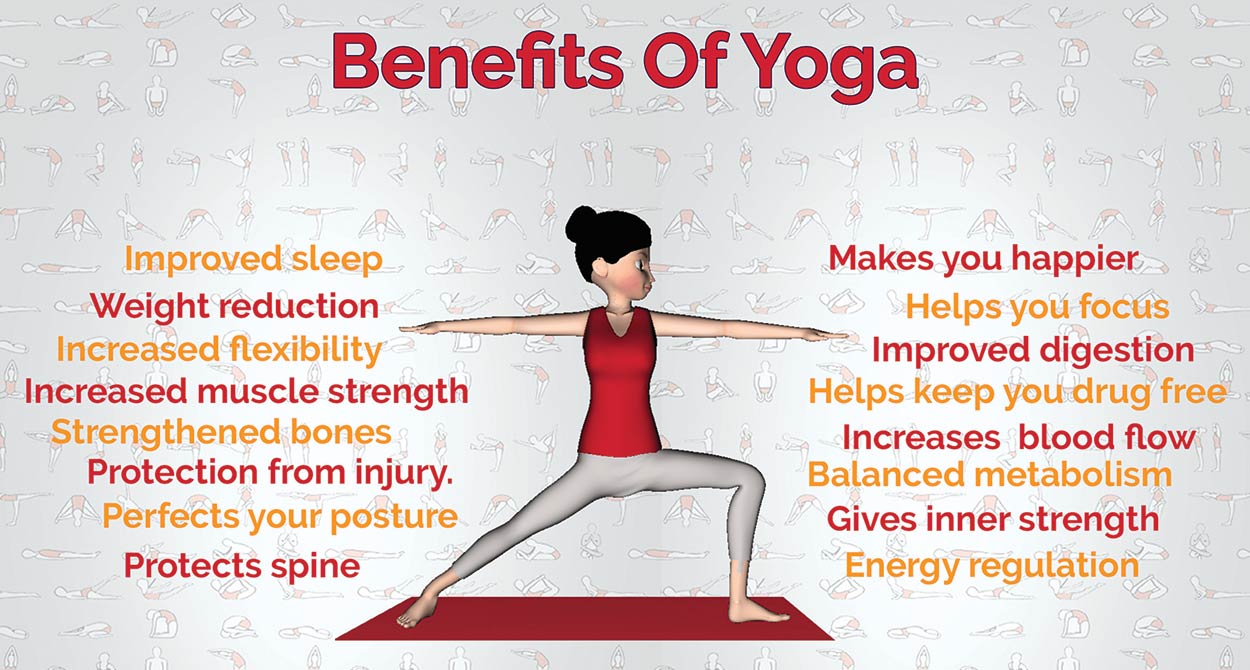
Five points of yoga
There are many types of yoga including Hatha, Astanga, Iyengar, Vinyasa etc. Hatha- which is a fusion of many styles is one of the most popular traditions. Hatha yoga focuses on breath-controlled exercises known as pranayamas. These pranayamas are combined with asanas or yoga postures which end with savasana or a resting period. Regardless of the type, the ultimate goal of all yoga types is to practice the ‘five points’ of yoga, says Somawansa. “The five points of proper exercise, proper breathing, proper diet, relaxation, meditation and positive thinking aim to achieve holistic health and well being of a person. It also attempts to reverse the ‘fight and flight’ mode we are constantly braving with our busy and demanding lifestyles.”

Yoga Acharya Viranjani Somawansa
Reconnecting with inner self
Somawansa, a qualified yoga practitioner today, says her ‘u-turn’ came when she came under the wings of eminent artiste and Yoga Acharya Anoja Weerasinghe at Abhina Yoga Ashram. Then, a young mother of two sons who was taking a break from her corporate job, Somawansa was introduced to the world of yoga by Weerasinghe. Later, she completed her yoga teacher training course at Sivananda Dhanwantari Ashram in Kerala. She received her yoga Master qualification (Yoga Acharya) from Sivananda International Yoga Centre in Madurai, India. A full-time yoga practitioner today, Somawansa teaches yoga for various age groups.
Mindfulness is one of the fundamental objectives of yoga. The ability to focus your attention on what you are experiencing in the present moment without being judgmental can help in every aspect of life says the yoga practitioner. The mindfulness cultivated through yoga could help you become a mindful eater and a person with a flexible mind which would remain unruffled. This is mainly because yoga is all about discovering yourself without comparison or competition.
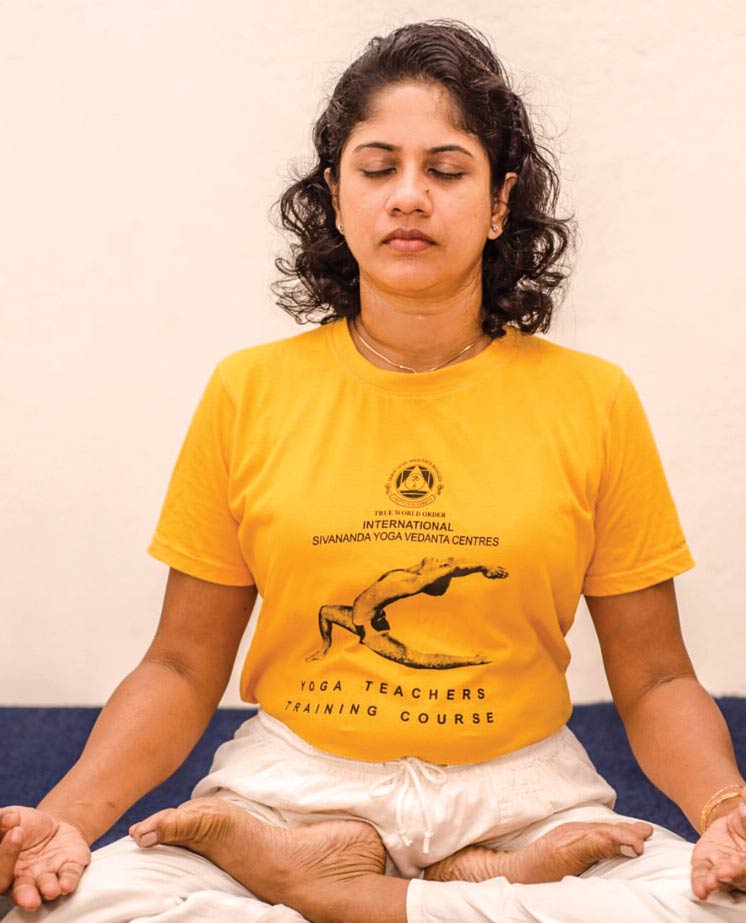
Viranjani Somawansa during in a yoga session
“People have the misconception that the ultimate feat of yoga is being able to do a head-stand which is not so. There are some who have physical limitations with certain yoga asanas and one need not perfect every posture to be a successful practitioner,” remarks the yoga guru reminding us of Swami Sivananda’s wise words that ‘an ounce of practice is worth tons of theory.’ She goes on to say that some are discouraged to practice yoga long term simply because they cannot do all asanas. “This should never be the case because yoga is something which you can do at your own pace and time. Yoga helps one to reconnect with oneself and ‘respond’ to the world around them from a different perspective than to ‘react’. Regular practice could help you take things easy in this demanding world. It could also help people to be less egoistic.”
In his call to the UN General Assembly to adopt June 21 as the International Day of Yoga, Indian Prime Minister Narendra Modi remarked: “yoga is an invaluable gift of India’s ancient tradition. It embodies unity of mind and body; thought and action; restraint and fulfillment; harmony between man and nature; a holistic approach to health and well being. It is not about exercise but to discover the sense of oneness with yourself.”
Medical yoga
In the past few decades, yoga has emerged to be a growing interest within the scientifical community. Many yoga-based practices (YBP) have emerged particularly in the West aiming fitness and therapeutic gains as well as spiritual upliftment. Today what is known as ‘Medical Yoga’ adopts yoga practices for preventive and curative aspects of various medical conditions.
‘Medical Yoga Therapy’ appearing in NIH’s National Library of Medicine affirms that ‘yoga is most powerful when it changes the patient’s general health outlook, changing the emphasis from reactive to proactive health management. The yogic definition of health or “svastha” is when the functions of the body and mind are in harmony so that they can turn inward to reach the goal of self-realization.’ It goes onto note that ‘the practice of yoga is not as easy or as quick as taking medication, but mounting evidence suggests it is worth the effort and investment.’












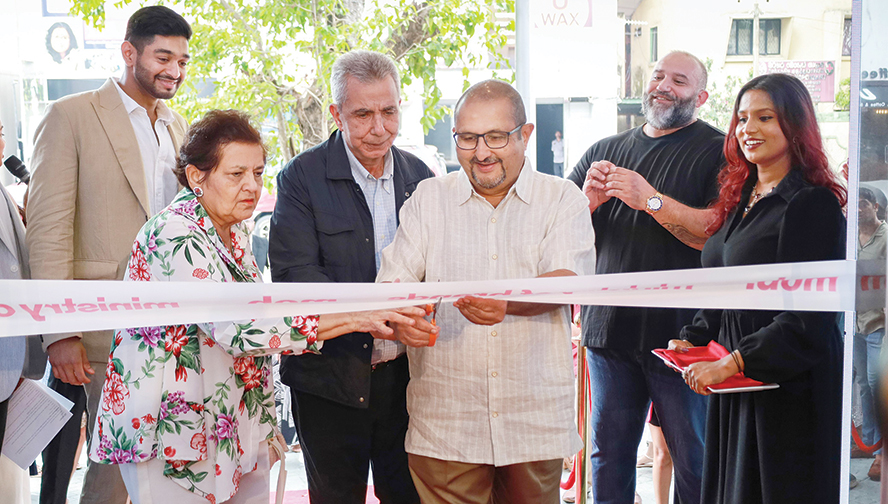
The City of Colombo has welcomed a bold new entrant to its retail landscape. Ministry of Brands – a concept that feels less like a fashion statement. Set along the very buzzing stretch of Vajira Road, Ministry of Brands arrives with a promise that instantly captures the imagination: – global luxury redefined for the Sri Lankan shopper. From the structured elegance of Gucci to the timeless sophstication of Ralph Laurent and modern glamour of Michael Kors, the store looks a curated passport to the world’s most desired brands.
Backed by the legacy and strength of Akbar Brothers, this venture singals a confident step forward for Sri Lanka’s retail evolution.
Ministry of Brands (MoB), Sri Lanka’s first off-price retailer, officially opened its doors to the public, marking a new era in the country’s retail landscape.
The 10,000 sq. ft. flagship store, located at Vajira Road, R.A. De Mel Mawatha, Colombo 4, welcomed guests to an exclusive preview recently, offering a first look at its expansive collection of authentic global luxury and premium brands at discounts of up to 90 percent off original retail prices.
Backed by Akbar Brothers, Ministry of Brands introduces the globally established off-price retail model to Sri Lanka and the wider South Asian region. The concept enables customers to purchase genuine designer and brand-name products at significantly reduced prices, with new pieces landing and replenishing in store daily, offering a dynamic “treasure-hunt” shopping experience and a constantly changing selection.
Off-price retail remains one of the fastest-growing global retail segments, enabling fashion houses to manage excess inventory while responsibly expanding access to premium products.
-

- Director of Mob, Aamir Akbarally; Chairman of Akbar Brothers, Tyeab Akbarally and Chairman of Mob, Hussain Akbarally
-

- Where style meets statement
-

- Fashion experience
-

- New chapter in luxury retail
-

- Curated elegance
-

- Fashion finds its finest expression
Offering more than 2,000 international brands sourced from Europe and the United States, the store features a wide range of categories, including womenswear, menswear, childrenswear, footwear, handbags, accessories, performance wear and homeware. Renowned global labels available at M.O.B include Valentino, Salvatore Ferragamo, DKNY, Michael Kors, Ralph Lauren, Farm Rio, Staud, Alice + Olivia, Burberry, Rag & Bone, Lacoste, Puma, UGG, HOKA, Brooks and Air Jordan, among many others.
Commenting on the launch, Director Aamir Akbarally stated: “We are very excited to finally make authentic global luxury and premium brands more accessible and affordable to Sri Lankans. Ministry of Brands signals the beginning of a new era in Sri Lanka’s retail sector. The response so far has been fantastic, as a family-owned business, we shall always be committed to delivering genuine value, transparency and a world-class shopping experience built on longstanding values of integrity, quality and trust.”
Director Ramzey Hammoud added: “Off-price retail is globally recognised for its ability to combine value with sustainability. Our customers can now shop designer brands locally at the best possible prices, while enjoying a constantly evolving selection of products that makes every visit unique.”
Following its Colombo flagship launch, Ministry of Brands is set to open its second location at One Galle Face Mall in March 2026. Ministry of Brands is open from 10.00 am to 10.00 pm every day. For more information, visit www.ministryofbrands.com.
By Zanita Careem
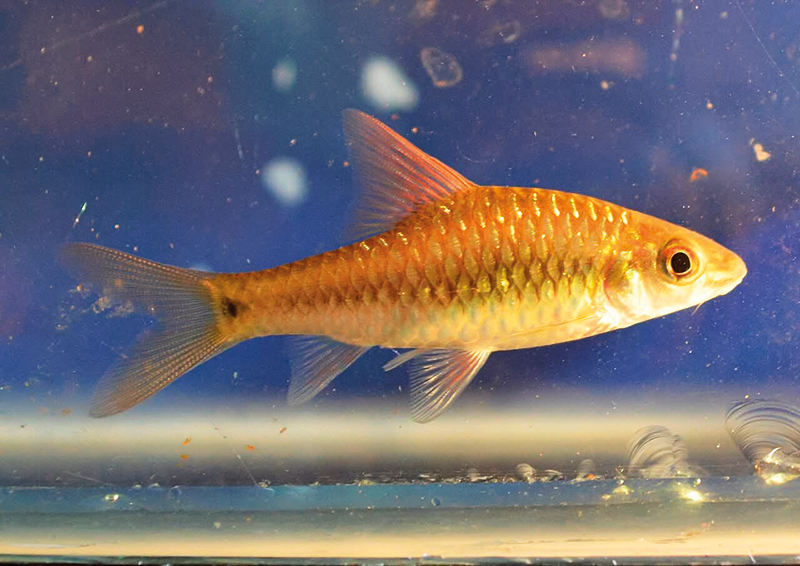
On a quiet morning, as Dr. Kelum Manamendra-Arachchi celebrates another year of life, it is not difficult to imagine him where he has always belonged—somewhere between forest and memory, between bone and history, between the living and the extinct.
For more than 25 years, he has shared his knowledge generously with the Sunday Island, often referring to it with unmistakable affection as his favourite newspaper. To generations of readers, he has been more than a scientist.
He has been an interpreter of the natural world, a man who helped Sri Lanka see itself more clearly.
His life’s work has unfolded not in pursuit of recognition, but in pursuit of truth.
Sri Lanka, an island small in size but vast in biological richness, holds within its forests and streams a remarkable concentration of life. Yet, for much of the 20th century, many of its smallest and most fragile creatures lived and vanished without scientific record.
The pioneering zoological work of P.E.P. Deraniyagala had once drawn the world’s attention to the island, but the decades that followed saw fewer explorers willing to continue that difficult journey of discovery.
It was into that silence that Kelum Manamendra-Arachchi quietly stepped.
His fascination with animals began in childhood, when he joined the Young Zoologists’ Association at the Dehiwala Zoo. It was there, among cages and curiosity, that he first learned the discipline of observation. He was not content simply to see. He wanted to understand.
-
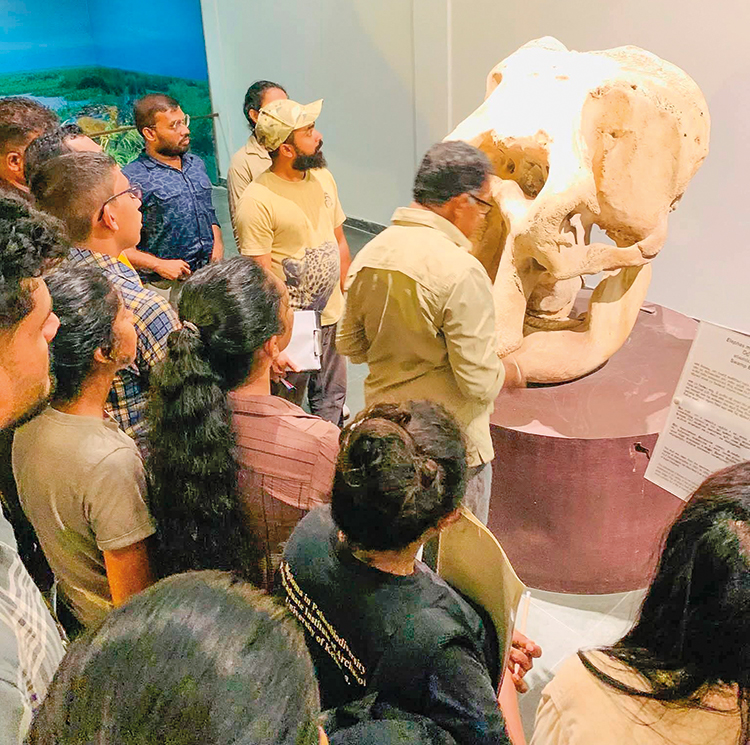
- Museum study led by Kelum
-
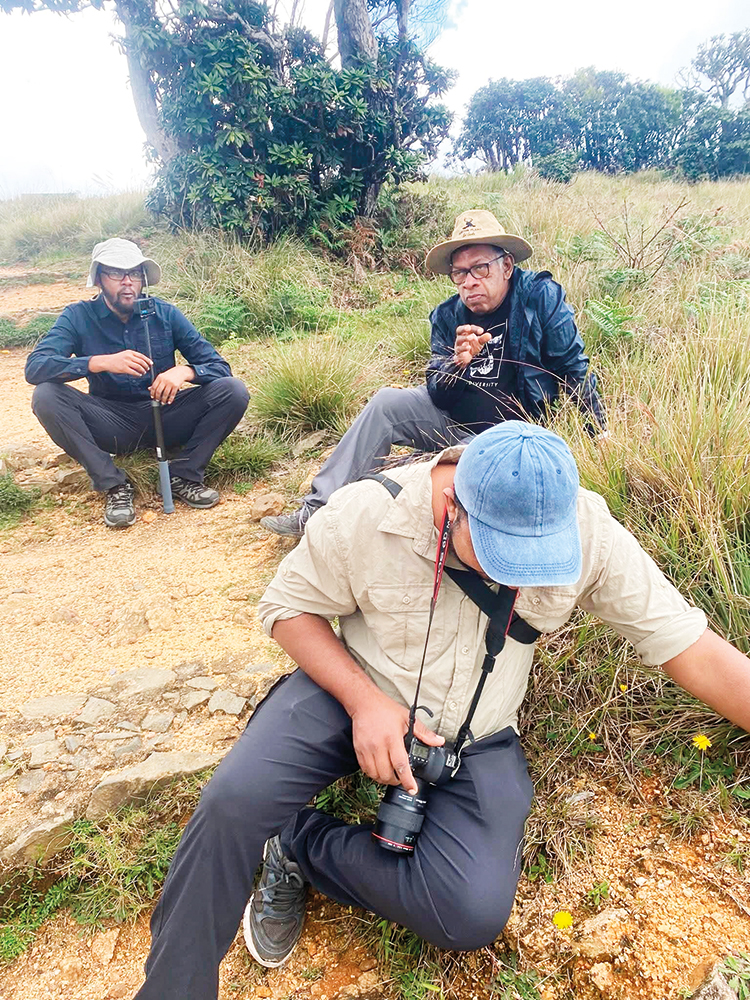
- Field inspection
That desire would shape his destiny.
While still young, he was invited to assist researchers in identifying animal bones recovered during archaeological excavations. It was a rare responsibility, and he approached it with uncommon seriousness. Where others saw fragments, he saw identity. Where others saw remains, he saw continuity.
Bones became his language.
In the early 1990s, his meeting with conservationist and taxonomist Rohan Pethiyagoda marked a turning point—not just in his life, but in Sri Lanka’s scientific history. Together, they helped build the Wildlife Heritage Trust, an institution dedicated to uncovering the island’s hidden biodiversity.
At the time, many of Sri Lanka’s amphibians, reptiles, and small mammals remained scientifically invisible. They existed in forests and streams, unnamed and unrecognised.
Dr. Manamendra-Arachchi set out to change that.
His search took him across continents to the great natural history museums of Britain, France, India, and Singapore. There, in quiet halls filled with preserved specimens, he compared bones and bodies, carefully tracing the identity of species across time and geography. It was meticulous, patient work—the work of someone who understood that discovery begins with attention.
In 1996, he co-authored a landmark study on Sri Lanka’s amphibians, reshaping scientific understanding of these delicate creatures. But it was in 2005 that his work would astonish the global scientific community.
In a single paper, he and his colleagues described 27 new species of shrub frogs—an extraordinary achievement that revealed Sri Lanka as one of the world’s most important centres of amphibian diversity. Scientists around the world turned their attention to the island, newly aware of the richness that had long remained hidden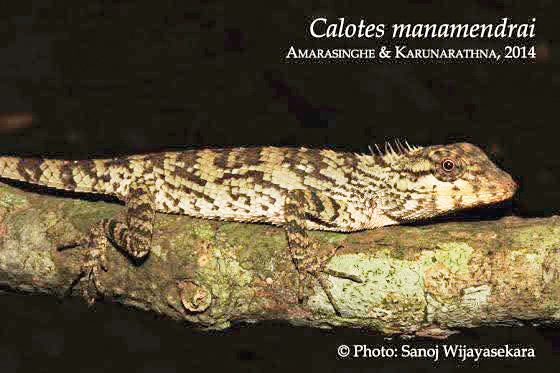 .
.
Through his work, Sri Lanka’s forests began to speak.
Yet Dr. Manamendra-Arachchi understood that science must not remain confined to laboratories or journals. It must belong to people. In 2007, he published a book on Sri Lanka’s amphibians in Sinhala, opening the doors of knowledge to young students across the country. For many, it became a first step into scientific discovery.
He did not merely document biodiversity. He inspired those who would protect it.
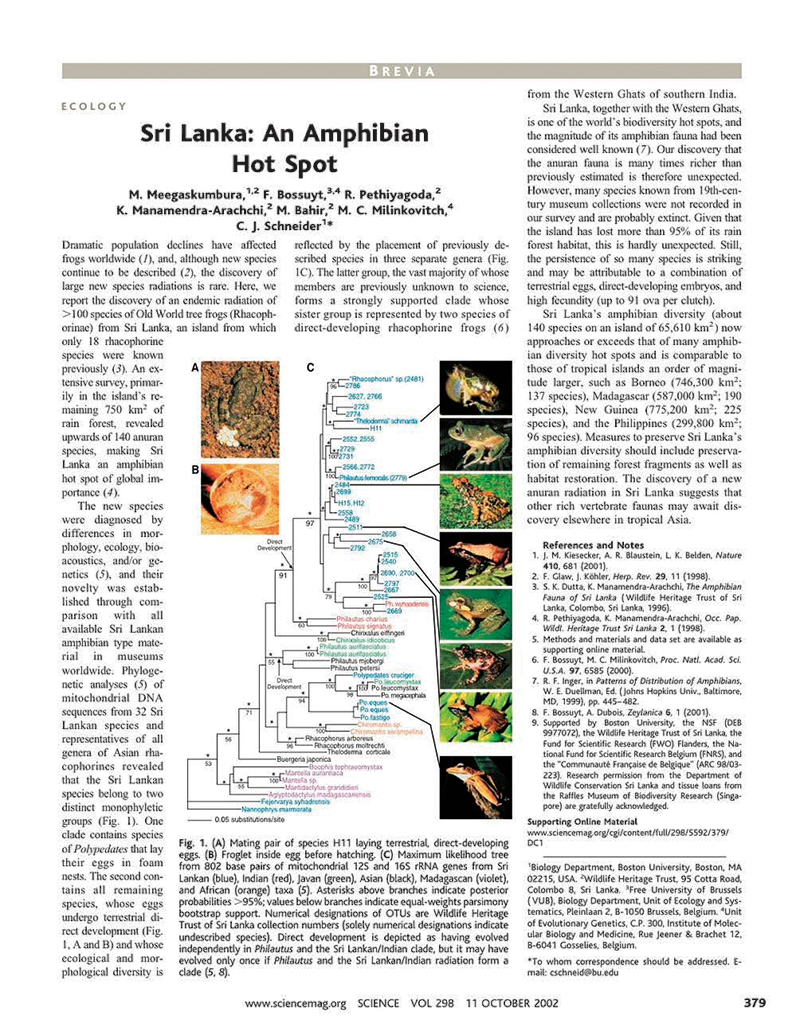
Sri Lanka amphibian hot spot -The Island exclusively reported
His work extended beyond living species into deep time itself. Through the study of fossil remains found in Sri Lanka’s ancient gem-bearing gravels, he reconstructed animals that had vanished thousands of years ago. With scientific precision and artistic insight, he brought extinct creatures back into human understanding.
He reminded us that Sri Lanka’s story is older than memory.
Those who know him personally speak of his remarkable ability to connect science with life. He can move effortlessly from discussing frog evolution to ancient civilisations, from fossil anatomy to art and philosophy. His lectures are filled not only with knowledge, but with wonder.
He is, above all, a teacher.
In recognition of his immense contributions, the University of Sri Jayewardenepura awarded him an honorary doctorate in 2022. Species have been named in his honour, ensuring his legacy will remain permanently embedded in the natural world he helped reveal.
Yet he remains unchanged—quiet, thoughtful, and deeply committed to discovery.
Even today, he continues his work, guiding students, advising researchers, and sharing his knowledge with the public.
His curiosity remains undiminished, his purpose undisturbed by time.
On his birthday (Feb 16) it is fitting that Sri Lanka pauses to reflect on his extraordinary journey.
For he did more than study animals.
He gave identity to the unnamed.
He gave meaning to the forgotten.
He gave Sri Lanka a deeper understanding of itself.
And in forests where bones still lie hidden beneath fallen leaves, waiting patiently for someone to listen, Dr. Kelum Manamendra-Arachchi continues to hear their stories.
By Ifham Nizam
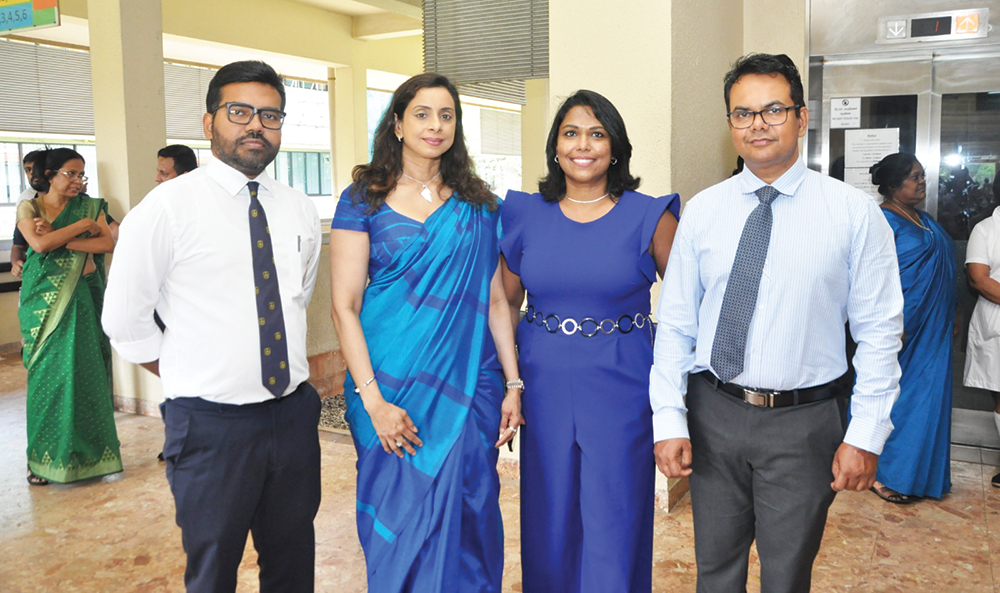
At the core of Jayewardene Hospital is the Organ Transplant Unit. For hundreds of patients suffering from end stage organ failure, the hospital has become a place of renewed possibility. Many arrive after years of dialysis, physical exhaustion and emotional strain. Through transplants they are given not extended life but return to normaly For the doctors each transplant is a responsibility. For the recipients it is a new beginning. And for donor families it is a way for love to endure beyond loss.
The Organ Donation Day at Sri Jayewardenepura General Hospital unfolded as a deeply moving tribute to life, loss and the extraordinary courages that connects the two. Bringing together donor families, medical professionals and survivors whose lives have been transformed, the event was not merely ceremonial but it was profoundly humane.
From the very beginning, there was a quiet stillness, it was the kind of stillness that carried a Semotion unspoken yet deeply felt.
Families walked in with holding memories and a strength that only those who have lived and lost can truly understand. Yet beneath the grief there was something else. There was purpose, because here loved ones were not only remembered, but celebrated for the lives they continue to hold.
At the heart of all, stood doctors and the transplanted teams, the quiet bridge between lost and life. For them organ donation is not simply clinical, it is deeply personal. They carry the weight and hope often with the same moment.
-
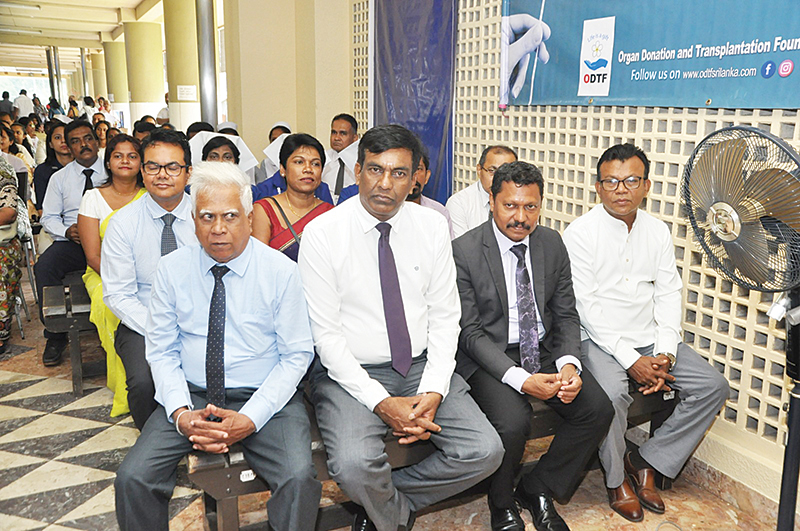
- A team bound by purpose-saving lives
One of the most poignant moments of the ceremony was the presentation of white roses to the families of the donors.
Simple but pure and deeply symbolic, each white rose represented remembrance, peace and the enduring hearts of life given selflessly. As each flower was handed over, there were tears but also quiet smiles.
It was a kind gesture that said what words often cannot, and never forgotten. The lighting of the traditional oil lamp further deepend the emotion of the day. Each flame symoblised a life carried forward ,a reminder that even in loss, there is light.
Dr Niroshan Seneviratne,visionary behind Jayewardene Hospital transplant surgery
This ceremony was organised by the Organ Donation and Transplantation Trust Fund based at Sri Jayewardenepura General Hospital.
This fund was co-founded by Dr. Niroshan Seneviratne, Consultant Urogolist and Transplant Surgeon Dr. Chamila Pilimatalawwe Consultant Anaesiologist and Dr. Chintana Galphitiyawa Consultant Nephrologist. The Chief Guest was Ven. Professor Medgampitiye Wijithadhamma, Guest of honour.was Peter D’Almeida The special guest was Dr. Hansaka Wijemanu ,Deputy Minister of Health. Other special included Dr. Dammika Alahpperuma, MP Dewanande sSuraweera ,Chairman of the hospital Dr Thamara Kalubowila, Director of the hospital Dr Dhammika Alahahaperuma, Sandya Tennekoon and Kareem Amath, Board of Trustee member, Dr Gamini Samarasekera, Auditor Dr Chanaka Abeyratne, consultant Nephrologist
As the proceedings began, the families stood motionless, united by circumstances but compassion and shared humanity. Throughtout the ceremony one message resonated deeply, Organ Donation is not about statistics or procedures it is about people. It is about finding meaning even in the most difficult goodbyes. Among the many voices, the transplant surgeon Dr. Niroshan Seneviratne, a name deeply respected in the country’s transplant landscape, spoke with quiet conviction .Dr. Seneviratne reflected on the journey of organ transplantation in Sri Lanka. Every donar is a hero he emphasised, his voice steady yet filled with emotion “Behind every transplant is a family that chose to give life in their darkest hour.”
Sri Lanka’s organ transplant programmes has steadily grown over the years, particularly in Kidney transplants, offering hope to thousands of chronic renal diseases. This day also honoured the tireless medical teams working behind the screen, surgeons, ICU staff volunteers. Their work often unseen, is nothing short of extraordinary. Organ Transplant Day is not just a date on the calender. It is a celebration of life, of giving, and of the extraordinary power of human kindness.
-
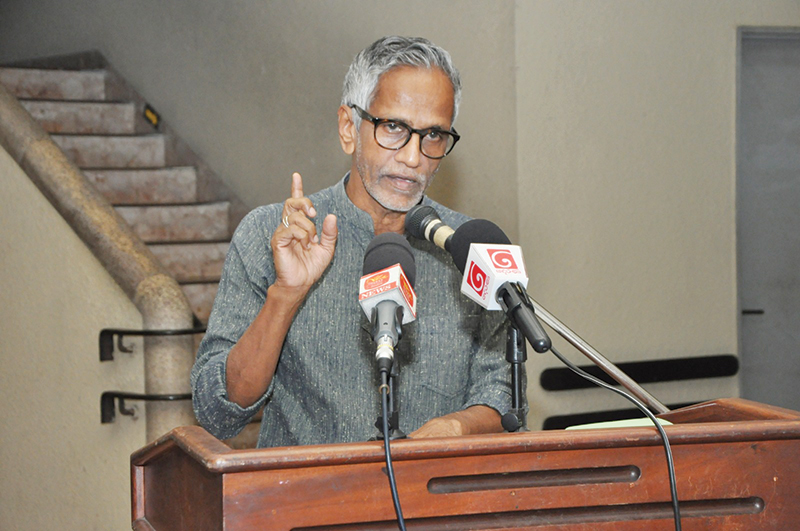
- Peter D’ Almeida- guest of honour
-
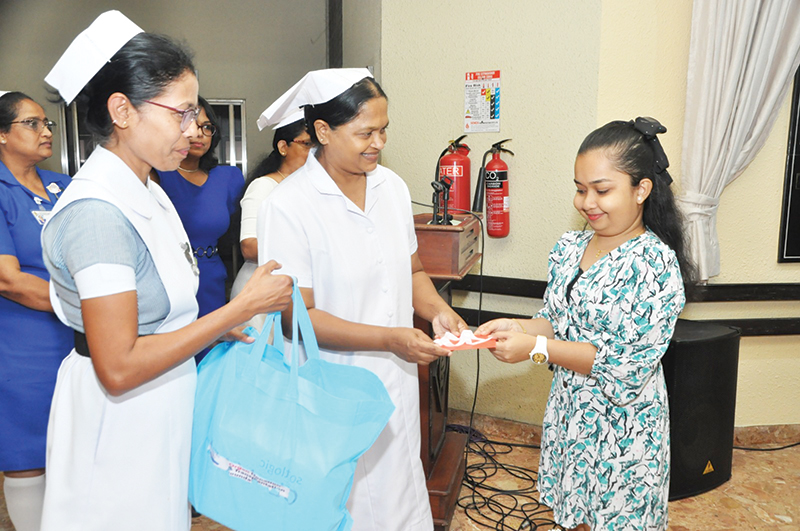
- Every gift tells a story of hope and graditude
-
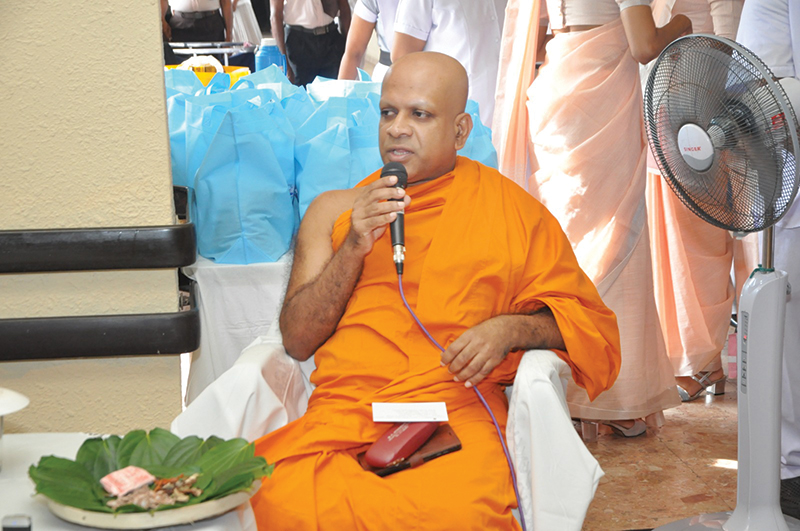
- Chief guest Ven Professor Medagampitiye Wijithadhamma
-
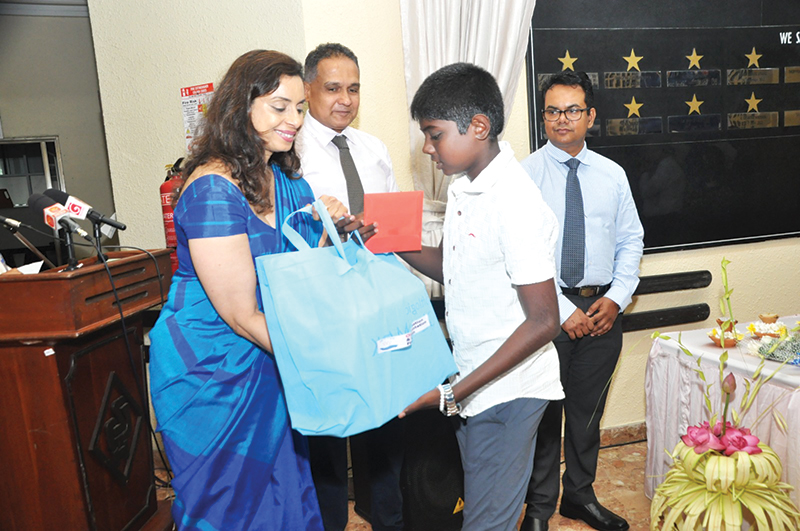
- Small tokens, immense gratitude honouring heroes behind every transplant
Pix by Thushara Attapathu
By Zanita Careem
-

 Features6 days ago
LOVEABLE BUT LETHAL: When four-legged stars remind us of a silent killer
-

 Business6 days ago
Bathiya & Santhush make a strategic bet on Colombo
-
 Business6 days ago
Seeing is believing – the silent scale behind SriLankan’s ground operation
-

 Features6 days ago
Protection of Occupants Bill: Good, Bad and Ugly
-
 News6 days ago
Prime Minister Attends the 40th Anniversary of the Sri Lanka Nippon Educational and Cultural Centre
-

 News6 days ago
Coal ash surge at N’cholai power plant raises fresh environmental concerns
-
 Business6 days ago
Huawei unveils Top 10 Smart PV & ESS Trends for 2026
-

 Opinion2 days ago
Jamming and re-setting the world: What is the role of Donald Trump?