
Life style
Women -building blocks in shaping history of Turkiye

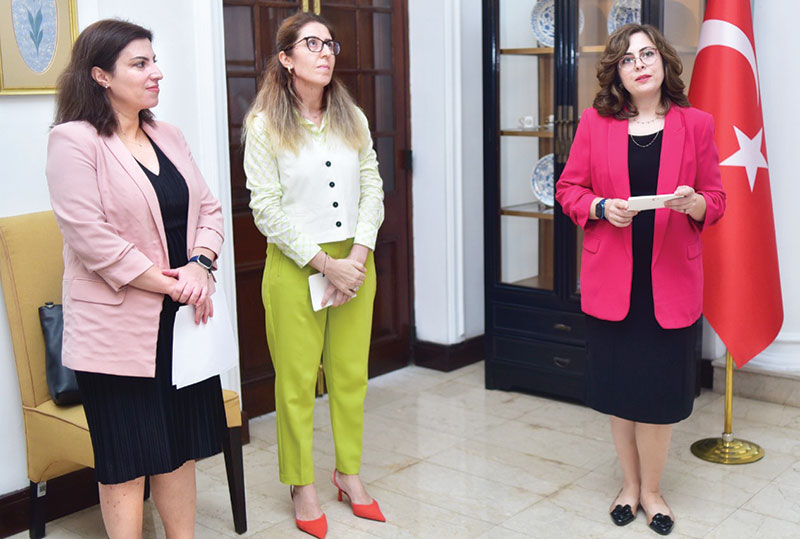
 In the Republic of Turkiye women have been one of the building blocks in shaping Turkiye for centuries. However, especially since the founding of the Republic, Turkiye has been one of the leading countries in the world, especially in terms of the political visibility of women. Women were given the right to vote long before women were given political rights in many democratic and modern countries.
Turkish women are known for their unwavering determination and resilience. They exhibit remarkable dedication and courage in pursuing their goals and challenge injustice. Their hard work and perseverence contribute to their advancement of society. These statements were expressed by the Deputy Chief of Mission of Turkiye M/S Merve Goozde Otlu at the residence of the Turkish Ambassador in Sri Lanka, on the occasion of the International Women’s Day.
This day is also important for Turkish women, who have played a vital role in shaping Turkish society, from the early days of our Republic to the present said the Deputy Chief of Mission. In her speech she also pointed out that the founder of the Republic, Mustafia Kemal Ataturk, has an important place in the hearts of all Turkish people, but his visionary leadership for women’s rights are especially precious for all women of Turkiye.
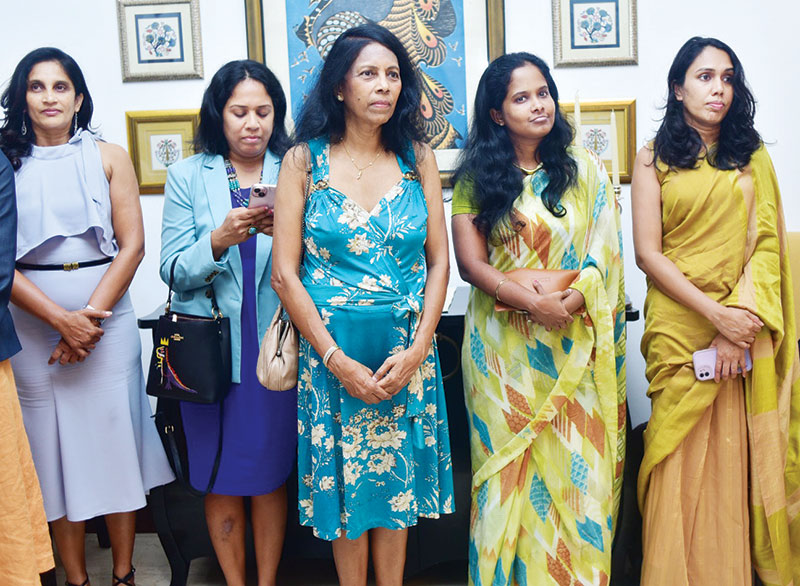
Some of the guests
She explained “Ataturk strongly believed in women’s equality and emphasized that a modern and progressive society could only be achieved if women had equal opportunities as men’’
“Women were encouraged to participate in all areas of life, including education, work life and politics. One of the most remarkable steps Ataturk took was granting women the right to vote and as early as 1930, women were able to run for office at the local elections and in 1934 women were granted this right long before many other countries (One year after that, there were already 18 women MPs). When we look at Turkish history, we see countless inspiring women who have shaped our country, playing crucial roles achieving many milestones. These women have proved that Turkish women could achieve greatness in any field from science to business, from arts to sports, if given the opportunity, she remarked.
Turkish women have also made a significant contribution to diplomacy, a field often seen as male-dominated, she remarked.

Kanchana Rajapakse from embassy
For decades, Turkish women have been representing our country with strength and determination on the global stage. The first woman diplomat Mrs. Adile Ayda was recruited in 1932, while Ambassador Filiz Dinemen is the first woman Ambassador of Turkiye, assigned to the Hague in 1982.
Women representation has been increasing in the Ministry of Foreign Affairs, constituting almost 40% of the Ministry.
It is a personal honour for me to serve in a country like Sri Lanka, which gave the world the first female Prime Minister in history, Sirimavo Bandaranaike, she said with pride.
Her leadership showed that women can take on the highest responsibility and be a driving force not just for women but for the whole society.
The contribution of women in Turkiye in the field of Science and Technology is far reaching. She said in Turkiye, a prominent scientist who worked for NASA, whose research was instrumental in the legendary 1962 Apollo mission. She is Dihlhan Eryunt, was the recipient of the NASA Appolo Achievement Awards she said with pride.
The First Secretary, Imren Kaygisiz said Turkish women who have contributed to the development of the country and thier enduring impact on society who are still continuing to inspire strength,resilience and success of women
The Commercial Counsellor M/s Gamze Erc an also paid tribute to the founder of Modern Republic of Turkiye, Mustafa Kemal Ataturk who gave importance to education of Turkish women and leader believed that development of a nation depends on a strong education foundation.
The evening had all the trappings of glamour followed by high tea.

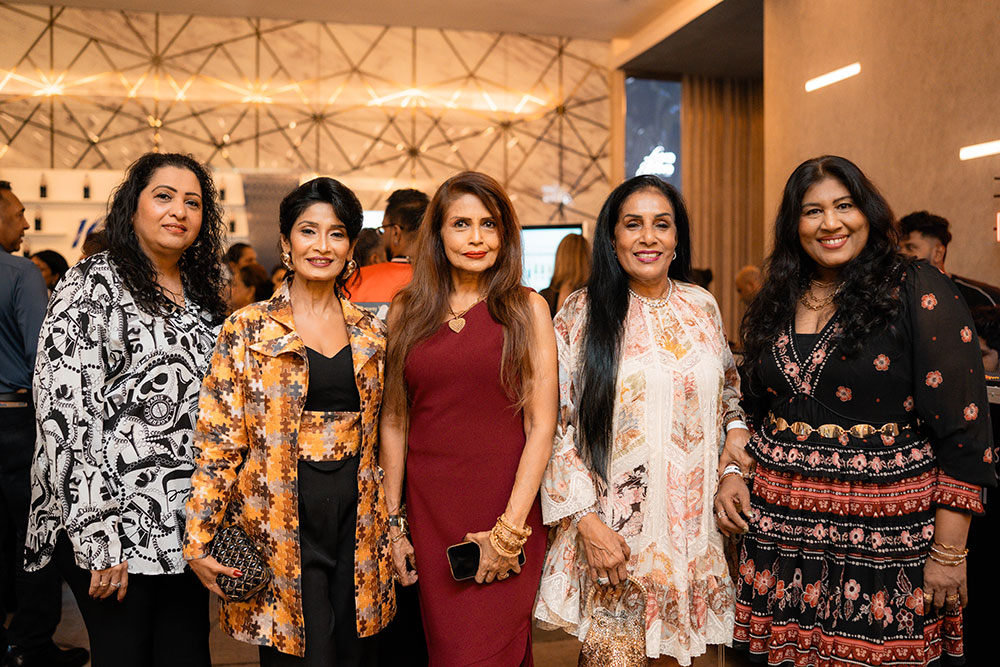
Fashion and fitness came together in a spectacular fashion event as FitCon Luxe unveiled its much-anticipated Active Edit Collection at an exclusive evening at Cinnamon Life that celebrated wellness, confidence and contemporary style. The launch brought together guests from the world of fashion, lifestyle and fitness creating an atmosphere that reflected the brand’s commitment to empowering individuals through versatile and sophisticated activewear. From chic contemporary looks to elegant statement pieces, attendees embraced the spirit of style and confidence. Their impeccable fashion choices complemented the brand’s vision of blending luxury, wellness and modern living, making the event, a true celebration of fashion forward elegance (Zanita ) ✍️
-
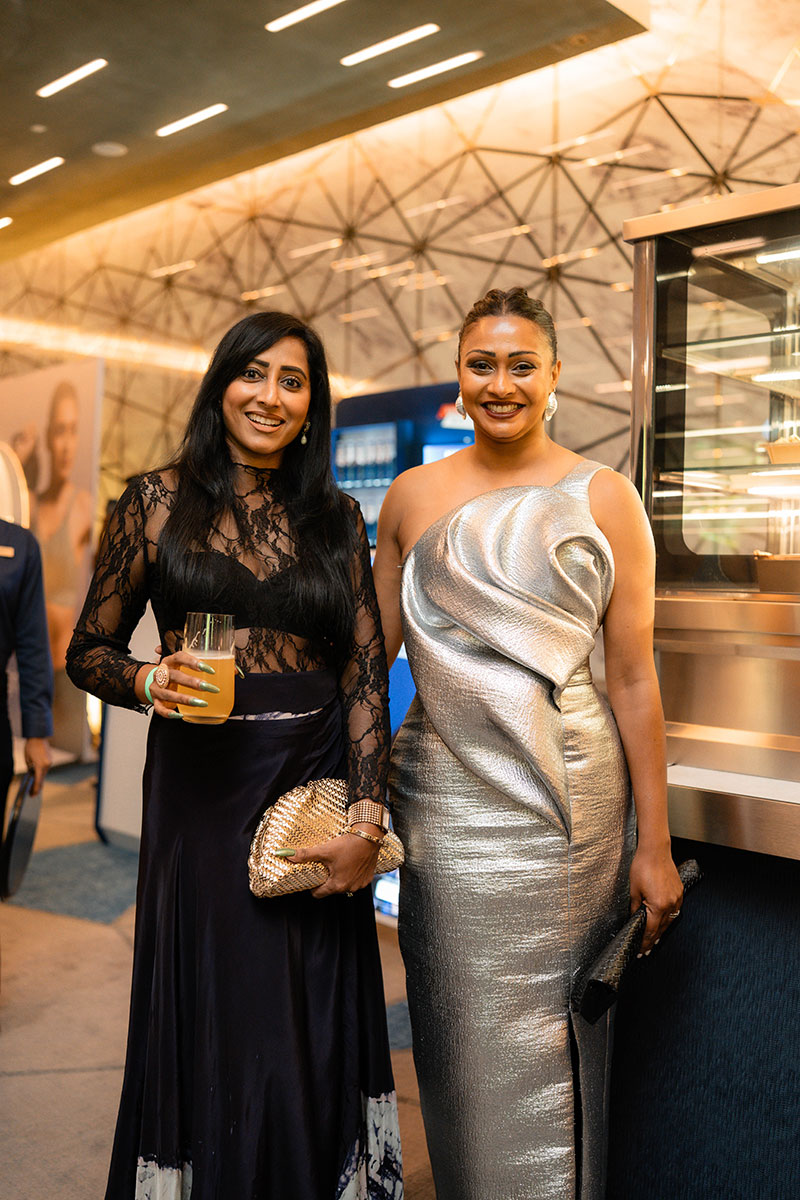
- Jayani Brian Kerkovan Thyasha Azhar and friend
-
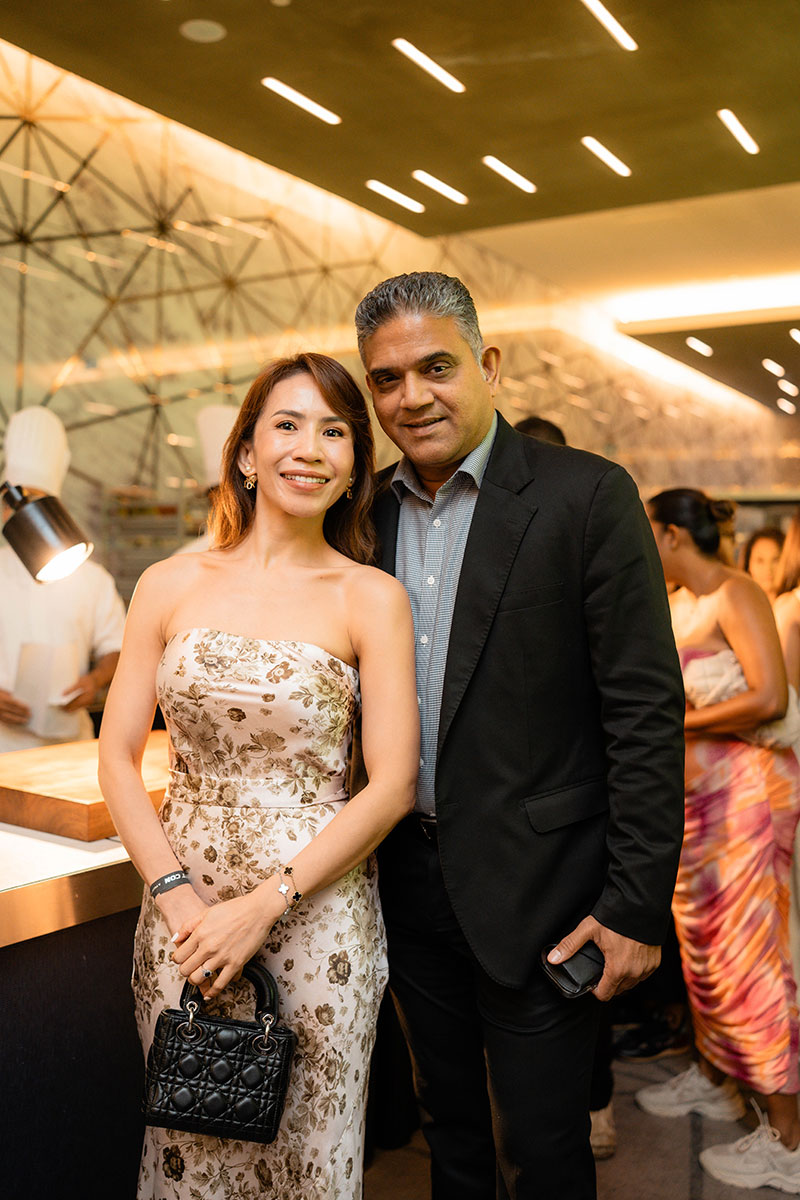
- Kamal Munasinghe with Trieshan with a guest wife Katie
-

- Ayesh Fonseka
-
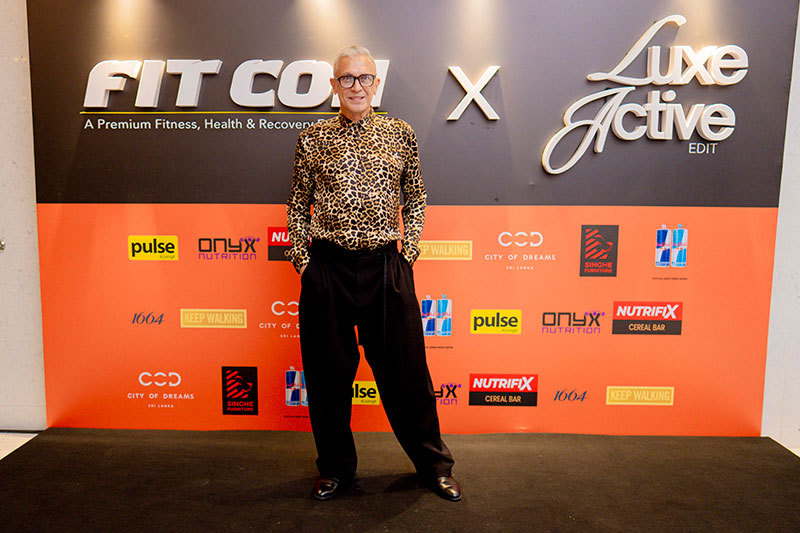
- Brian Kerkovan
-

- Trieshan with a guest
-
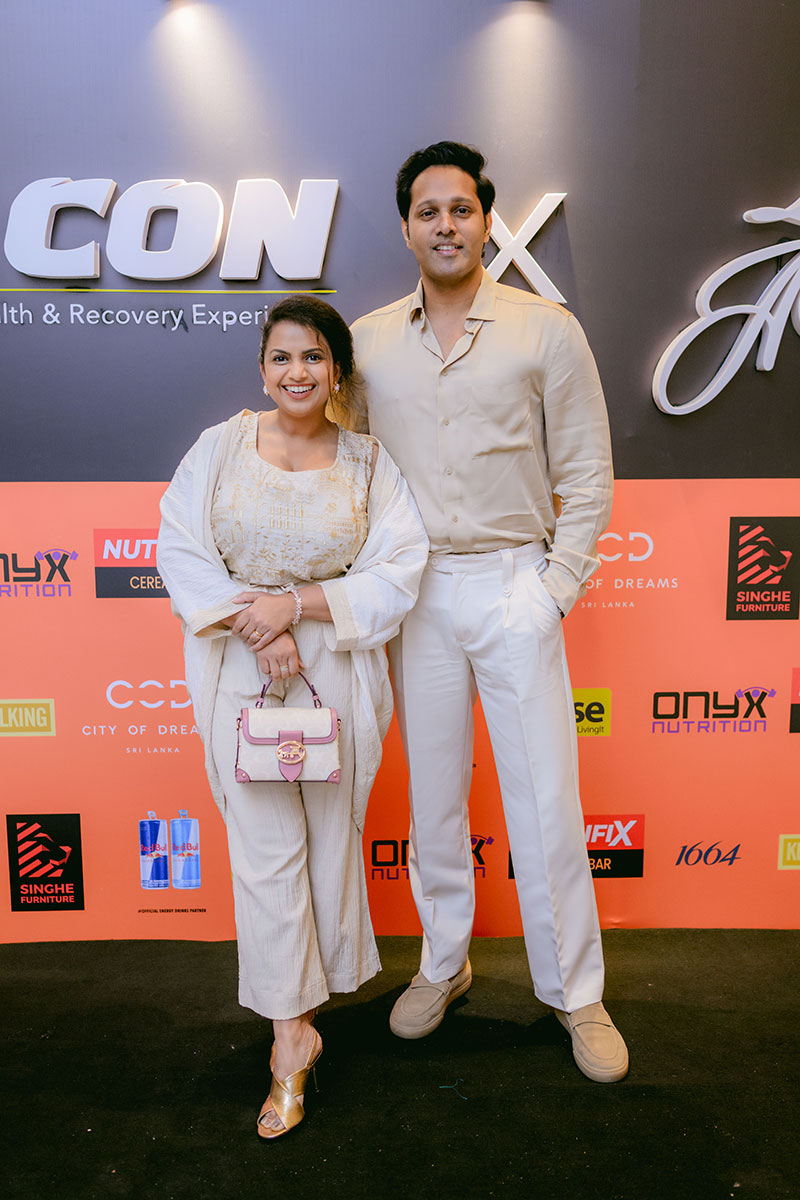
- Roshan Ranawana with Kushlani
-
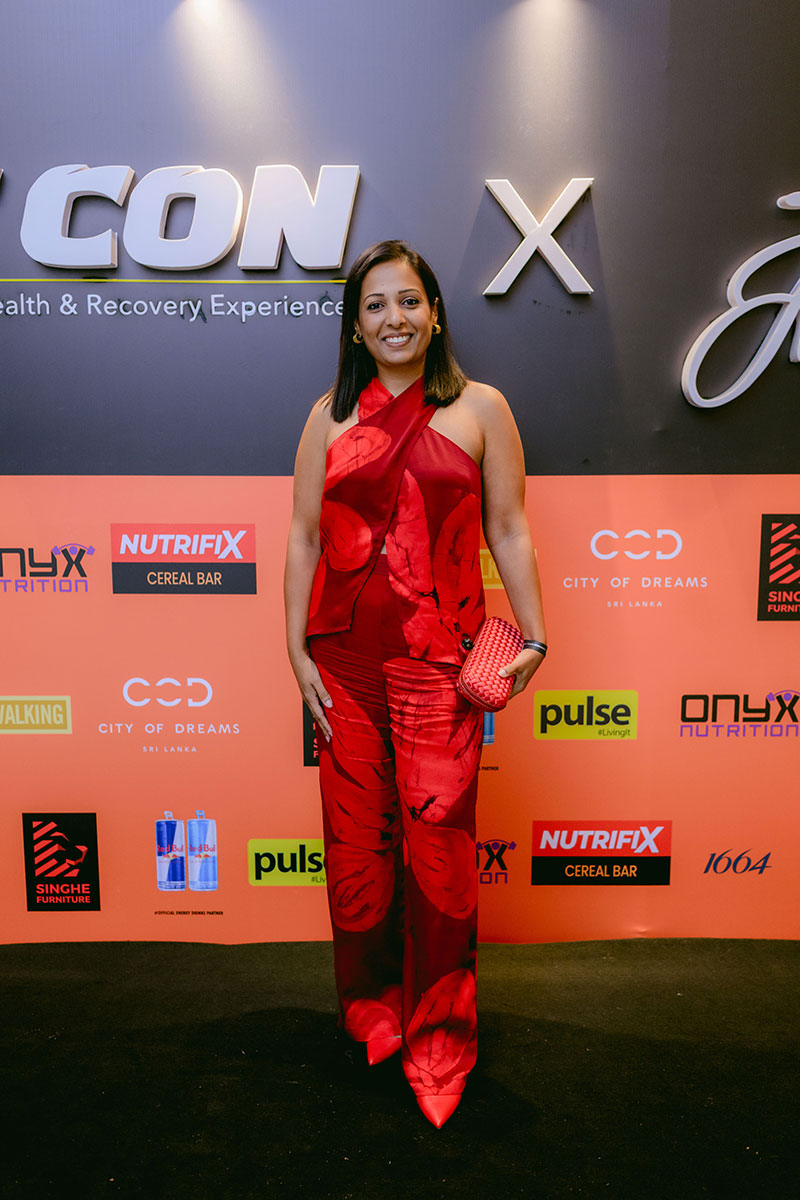
- Thyasha
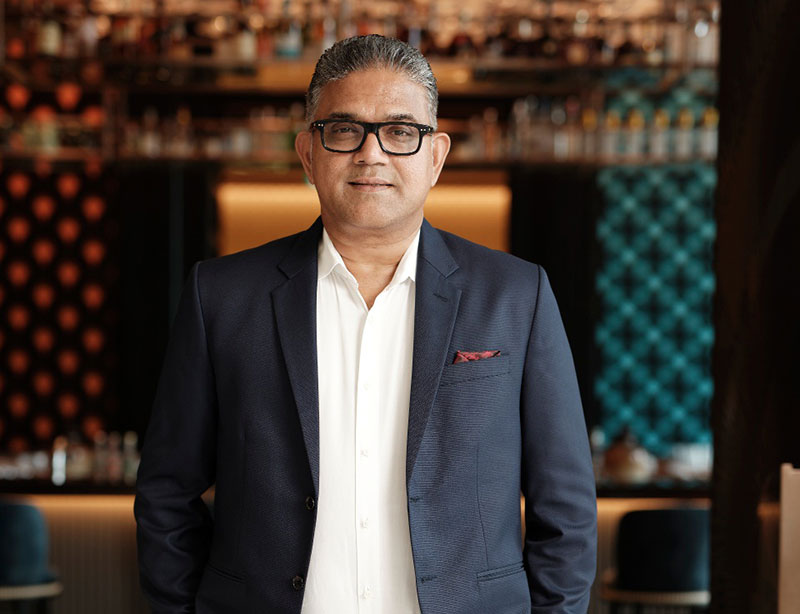
Leading with passion
In Sri Lanka’s dynamic hospitality landscape, few leaders have left a significant mark as Kamal Munasinghe.As Senior Vice President of Colombo Hotels at Cinnamon Hotels and Resorts, and General Manager of Cinnamon Life at City of Dreams, Kamal Munasinghe brings out three decades of international experience to one of the country’s most ambitions hospitality venture. Renowned for his strategic vision, operational excellence, and passion for guest experience, Kamal has played a pivotal role in shaping the growth of Cinnamon’s flagship properties, while helping position Colombo as a premier destination for business and tourism. And this is how my exclusive interview with this dynamic personality went:
 (Q) How do you assess the cultural state of Sri Lanka’s tourism industry and what gives you confidence about the future?
(A) Sri Lanka’s tourism industry is in a very positive place today. Over the past few years, We have seen the sector perform strongly, with increasing visitor arrivals, renewed investor confidence, and growing interest from key international markets. More importantly, travellers, who visit Sri Lanka, continue to leave with a very positive impression of the destination, which is one of the strongest endorsements any country can receive.
What gives me confidence is that Sri Lanka has something genuinely unique to offer. Within a relatively small island, visitors can experience ancient heritage, wildlife, beaches, mountains, tea country, wellness, adventure, and vibrant city life. Few destinations can offer such diversity in such close proximity. We also have one of our greatest assets in the warmth and hospitality of our people. Looking ahead, if we continue investing in the right places, I believe Sri Lanka is welt positioned to become one of Asia’s most desirable tourism destinations.
(Q) What role can Cinnamon Hotels play in positioning Colombo as a must visit destination in Asia?
(A) At Cinnamon Hotels & Resorts, we see ourselves as more than hotel operators. We are in the business of creating experiences and helping shape perceptions of Sri Lanka as a destination.
Colombo is a city with enormous potential. It is a city where history, culture, business, entertainment, and modern development come together. Through our investments, particularly Cinnamon Life at City of Dreams Sri Lanka, we are helping create experiences that encourage travellers to discover everything the city has to offer.
Today’s travellers are looking for destinations that offer great food, entertainment, culture, shopping, events, and lifestyle experiences alongside quality accommodation. By bringing many of these elements together, we are helping position Colombo as a destination worth exploring in its own right. Our rote is to continue raising standards, attracting international attention, and showcasing the city as a vibrant and exciting destination within Asia.
(Q) Congratulations on your new appointment as Senior Vice President, Colombo Hotels at Cinnamon Hotels and Resorts, and also General Manager, Cinnamon Life at City of Dream. What are your immediate priorities in this role?
(A) One of my immediate priorities is strengthening collaboration across the tourism ecosystem to create a stronger and more unified vision for Colombo. We need to continue attracting international events, conferences, sporting activities, and cultural experiences that showcase the city’s potential.
Initiatives like Chalo Colombo by City of Dreams Sri Lanka and John Keells Leisure sector demonstrate how targeted destination campaigns can help drive visitation and highlight Colombo’s growing appeal. My focus is on ensuring the city continues to evolve as a vibrant, competitive destination that delivers value for visitors, businesses, and the wider tourism industry.
(Q) How can Sri Lanka attract more high-spending travellers rather than focussing solely on numbers?
(A) The conversation around tourism success needs to evolve beyond simply counting arrivals. While visitor numbers are important, what truly matters is the value tourism creates for the country, communities, and businesses.
To attract higher-spending travellers, we need to focus on creating exceptional experiences. Luxury today is no longer just about five-star accommodation. It is about exclusivity, personalisation, and access to experiences that cannot be found elsewhere.
Sri Lanka is perfectly positioned to deliver this. Whether it is private wildlife experiences, wellness retreats, curated cultural journeys, world-class golf, sailing, or exceptional dining experiences, we have opportunities to create products that appeal to premium travellers.
If we focus on quality experiences, service excellence, and destination storytelling, we can attract visitors who stay longer, spend more, and develop a deeper connection with Sri Lanka.
(Q) What are the biggest opportunities for Sri Lanka to compete with destinations such as Maldives, Thailand and Singapore?
(A) Each of these destinations has built a strong identity, and I believe Sri Lanka’s greatest opportunity lies in embracing what makes us different rather than trying to imitate others.
What sets Sri Lanka apart is the diversity of experiences available within a single trip. A visitor can explore ancient kingdoms, enjoy a safari, relax on a beach, visit tea plantations, experience local culture, and spend time in a modern city, all within a matter of days.
There is also significant opportunity in areas such as sports tourism. Sri Lanka already has strong recognition through cricket, but there is growing potential in golf, surfing, sailing, cycling, and endurance events. Markets such as Australia, India, the United Kingdom, and the Middle East offer exciting opportunities in this space.
Most importantly, Sri Lanka offers an unmatched variety of experiences within a compact geography. That combination of accessibility, diversity, and value is a powerful advantage in today’s tourism landscape.
(Q) How important is destination marketing in shaping international perception of Sri Lanka?
(A) Destination marketing is absolutely essential. Travellers often form opinions about a destination long before they make a booking. The images they see, the stories they hear, and the experiences shared by others all influence their decision.
Sri Lanka has an incredible story to tell, but we need to tell it consistently and strategically. Good destination marketing is about creating desire. It is about inspiring people to imagine themselves here and helping them understand what makes Sri Lanka different from every other destination competing for their attention.
A strong and consistent tourism brand will be critical if we are to achieve our long-term ambitions as a destination.
(Q) What emerging tourism markets should Sri Lanka target in the coming year?
(A) India will continue to be a key growth market for Sri Lanka, supported by strong connectivity and increasing demand for short-haul leisure and business travel. We also see opportunities in Australia, Europe, and Southeast Asia, particularly among travellers seeking unique cultural and lifestyle experiences.
The Middle East has traditionally been a valuable source market for Sri Lanka and, despite current geopolitical challenges, remains strategically important in the long term due to its strong connectivity and high-value traveller segment.
More importantly, our focus should be on diversification. By attracting visitors from a range of markets and growing segments, we can build a stronger and more resilient tourism industry.
(Q) . How can Sri Lanka become more than a transit city and encourage visitors to stay?
(A) For many years, Colombo was often viewed as the starting point of a Sri Lankan holiday. Today, that perception is changing.
Modern travellers are increasingly drawn to cities that offer culture, entertainment, food, shopping, nightlife, and unique local experiences. Colombo already has many of these. What we need to do is continue developing and promoting them more effectively.
Projects such as Cinnamon Life at City of Dreams Sri Lanka are helping transform the city by introducing new experiences that encourage visitors to extend their stay. At the same time, we need more festivals, international events, cultural programming, waterfront experiences, and city attractions that showcase Colombo’s character.
It is a city where old and new exist side by side. You can walk past a colonial building, turn a corner, and find yourself surrounded by a completely different side of Colombo. Every street, every neighbourhood, and every skyline tells a story. Whether someone is here for a business meeting, a conference, a concert, a sporting event, or simply a great meal, we want them to leave with a richer understanding of Colombo and everything the city has to offer.
(Q) What trends are you seeing among international travellers that Sri Lanka should capitalise on?
(A) One of the biggest trends is the shift towards meaningful, experience-led travel. Travellers are increasingly looking for experiences that allow them to connect with a destination on a deeper level.
They want authentic cultural experiences, local food, interaction with communities, wellness experiences, and opportunities to discover places that feel unique and personal. They are also placing greater importance on sustainability and responsible tourism.
Another trend is experiential luxury. Today’s travellers are often less interested in traditional luxury and more interested in unique experiences that create lasting memories. Sri Lanka is exceptionally well positioned to benefit from these trends because authenticity is already part of who we are as a destination.
(Q) How can Sri Lanka leverage its culture, heritage and cuisine to create distinctive tourism experience?
(A) Our culture, heritage, and cuisine are among our strongest competitive advantages. They are also some of the most memorable parts of the visitor experience.
Travellers today want to participate, not simply observe They want to learn how local food is prepared, hear stories behind traditions, attend festivals, meet artisans, and engage with communities. These are the experiences that people remember long after they return home.
Sri Lankan cuisine in particular has enormous potential. Food has become one of the key reasons people choose destinations, and our culinary traditions are rich, diverse, and deeply connected to our history and culture.
By bringing together heritage, storytelling, food, music, art, and local experiences, we can create tourism products that are authentic, memorable, and uniquely Sri Lankan.
(Q) How do you see the Integrated Resorts changing the tourism landscape of Colombo?
(A) Integrated resorts have transformed cities around the world because they create complete destination experiences rather than stand alone attractions.
They bring together hospitality, entertainment, dining, retail, events, and leisure experiences in one location, creating reasons for visitors to stay longer and spend more time exploring a city.
And in South Asia, City of Dreams is the place. As South Asia’s first fully integrated resort, we represent a significant step forward in elevating Colombo’s tourism offering. They help attract new visitor segments, support international events, strengthen the city’s appeal as a business destination, and create experiences that can compete with leading cities across the region.
Most importantly, they contribute to changing perceptions of Colombo and showcasing the city as a destination that offers world-class experiences.
(Q) Looking ahead, what is your vision for Sri Lanka tourism over the next decades, and where does Cinnamon Hotels fit into that journey?
(A) My vision is for Sri Lanka to be recognised as Asia’s most complete island destination, a place where visitors can experience culture, nature, wellness, adventure, business, and entertainment within a single journey.
Success should not be measured solely by arrival numbers, but by the value tourism creates for communities, businesses, and the country as a whole. I would like to see tourism growth that is inclusive, sustainable, and beneficial to people across Sri Lanka.
Cinnamon Hotels & Resorts will continue to play a leading role by investing in world-class hospitality, developing new tourism experiences, and helping showcase Sri Lanka on the global stage. We are not just building hotels; we are helping shape the future of Sri Lankan tourism.
(Q) How can the industry balance growth with environmental and cultural preservation?
(A) Sustainability has to be at the centre of every conversation about tourism growth. The natural beauty, bio diversity, and cultural heritage of Sri Lanka are the very reasons visitors come here, so protecting those assets is not optional.
As an industry, we need to ensure that development is responsible, that local communities benefit from tourism, and that environmental considerations are integrated into every stage of planning and operations.
We also need to protect cultural authenticity. As destinations become more popular, there is always a risk of losing the unique character that makes them attractive in the first place. Growth should enhance local culture, not replace it.
The future of tourism is not about choosing between growth and preservation. It is about ensuring that they go hand in hand. If we get that balance right, Sri Lanka can continue to grow as a destination while preserving the natural and cultural treasures that make it truly extraordinary.
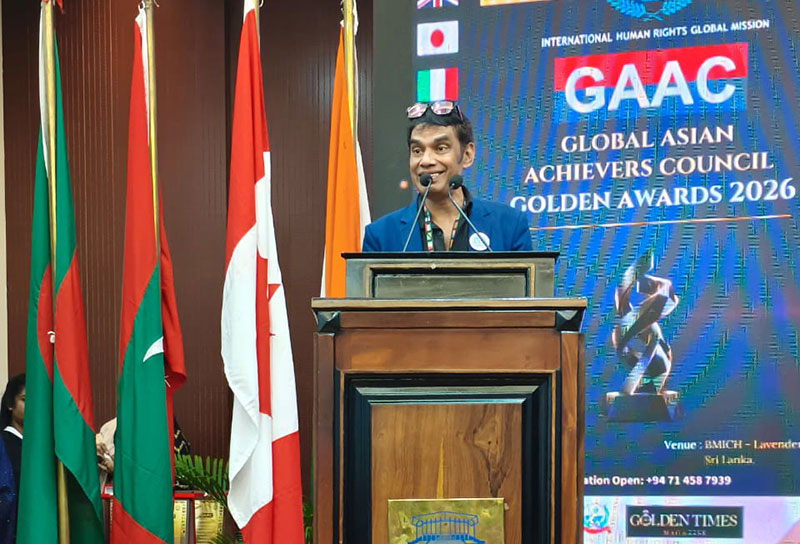
In a remarkable recognition of excellence and leadership, Ziqa Insaf has been honoured with the prestigious Global Asia Achievers’Award for her outstanding contributions and achievements on a regional and global stage.
This award acknowledes individuals who have demonstrated exceptional dedication, innovation and impact with their respective fields Ziqa Insaf’s accomplishments reflect a commitment to excellence and a drive to create meaningful change, earning recognition among distinguished achievers across Asia.
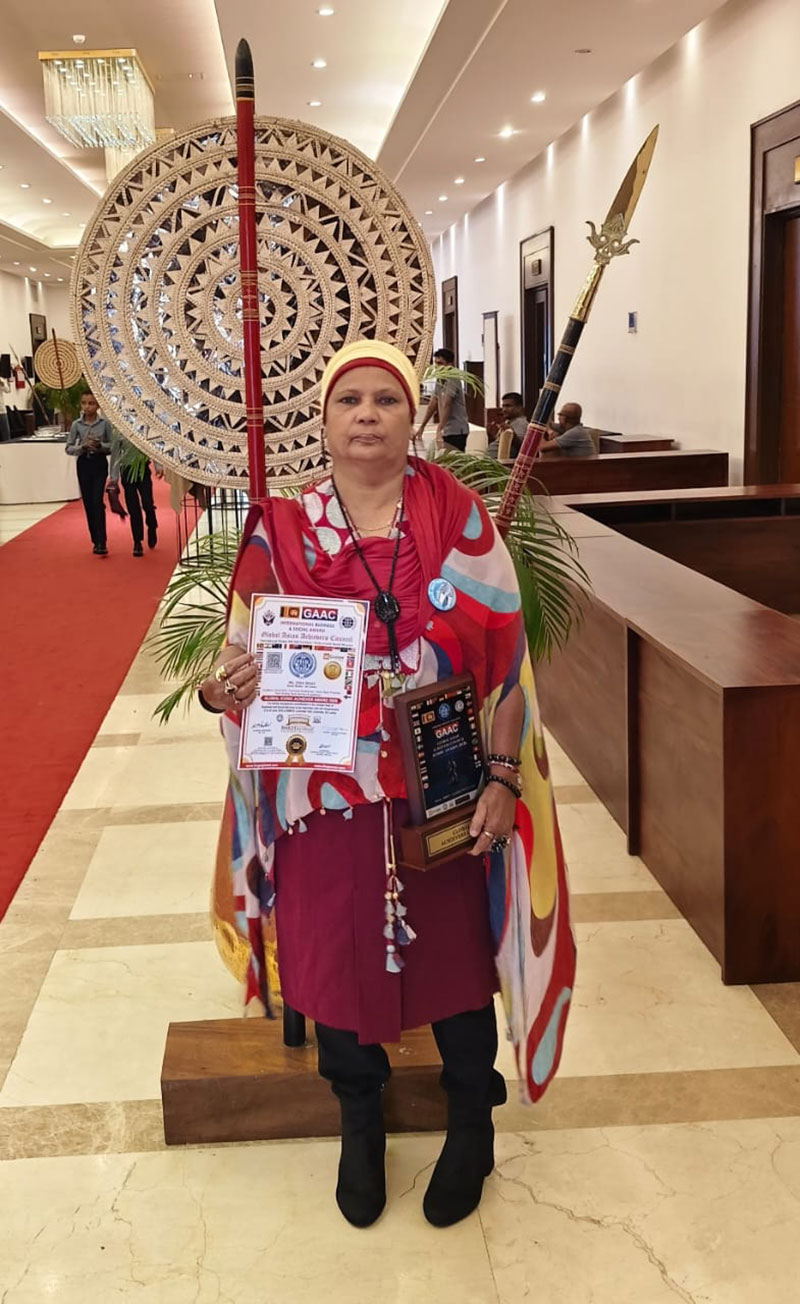
Proud moment for Ziqa
Recieving the Global Asia’s Achievement Award marks an important milestone in Ziqa professional journey. This honour not only highlights personal success but also serves as an inspiration to emerging leaders striving to make a difference in their professions and communities.
As Asia continues to reconize influential voices, and transformative leaders Ziqa Insaf’s achievements stand as testament to preservance, vision and the pursuit of excellence.
The award reinforces the importance of leadership that trancends boundaries and contribute positively to society.
She played a pivotal role in the M/s Tourism International Pageant held in Sri Lanka in 1993 and has contributed to dedicate herself to numerous charitable causes over the years.
Her remarkable efforts include supporting and helping rebuild the lives of those affected by the devastating tsunami, offering her time and expertise on a pro bono basis to assist less fortunate brides, and actively engaging in charitable initiatives benefitting underprivileged children.
Speaking about her reconition, Ziqa expressed gratitude to her supporters, mentors, and collaborators emphasing that her award reflrcts the collective efforts if everyone who has been part of her journey
This prestigious award is a fitting tribute to her lifelong dedication to empowering others and making a meaningful difference in society.

US says it has agreed to ‘stand down’ after exchange of strikes with Iran

Australia, India, South Africa and Great Britain qualify for women’s event at LA28 Olympics

South Korea football coach quits as president calls for probe into World Cup loss

Europe’s heatwave linked to 1,300 deaths, WHO says, as Germany hits record 41.7C

Padikkal fifty, Sudeera five-for before India A, Sri Lanka A settle for draw

“May this sacred Poson Festival illuminate every heart with compassion, loving-kindness and wisdom”- President

‘Dates have the highest sugar content to fight Coronavirus’

Sunday Island 27 December – Headlines

#SundayIsland 17th December – Headlines

Sunday Island – 28th March

Sunday Island Headlines – 21 March

Sunday Island – 21st February – Headlines
-
 News16 hours ago
LAWASIA warns against ad hoc initiative to increase judges’ retirement ages
-
 Opinion7 days ago
Ranasinghe Premadasa: The man who would not take ‘No’ for an answer
-
 News2 days ago
Another 1,132 Sri Lankan Personnel to be deployed for United Nations Peacekeeping Missions
-

 Opinion6 days ago
Sri Lanka’s national security: Justice, reconciliation, and forward-looking vigilance
-

 News4 days ago
Kelaniya emerges as highest ranked Lankan uni in Times Higher Education Sustainability Impact Ratings
-

 News6 days ago
US Assistant Secretary of State for South and Central Asian Affairs meets President
-
 Opinion5 days ago
A triumph for Pakistan’s skilled diplomacy at Iran-US talks
-
 Features2 days ago
People’s Bank expands digital banking network with 125th cheque deposit kiosk