
Business
WNPS Anawilundawa wetland regeneration project achieves key milestones with generous support of Hemas Plc

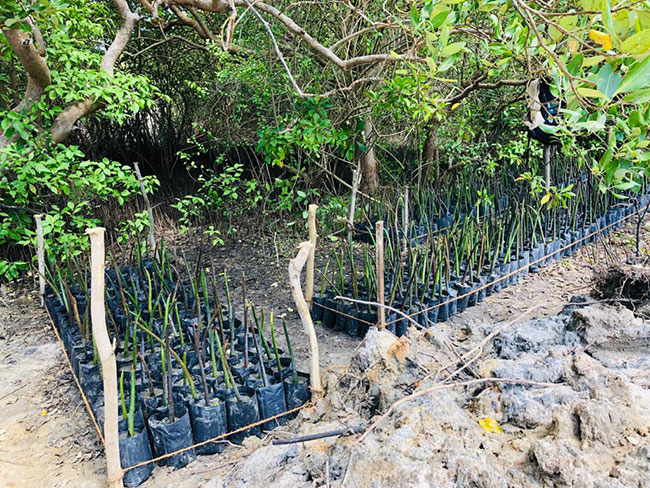
Sri Lanka’s current mangrove cover, estimated to be 15-000 19,000 Hectares, is a mere 0.3% of the total landmass and is critically low, putting the island at risk from the impact of climate change and natural disasters such as storm surges and Tsunamis. Mangroves are an integral part of our forests and constitute about 2% of Sri Lanka’s total forest cover – they are very much a part of the fast dwindling 17% of our primary forests.
WNPS’s Accelerated Natural Regeneration of Mangroves (ANRM) Project was launched with the goal of regenerating the damaged mangrove habitats in Anawilundawa Wetlands and building sustainable livelihoods in surrounding communities. The project aims to restore approx. 45 hectares (110 acres) of the mangrove ecosystem at Anawilundawa, which have been destroyed due to shrimp farming.
WNPS partnered the Department of Wildlife Conservation on this project in the first half of 2020 and despite the chaos caused by the Covid-19 pandemic, the project has successfully reached its initial milestones including recording of the faunal and floral species in a section of the surrounding habitats, creating a mangrove plant nursery using harvested seeds from the site and establishing baseline data for the project.
This important conservation project is to be conducted by Sri Lanka’s Department of Wildlife Conservation (DWC), Department of Forests (FD), Wayamba University (Science Partner), facilitated by the Wildlife & Nature Protection Society (WNPS).
Referred to as “Blue forests” coastal and marine ecosystems consisting of mangrove forests, seagrass meadows and tidal salt marshes are some of the most efficient carbon sequestration tools found in nature. They can store up to ten times more CO2 per unit area than tropical rainforest, making them a powerful weapon against global warming and climate. These natural ecosystems also play a key role in the country’s coastal protection and provides protection from storm surges and catastrophic events like floods & tsunamis. Not only this, mangrove ecosystems provide sustainable livelihoods for many rural communities.
In the late 1990’s over 50% of Sri Lanka’s Mangrove habitat was destroyed to establish Shrimp Aquaculture, severely affecting the functioning of coastal ecosystems. This destruction of ecosystems is compounded by the fact that it also cripples livelihoods that depended on Mangroves associated small industries like Artisanal Fishing, Firewood, Herbal Medicine and Tourism. Anawilundawa Wetlands was one such damaged habitat, which is a wetland ecosystem of global importance and one of six RAMSAR sites in Sri Lanka.
It is home to over 150 species of birds; both resident and migratory, 20 species of mammals and over 70 species of butterflies; whilst over 50% of the country’s freshwater fish species are found in these waters. Human intervention on restoration of mangrove habitats is needed to ensure that this destroyed habitat is brought back to its original glory, comprising all flora and fauna that were specific to the ecosystem.
This requires the careful systematic, scientific process of Accelerated Natural Mangrove Regeneration, with minimal external intervention. In addition, a critical dimension of this process is the engagement of local communities to ensure the regeneration of sustainable livelihoods in the communities that live around these mangrove habitats. The ANRM project takes into account all these elements and WNPS hopes to continue with upcoming project plans, now that the worst of the pandemic seems to be behind us.
WNPS is thankful to Hemas Consumer Brands who have come on board as a long-term financial partner on the ANRM project, to assist the regeneration of mangrove habitats as well as to enhance local livelihoods. Part of Sri Lanka’s Hemas Group, Hemas Consumer Brands, is a leading manufacturer in beauty and personal care sector. Their operations are focused on the three components of Sustainability; Environment, Social, and Economic and partner with conservation organisations on several environmental conservation projects to protect and restore Sri Lanka’s natural environment.
Founded in 1894, the Wildlife & Nature Protection Society (WNPS) focuses on the conservation of wildlife, forests, marine eco-systems as well as endangered species. Their mission is to protect Sri Lanka’s rich natural heritage by galvanizing policymakers, scientists, activists, nature lovers and the public; to preserve nature and wildlife through sustained conservation activities built on science, legislation, education and citizen mobilization. For the last 127 years WNPS has been working with many stakeholders including the government, scientists, policy makers, conservationists, educators, activists and the private sector, to protect Sri Lanka’s rich natural heritage of flora and fauna, for our future generations.
If you would like to find out more about the ANRM project, please visit www.wnpssl.org or email info@wnpssl.org


The launch of a dedicated wildlife unit at Mattala Rajapaksa International Airport is expected to deliver significant economic benefits by improving aviation safety, strengthening eco-tourism and enhancing Sri Lanka’s investment appeal, Wildlife Conservation Department Director General Ranjan Marasinghe said.
Speaking at the signing of a Memorandum of Understanding between the Department of Wildlife Conservation and Airport and Aviation Services (Sri Lanka) Limited, Marasinghe said the initiative links conservation directly with national development and revenue generation.
“This is more than an administrative step—it is a forward-looking initiative that aligns conservation, aviation safety and national development in a single strategic effort,” he said.
He noted that wildlife management at airports is globally recognised as essential for reducing bird strikes and wildlife-related disruptions, which can lead to costly repairs, delays and operational losses.
By proactively managing such risks, the Mattala Wildlife Unit is expected to lower potential costs for airlines and airport operators while improving efficiency and confidence among carriers considering future operations.
Marasinghe said the airport’s proximity to premier tourism destinations such as Yala National Park and Udawalawe National Park, together with marine tourism opportunities including Blue Whale watching, gives Mattala a strong commercial advantage.
“This convergence of aviation and wildlife tourism creates an extraordinary opportunity,” he said, adding that the airport has the potential to become a major gateway for high-value eco-tourism.
Industry observers note that wildlife tourists generally spend more on guided safaris, hotels, transport and local experiences, generating stronger foreign exchange earnings and employment opportunities for surrounding communities.
Marasinghe said integrating environmental standards into airport operations would also improve Sri Lanka’s global image at a time when investors and international travellers increasingly value sustainability.
“By integrating environmental considerations into airport operations, we position Sri Lanka more favourably on the global stage, demonstrating that we are a nation committed to sustainability, responsibility and innovation,” he said.
He expressed hope that the Mattala model would be replicated at other international airports, creating long-term savings, stronger environmental governance and wider economic returns.
The Director General said the Department of Wildlife Conservation remains committed to supporting the national economy through new and meaningful avenues while protecting Sri Lanka’s natural assets.
“Conservation must also contribute to development,” he said, stressing that protecting biodiversity and generating growth can go hand in hand.
By Ifham Nizam
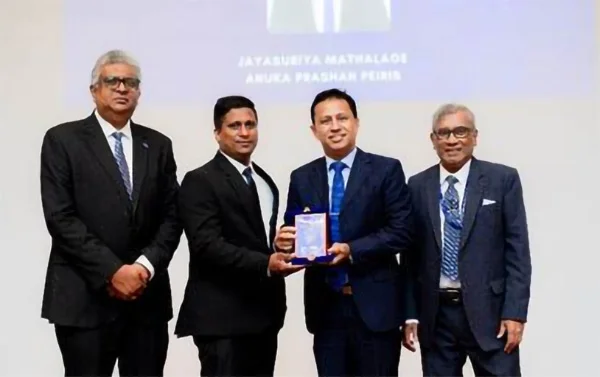
Aitken Spence Elevators, in collaboration with CINEC Campus, recently held the Certificate Awarding Ceremony for the latest batch of trainees of the Elevator Serviceman Course at the Elevator Training Centre (ETC). The graduates were awarded their NVQ Level 3 certifications, marking a significant milestone in their professional journey within Sri Lanka’s vertical transportation industry.
The certification programme was developed in partnership with the National Apprentice and Industrial Training Authority (NAITA) and the Ministry of Vocational Training & Skills Development, ensuring trainees received industry-recognised qualifications, alongside strong practical competencies. The ceremony was attended by directors of both Aitken Spence and CINEC Campus, as well as staff members, lecturers, and invited guests of the graduating students
Anuka Prashan Pieris was recognised as the Most Outstanding Student of the batch in appreciation of his exceptional performance and commitment throughout the programme. The Elevator Training Centre plays a vital role in addressing the growing demand for skilled elevator service technicians through structured training and hands-on learning. The facility features Sri Lanka’s first Elevator Training Tower, offering trainees practical exposure aligned with both local and international standards.
All graduates of the current batch have already commenced their careers as technicians and supervisors at Aitken Spence Elevators. Their seamless transition into the workforce reflects the programme’s strong emphasis on developing job-ready professionals capable of contributing effectively from day one.
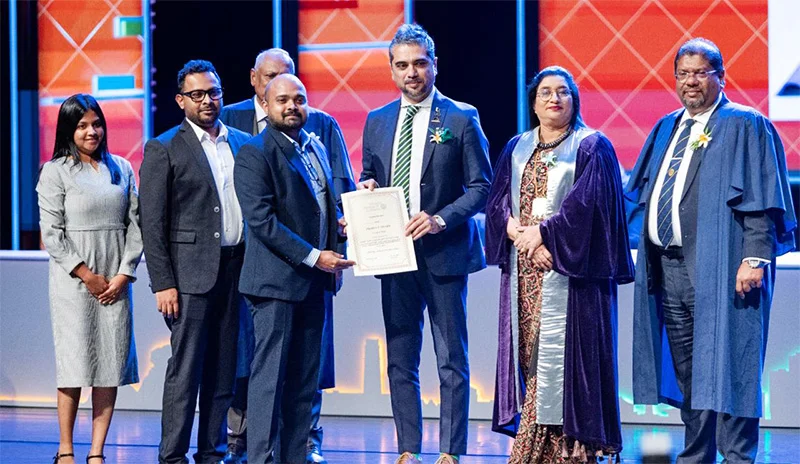
COLOMBO, SRI LANKA– Sterling Steels (Pvt) Ltd, a premier manufacturer of high-quality globally renowned steel roofing & cladding, announced it has been honored with a prestigious Merit Award at the Sri Lanka Institute of Architects (SLIA) Annual Product Awards 2026. The national recognition was awarded in the highly competitive Zinc-Aluminium Coated Profile Steel Sheet category, underscoring the company’s dedication to excellence, innovation, and superior quality in the Sri Lankan construction industry.
The award was presented during a grand ceremony held at the esteemed Nelum Pokuna Theatre, a key event in the nation’s architectural and construction calendar. The SLIA Annual Product Awards are widely regarded as a benchmark for quality and design excellence, with products rigorously evaluated by a panel of distinguished architects and industry experts. Receiving this Merit Award positions Sterling Steels among the top-tier suppliers of building materials in the country.

Ferreira, Shubham, Rajasthan Royals openers hand Punjab Kings their first defeat

Dulani and Samarawickrama set up Sri Lanka’s victory in T20I series opener

Heat Index at Caution Level in the Northern, North-central and North-western provinces and in Kegalle, Trincomalee and Batticaloa districts during the day time

Showers or thundershowers will occur in most parts of the island after 1.00 pm

Treasury chief’s citizenship details sought from Australia

President Anura Kumara Dissanayake handing over a sapling of the Sri Maha Bodhiya in Anuradhapura to Ven Bhikku Pannakara

‘Dates have the highest sugar content to fight Coronavirus’

Sunday Island 27 December – Headlines

#SundayIsland 17th December – Headlines

Sunday Island – 28th March

Sunday Island Headlines – 21 March

Sunday Island – 21st February – Headlines
-

 News6 days ago
Lanka faces crisis of conscience over fate of animals: Call for compassion, law reform, and ethical responsibility
-
 News5 days ago
Whistleblowers ask Treasury Chief to resign over theft of USD 2.5 mn
-

 News5 days ago
No cyber hack: Fintech expert exposes shocking legacy flaws that led to $2.5 million theft
-

 News2 days ago
BIA drug bust: 25 monks including three masterminds arrested
-

 Business3 days ago
Nestlé Lanka Announces Change in Leadership
-

 News2 days ago
Banks alert customers to phishing attacks
-
 News3 days ago
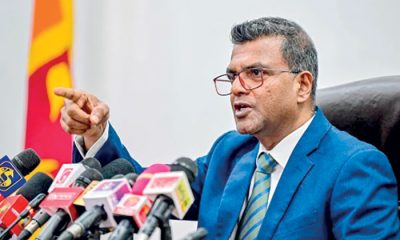
Hackers steal $3.2 Mn from Finance Ministry
-
 News6 days ago
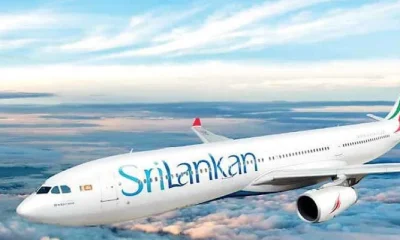
USD 2 mn bribe: CID ordered to arrest Shasheendra R, warrant issued against ex-SriLankan CEO’s wife