
News
US with FAO announces $ 40 Mn funding for Lankan paddy farmers to buy TSP fertilizer


The United States has through the U.S. Agency for International Development (USAID) announced an additional USD 40 million to strengthen agriculture in Sri Lanka through the Food and Agriculture Organization of the United Nations (FAO). The new funding, subject to Congressional approval, will bring the total USAID funding provided to the Sri Lankan people through FAO this year to $46 million. The funding primarily targets the forthcoming major cultivation season – 2022-2023 Maha (October – March) and the subsequent minor cultivation season – 2023 Yala (April – August). It will provide essential fertilizer and cash transfers for farmers to increase paddy production and avert a protracted food crisis.
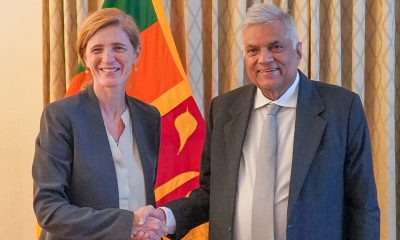
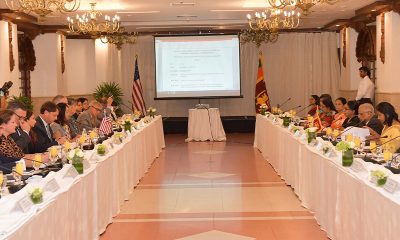
The new commitment was announced by USAID Administrator, Samantha Power at a discussion held with paddy farmers and FAO representatives today. The Administrator stated, “Today, having spoken to these farmers and heard about their needs, I’m announcing an additional $40 million in assistance to Sri Lanka from the American people. Through USAID, this new funding is going to help one million local farmers get the fertilizer and the agricultural necessities they need, just in time for the next planting season. “
FAO will utilize the funds to strengthen the production capacity of paddy rice farmers through the supply of Triple Super Phosphate (TSP) fertilizer. TSP, which has not been available in the country for the last two cultivation seasons, will be provided for all paddy farmers in Sri Lanka to ensure the forthcoming agricultural seasons are able to feed the Sri Lankan people.
In addition to TSP, USAID funding will provide 186,000 smallholder farmers with land holdings up to 1 hectare (2.5 acres), from the poorest districts in the dry and intermediate zones of Sri Lanka with 50kg of Urea each. Smallholder farmers are among the most vulnerable rural communities, primarily cultivating rice for self-consumption. The lack of fertilizer over two consecutive seasons has significantly reduced yields, forcing most farmers to resort to extreme measures (pawning, buying on credit, dipping into savings, etc.) to meet their food security and nutrition requirements.
To prevent such negative coping strategies, approximately 50,000 of the most vulnerable smallholder farmers cultivating on land holdings of less than or equal to 0.4 hectares will also be provided cash transfers to strengthen the food security and nutrition of their households in the upcoming lean season.
Speaking on the announcement, Vimlendra Sharan, FAO Representative for Sri Lanka and the Maldives thanked the United States for its timely and generous contribution to strengthen the country’s food capacity, especially those of the most vulnerable farmers to contribute toward enhanced paddy production over the coming seasons. He stated, “Through the support provided by USAID, FAO will be able to strengthen food security in Sri Lanka by ensuring the forthcoming agricultural seasons are not compromised while also protecting the most vulnerable smallholder farmers from the worst impacts of the prevailing crisis.”










Latest News
Expedite the cleaning of Colombo’s canals and drainage systems within the next two weeks – PM instructs officials

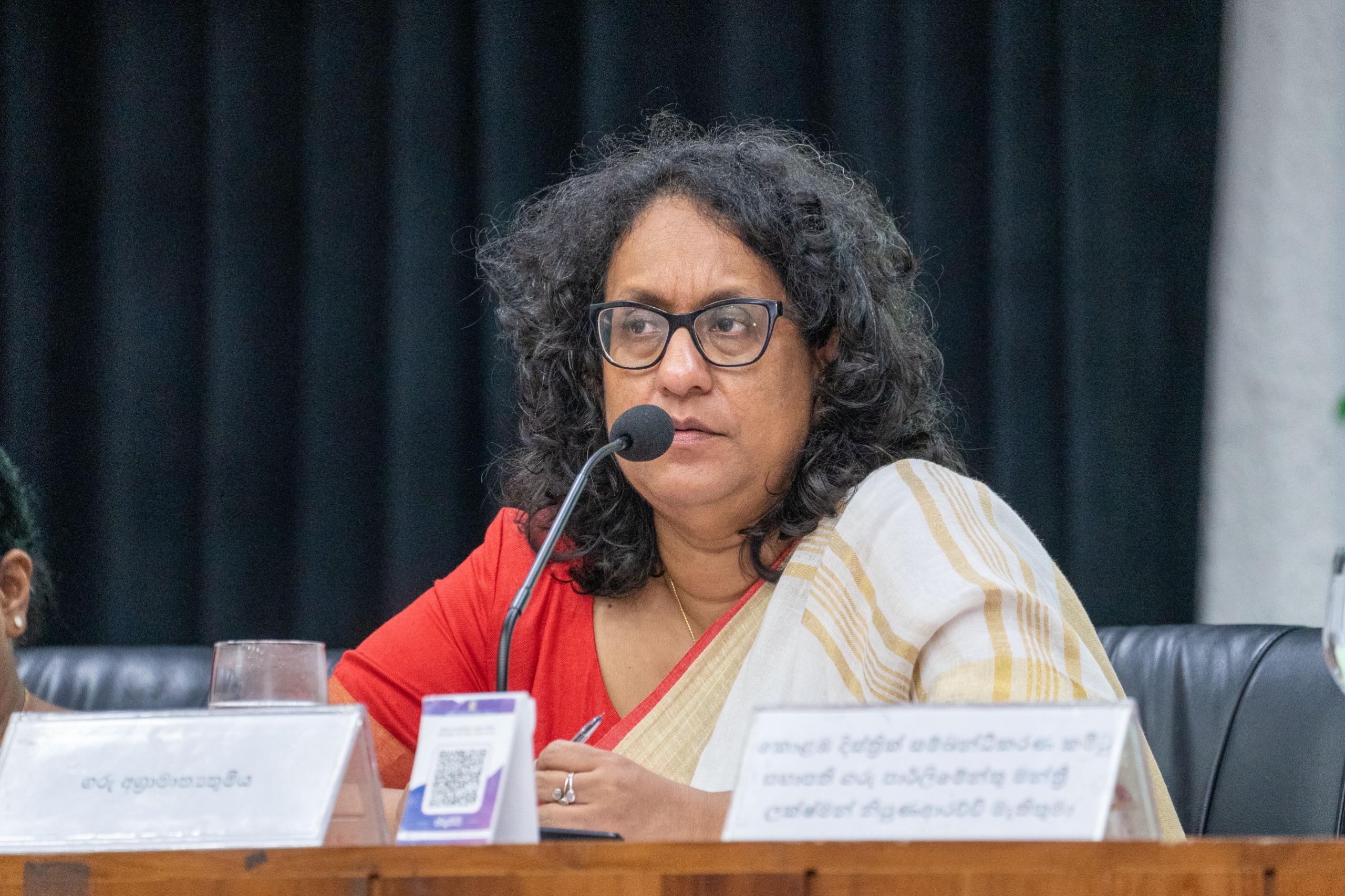
[Prime Minister’s Media Division]

Approval has been granted at the Cabinet meeting held on 22.07.2024 to publish the draft bill of State Assets Management Act in the government gazette notification and thereby present it to the Parliament for its concurrence.
However, the draft bill couldn’t be passed in Parliament as a result of the Parliament being dissolved in the month of October 2024.
Thereafter, the draft bill was subject to further inspection by a
committee appointed which comprised of officials and authorities on the subject.
The said Committee has recognized the amendments to be made and a fundamental draft has been prepared including the proposed amendments.
Accordingly, the Cabinet of Ministers approved the resolution furnished by the President in his capacity as the Minister of Finance, Planning and Economic Development to suspend further activities regarding the draft bill of State Assets Management Act published in the extraordinary gazette of 02.08.2024, and to direct the Legal Draftsman to prepare a draft bill based on the fundamental draft prepared by the subject specialists’ committee.
Considering the compliance of the Cooperative Societies’ operations with the concurrent socio – economic circumstances as well as the changes in the common law, the requirement of amending the Cooperative Employees Commission Act No. 12 of 1972 has been recognized.
A fundamental draft including proposed amendments based on the experience gained by that Commission as well as the opinions and proposals of Cooperative societies, their director board members, cooperative employees and other interested parties has been prepared.
Accordingly, the Cabinet of Ministers granted approval to the resolution furnished by the Minister of Trade, Commerce, Food Security and Cooperative development to provide instructions to the Legal draftsman to prepare a draft bill to amend the Cooperative Employees Commission Act No. 12 0f 1972, based on the said fundamental draft.

Missiles intercepted near Riyadh after Saudi coalition hits Yemen fuel depot

MI5 chief warns of threats to UK from Russia, Iran and AI

Pope diagnosed with lung cancer but had successful surgery, Vatican says

Expedite the cleaning of Colombo’s canals and drainage systems within the next two weeks – PM instructs officials

Kusal Mendis’ unbeaten 87 hands Sri Lanka consolation win

Cabinet approves redrafting of State Assets Management Act

‘Dates have the highest sugar content to fight Coronavirus’

Sunday Island 27 December – Headlines

#SundayIsland 17th December – Headlines

Sunday Island – 28th March

Sunday Island Headlines – 21 March

Sunday Island – 21st February – Headlines
-

 Features6 days ago
The Sri Lankan who made Scottish history
-

 Sports6 days ago
Nissanka absence opens door for Sri Lanka’s young guns
-

 News5 days ago
NDB fraud Rs 60mn more than reported
-

 News7 days ago
Gnansara Thera to be assigned to prison printing section: Officials
-

 News5 days ago
Removing monk’s robes matter for Sangha to decide: Mahanayake Theras
-

 News7 days ago
OIC of FCID summoned before Maligakanda Magistrate
-

 News6 days ago
Shiranthi R remanded until 13 Oct.
-

 Features6 days ago
Future of Sri Lanka’s state university system: Should it be shut down and reopened?