
Foreign News
Trump fires at least a dozen government watchdogs

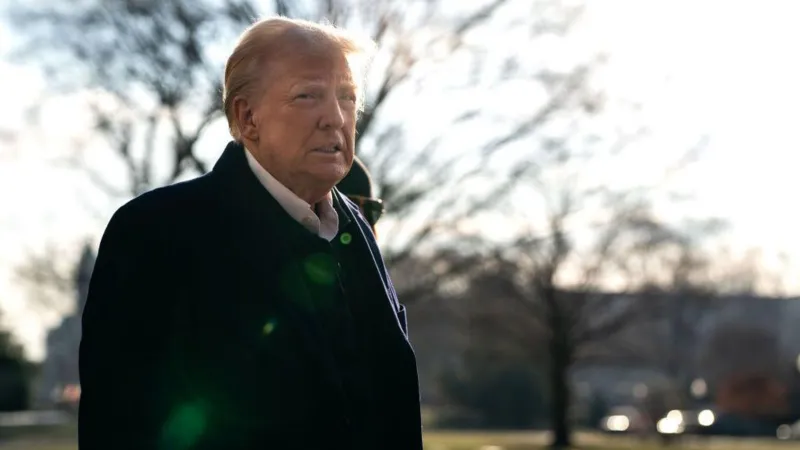
The Trump administration has fired at least a dozen federal watchdogs late on Friday evening, a possibly illegal move that could face court challenges.
Speaking from the Senate floor on Saturday, Senate Minority Leader Chuck Schumer described the watchdog firings as a “chilling purge”. “These firings are Donald Trump’s way of telling us he is terrified of accountability and is hostile to facts and to transparency,” said Schumer, a Democrat from New York.
The White House has not confirmed the firings and did not respond to the BBC’s request for comment.
Affected inspectors general were sent emails from the director of presidential personnel overnight on Friday telling them that “due to changing priorities, your position as inspector general… is terminated, effective immediately”, according to CBS News, the BBC’s US partner.
The group of dismissed watchdogs includes the inspector general for the Department of Health and Human Services, and the inspector general of the Small Business Administration, CBS said.
There were competing lists of fired watchdogs circulating, according to the New York Times. Watchdogs at the departments of agriculture, commerce, defence, education, housing and urban development, interior, labor, transportation and veterans affairs, as well as the Environmental Protection Agency were all reportedly considered.
It is unclear whom the Trump administration might pick to fill the newly vacant positions.
Congress created inspectors general in the wake of the Watergate scandal, as part of a wave of reforms intended to curb corruption, waste and fraud. The independent watchdogs – who work within federal agencies but are not controlled by the head of those agencies – are meant to serve as a guard against mismanagement and abuse of power.
Though they are presidential appointees, they are expected to be nonpartisan.
The firings may be in breach of a law that requires the White House to give Congress 30-day notice and case-specific information before dismissing a federal inspector general.
Hannibal Ware, the inspector general of the Small Business Administration and head of a council of the watchdog across agencies sent a letter to Sergio Gor, the head of the White House Office of Presidential Personnel suggesting the dismissals were invalid.
“I recommend that you reach out to White House your intended course of action,” Ware wrote. “At this point, we do not believe the actions taken are legally sufficient to dismiss presidentially appointed, Senate-confirmed inspectors general.”
In a separate statement released on Saturday afternoon, Ware wrote that dismissals “inconsistent with the law” were a grave threat to to the independence of inspectors general.
“IGs [inspectors general] are not immune from removal,” he wrote. “However, the law must be followed to protect independent government oversight for America.”
Democrats were quick to criticise the president for the move.
Schumer said the move was a “preview of the lawless approach” Trump and his administration were taking.
Gerry Connolly, a Virginia Democrat and ranking member of the House Oversight Committee, called the firings a “Friday night coup” and an “attack on transparency and accountability”.
He and 20 other Democratic members of congress wrote a letter directly to President Trump which expressed “grave concern” for the dismissals and urged him to reconsider.
“Your actions violate the law, attack our democracy, and undermine the safety of the American people,” the representatives wrote, a group that included Jamie Raskin of Maryland, Zoe Lofgren of California, and Rosa DeLauro of Connecticut.
Some Republican lawmakers, including Senator Chuck Grassley of Iowa and Senator Susan Collins of Maine also expressed concern over the purge.
“I don’t understand why one would fire individuals whose mission it is to root out waste, fraud and abuse,” Collins said at the Capitol on Saturday. “I don’t understand it.”
[BBC]

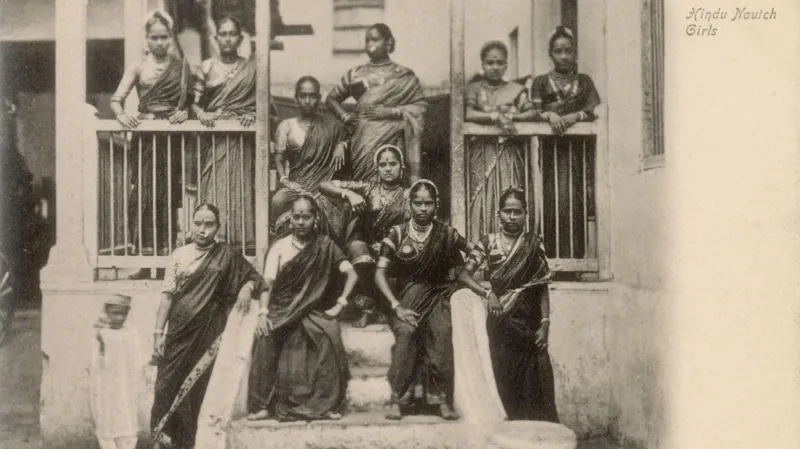
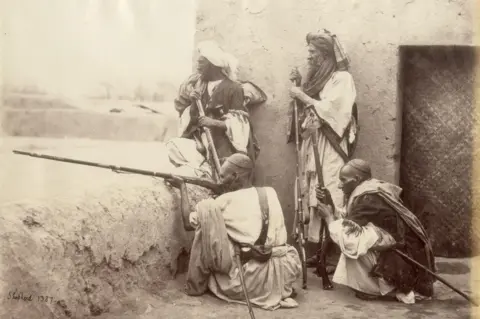
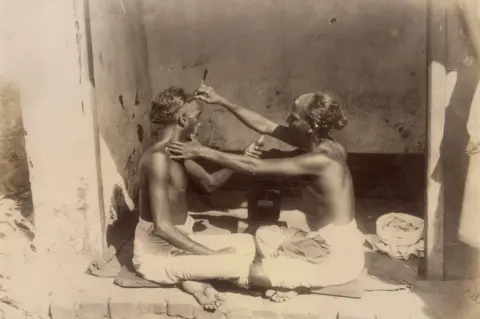
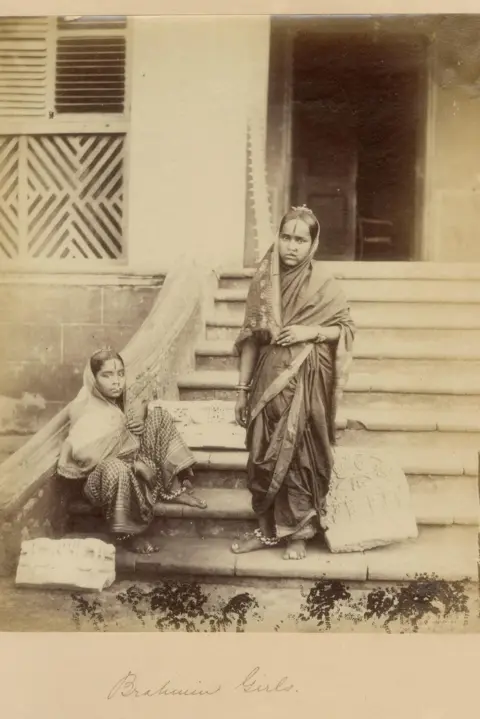
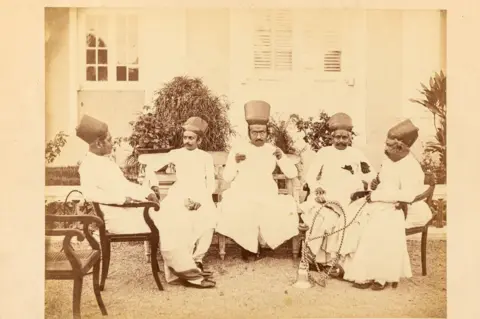
In the second half of the 19th Century, photography became one of the British Empire’s most persuasive instruments for knowing – and classifying – India.
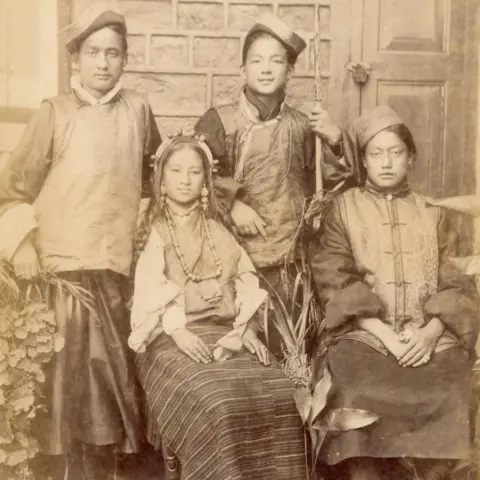
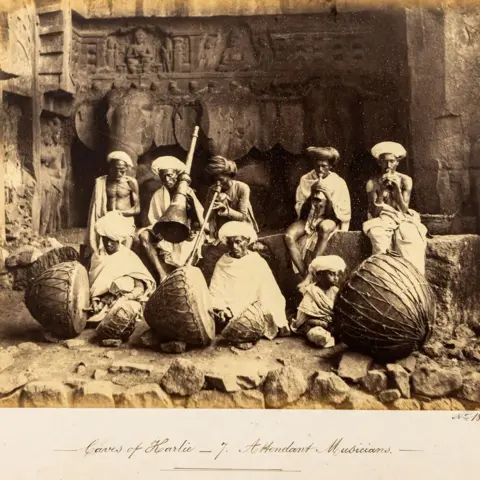
A new exhibition – called Typecasting: Photographing the Peoples of India, 1855-1920, and organised by DAG, the Delhi-based art gallery – brings together nearly 200 rare photographs from a period when the camera was deployed to classify communities, fix identities and make India’s complex social differences legible to the colonial government.
Spanning 65 years, the exhibition maps an expansive human geography: from Lepcha and Bhutia communities in the north-east to Afridis in the north-west; from Todas in the Nilgiris to Parsi and Gujarati elites in western India.
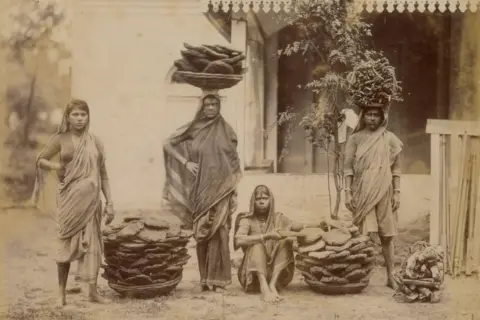
It also turns its gaze to those assigned to the lower rungs of the colonial social order – dancing girls, agricultural labourers, barbers and snake charmers.
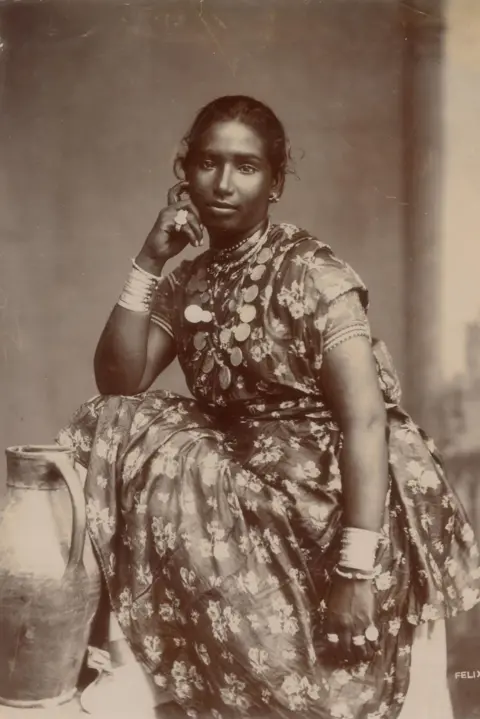
These images did not merely document India’s diversity; they actively shaped it, translating fluid, lived realities into apparently stable and knowable “types”.
Curated by historian Sudeshna Guha, the exhibition centres on folios from The People of India, the influential eight-volume photographic survey published between 1868 and 1875. From this core, it expands outward to include albumen and silver-gelatin prints by photographers such as Samuel Bourne, Lala Deen Dayal, John Burke and the studio Shepherd & Robertson – practitioners whose images helped define the visual language of that time.
“Taken together, this material tells the history of ethnographic photography and its effect on the British administration and the Indian population, in a project which in size and depth has never before been seen in India,” says Ashish Anand, CEO of DAG.
Here’s a selection of images from the exhibition:

[BBC]
A co-founder of online fashion giant Asos died after falling from a high-rise apartment block in Thailand, police have said.
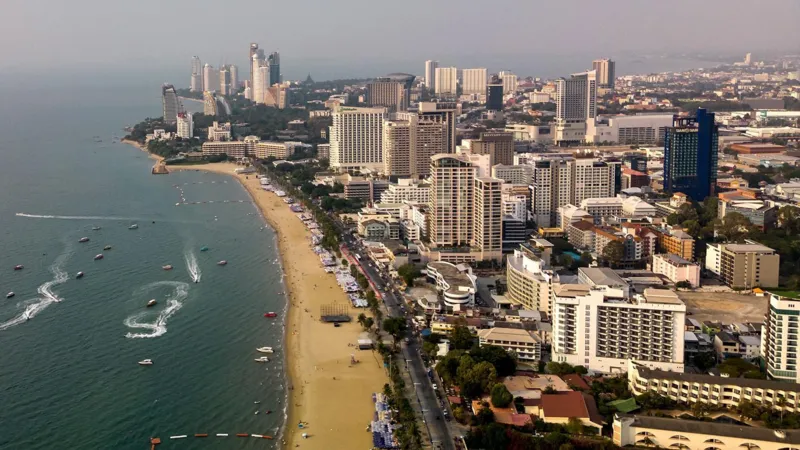
Quentin Griffiths has been named by Thai police as the man found dead on the ground in the eastern seaside city of Pattaya on 9 February.
A police investigator told the BBC Griffiths, a British passport holder, was by himself, his room was locked from the inside, and there was no trace of any break-ins at the time of the death. An autopsy did not reveal any evidence of foul play.
Griffiths co-founded Asos in 2000 and remained a significant shareholder after leaving the firm five years later.

A Foreign Office spokesperson said: “We are supporting the family of a British national who has died in Thailand and are in contact with the local authorities.”
Police in Pattaya told the BBC Griffiths was found dead outside a luxury hotel where he had been staying in as a long-term resident in a suite on the 17th floor.
He was involved in two ongoing court cases that might have caused him stress, police also told the BBC.
Griffiths was separated from his second wife, a Thai national, and had reportedly been engaged in a legal dispute with her over a business they ran together, the BBC understands.
He co-founded Asos in London with Nick Robertson, Andrew Regan and Deborah Thorpe.
Its name originally stood for As Seen On Screen as it sold fashion inspired by clothing worn by TV and film stars.
It grew to become an online fashion marketplace stocking hundreds of brands as well as its own lines and at one time was valued at more than £6bn.
Its largest shareholders include Danish billionaire Anders Holch Povlsen – who owns Danish clothing giant Bestseller and Mike Ashley, owner of Frasers Group.
[BBC]

A Japanese city has received a hefty donation to help fix its ageing water system: 21kg (46lb) in gold bars.
The gold bars, worth an estimated 560 million yen ($3.6m; £2.7m), were given last November by a donor who wished to remain anonymous, Osaka Mayor Hideyuki Yokoyama told a press conference on Thursday.
Home to nearly three million people, Osaka is a commercial hub located in the Japan’s Kansai region and the country’s third-largest city.
But like many Japanese cities, Osaka’s water and sewage pipes are ageing – a growing cause for safety concern.
Osaka recorded more than 90 cases of water pipe leaks under its roads in the 2024 fiscal year, according to the city’s waterworks bureau.
“Tackling ageing water pipes requires a huge investment. So I have nothing but appreciation,” Yokoyama told reporters on Thursday, in response to a question about the huge gold donation.
Yokoyama said the amount was “staggering” and he was “lost for words”.
The same mystery donor had previously given 500,000 yen in cash for municipal waterworks, he added.
The city’s waterworks bureau said in a statement on Thursday that it was grateful for the gold donation and would put it to good use – including tackling the deterioration of water pipes.
More than 20% of Japan’s water pipes have passed their legal service life of 40 years, according to local media.
Sinkholes have also become increasingly common in Japanese cities, many of which have ageing sewage pipeline infrastructure.
Last year, a massive sinkhole in Saitama Prefecture swallowed the cab of a truck, killing its driver. The sinkhole was believed to have been caused by a ruptured sewage pipe.
That incident prompted Japanese authorities to step up efforts to replace corroded pipes across the country. But budget issues have stalled the progress of such pipe renewal works.
[BBC]

Advisory for Heavy Rain issued for the Central, Uva and Sabaragamuwa provinces and in the Ampara, Batticaloa and Polonnaruwa districts

Ranaweera’s four-for leads Sri Lanka to tense win over West Indies

How photography helped the British empire classify India

Atmospheric conditions are favorable for thundershowers over most parts of the island

Trump brings in new 10% tariff as Supreme Court rejects his global import taxes

Ravi demands full disclosure on Lanka’s usable reserves, flags forex leakages

‘Dates have the highest sugar content to fight Coronavirus’

Sunday Island 27 December – Headlines

#SundayIsland 17th December – Headlines

Sunday Island – 28th March

Sunday Island Headlines – 21 March

Sunday Island – 21st February – Headlines
-
 Life style7 days ago
Marriot new GM Suranga
-

 Business6 days ago
Ministry of Brands to launch Sri Lanka’s first off-price retail destination
-
 Features7 days ago
Monks’ march, in America and Sri Lanka
-

 Features7 days ago
The Rise of Takaichi
-
 Features7 days ago
Wetlands of Sri Lanka:
-
 News7 days ago
Thailand to recruit 10,000 Lankans under new labour pact
-
 Latest News1 day ago
New Zealand meet familiar opponents Pakistan at spin-friendly Premadasa
-

 Latest News1 day ago
ECB push back at Pakistan ‘shadow-ban’ reports ahead of Hundred auction