
News
Strong backing for TISL call for giving CIABOC campaign finance oversight

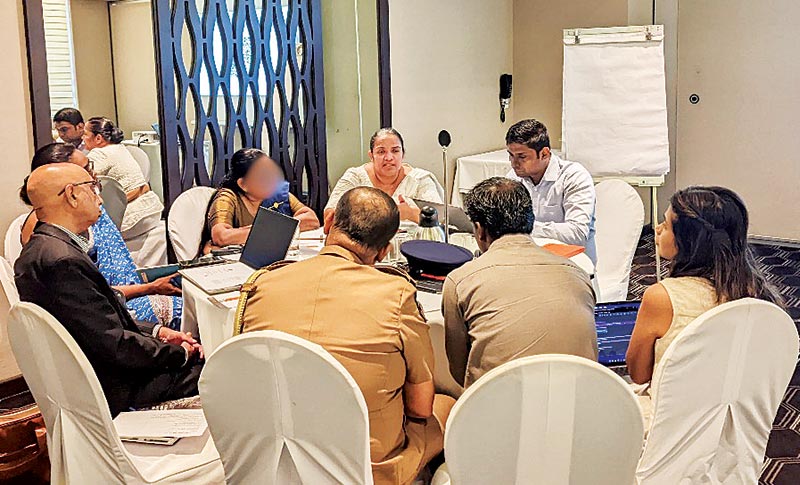
All stakeholders including representatives of government entities including the Commission to Investigate Allegations of Bribery or Corruption (CIABOC), Sri Lanka Police, Auditor General’s Department, Election Monitoring Bodies, Non-Governmental Organisations, journalists and members of civil society organizations who attended a stakeholders meeting organised by Transparency International Sri Lanka (TISL) unanimously suggested that CIABOC be designated as the oversight body for campaign finance irregularities
TISL organised the stakeholder meeting on Wednesday (09) to facilitate a comprehensive dialogue on the Regulation of Election Expenditure Act No.03 of 2023 to explore potential avenues for collaboration in advocating necessary legislative amendments.
Executive Director of the Institute for Democratic Reforms and Electoral Studies (IRES) Manjula Gajanayake said that it was vital to avoid conflicts of interest between public entities when implementing their mandates.
He said that it was a widely accepted principle that the entity responsible for implementing a project or programme should not be tasked with assessing its performance. Therefore, to ensure the effective implementation of the campaign expenditure law, it would be appropriate to assign prosecutorial powers to an entity outside the Election Commission of Sri Lanka.
Suggesting that the CIABOC be designated as the oversight body the election monitor said that the powers granted under the new Act No. 09 of 2023, provided sufficient authority for CIABOC to take on such a role.
He reiterated that a proactive approach, shown by the current Commissioner General of CIABOC, further supported the idea of entrusting this responsibility to the Commission. “Regardless of past leadership challenges, the institution itself is well-positioned to carry out this oversight function effectively” he added.
Text and pictures by PRIYAN DE SILVA

Latest News
Our focus is on economic stability through fiscal discipline, sustainable debt management, and reforms that enhance productivity and growth – PM

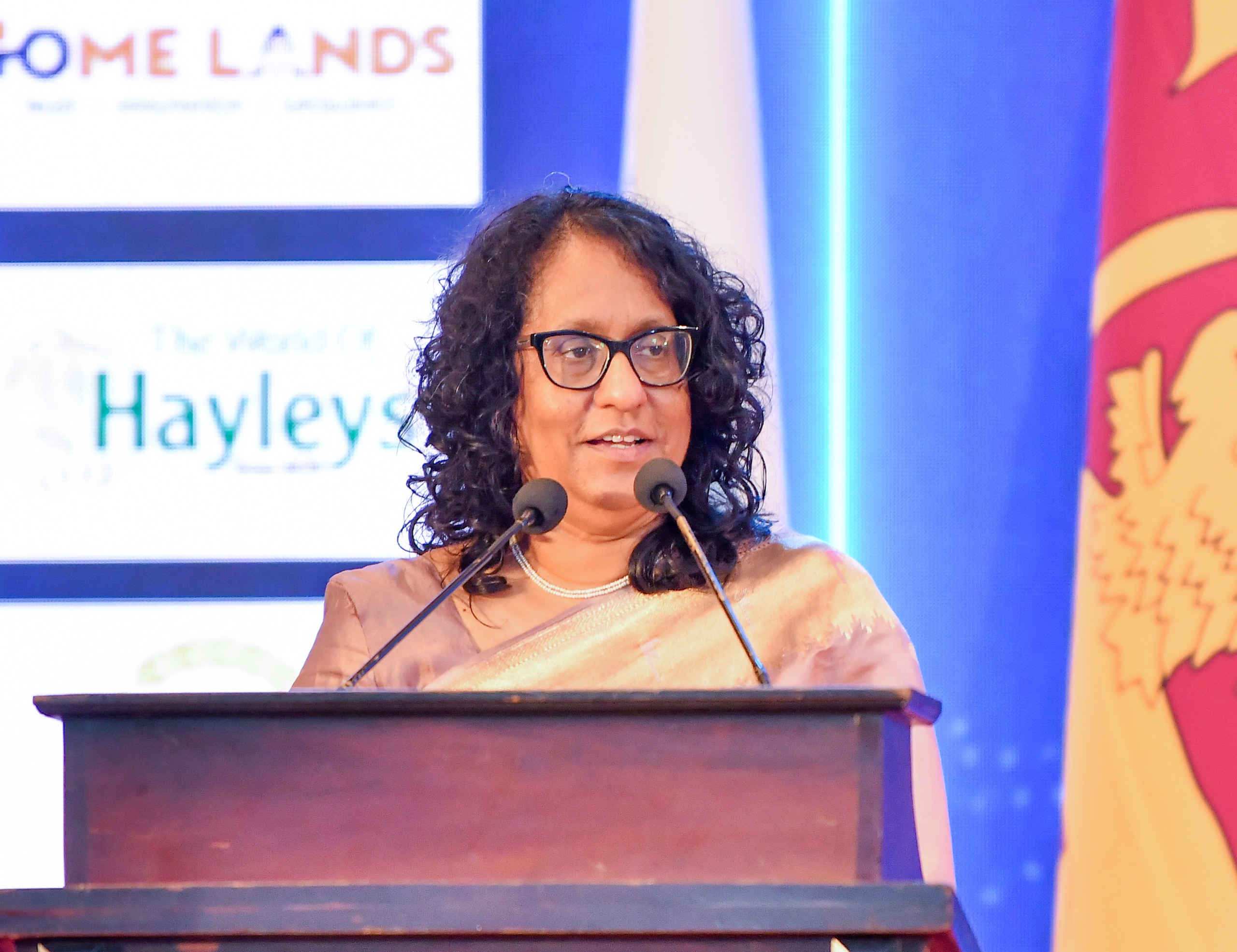
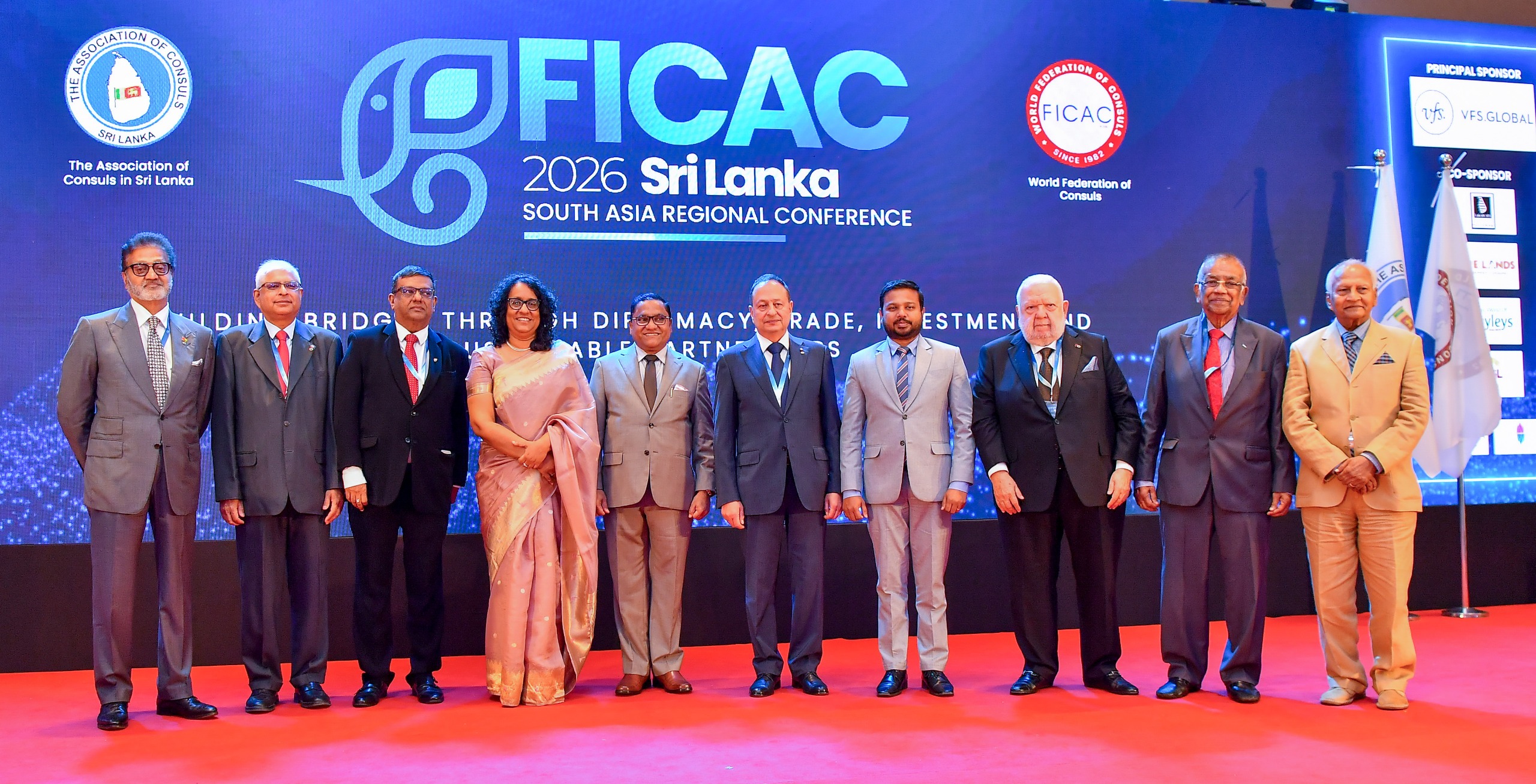
Prime Minister Dr. Harini Amarasuriya participated in the South Asia Regional Conference of the World Federation of Consuls (FICAC) 2026 held on 2nd of February at the Cinnamon Life, Colombo. The conference is hosted by the Association of Consuls in Sri Lanka and the World Federation of Consuls.
The conference held from 1st to 4th of February, brings together diplomats, business leaders, and policymakers to strengthen regional cooperation and explore new avenues for sustainable development across South Asia.
Addressing the event, the Prime Minister noted that selection of Sri Lanka as the venue for this conference holds particular significance at a time when the Government is working closely with international partners to position Sri Lanka as a credible and reliable region.
The Prime Minister also drew attention to Sri Lanka’s vulnerability against climate change, citing the recent impact of Cyclone Ditwah, and commended the support extended to Sri Lanka by the international partners. The Prime Minister emphasized that climate change requires global cooperation, shared responsibility, and innovative solutions.
She further highlighted ongoing efforts to improve public sector efficiency, transparency, and accountability, promote national unity and respect for diversity, and advance digital governance to enhance service delivery and public trust.
The Prime Minister stated,
“The Government of Sri Lanka is committed to addressing economic, social, and environmental challenges through a clear policy framework. Our focus is on economic stability through fiscal discipline, sustainable debt management, and reforms that enhance productivity and growth. At the same time, we are strengthening social welfare programs to support the most vulnerable”.
Addressing at the event, Minister of Foreign Affairs, Foreign Employment and Tourism MP Vijitha Herath also stated that, the government is committed to recognizing Sri Lanka as a sustainable tourism hotspot in the global platform while positioning Sri Lanka as a stable and reliable international partner.
The event was attended by the Deputy Minister of Foreign Affairs and Foreign Employment Arun Hemachandra, FICAC President Nikolaos K. Margaropoulos, President of the Association of Consuls in Sri Lanka Mahen Kariyawasam and Diplomatic corps.
(Prime minister’s media)

Protesting Development Officers continued their hunger strike near the Presidential Secretariat, Colombo yesterday (01), for the seventh consecutive day.The protesters, who are members of the Lanka School Development Officers’ Association, are demanding that they be absorbed into the teacher service as they have served as teachers in state-run schools for nearly seven years.
Secretary of the Association, Viraj Manaranga, said the protesters were seeking an urgent meeting with the President. He added that a presidential aide had visited the protest site and offered to arrange for a meeting with the President on 03 Feb., but the union insisted on an earlier date. Manaranga warned that failure to grant a meeting could trigger a massive protest in Colombo today (02).
Four officers participating in the hunger strike have been hospitalised due to deteriorating health, while two more joined the fast on Saturday (31).
In a bid to raise awareness of their grievances, on 30 January a delegation of the All Island Development Officers’ Association visited Most Venerable
Warakagoda Sri Gnanarathana Thera, Mahanayake of the Asgiriya Chapter, and subsequently with the Chapter’s Registrar, Ven. Dr. Medagama Dhammananda Thera. The prelates said promises that had been made to them should be fulfilled.
The protest began on 26 January as a satyagraha, after authorities failed to respond to repeated requests to integrate the officers into the teaching service. The escalation into a fast-unto-death underscores the protesters’ frustration over the prolonged delay
by Pradeep Prasanna Samarakoon
The long-vacant post of Auditor General would be filled on 03 Feb., after months of controversy and delays, Minister of Transport, Highways and Urban Development Bimal Rathnayake said on Friday (31) in Kandy.
The Constitutional Council met at the Parliamentary complex on Friday to discuss the appointment but failed to reach a decision on a suitable candidate. The President had previously proposed four names on four separate occasions, all of which were rejected. The Council is now set to consider the fifth nominee.
The post has remained vacant since April 2025, following the retirement of Chulanta Wickramaratne, who served as the 41st Auditor General. More than 10 months have passed without a permanent appointment.
Sources said a female officer in the Auditor General’s Department has been nominated again, though her previous recommendation was rejected due to some allegations against her.
Meanwhile, senior audit officer Dharmapala Gammanpila, with 31 years of service and the department’s most senior official, has received backing from the Mahanayake Theras of the three Nikayas, the Maha Sangha, and several civil society groups for appointment as the 42nd Auditor General.
Sources noted that the three civil society representatives on the Constitutional Council will play a crucial role in the final decision.
by Chaminda Silva and SK Samaranayake

Our focus is on economic stability through fiscal discipline, sustainable debt management, and reforms that enhance productivity and growth – PM

Spotless England meet unbeaten Australia in Under-19 World Cup semi-final

Kamindu in, Dhananjaya out as Sri Lanka flip-flop with T20 World Cup selection

China executes four more Myanmar mafia members

No decision yet on ICC meeting to discuss Pakistan boycott

Shoulder injury casts doubt over Eshan Malinga’s T20 World Cup

‘Dates have the highest sugar content to fight Coronavirus’

Sunday Island 27 December – Headlines

#SundayIsland 17th December – Headlines

Sunday Island – 28th March

Sunday Island Headlines – 21 March

Sunday Island – 21st February – Headlines
-
 Business5 days ago
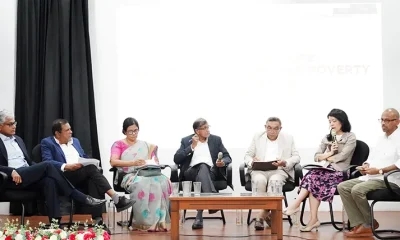
Climate risks, poverty, and recovery financing in focus at CEPA policy panel
-

 Opinion4 days ago
Sri Lanka, the Stars,and statesmen
-

 Business3 days ago
Hayleys Mobility ushering in a new era of premium sustainable mobility
-

 Business3 days ago
Advice Lab unveils new 13,000+ sqft office, marking major expansion in financial services BPO to Australia
-
 Business3 days ago
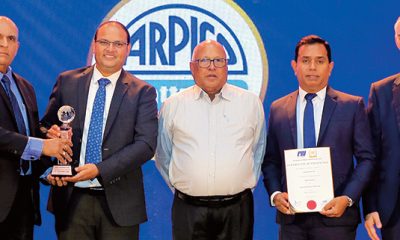
Arpico NextGen Mattress gains recognition for innovation
-

 Business2 days ago
Altair issues over 100+ title deeds post ownership change
-

 Business2 days ago
Sri Lanka opens first country pavilion at London exhibition
-

 Editorial3 days ago
Govt. provoking TUs