
Business
Sri Lanka’s Food Security after Cyclone Ditwah: Risk, Recovery, and Resilience

Cyclone Ditwah destroyed early-stage Maha season paddy, vegetables, and perennial crops, disrupting both current and upcoming harvests.Together, rising prices, lower production, and declining purchasing power are likely to intensify food insecurity and further undermine nutrition.Restoring transport links, supporting farmers to replant, protecting vulnerable households and strengthening climate-resilient farming are essential.
The year 2025 has been disastrous for Sri Lanka’s agriculture, especially after Cyclone Ditwah caused severe destruction through heavy rains, landslides, and crop damages in different agro-ecological zones. While the immediate physical devastation was evident in the destruction of houses and infrastructure, the deeper and far-reaching consequence are the hidden agricultural toll which will shape food availability and farm incomes well into 2026. The cyclone came when the Yala crop had been harvested and most of the Maha season crops were either just emerging or were still young at a stage of high vulnerability. Young plants either got buried or pulled out, field plants were submerged, and trees lost their fruits and flowers at an unusually high rate. All these disruptions affect paddy, vegetables, fruits, plantation crops and home gardens and cause a cascading shock which not only undermines the current production but also threatens future harvests, household nutrition and national food security.
The Hidden Agricultural Toll of Cyclone Ditwah
Cyclone Ditwah caused severe damage to early-stage Maha season crops—particularly paddy, vegetables, and other field crops—creating a shock with both immediate and long-term production impacts. Even perennial crops such as tea, rubber, coconut, fruit trees, and home garden crops, which are typically less affected by short seasonal fluctuations, are expected to have sustained varying levels of damage as well. The scale of these losses is largely because a significant portion of the affected area overlaps with Sri Lanka’s main crop-growing regions. Paddy cultivations were at their most vulnerable early stages such as seedling, transplanting, and early vegetative when the cyclone struck. Intense and prolonged rainfall has left large areas submerged or waterlogged, delaying planting cycles, reducing the cultivated area, and likely causing significant yield losses in the upcoming harvest.
Extensive losses occurred to vegetable and other field crop productions across both up-country and low-country regions. Many vegetable cultivations nearing harvests and in vegetative, flowering, or early fruiting stages, suffered severe damage due to flooding, prolonged waterlogging, and strong winds. Anecdotal reports from the Galkadapathana Village in Nuwara Eliya district, for instance, indicate some localised damage to vegetable cultivations under protective structures such as greenhouses as well.
According to the patterns seen during the 2017 floods and landslides, which were smaller than Cyclone Ditwah, similar or greater levels of damage for plantation crops like tea, rubber, and coconut, are highly likely. Strong winds and landslides can injure trees physically, which may lead to dropping of flowers and immature nuts, resulting in production declines in the following months.
Based on experiences from the 2017 floods and landslides, home gardens and mixed cropping systems, many of which had reached vegetative or early fruiting stages, are also likely to have been damaged, often buried under mud and sand, requiring extensive cleaning and replanting in most cases.
From Production Losses to Price Spikes: The Emerging Food Security Outlook
Using the 101kg annual consumption per capita in 2019 as a benchmark, the total national need for paddy approximates 4 million MT which includes seed paddy, processing losses, wastage and other requirements. The Maha season contributes roughly two-thirds of the rice production with the planting of approximately 800,000 hectares each year. However, the Disaster Management Centre (DMC) has reported that paddy has been sown on 563,950 hectares so far and most of this area has suffered due to the heavy rains. Hence, the production will be very low in 2026, causing food security implications unless immediate soil fertility restoration and replanting take place. Similarly, about 95,799 hectares of other field crops (OFC) and 13,463 hectares of vegetables which is about 64% of Maha 2024 OFC extent and 74% of Maha 2024 vegetable extent have sustained extensive damage.
The income of farmers from the affected areas will most likely reduce significantly because of crop destruction and planting delays. A substantial investment will be required to renew production capacity through soil fertility restoration, protective structure repairing, and replanting. For many smallholder farmers who are already struggling with lower profits, the increased costs of replanting may result in having to borrow funds, thereby reducing their ability to cope with future climate change shocks. Communities working in plantations like tea and rubber will also face income cuts owing to the destruction of estates and the disruption of the harvesting cycles which will subsequently impact their food security and general wellbeing.
The cyclone’s immediate effect was a dramatic rise in vegetable prices that were mainly due to a sudden shortage of supply. Among the affected vegetables were carrot, green chilli, cabbage, beans, tomato, and pumpkin, which in some markets have even experienced price increases of 100% to 350%. These price hikes make it much less affordable for low-income families to buy food and practically cut off their access to micronutrient-rich foods that are taken as a staple in a healthy diet. In fact, vulnerable groups, such as children under five, pregnant and lactating mothers, older persons, and people with disabilities will have an even harder time coping with malnutrition as their access to regular meals gets more limited. While price volatility is likely to persist for at least a few weeks until roads are cleared and supply flows stabilise, this short-term improvement may not fully offset the longer-term food supply challenges that are expected to emerge in 2026.
Nationally, food insecurity is likely to increase due to a reduction in domestic production, reduced farmer incomes, and higher consumer prices. With restricted access to fruits, vegetables, and other nutrient-dense foods, the population’s nutrition will likely worsen, particularly for poor and vulnerable households. More broadly, Sri Lanka’s increased reliance on imports such as onions, potatoes, pulses, fruits, and even rice is going to diminish its foreign exchange reserves and make it more susceptible to the fluctuation in the price of commodities around the world. Recovery and climate resilience development plans throughout the food system are urgently needed given the interconnectedness of the impacts caused by this cyclone through markets, agriculture, livelihoods, and nutrition.
The immediate priority is to restore the physical flow of food from producing areas to the main wholesale and retail markets to normalcy. It is important to consider clearing the up-country road network, improving access to transport corridors that link Nuwara Eliya, Badulla, and Kandy to the Dambulla and Colombo markets. Fast removal of debris, construction of temporary bridges, and emergency repairs on roads can significantly reduce market shortages and, consequently, stabilise prices in the country.
An immediate and precise support package for the agricultural sector is necessary to restore the Maha crop and to avoid further economic losses. Seed packs, tools, and fertilisers given as replacement will support farmers to immediately attend to their paddy fields and vegetable plots. Income loss is another cause for many farmers to struggle with replanting. Thus, grants and soft loans for replanting will be critical in preventing distress borrowing. Repairing collection points, storage areas, and damaged rural roads will not only improve the efficiency of transporting farms produce to markets but also reduce post-harvest losses during the recovery period.
It is necessary to safeguard the most vulnerable households during the time of price fluctuations. Poor families living in towns and plantations can be shielded from malnutrition with the help of temporary targeted food subsidies for essential vegetables and pulses. In addition, market monitoring should be reinforced to prevent skyrocketing prices, hoarding, and rent-seeking, which commonly exacerbate the impact of such crises.
The cyclone has shown that climate resilience in various agro-ecological zones is a pressing need. Climate-smart agricultural practices, such as the use of drip irrigation, protected cultivation, planting of climate-resilient varieties, and slope stabilisation, are most crucial to agriculture in high-risk upcountry regions. It is suggested that the district-level disaster preparedness plans should include better integration and early warning systems for landslides, flash floods, and severe storms. Investment in protected cultivation structures like polytunnels and similar approaches can reduce crop losses and maintain the market supply even in harsh weather conditions in areas that are prone to high rainfall or landslides.
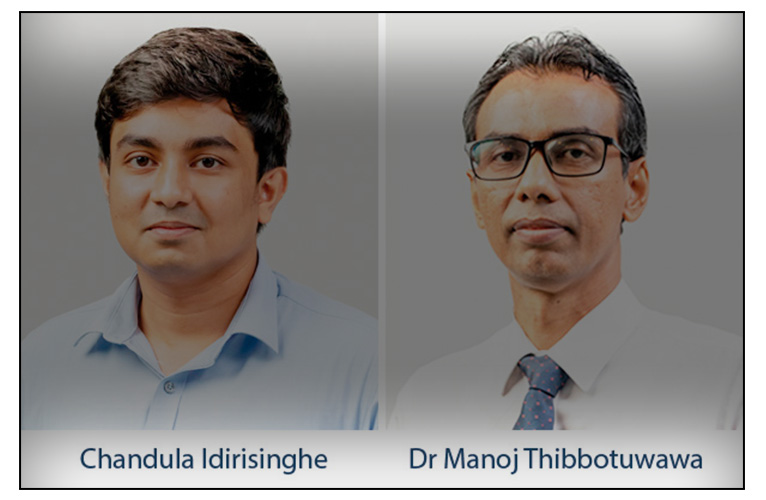
By Manoj Thibbotuwawa and Chandula Idirisinghe

Business
“We Are Building a Stable, Transparent and Resilient Sri Lanka Ready for Sustainable Investment Partnerships” – PM

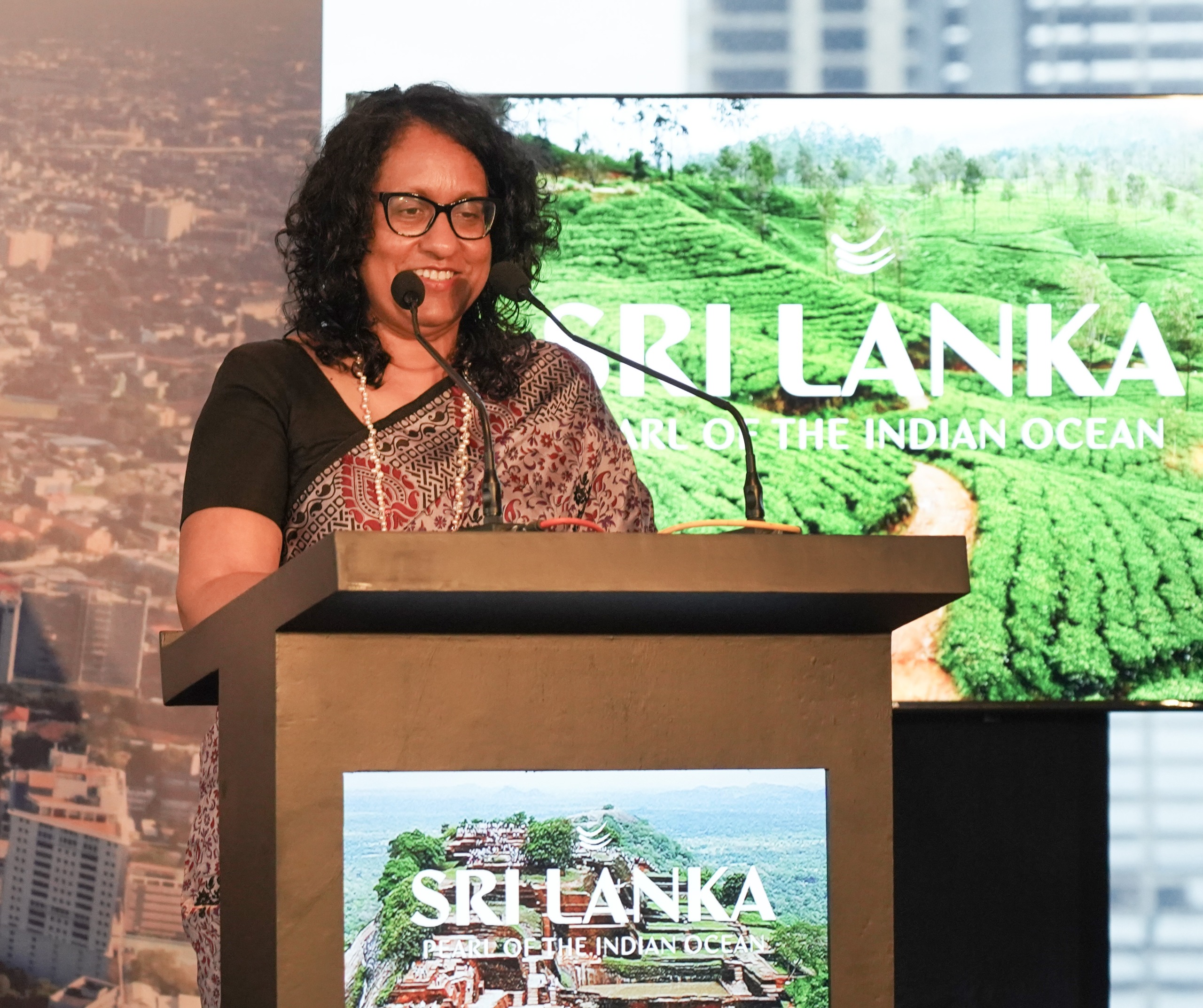
Prime Minister Dr. Harini Amarasuriya addressed members of the Chief Executives Organization (CEO) during a session held on Thursday [3 February 2026] at the Shangri-La Hotel, Colombo, as part of CEO’s Pearl of the Indian Ocean: Sri Lanka programme.
The Chief Executives Organization is a global network of business leaders representing diverse industries across more than 60 countries. The visiting delegation comprised leading entrepreneurs and executives exploring Sri Lanka’s economic prospects, investment climate, and development trajectory.
Addressing the gathering, the Prime Minister emphasized that Sri Lanka’s reform agenda is anchored in structural transformation, transparency, and inclusive growth.
“We are committed not only to ensuring equitable access to education, but equitable access to quality education. Our reforms are designed to create flexible pathways for young people beyond general education and to build a skilled and adaptable workforce for the future.”
She highlighted that the Government is undertaking a fundamental pedagogical shift towards a more student-focused, less examination-driven system as part of a broader national transformation.
Reflecting on Sri Lanka’s recent political transition, the Prime Minister stated:
“The people gave us a mandate to restore accountability, strengthen democratic governance, and ensure that opportunity is not determined by patronage or privilege, but by fairness and merit. Sri Lanka is stabilizing. We have recorded positive growth, restored confidence in key sectors, and are committed to sustaining this momentum. But our objective is not short-term recovery it is long-term resilience.”
Addressing governance reforms aimed at improving the investment climate, she said:
“We are aligning our legislative and regulatory frameworks with international standards to provide predictability, investor protection, and institutional transparency. Sustainable investment requires trust, and trust requires reform.”
Turning to the recent impact of Cyclone Ditwa, which affected all 25 districts of the country, the Prime Minister underscored the urgency of climate resilience.
“Climate change is not a distant threat. It is a lived reality for our people. We are rebuilding not simply to recover, but to build resilience, strengthen disaster mitigation systems, and protect vulnerable communities.”
Inviting CEO members to consider Sri Lanka as a strategic partner in the Indo-Pacific region, she highlighted opportunities in value-added mineral exports, logistics and shipping, agro-processing, renewable energy, pharmaceuticals, and innovation-driven sectors.
“We are not looking for speculative gains. We are seeking long-term partners who share our commitment to transparency, sustainability, and inclusive development.”
She further emphasized collaboration in education, research, vocational training, and innovation as essential pillars for sustained economic growth.
Concluding her address, the Prime Minister expressed appreciation to the Chief Executives Organization for selecting Sri Lanka as part of its 2026 programme and reaffirmed the Government’s readiness to engage constructively with responsible global investors.
The event was attended by the Governor of the Western Province, Hanif Yusoof, and other distinguished guests.


[Prime Minister’s Media Division]

The High Commissioner of Sri Lanka to Pakistan, Rear Admiral Fred Senevirathne, met Dr. Zeelaf Munir, Chairperson of the Pakistan Business Council (PBC), in Karachi on Feb. 6 and urged a high level visit of Pakistani business people to Sri Lanka, a news release from the High Commission said.
Dr. Munir, who also serves as the Managing Director and Chief Executive Officer of English Biscuit Manufacturers (EBM), leads Pakistan’s premier business policy advocacy body, which plays a key role in promoting a conducive business environment, export growth, and industrial development.
The High Commissioner who was warmly received by Dr. Munir at her office briefed her on the current economic and political landscape in Sri Lanka, highlighting the country’s improving economic outlook, enhanced political stability, and a favourable environment for foreign investment, the release said.
He also outlined the policy priorities of the new Government, with particular emphasis on ongoing economic reforms, investment-friendly initiatives, and opportunities to further strengthen bilateral economic and trade cooperation between Sri Lanka and Pakistan, it said.
He invited Dr. Munir to consider leading a delegation of prominent business leaders and investors to Sri Lanka, with a view to engaging with Sri Lankan counterparts and exploring potential investment opportunities and avenues for collaboration across key sectors.
The meeting was facilitated by. Honorary Consul of Sri Lanka in Hyderabad, Mehmood Mandviwalla, who was also present. Minister and Head of Chancery of the Sri Lanka High Commission in Islamabad, Christy Ruban, and Consul General of Sri Lanka in Karachi, Sanjeewa Pattiwila also participated at the meeting.
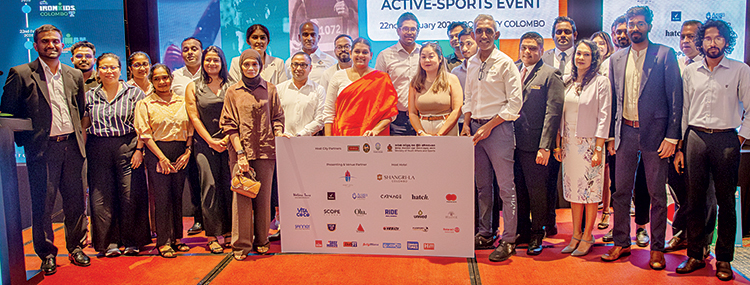
Officials from the Western Provincial Council, Colombo Municipal Council, and event organisers marked the official launch of IRONMAN 70.3 Colombo – Presented by Port City Colombo today at Shangri-La Colombo, the Host Hotel, signalling the return of Sri Lanka’s premier endurance event and the start of the long-term #ActiveColombo initiative.
Scheduled from 19–22 February 2026, the world-class triathlon will anchor #ActiveColombo Week, combining international competition with a city-wide celebration of sport, health, and urban vitality. Highlights include the KAYA Colombo – Active Lifestyle & International Expo (19–21 Feb), the family-focused IRONKIDS Colombo (21 Feb), and the IRONMAN 70.3 Colombo triathlon (22 Feb), featuring swim, bike, and run events at Port City Colombo, the Official Venue Partner.
The event is set to welcome nearly 1,000 athletes from over 49 countries, many visiting Sri Lanka for the first time, bringing international media attention and significant economic impact across hospitality, aviation, retail, and transport. As part of the globally recognised IRONMAN® circuit, Colombo now joins iconic host cities such as Sydney, Nice, and Muscat, reinforcing its position as South Asia’s emerging endurance sports hub.
“IRONMAN 70.3 Colombo embodies the spirit of resilience and excellence,” said Rajan Thananayagam, Director of Serendib Multisport (Pvt) Ltd. “This event puts Sri Lanka on the world stage and showcases Colombo as a vibrant, welcoming destination for athletes and their families.”
The launch also introduced #ActiveColombo, a long-term initiative aimed at transforming Colombo into South Asia’s leading Active City. The programme focuses on activating everyday urban spaces through parks, waterfronts, beaches, clean streets, shaded corridors, and safe environments that encourage walking, cycling, yoga, and other outdoor activities.
“Through #ActiveColombo, we aim to inspire a more active generation while strengthening Colombo’s appeal as a globally competitive capital,” said Hanif Yusoof, Governor of the Western Province. Mayor Vraîe Cally Balthazaar added that the initiative symbolises inclusive growth, promoting healthier streets, greener corridors, and vibrant public spaces for residents and visitors alike.
With signature policies such as the “Every Active Street is a Shaded Street” Shade the Road initiative, Colombo aims to combine urban health, economic growth, and international sports tourism. Experts say cities that invest in active lifestyles see 10–20% reductions in long-term healthcare costs, safer streets, and higher visitor spending.
By linking IRONMAN 70.3 Colombo with #ActiveColombo, organisers hope to position the city as a healthier home for citizens, a premier destination for high-value tourists, and a credible host for global sporting and lifestyle events, cementing Colombo’s reputation as South Asia’s Active Capital.

West Indies brush aside Nepal to reach Super Eights

India vs Pakistan match is a godsend for T20 World Cup hosts Sri Lanka

Imran Khan to be moved to hospital amid rising health concerns

Fairly heavy showers are likely at some places in the Rathnapura, Kalutara, Galle and Matara districts

India vs Pakistan is finally here. Over to cricket now

“We Are Building a Stable, Transparent and Resilient Sri Lanka Ready for Sustainable Investment Partnerships” – PM

‘Dates have the highest sugar content to fight Coronavirus’

Sunday Island 27 December – Headlines

#SundayIsland 17th December – Headlines

Sunday Island – 28th March

Sunday Island Headlines – 21 March

Sunday Island – 21st February – Headlines
-

 Business4 days ago
Autodoc 360 relocates to reinforce commitment to premium auto care
-

 Midweek Review4 days ago
A question of national pride
-

 Opinion3 days ago
Will computers ever be intelligent?
-
 Midweek Review4 days ago
Theatre and Anthropocentrism in the age of Climate Emergency
-

 Editorial6 days ago
The JRJ syndrome
-

 Features10 hours ago
The Rise of Takaichi
-

 Opinion4 days ago
The Walk for Peace in America a Sri Lankan initiative: A startling truth hidden by govt.
-
 Opinion5 days ago
Beyond 4–5% recovery: Why Sri Lanka needs a real growth strategy