
Business
Sri Lanka’s COVID-19 response: saving lives today, preparing for tomorrow

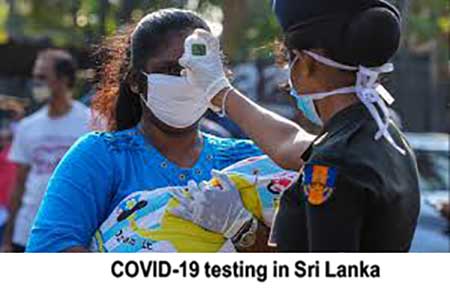
On March 11, 2020, the World Health Organization (WHO) declared COVID-19 a global pandemic. Sri Lanka was extremely vulnerable to the spread of the virus because of its thriving tourism industry and large expatriate population. The first case was detected on January 27, 2020 and the first Sri Lankan national tested positive for COVID-19 on March 10, 2020. In response, the government of Sri Lanka rapidly introduced measures to curb the spread of the disease and imposed a strict island-wide lock-down on March 16, 2020. Infected patients were treated in secure environments, testing and contact tracing efforts were quickly escalated, and awareness raising campaigns on risk and prevention measures were implemented. Already facing fiscal constraints, the pandemic placed additional resource demands on the country. The challenge was to quickly coordinate the mobilization of financial, technical and procurement support to contain the pandemic.
Approach
Within this context, the World Bank responded quickly, leveraging the dedicated COVID-19 Fast-Track Facility, to mobilize resources and prepare the project in just 10 working days. Recognizing the limited availability of the health authorities for separate detailed design discussions, strategies and project priorities were built on gaps and needs outlined in the Health Disaster Preparedness, Response and Recovery plan that was being developed by the Ministry of Health (MoH) and development partners including WHO, World Bank and Asian Development Bank (ADB), among others. This approach allowed for swift preparation, while ensuring coordinated financing support by multiple partners. Bank financing was used to fill resource gaps and to supplement and scale up Sri Lanka’s pandemic management strategy.
The project adopted a flexible approach to respond to urgent health needs, enabling reimbursement for routine goods and operating expenditures for facilities that were engaged in the COVID-19 response. This helped identified facilities to quickly upgrade their wards to make them COVID-ready. Flexibility to use ongoing government procurement methods (adopting the principles of advance procurement) were provided for the first three months following project signing.
Activities were also initiated to strengthen the National Emergency Operation Unit and its island wide network. For better preparedness, selected hospitals are now being developed as medical centers for current and future pandemic situations, and the existing laboratory system is being strengthened. The project is also helping to develop the country’s infection control and surveillance systems and supporting epidemiological studies on the patterns of transmission, and on community response and behavior. This research will underpin long-term plans and strategies on pandemic management.
The World Bank also provided additional financial resources in the form of cash transfers to high-risk populations including the elderly and disabled and patients with chronic diseases. This social sector response was in addition to the health sector response to manage vulnerabilities that emerged due to COVID-19.
The project will also strengthen mental health services and services for victims of gender-based violence (GBV) at the community level especially during emergency situations. These activities will be implemented with support of a grant from the Pandemic Emergency Financing Facility (PEF).
Results
Within six months of project implementation, World Bank financing—both through the International Development Association (IDA) and the International Bank for Reconstruction and Development (IBRD)—has contributed to the following results between March and October 2020:
As of October 1, 2020, there were a total of 3,380 confirmed COVID-19 cases in Sri Lanka, with 3,233 fully recovered and 13 deaths. The spread of COVID-19 has been limited to 18 out of 26 districts in the country, with 8 districts having no reported cases. Even among the 18 districts with COVID-19 cases, the caseload is concentrated in 6 districts, with the majority of cases in the district of Colombo, the capital city. In the remaining 12 districts there are fewer than 10 cases per district. This relatively low COVID-19 morbidity and mortality number reflects the government’s strong and rapid response and effective implementation of the ‘test, track, isolate and treat’ strategy supported through this project.
300,000 units of PPE have been procured and delivered, along with essential medical consumables (‘treat’); 32 quarantine centers are up and running across country (‘isolate’); and 250,000 PCR test kits have been procured through the project, facilitating testing randomly at outpatient departments, in community settings and at ports of entry (‘test’).
805 public health inspectors have been provided with motor bikes to travel to conduct contact tracing; and double cabs (pick-up trucks) have been provided to 25 offices of the Regional Director of Health Services (RDHS) to enhance grassroots community outreach (‘track’).
Plans for transforming select hospitals into 9 provincial case management centers and 25 district level suspected case management centers covering all parts of the country are underway. The preliminary design stage has been completed and site inspections are currently ongoing. The centres are expected to be refurbished with dedicated isolation wards, robust infection control and waste management systems and upgraded laboratory facilities.
Preliminary work on establishing a Bio Safety Level 3 laboratory at the Medical Research Institute (MRI) has been initiated.
699,915 vulnerable populations, which include the elderly, disabled and those with chronic kidney disease from low income households benefited from social cash transfers in the months of April and May 2020.
Bank Group contribution
The World Bank has provided $217.56 million in financing for the project. This includes a $35 million loan from the International Bank for Reconstruction and Development (IBRD), $180.84 million from the International Development Association (IDA), and a grant of $1.72 million from the Pandemic Emergency Financing Facility (PEF).
Partners
Sri Lanka’s COVID-19 management strategy is led by the Ministry of Health, and is being implemented with support from a network of development partners including WHO, UNICEF and other United Nations agencies. The Bank has actively participated in the Emergency Health Cluster meetings, chaired by the WHO, and is also Co-Chair of the Health Development Partner Working Group, which will be coordinating the medium- to long-term plans for health preparedness. UNICEF has also been contracted under the project to support the Ministry of Health in the procurement of essential medical consumables and PPEs. The regular dialogue and coordination with the partner network has helped prevent duplication and has enabled the Bank to identify the gaps in the country’s emergency response strategy and to address these gaps through the project. This is strengthened by the close working relationship with the Ministry of Health, established through the previous and ongoing projects including the Primary Health Care Systems Strengthening Project (PSSP).
Since 2004, the World Bank has funded two major health sector development projects in Sri Lanka, aimed at strengthening the health system service delivery, and quality of care, improving emergency treatment unit facilities, and preparing the system to respond to emerging health challenges. These investments have helped to strengthen the health service delivery network, which has been the cornerstone of Sri Lanka’s COVID-19 response strategy. Moving forward, the project will continue to develop emergency health care services at the secondary and tertiary levels, in line with national strategies and priorities, and will build capacities and establish emergency response systems, mechanisms and facilities that will benefit the population of Sri Lanka in years to come.
The activities will also complement the work being carried out under the ongoing Bank-funded PSSP project, which aims to strengthen healthcare service delivery at the primary care level. The COVID-19 project addresses health facilities beyond the primary care level, and in this way will support the continuum of care and overall health sector development plans financed by the government and the development partner network.
Beneficiaries
The project has benefited the entire population of Sri Lanka by supporting the emergency response, contributing to saving lives. While infected people, medical and emergency personnel and service providers, and high risk populations, such as the elderly, disabled and chronic kidney disease patients from low income households have benefited in particular; through population based preventive measures, the project has touched the lives of everyone in Sri Lanka. Further, by focusing on strengthening the capacity of the public health system throughout the country for future pandemic preparedness, it will continue to benefit the people of Sri Lanka.
English Brief : https://www.worldbank.org/en/results/2020/10/21/sri-lanka-covid-19-response-saving-lives-today-preparing-for-tomorrow
Sinhala Brief : https://www.worldbank.org/si/results/2020/10/21/sri-lanka-covid-19-response-saving-lives-today-preparing-for-tomorrow
Tamil Brief : https://www.worldbank.org/ta/results/2020/10/21/sri-lanka-covid-19-response-saving-lives-today-preparing-for-tomorrow

Business
“RDB Drives Unprecedented Growth with Record Profits Fueling Expansion and Development Impact”

The Regional Development Bank (RDB) delivered an exceptional financial performance for the year ended 31 December 2025, recording an 86% year-on-year increase in Profit After Tax to LKR 2.37 billion. The Bank’s total income reached LKR 42.81 billion, driven by a 23.89% growth in Net Interest Income to LKR 24.23 billion, complemented by steady contributions from both interest and fee-based income streams. This performance highlights the Bank’s ability to optimise its asset base while sustaining a well-diversified and resilient revenue profile.
Marking its 40th anniversary in 2025, the Bank’s exemplary performance underscores the strength of its resilient operating model, disciplined execution, and its growing role as a catalyst for inclusive economic progress in Sri Lanka. Profitability metrics strengthened notably, with Return on Assets (ROA) improving to 1.70% and Return on Equity (ROE) increasing to 11.77%, demonstrating enhanced efficiency in capital deployment and earnings generation.
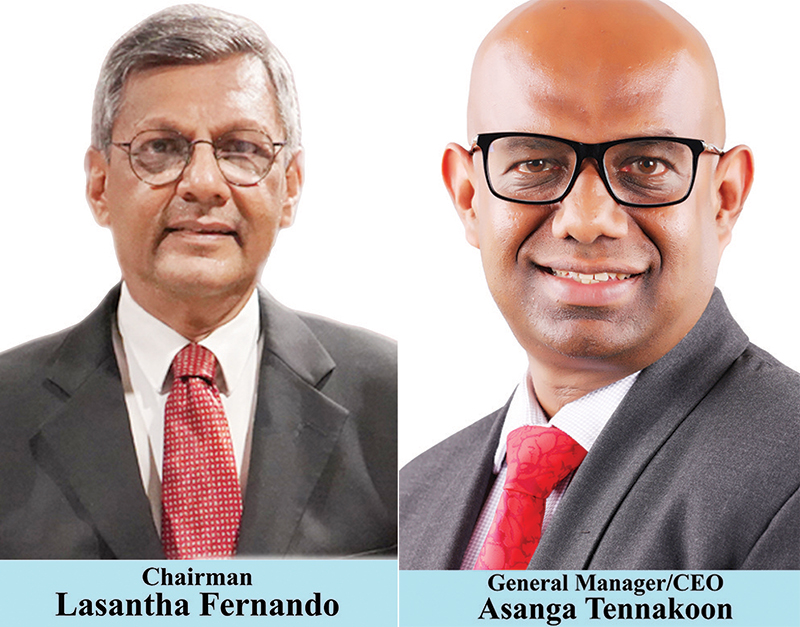
Commenting on the Bank’s performance, Chairman Lasantha Fernando stated,
“Our performance in 2025 reflects the strength of a purpose-driven banking model that successfully balances financial sustainability with national development priorities. As Sri Lanka progresses on its path to recovery, our commitment to enabling inclusive growth remains unwavering.”
The Bank continued to expand its development-focused lending portfolio, with loans and receivables growing by 23.59% to LKR 302.54 billion. This growth supported priority sectors including agriculture, SMEs, manufacturing, housing, and rural enterprises representing segments critical to national economic revitalisation. Importantly, this expansion was achieved alongside improved asset quality, with the Stage 3 impaired loans ratio declining to 4.06% from 6.25%, demonstrating robust credit risk management and effective recovery strategies.
Customer confidence remained strong, with deposits increasing by 11.85% to LKR 283.72 billion, driven by growth in both savings and fixed deposits. The Bank also maintained liquidity ratios well above regulatory thresholds, reinforcing its financial stability and resilience
Asanga Tennakoon General Manager/Chief Executive Officer, highlighted” last year’s results underscore the impact of disciplined execution, prudent risk management, and a strong customer-centric approach. Looking ahead, we will continue to expand our reach, strengthen digital capabilities, and deepen financial inclusion to create sustainable value for all stakeholders.”
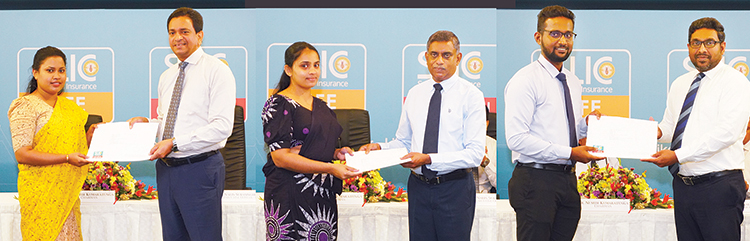
Sri Lanka Insurance Life Ltd (SLICLL) and Sri Lanka Insurance General Ltd (SLICGL) together appointed 112 Trainee Insurance Assistants, marking one of the largest recruitments across both companies in recent years.
Of the total intake, 87 candidates joined SLICGL while 25 candidates were appointed to SLICLL. This recruitment reflects the continued efforts of both companies to strengthen their workforce while contributing to employment opportunities.
The recruitment process was conducted through a structured and independent evaluation framework to ensure transparency and merit-based selection. Applications were invited from eligible candidates island-wide, followed by a written examination. Candidates who met the required benchmarks were shortlisted for interviews conducted by an independent panel, reinforcing fairness and credibility throughout the process.
The newly appointed Trainee Insurance Assistants represent a diverse and capable talent pool. Approximately 30% of the recruits are graduates, while all candidates possess the required academic qualifications, including G.C.E. Ordinary Level and Advanced Level certifications, or equivalent diplomas and higher qualifications.
This intake is aligned with the long-term focus of SLICLL and SLICGL on developing human capital and nurturing future-ready professionals within the insurance industry. The new recruits will have access to structured career growth opportunities, enabling them to build sustainable careers within the organisations. Efforts have also been made to assign employees to locations closest to their places of residence, subject to operational requirements, ensuring both efficiency and employee convenience.
Commenting on the appointments, Nusith Kumaratunga, Chairman of Sri Lanka Insurance stated, “The onboarding of this new group of Trainee Insurance Assistants reflected our continued focus on building strong and capable teams across both SLICLL and SLICGL. By maintaining a transparent and merit-based selection process, we remained committed to creating opportunities for talented individuals while strengthening the foundations for long-term organisational growth. This initiative also aligned with our broader role in supporting employment generation and contributing to the country’s economic progress.”
The official appointment ceremony was held on 7th April 2026 at the SLIC Head Office, in the presence of the Chairman and the Corporate Management of SLICLL and SLICGL, marking an important milestone in the organisations’ ongoing people development journey.
Business
99x Wins Five Awards at Best Management Practices Awards ‘26, Showcasing AI-led Transformation
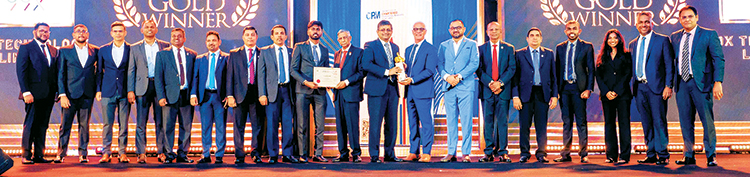
99x, a leading global product engineering company, has secured five major accolades at the CPM Best Management Practices Awards 2026, including an Overall Gold Award, positioning the company among Sri Lanka’s top-performing organisations in management excellence. The company was also recognised as the Sector Winner for IT, Software & BPO Services, named among the Forty Outstanding Companies, and received the Best Management Practices Excellence Award. In addition, Hasith Yaggahavita, CEO of 99x, was honoured with the Leadership Excellence Award, acknowledging his role in driving the organisation’s AI-led transformation.
The recognition was awarded for 99x’s submission titled ‘Embracing AI: Rethinking Talent, Products & Services,’ which addressed one of the most pressing shifts facing the global technology services industry today. As AI continues to redefine how software is built and delivered, traditional outsourcing models are being challenged from reduced reliance on large engineering teams to a growing shift toward outcome-based delivery and faster go-to-market expectations.
Chatura De Silva, Chief AI Officer at 99x, stated, “Winning five awards at one stage is a proud moment for us as a team. While AI is driving change across the industry, what made this possible is how we chose to adapt to it. We recognised that AI is not just a layer on top of what we do, but that it changes the foundation of how value is created. This transformation was about connecting both our talent and delivery, while embedding AI across everything we do”.
Selected from over 150 award submissions, 99x was also among the top 10 organisations invited to present its journey at the CPM Management Insights Summit 2026, placing its transformation on a national stage among the country’s most forward-thinking enterprises. Chatura De Silva, Kalana Wijesekara, Chief Developer Experience Officer and Chrishan de Mel, Chief Marketing and Corporate Affairs Officer, presented 99x’s story.
Commenting on the significance of this year’s awards, Dilshan Arsakularathna, CEO of The Institute of Chartered Professional Managers of Sri Lanka, stated, “99x securing the Overall Gold Award among organisations across multiple industries reflects the level at which Sri Lanka’s IT sector is progressing today. It demonstrates how companies are building real capability and driving innovation that can confidently stand on a global stage. Notably, 99x has now become the first organisation to secure the Overall Gold Award twice across the five editions of the BMPC Awards. This remarkable achievement reflects their strong commitment to sustaining excellence and continuously embedding best management practices within their operations. What stood out with 99x was how they have adapted to change in a practical and forward-thinking manner, reshaping how they operate and deliver value, while setting a compelling benchmark for modern management practices.”

“I extend my heartfelt wishes to all Sri Lankans for a peaceful and joyous Sinhala and Tamil New Year!” – President

US blockade of Iran would worsen global energy crisis, analysts say

Praful Hinge’s stunning debut ends Rajasthan Royal’s four-match winning streak

“Let us resolve, with renewed determination to overcome obstacles and build a better and more prosperous nation” -PM

Sun directly overhead Nawaladi, Paranthan, Murasumodai, Vellikkandal, Udapattukkandal, Puliyampokkanei about 12:10 noon today [14]

Heat Index at Caution Level in the Northern, North-central, North-western, Western and Southern provinces and in Trincomalee district.

‘Dates have the highest sugar content to fight Coronavirus’

Sunday Island 27 December – Headlines

#SundayIsland 17th December – Headlines

Sunday Island – 28th March

Sunday Island Headlines – 21 March

Sunday Island – 21st February – Headlines
-

 News2 days ago
CEB orders temporary shutdown of large rooftop solar systems
-

 News5 days ago
AG: Coal procurement full of irregularities
-

 Business4 days ago
Israeli attack on Lebanon triggers local stock market volatility
-

 Business5 days ago
Hayleys Mobility introduces Premium OMODA C9 PHEV
-

 Features2 days ago
From Royal College Platoon to National Cadet Corps: 145 years of discipline, leadership, and modern challenges
-

 Business4 days ago
HNB Assurance marks 25 years with strategic transformation to ‘HNB Life’
-

 Sports5 days ago
DS to face St. Anthony’s in ‘Bridges of Brotherhood’ cricket encounter
-
 News6 days ago
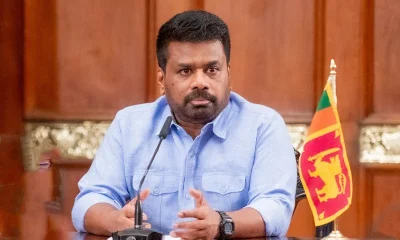
AKD admits import of substandard coal, blames technicalities and supplier