
News
SL moves up by 34 positions in new Planetary Pressures-Adjusted Human Development Index

Retains its position as the lead for SA region
Sri Lanka has retained its position as the lead for the South Asian region and moved up the rank by 34 positions in the new Planetary Pressures-Adjusted Human Development Index (PHDI) from among 169 countries and territories in the world, which takes into account countries’ carbon dioxide emissions and material footprint.
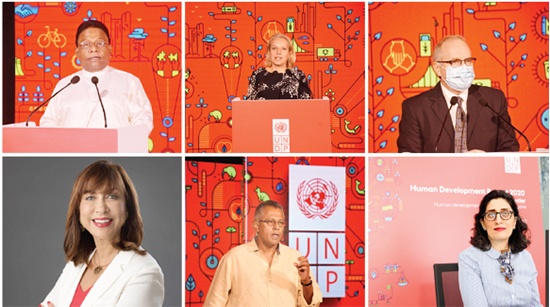
The PHDI was included as a new experimental index in the Global Human Development Report (HDR) which was launched on January 6 by the United Nations Development Program (UNDP) in Sri Lanka bringing together a wide range of high-level participation from the Government, Public and Private sector, Development partners and Civil Society Organizations (CSOs).
The 30th anniversary edition of the HDR 2020, was titled ‘The Next Frontier: Human Development and the Anthropocene’.
In the Human Development Index (HDI), Sri Lanka is positioned at 72 out of 189 countries and territories, with ‘High Human Development’ with an HDI value of 0.782. Yet there is no time for complacency. Because, Sri Lanka is one of the most vulnerable countries to climate change ranking 6th on the Climate Risk Index; the country is at crossroads with a choice to exercise – of choosing a development trajectory that progresses human development while easing pressure on the planet, the UNDP said.
“Human development has historically taken place at the cost of the land and environment around us. The COVID-19 pandemic is the latest crisis facing the world, but unless humans release their grip on nature, it won’t be the last, according to the recently launched HDR”, it noted.
Receiving the report at the virtual launch in Sri Lanka, Dullas Alahapperuma, Minister of Power stated, “the Government of Sri Lanka aims to build a Green Economy that will generate new industries by local entrepreneurs. Through renewable energy, we can create low-cost, low-carbon energy. A Green Economy will improve energy security, improve environmental and public health, and create better and more jobs. And with the vision of President Gotabaya Rajapaksa, we commit to ensure that the environment is protected in all our development plans. It is with great pleasure that we welcome UNDPs coordinated support to ushering in aspects of a Green Economy”.
Speaking at the event, Robert Juhkam, Resident Representative of UNDP in Sri Lanka said, “UNDP stands committed in supporting Sri Lanka to define and operationalize its national development plan in a way that is underpinned by Green Development thinking, with consideration for socio-economic impacts of COVID-19. UNDP commits to helping establish a platform for all partners and stakeholders to come together in achieving a Green development pathway: government, private sector, civil society, academia, development partners, and our sister UN agencies.”
Also speaking at the launch, Hanaa Singer-Hamdy, Resident Coordinator of the United Nations in Sri Lanka stated, “given the deep interconnection of planetary and social imbalances noted in the Report, I want to emphasize today the importance of ensuring justice, equality and human rights as part of this process. Seeing as no country anywhere in the world has yet achieved the ideal combination of high human development and low planetary pressure, we need such an inclusive and participatory approach where all voices are heard. Only in this way can we address the enormously complex challenge ahead of us.”
The next frontier for human development will require working with and not against nature, while transforming social norms, values, and government and financial incentives, the report argues. In her remarks, H.E Sarah Hulton, British High Commissioner to Sri Lanka emphasized that, “climate action is extremely tangible and relevant to Sri Lanka, with its rich biodiversity, climate vulnerability, reliance on nature and environment for many livelihoods whether through agriculture, fishing or tourism. In fact, maintaining the environment and protecting biodiversity through nature-based solutions is one of the key shared objectives for many of us working here in Sri Lanka including the UK and UN, in supporting the people and Government of Sri Lanka on this.”
According to the report, easing planetary pressures in a way that enables all people to flourish in this new age requires dismantling the gross imbalances of power and opportunity that stand in the way of transformation. Highlighting this through an interactive talk, Hiran Cooray, Chairman – Jetwing Symphony stated, “we need to change the way we think if we are really focused on human development and switching to a green economy. Greater collaboration and encouragement to Sri Lankans across the country who really want to make a difference is essential.”
The launch was followed by a moderated conversation on ‘A New Social Compact: Human Development with Reduced Planetary Pressures’ and was moderated by Raashid Riza, Policy and Engagement Analyst, UNDP in Sri Lanka. The panel comprised of Ms. Savera Weerasinghe, Founder, Ananta Sustainables; Dr. Ravi Fernando, Chairman/CEO, Global Strategic Corporate Sustainability; Thorsten Bargfrede, Deputy Head of Mission, Delegation of the European Union to Sri Lanka and the Maldives; and Hemantha Withanage, Executive Director/ Senior Environmental Scientist, Centre for Environmental Justice. Furthermore, Ms. Shabiya Ali Ahlam, Senior Journalist – National English Daily; Ms. Kanchana Weerakoon, Founder/President, Eco-Friendly Volunteers; and Dr. Ganeshamoorthy Murugesu, Senior Lecturer – Department of Economics, University of Colombo shared their expertise as discussants.
The virtual launch event was one engagement part of a broader series of interventions led by UNDP in Sri Lanka, working in collaboration with all stakeholders to further the conversation around the findings of the HDR 2020.


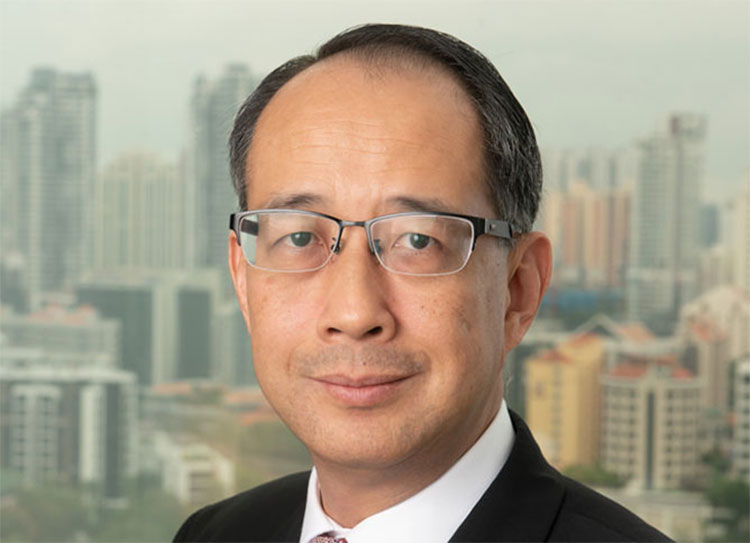
The Law Association for Asia and the Pacific (LAWASIA) has backed the campaign by the Bar Association of Sri Lanka against the government’s effort’s to extend the retirement ages of judges of the Superior Courts.
T.L Yap, President of LAWASIA, in a statement dated 26 June, has expressed concern over the NPP government’s move in the wake of President Anura Kumara Dissanayake’s recent statement in Parliament on the delay in making the appointments.
The text of the statement: “LAWASIA shares the concern expressed by the Bar Association of Sri Lanka (BASL) on 25th May 2026 in a letter to His Excellency the President of Sri Lanka regarding the prospect of the Government of Sri Lanka introducing an amendment to the Constitution which would increase the retirement age of the Judges of the Court of Appeal and the Supreme Court.
LAWASIA supports the sentiments expressed by BASL in its letter of 25 May, namely: “Extending the retirement age of the sitting Judges of these Courts at this point of time is likely to be viewed by the public as a blatant attempt to interfere with the judiciary… The independence of the Judiciary and the public confidence reposed in it, are indispensable pillars of the rule of law and the democratic framework of (Sri Lanka).
In that regard it is of paramount importance that the Judiciary must not only remain independent in fact but also must be seen by the public to be wholly independent, impartial, and free from even the slightest perception of influence, favour, accommodation, or impropriety”
The Constitution of Sri Lanka recognizes the independence of the judiciary and its importance in preserving and maintaining the rule of law. The retirement age of senior judges is presently fixed by Article 107(5) of the Constitution. Constitutional amendment in any jurisdiction is a serious matter which must not be undertaken lightly. LAWASIA’s principal concern is that the proposed constitutional amendment has the appearance of an ad hoc initiative without adequate public consultation. This in turn has the potential to undermine public confidence in the judiciary.
An independent, competent and respected judiciary is the cornerstone of any democracy. LAWASIA has long advocated the fundamental importance of this principle.
The essence of LAWASIA’s formal position in relation to the independence of the judiciary lies in the Beijing Statement of Principles on the Independence of the Judiciary in the LAWASIA Region, adopted at the Conference of Chief Justices held in Beijing in 1997 and subsequently signed by 32 Chief Justices from across the Asia-Pacific.
The Beijing Statement in essence emphasizes the fundamental importance of the independence of the judiciary, and comments on a range of related issues including the objectives of the judiciary, the appointment of judges, the tenure of judges, judicial conditions and the relationship between the judiciary and the executive.
Endorsing the concerns raised by another international organization, the Commonwealth Lawyers Association, LAWASIA accordingly calls upon the authorities in Sri Lanka to:
• refrain from proceeding with the proposed constitutional amendments seeking to increase the
retirement age of members of the Judiciary;
• resist piecemeal and ad hoc amendments to the Constitution of Sri Lanka.
• adhere to due process of consultation and stakeholder engagement in constitutional reform;
• desist from taking any steps which would undermine confidence in the Judiciary and
irreparably diminish the independence of the judiciary; and
• ensure adherence to the rule of law and respect for the independence of the judiciary.
A total of 7,300 young people, below the age of 21, had been arrested on suspicion since the launch of the nationwide ‘Ratama Ekata’ anti-drug operation, DIG in charge of the Police Narcotics Bureau, Ashoka Dharmasena, told The Island yesterday.
DIG Dharmasena said the suspects included about 150 females under the age of 21. He added that more than 214,000 suspects had been taken into custody since the commencement of the national anti-narcotics operation.
The operation was launched with the primary objectives of disrupting the supply of narcotics across the country, reducing the demand for illegal drugs and rehabilitating those addicted to narcotic substances, he said.
DIG Dharmasena said law enforcement authorities had so far seized more than 15,000 kilogrammes of narcotics, including cannabis, during the ongoing operation.
He also noted that police had achieved considerable success in intercepting narcotics smuggled into the country by sea, contributing significantly to efforts to curb the illicit drug trade.
The Police Narcotics Bureau said the nationwide operation would continue as part of the government’s broader strategy to dismantle drug trafficking networks and minimise the social impact of narcotics.
by Norman Palihawadane ✍️
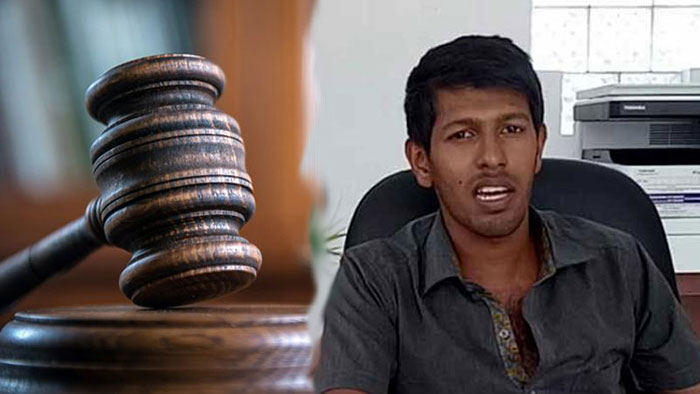
Leader of the Abhinava Nivahal Peramuna, Amit Weerasinghe, was yesterday ordered to be remanded until July 3 by Teldeniya Magistrate Kamal Sanjaya Jayatilake over allegations that he defrauded state officials and businessmen of approximately Rs. 120 million by promising to construct cabana holiday resorts in Ella and Digana.
The suspect was produced before court by the Teldeniya Police Headquarters following his re-arrest on fresh complaints. The Magistrate also ordered an investigation into the suspect’s assets and properties, imposed a travel ban, and directed authorities to freeze his bank accounts.
The Teldeniya Police informed the Magistrate that 26 complaints had been received against the suspect so far and that investigations had revealed a large-scale financial fraud.The Magistrate further directed the police to hand over investigations into the alleged fraud to the CID in Colombo by the next court date.
Weerasinghe had previously been granted bail by court but was arrested again following the receipt of additional complaints.
Investigations are being conducted by Teldeniya Police Headquarters OIC CI D. M. Chandrapala and Teldeniya Division SSP Harsha Amarasinghe under the supervision of Central Province Senior DIG Lalith Pathinayake and DIG Sudath Masinghe.
by SK Samaranayake ✍️

Padikkal fifty, Sudeera five-for before India A, Sri Lanka A settle for draw

Canada score late to beat South Africa and reach last 16 at World Cup 2026

Tector and Moondra headline Ireland’s historic series sweep against India

Roach’s 300th wicket headlines West Indies’ innings win over Sri Lanka

Showers will occur at times in the Western, Sabaragamuwa and North-western provinces and in Galle, Matara, Kandy and Nuwara-Eliya districts.

LAWASIA warns against ad hoc initiative to increase judges’ retirement ages

‘Dates have the highest sugar content to fight Coronavirus’

Sunday Island 27 December – Headlines

#SundayIsland 17th December – Headlines

Sunday Island – 28th March

Sunday Island Headlines – 21 March

Sunday Island – 21st February – Headlines
-
 Opinion6 days ago
Ranasinghe Premadasa: The man who would not take ‘No’ for an answer
-
 News2 days ago
Another 1,132 Sri Lankan Personnel to be deployed for United Nations Peacekeeping Missions
-

 Opinion5 days ago
Sri Lanka’s national security: Justice, reconciliation, and forward-looking vigilance
-

 News6 days ago
US Assistant Secretary of State for South and Central Asian Affairs meets President
-

 News3 days ago
Kelaniya emerges as highest ranked Lankan uni in Times Higher Education Sustainability Impact Ratings
-
 Opinion4 days ago
A triumph for Pakistan’s skilled diplomacy at Iran-US talks
-

 Editorial6 days ago
FCID’s big catch
-

 Features5 days ago
US-Iran war, global exchange rates and Sri Lankan Rupee