
Business
Singer partners with vivo to bring innovative smartphones to Sri Lanka

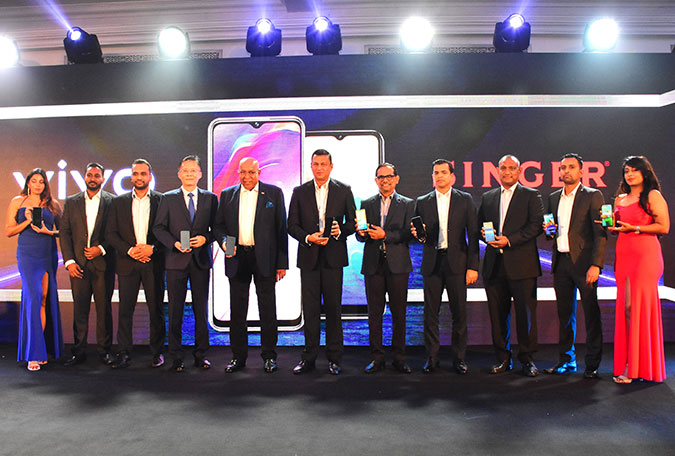
Singer Sri Lanka PLC last week announced its partnership with vivo, a prominent global smartphone manufacturer, as their official National Distributor. This collaboration marks a significant step towards enhancing the smartphone landscape in Sri Lanka, providing consumers with access to innovative and high-quality vivo smartphones.
Speaking about the partnership, Mahesh Wijewardene, Chief Executive Officer, Singer Group of Companies said, “We are thrilled to collaborate with vivo, a brand that shares our passion for innovation and customer-centricity. Through this partnership, we aim to bring the latest technology and feature-rich smartphones that vivo offers to our customers in Sri Lanka.”
vivo is celebrated worldwide for its groundbreaking technology and inventive features, and this partnership brings its impressive lineup of smartphones to the fingertips of Sri Lankan consumers.
Kevin Jiang, CEO, vivo Sri Lanka, said, “We at vivo are committed to provide the advanced technology embedded in our product offering to the people of Sri Lanka. To make technology easily accessible and further strengthen vivo’s foothold in the region we have partnered with Singer. This partnership is a testament to our shared vision and together we aim to ensure easy availability of vivo products and open new avenues across the island. We look forward to a successful and fruitful alliance with Singer for the benefit of our beloved consumers.”
vivo have gained international acclaim for their sleek designs, powerful processors, high-quality cameras, and exceptional battery life. Offering a diverse range of features and specifications, the brand caters to the unique needs and preferences of every user. Equipped with AI-enhanced photography, in-display fingerprint scanners, and high-resolution display, vivo smartphones epitomize the pinnacle of technological innovation.
Singer’s extensive retail network, coupled with its reputation as the sole authorized distributor for numerous global brands in Sri Lanka, makes it the perfect match for vivo. As part of its commitment to customer satisfaction, Singer will also provide comprehensive customer support and dedicated after-sales services for vivo smartphones.







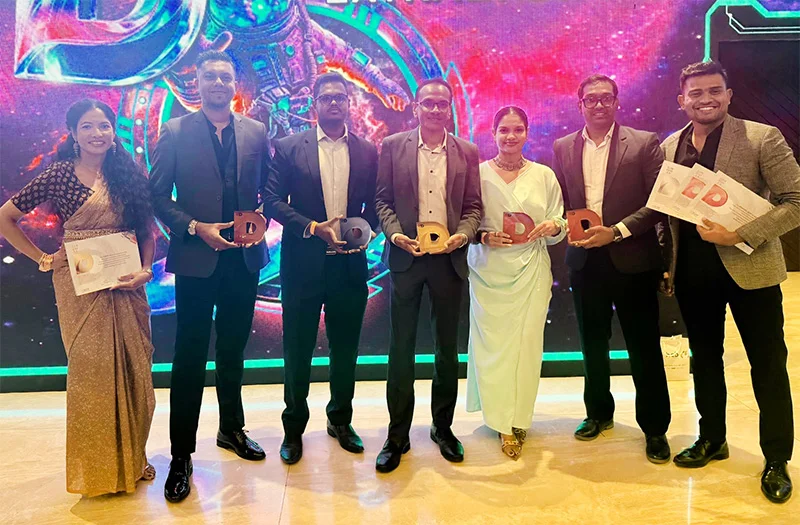
HUTCH Sri Lanka strengthened its position as a leader in digital engagement by securing five accolades at SLIM Digis 2.6, emerging as one of the most recognized brands at this year’s digital excellence awards. The achievement was further highlighted by HUTCH being the only telecom operator to be recognized at the event.
Organized by the Sri Lanka Institute of Marketing (SLIM), SLIM Digis is Sri Lanka’s premier platform celebrating excellence, innovation, and outstanding achievements in the digital marketing industry. The recognition highlights HUTCH’s growing strength in digital-first, agile, and creative marketing, and its ability to respond to everyday moments, engage audiences, and deliver impactful digital campaigns.
The Gold Award for Best Use of Agile and Moment Marketing, a Silver for Best Use of Digital in a Marketing Campaign, and a Bronze for Best Performance Marketing were all awarded for “Keeping Sri Lanka Connected Through Ditwah,” HUTCH’s response to the cyclone that struck Sri Lanka in November 2025, recognised for the speed and relevance with which HUTCH kept customers better connected and informed.
HUTCH Roaming also earned two further Bronze awards for Best Use of Digital in a Marketing Campaign and Best Use of Creative Content. Bringing together AI-led storytelling, the campaign was designed around distinct customer clusters, each characterized by unique travel behaviours, needs, and perceptions, delivering relevant content for different audiences within a single overarching campaign.
“These wins are a strong reflection of how HUTCH approaches marketing today, staying close to the moments that matter to our customers and responding with speed, relevance, and creativity. Being the only telco recognised at SLIM DIGIS 2.6, and across five categories, is proof that agility and thoughtful storytelling can go hand in hand. This recognition reflects the collective efforts with our strategic partners, whose collaboration, expertise, and shared commitment brought great campaigns to life,” said Hamdhy Hassen, Chief Marketing Officer, HUTCH Sri Lanka.
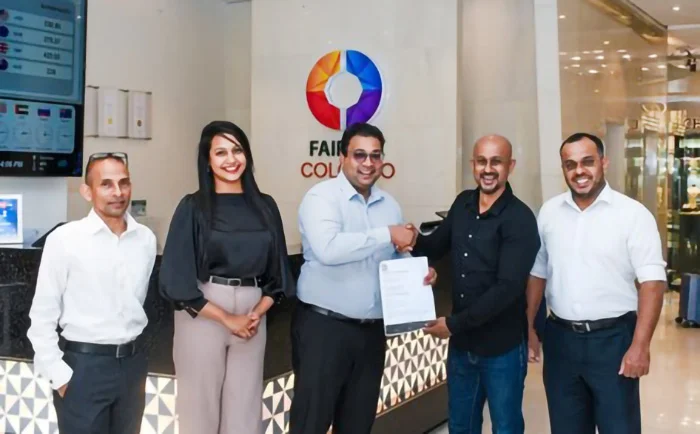
Sri Lanka’s Smart Luxury Business Hotel to Host Delegates and Contestants from Over 40 Countries as the Island Nation Hosts Its First-Ever Global Pageant of This Scale
Fairway Colombo, a subsidiary of Fairway Holdings (Pvt) Ltd, has been appointed as the Official Accommodation Partner for Manhunt International 2026, one of the world’s most prestigious male pageants, scheduled to take place in Sri Lanka.
The event marks a historic milestone for Sri Lanka, as the country prepares to host a global pageant of this scale for the very first time. More than 40 contestants representing countries from across the world will arrive in Colombo, bringing together diverse cultures, international media attention, and a global audience — further strengthening Sri Lanka’s position as a premier destination for tourism, culture, and hospitality.
As the official accommodation partner, Fairway Colombo will welcome and host international delegates and contestants throughout their stay in Colombo, delivering the exceptional hospitality experience and personalized service that the hotel is recognized for.
A Landmark Partnership for Sri Lankan Tourism
“We are truly honored to be selected as the Official Accommodation Partner for Manhunt International 2026. This partnership is a proud moment not only for Fairway Colombo but also for Sri Lanka as a whole. Hosting an event of this global stature provides us with an opportunity to showcase our commitment to smart luxury, innovation, and authentic Sri Lankan hospitality to an international audience. We look forward to creating a memorable and seamless experience for all delegates and guests,” said Avinga Wanigasekara, General Manager of Fairway Colombo.
Strategically located in the heart of Colombo’s historic Fort district, Fairway Colombo is recognized as a Smart Luxury Business Hotel, combining modern comfort, advanced technology, and exceptional service. As part of Fairway Holdings (Pvt) Ltd, the property represents the group’s vision of delivering innovative, world-class experiences across the hospitality and leisure sectors.

What began as a food truck on Marine Drive has grown into one of Colombo’s recognised homegrown casual-dining brands and a story of Sri Lankan entrepreneurship and drive. This October, Street Burger celebrates its 10th anniversary, marking a decade of entrepreneurship, evolution and a distinctly Sri Lankan take on the gourmet burger.
Street Burger was founded in 2016, at a time when Colombo’s casual-dining landscape was largely dominated by international fast-food brands. The idea was simple but ambitious: to create an accessible yet elevated burger built around fresh ingredients, quality and flavours that resonated with the local market.

HUTCH strikes five awards as the only telco honoured at SLIM DIGIS 2.6

Opp. Leader makes an intervention on behalf of Ven. Gnanasara

Quality assurance without quality enhancement: The irony of university QA

Nethmina takes five wickets as Mahinda rout Lumbini

Hayleys Fentons recognised at Satynmag Women Friendly Workplace Awards 2026

Nobel Peace Prize to Navanethem Pillay is reminder to Sri Lanka of unfinished commitments – NPC

‘Dates have the highest sugar content to fight Coronavirus’

Sunday Island 27 December – Headlines

#SundayIsland 17th December – Headlines

Sunday Island – 28th March

Sunday Island Headlines – 21 March

Sunday Island – 21st February – Headlines
-

 Features5 days ago
The Sri Lankan who made Scottish history
-

 Sports5 days ago
Nissanka absence opens door for Sri Lanka’s young guns
-

 News6 days ago
Gnansara Thera to be assigned to prison printing section: Officials
-

 News4 days ago
NDB fraud Rs 60mn more than reported
-

 News4 days ago
Removing monk’s robes matter for Sangha to decide: Mahanayake Theras
-

 Features5 days ago
Future of Sri Lanka’s state university system: Should it be shut down and reopened?
-

 News6 days ago
OIC of FCID summoned before Maligakanda Magistrate
-
 News5 days ago
Shiranthi R remanded until 13 Oct.