
Fashion
Screen Children ‘Nothing about us, without us’

By Bishop Duleep de Chickera
Schooling and education
Even though they overlap, there are some crucial differences between rigid schooling systems and education.
Rigid schooling prepares children for exams and qualifies them for employment. Education equips children with values and prepares them for life. Consequently, children schooled under a rigid system are likely to be content with routine. They accept the definition of situations by others. Those educated learn to look beyond.
Rigid schooling immerses the child in a world of information while education encourages the child to sift information for the truth. This is why rigid systems of schooling can easily manipulate children, and education cannot.
Rigid schooling is known to indoctrinate children. It tampers with history and repeats lies. Education, reminds children that unless they shape history, the forces behind indoctrination will eventually take over their world and their lives.
At their worst, rigid systems of schooling are created and exploited by tyrants to blunt and blur the obligations and responsibilities of citizenship. At its best, education awakens the child to a sense of belonging with all life, and the ensuing responsibility to strive after dignity and freedom for all life.
For very good reasons therefore, education cannot wait till rigid schooling saps the ingenuity and imagination of the child. It must take place alongside these systems, and one day replace them.
Ironically, the currently stifling pandemic opens the way to some possibilities in this daunting task.
Pandemic schooling
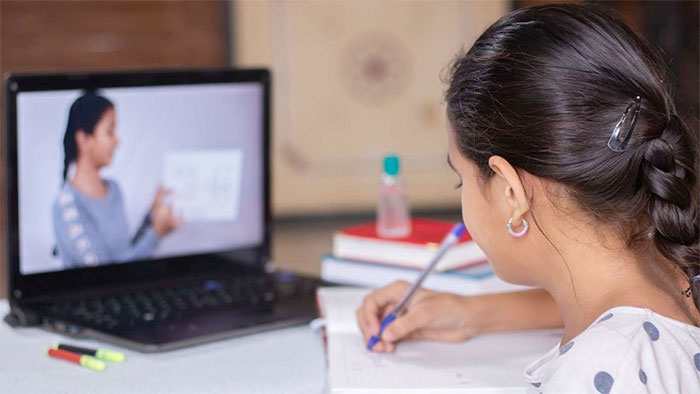
The novelty of screen lessons fooled the immediate school community, for a while. Children enjoyed tinkering with technology, and parents were relieved that lessons minus the daily hassle of unyielding traffic, were a tap away. Principals were relieved that children and teachers were working, and that teacher salaries were justified.
Then, there were signs of exhaustion. The invaluable ‘face to face’ social encounter replaced by long hours of screen lessons, was taking its toll. As children’s minds wrestled with strange happenings, adult habit kept the school going; if not on the campus, in the home.
Few schools discussed the sudden social impact of the pandemic with their children. Neither was there adequate preparation for screen lessons. Adults incorrectly assumed that children, unable to naturally sit still in class rooms, would sit attentively for hours at screen lessons.
Typically, no one bothered with a feed-back. From bureaucrats to principals and parents, few stopped to observe what was happening to the most important person in the school; the child. Confused over a tiny germ that shut the world down, and bewildered with the concept of screen lessons, children withdrew or turned to more attractive screen options than math and history.
Hovering parents on the other side of the screen, did not help teacher confidence. Some parents crossed the line to contradict and embarrass teachers. But there were some advantages. Class room control, the bane of the timid or less-prepared teacher, was eliminated, and an opportunity was gained to correct the fussy child’s take home complaints. Some teachers succeeded in reversing parental judgement, others suffered the forbidden fate of their students; they failed.
Principals were also tested. Caught between hard pressed children, teachers, and parents and inflexible directors and boards, they were expected to keep a tedious system alive on screens the size of the palm. Tension weighed heavily in the heart of the ‘Head’.
Before long, the other schooling obsession; examinations, raised its head. While very few principals had the courage and foresight to contest this entrenched practice in defence of their children in distress, most went along with the system. No matter the social anxieties spread by the pandemic, no matter the additional stress it would cause children, exams had to follow lessons.
But this was not all. Examinations, framed to measure memory and knowledge, would now ensure child complicity before the screen. As a means of soft intimidation, screen exams were expected to prevent children from ‘switching off’, and parents rather than teachers, would have to see to this. As always, in rigid systems of schooling, the child paid the most.
Wounded visionaries
The distress and estrangement that pandemic schooling has caused our children, must be the starting point, if we are to return to education. Consequently these realities demand attention.
Many children have become addicted to the screen, but not in pursuit of lessons. How are they to be helped?
All our children have lost the healthy ‘face to face’ peer encounters that are an intrinsic part of their growth; and in the case of adolescents two carefree and formative years of peer intimacy. How are they to be helped?
These heavy and uncertain days have robbed our children of their tendency and right to camaraderie, fun and play. How are they to be helped?
Screen lessons plus lock down plus agitated parents, have caused depression in some children. Pressed to do what children do not like to do, has suffocated the child. How are such children to be helped?
Children who have resisted screen lessons are not deviants. They could well be tomorrows’ thinkers. Informed and restless over the life threatening pandemic, they question the relevance of lessons that disregard the crisis. Such children may fail screen exams but they are a rare gift. How will these children be heard and helped?
One thing is certain in these challenges. To forget the diverse experiences of our children and treat them as if one size fits all, is the surest way of worsening the crisis.
Perhaps there is another certainty. If the mess in the procurement and distribution of vaccines is an indication of the impoverished quality and competence of our state administrators, we may not expect anything innovative from those at the helm of education. Even the few who look beyond, hold back for fear of disturbing the system.
What can be done to enhance our children’s education and growth, will therefore come from individual educationists, principals, teachers and parents with the courage to hear children and work together. That children themselves have a casual sense of wisdom that can enrich their own education is fast becoming a component in educational reforms. The slogan of differently-abled people, ‘Nothing about us without us’, is true of all excluded groups; very specially children.
Returning to school
a. An overview
Before children return to school a review of education must be done. You don’t wait for the next wave of the virus to order vaccines. This is the behaviour of the protected powerful.
The post pandemic world the child returns to will be different. It will be less free and more regulated. Unprecedented, unethical competition to undo economic loss will be at work, intensifying the plunder of Mother Earth’s generosity. Such unrestrained violence against our eco system, designed to feed the greed and extravagance of a few, is likely to provoke a Covid 20, to complete the havoc of its older sibling.
Consequently, post pandemic education will have to take note and introduce these widening trends into the curriculum, if our children are to learn to mitigate the dual genocide against the environment and humanity.
The natural care of the child for our eco-system plus her innate curiosity to question and probe, are invaluable resources in this task. Correspondingly, syllabi and class room dynamics will have to adjust to promote these gifts of the child towards her own education. Teaching skills and methods will have to fall in line and shift from lecturing to facilitation.
b. The immediate
The first month of schooling must avoid the routine school day plus piles of home-work. Instead, a Wednesday holiday with more intervals and a lesser number of half-hour periods, for the rest of the week, will ease cramped children and teachers into a fuller school day. A longer lunch break will also provide for social interaction and society activities.
The entire 2021 O/L batch should be passed, ideally without having to write the exam. These sixteen year olds have suffered unprecedented pandemic pressures and disruptions for nearly two years, and it would be cruel to expect them to work for public exams at a time when the most disciplined adult minds in the world are reeling. The prospect of failure, is the last anxiety that these adolescents should be put through.
Thereafter, six subjects for the OLs comprising, the child’s thinking language, a second language, mathematics, history-governance, science-environmental studies, and an aesthetic subject (singing, music, dance, debating/public speaking or drama) will be fair by the child and provide a balanced foundation for what must follow. Religion must be caught at home.
Assessments should comprise forty percent supervised assignments during schools hours for all grades. This will generate child interest and participation and reduce the agony of note transactions. Home work, at strictly one subject a day, should amount to material gathering (child research) for the next day’s assignments.
O/L results may be graded alphabetically. No child should be failed because no child is a failure. Any integrated adult; parent, teacher or observer, will testify to this universal truth.
How we deal AL courses and assessments and the near categorical impact it has on graduate studies, careers and socio-economic opportunities, especially for the financially modest, should be sensitively determined by insights gained in dealing with OLs.
Post-script
The current pandemic revives the call for parents, whether bankers or daily wage earners, farmers or clerks, to participate more deliberately in the education of their children. The integrated growth of the child is far too important to be left to institutions, mostly.
This parental role is best approached through warm and informal family conversations. Interesting stories, snippets of history and the sharing of real life incidents catch the interest and feed the appetite of the curious child. Examples of humble and courageous role models known to the child, an uncle, a grandmother or a neighbour, create lasting impressions and values in the mind of the child.
Hard questions by unpretentious children will keep parents on their toes and demand interpretation of happenings in the family, school, and on our streets. As families learn that conversations are best when they are not adult conversations only, the potential of the child to form an opinion and enrich interactions and parents as well as wider circles beyond, will grow.
There is no better way for children and parents to learn about being equal and different than the inclusion of the child in conversations. As this develops, children and parents learn to disagree without breaking community, sift propaganda from truth and sense the harm that hate speech causes. Like in ethics, the democratic spirit is sown and caught in the home. Labels, creeds and definitions come later, to fetter what must remain free to roam and become.
Whether or not our rigid system of schooling will change, this remarkable, time-tested aspect of home schooling is our most indispensable and secure option for today, if education is to create free and fulfilled children for a free and integrated Sri Lankan family.





The festive spirit was in full swing as Priyanthi Fernando welcomed friends and family to her annual Christmas party at Gregory’s Road.
The evening combined warmth, laughter and seasonal elegance with every detail thoughtfully curated to celebrate the joy of the season. Guests were greeted by twinkling lights and festive decor that transformed the residence into a holiday haven, the ambience struck the perfect balance between glamour and comfort sparkling armaments, candle lit corners and lovely music by a two piece band, the décor not only set the tone for the evening but also created a picture perfect corners that delighted guests and embodied the true spirit of Christmas.
As the night drew on, the celebrations remained intimate yet vibrant,a reflection of Priyanthi Fernando’s flair for hospitality,this soiree stood out as a testament to the timeless charm of Christmas cheer shared in good company (ZC)


-

- Priyanthi

Ramani Fernando Sunsilk Hair and Beauty Academy
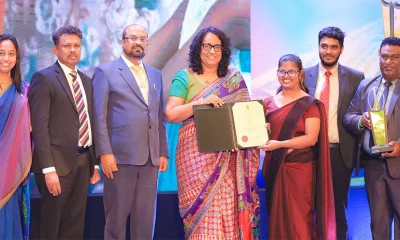
Ramani Fernando Sunsilk Hair and Beauty Academy marked their graduation of their latest cohort of aspiring hair professionals in a ceremony held at Kingsbury Hotel.

Senaka de Silva, creative force behind Ramani’s shows
For over two decades, the Ramani Fernando Sunsilk Hair and Beauty Academy has stood as a beacon of excellence in beauty education in Sri Lanka. Founded by industry icon Ramani Fernando, the Academy has built a reputation for producing highly skilled professionals who go on to make their mark in salons, both locally and internationally. As the newly minted graduates step out into the world, they carry forward not just certificates, but also the promise of creative authority and personal empowerment.
The chief guest for the occasion was Rosy Senanayake, a long-standing supporter of the Academy’s mission. Addressing the graduates her message echoed her enduring belief that the beauty industry is not merely about aesthetic but about. confidence, self-worth and future leaders.
Over months of rigorous training, these young professionals honed their skills in cutting colouring, styling and contemporary artistry readying themselves to set trends rather than follow them.
Each graduate walked the stage with confidence, their dedication signalling a promising future for Sri Lanka’s beauty and fashion industry! With this new generation of stylists preparing to raise the standard of professional hairstyling.
Ramani Fernando, addressing the audience reflected on the academy’s mission to cultivate not only skills but vision and confidence in every student.
She urged the graduates to embrace continuous learning to take risks with creativity .The world of beauty is ever evolving, stay curious, stay bold and never underestimate the power of your talent, she added emphasising the importance of confidence, discipline and passion in carving a successful career in shaping the future of style.
These graduates are stepping into a world of endless possibilities. They are future of the country, who will carry a forward legacy of creativity. Behind every successful graduate at Sun silk Hair Academy stands a team dedicated to excellence. While Ramani Fernando serves as a visionary Principal and it is Lucky Lenagala, her trusted person who ensures that the academy runs seemingly.
From overseeing training sessions to guiding students, through hands on practice, Lucky plays a pivotal role in shaping the next generation of hairstylists.
Kumara de Silva, who has been the official compere Ramani’s, Hair graduation ceremony, from inception has brought energy, poise and professionalism. The Sunsilk Hair Academy is a celebration of talent and mentor ship for the graduates stepping confidentially into the next chapter of their careers, ready to make their mark on Sri Lanka beauty landscape

A moment of pride Ramani with chief guest Rosy Senanayake

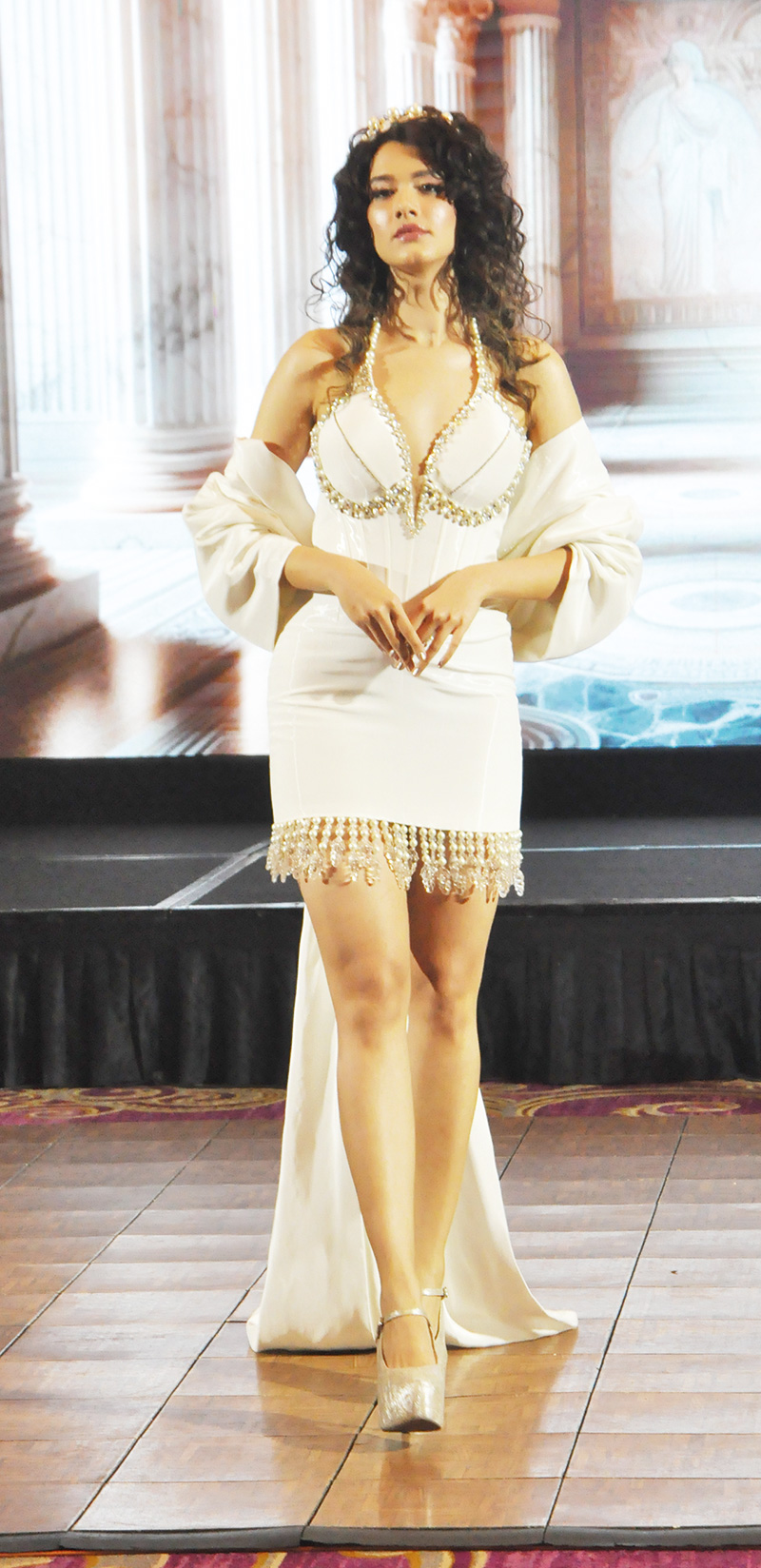
Statement in style

Gliding in romance and sophistication
Pix by Thushara Attapathu
By Zanita Careem ✍️

During this season, Romesh Atapattu’s Capello Salon buzzes with a unique energy – a blend of festive excitement and elegance. Clients arrive with visions of holiday parties, office soirees, seeking looks that capture both glamour and individuality. The salon itself mirrors this celebrity mood. Warm lights, tasteful festive décor create an atmosphere where beauty and confidence flourish.
Romesh Atapattu himself curates the festive décor, infusing the space with his signature sense of style. His personal eye ensures that the décor complements the salon’s modern interiors.
As Colombo slips effortlessly into its most glamorous time of year, the Christmas season brings with it more than twinkling lights and celebrity soirees – it signals a transformation season at salons across the city. Capello salons are no exception.
At the heart of this festive beauty movement is Romesh Atapattu of Capello salons, a name synonymous with refined hair artistry, modern elegance and personalised style.
Christmas is about confidence and celebration. Romesh believes ‘People want to look their best without losing who they are”. Our role is to enhance, not overpower. This philosophy is evident in the salon’s seasonal approach.
Beyond trends, what sets Atapattu apart is the attention to individuality. Each consultation is treated as a creative collaboration – face shape, lifestyle, hair texture and personal style all play a role in creating the best for Romesh.
Stepping into Romesh’s salon during the Christmas season is an experience in itself. The space hums with festive energy while maintaining an atmosphere of calm sophistication.
The décor embraces the Christmas spirit with understated elegance. Tastefully adorned décor, beautiful Xmas tree, soft gold and ivory tones, and gentle hints of red are woven seamlessly into the salon’s contemporary design.
His staff, known for their warmth and professionalism also plays a key role in shaping the salon’s atmosphere—friendly, stylish and always welcoming. The Capello staff combine skill and creativity to deliver results that have a lasting impression.
Beyond trends, what sets Romesh Atapattu apart is the attention to individuality. Each consultation is treated as a creative collaboration – face shape, lifestyle, hair texture and personal style all play a role.
He is a professional who blends technical mastery with a deeply personal approach to style. His dedicated team of skilled professionals, operate with quiet confidence ensuring styles that create an atmosphere of trust, turning every appointment into a personalised and memorable experience.
(ZC) ✍️
Pic by Rohan Herath

’Reimagining International Relations from a Global South Perspective’ offers a timely and rigorous contribution, providing key insights into policy, diplomacy, and global governance – PM

Fair weather will prevail over most parts of the island

CID arrests former top military intelligence officer under PTA

Corruption in coal procurement: CP demands action against all responsible

Jaffna University leads campaign against PTA and PSTB

Indian Naval Sail Training Ship INS Tarangini here soon

‘Dates have the highest sugar content to fight Coronavirus’

Sunday Island 27 December – Headlines

#SundayIsland 17th December – Headlines

Sunday Island – 28th March

Sunday Island Headlines – 21 March

Sunday Island – 21st February – Headlines
-

 Features4 days ago
Why does the state threaten Its people with yet another anti-terror law?
-
 Features4 days ago
Reconciliation, Mood of the Nation and the NPP Government
-
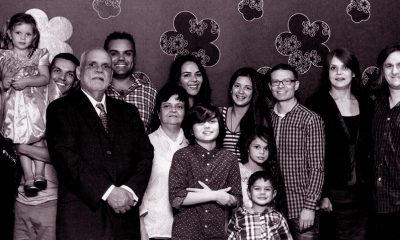
 Features4 days ago
Victor Melder turns 90: Railwayman and bibliophile extraordinary
-

 Features3 days ago
LOVEABLE BUT LETHAL: When four-legged stars remind us of a silent killer
-
 Features4 days ago
Victor, the Friend of the Foreign Press
-
 Latest News5 days ago
New Zealand meet familiar opponents Pakistan at spin-friendly Premadasa
-

 Latest News5 days ago
Tariffs ruling is major blow to Trump’s second-term agenda
-
 Latest News6 days ago
ECB push back at Pakistan ‘shadow-ban’ reports ahead of Hundred auction