
Latest News
Rohit, seamers maintain India’s unbeaten run

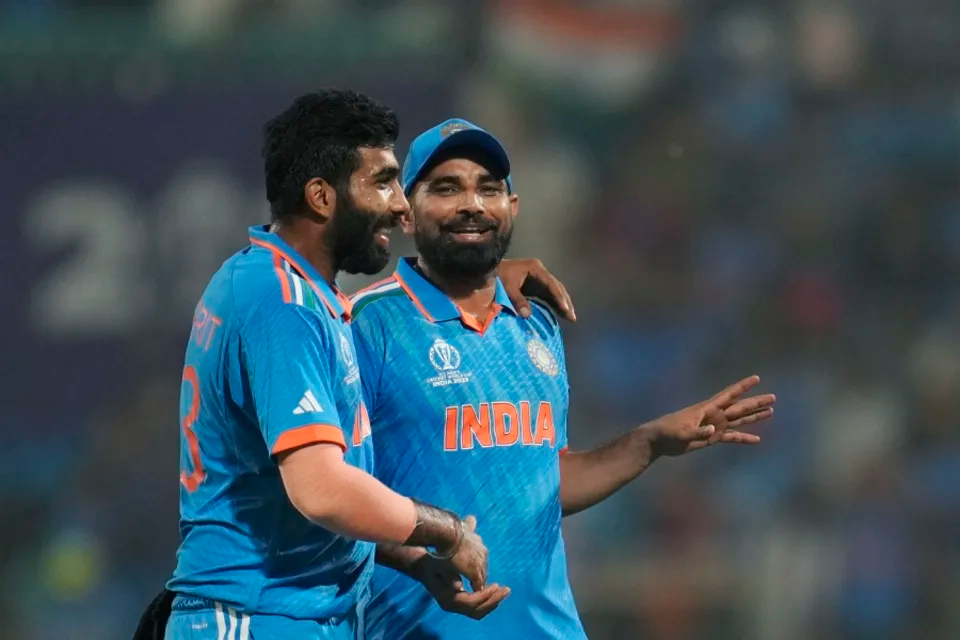
A stirring spell of fast bowling from Mohammed Shami and Jasprit Bumrah up front blew England away in Lucknow to make it six wins in six games at the ODI World Cup 2023 for India. After the pair struck early, the likes of Kuldeep Yadav and Ravindra Jadeja stepped up too to ensure England’s chase was derailed well in advance even as the holders were tasked with surmounting a relatively small total (229/9). India were incredibly fiery and on the mark with the ball, evidenced by the six bowled dismissals to their name.
The super soppers were out in full swing in the innings break, giving England hopes of a successful chase. But a terrific spell of fast bowling from Bumrah and Shami left England tottering at 39 for 4 in the 10th over. Bumrah started the damage by taking out Dawid Malan in the fifth over. Under lights, the ball was skidding on but still kept low occasionally that made batting tough even as dew made its presence felt. Malan was tentative on this occasion when Bumrah shifted to round the stumps after troubling him from over the stumps, and played one on to the stumps. Joe Root got a ripper first up from over the stumps – a ball that tailed in, kept low and hit him plumb in front of the stumps. Root reviewed but took it back with him.
Mohammed Siraj struggled with his rhythm so Rohit quickly shifted to Mohammed Shami who was devastating straightaway. He kept Ben Stokes glued to his crease and cramped for any run-scoring for nine dot balls, before the England batter tried to swing his way out of trouble and missed the angled-in delivery by a mile to get bowled. In his next over, a scratchy Jonny Bairstow inside-edged a ball onto his stumps to leave England in deep trouble.
Jos Buttler and Moeen Ali tried to slowly resurrect England’s chase but Kuldeep Yadav came up with an absolute magic ball to end that. In his first over, Kuldeep got 2.6 degrees of turn on the ball, but Buttler was bamboozled with a ball in the former’s next over that spun a whopping 7.2 degrees. Buttler went on the backfoot to play a drive through cover but was inches away from the trajectory of the ball that crashed onto the stumps.
For the next overs, Moeen and Liam Livingstone attempted to move the chase along, but were once again stopped in their tracks by ruthless decision-making from Rohit. The Indian captain sensed the comfort that the two batters found in playing against Ravindra Jadeja and brought back Shami in the 24th over. Shami struck immediately as Moeen hung his bat outside the off-stump and nicked a ball behind. In the space of six overs, England went from 81 for 6 to 98 for 8 as Jadeja got in on the wickets too. Fittingly, Shami and Bumrah returned to pull the plug on another one of England’s woeful nights with the bat as they were bundled out for 129 in the 35th over.
Before his bowlers made the target of 230 look bigger than it actually was, Rohit laid the foundation stones for that score on a tricky, unpredictable Lucknow surface where odd balls nipped in and the bounce was inconsistent. India were put in to bat – for the first time in this tournament – and were in trouble very early with Chris Woakes and David Willey taking out Shubman Gill, Virat Kohli – for an eight-ball duck, and Shreyas Iyer with only 40 runs on the board. KL Rahul joined Rohit in the middle – for the first time in an ODI since 2020, and ground out a revival for the form team of the tournament through the middle. Even in tough conditions, Rohit played at a fairly brisk pace, getting to his half-century off 66 balls.
Liam Livingstone got sharp, quick turn but the Indian pair saw him out for an over and then used him as a release avenue as both of them got multiple boundaries off him. KL Rahul fell to Willey against the run of play for 39, and Jos Buttler – as proactive as his opposite number – brought back Adil Rashid to end Rohit’s stay.
But he played 101 balls for a knock of 87, leaving India in a better position. Suryakumar Yadav then earned his ODI stripes with a solid 47-ball 49 that helped the team go past the 200-run mark. Before rattling England with the ball, Bumrah threw his bat around for a bit and frustrated England by adding 20 runs for the ninth wicket with Kuldeep that led India to 229/9 in 50 overs – 100 more than how much they needed to bundle England out.
Brief Scores:
India229/9 in 50 overs (Rohit Sharma 89, Suryakumar Yadav 49, KL Rahul 39; David Willey 3-45, Adil Rashid 2-35 Chris Woakes 2-33) beat England 129 in 34.5 overs (Liam Livingstone 27; Mohammed Shami 4-22, Jasprit Bumrah 3-32, Kuldeep Yadav 2-24) by 100 runs









A total of 146 players will be competing for 27 available slots in the WPL 2027 mini auction on October 28 in Kochi. Of these, England batter Sophia Dunkley and Australia captain Sophie Molineux are the only two players who have listed themselves at the maximum base price of INR 50 lakh.
The auction pool has 119 Indian players, including 22 capped and 97 uncapped players, with 20 slots available for Indian players. The overseas pool has 27 players – 14 capped and 13 uncapped – including six from Associate teams, with seven slots available.
G Kamalini (released by Mumbai Indians), Kiran Navigre (released by U P Warriorz), Heather Graham and Jess Jonassen have registered at the second-highest base price of INR 40 lakh, while a total of 30 players have registered at INR 30 lakh.
Among the notable absentees are West Indies allrounder Deandra Dottin, who was released by UPW, and Australia legspinner Alana King, who was released by Delhi Capitals. Lizelle Lee, who was DC’s highest run-scorer last season, has also not listed herself after being released by the franchise.
What the teams look like going into the auction
Only two English players – Dunkley and Kira Chathli (INR 10 lakh) – have registered for the auction, with several others, including Danni Wyatt-Hodge, Alice Capsey, Dani Gibson, Lauren Filer and Linsey Smith opting to skip the WPL next year.
Cricinfo has learned that England are likely to play three T20Is in Sri Lanka in early February, which will clash with the final week of the WPL. While the ECB is likely to allow players to stay in India to complete the tournament, most players have instead chosen to prioritise their international commitments ahead of the Champions Trophy later that month.
The relatively low salaries on offer at the WPL are also understood to be a factor in many English players deciding not to register, with most internationals earning significantly more to play in the Hundred (up to £190,000 last year) than the highest permitted base price in the WPL of INR 50 lakh (£40,000 approx).
Molineux was part of the Royal Challengers Bengaluru [RCB] title-winning squad in 2024, and had bagged 12 wickets in ten games at an economy rate of 7.31. She was retained by RCB for the 2025 season but a knee injury ruled her out of the season. Dunkley, meanwhile, played for Gujarat Giants [GT] in 2023 before opting not to register for the 2024 season. She went unsold in the 2025 auction.
Among the premier internationals who have listed themselves for INR 30 lakh are Australia allrounder Grace Harris (released by RCB), Sri Lanka captain Chamari Athapaththu, South Africa left-arm spinner Nonkululeko Mlaba and South Africa allrounder Chloe Tryon.
UPW, who released nine players, will go into the auction with the biggest purse of INR 3.75 crore.
[Cricinfo]
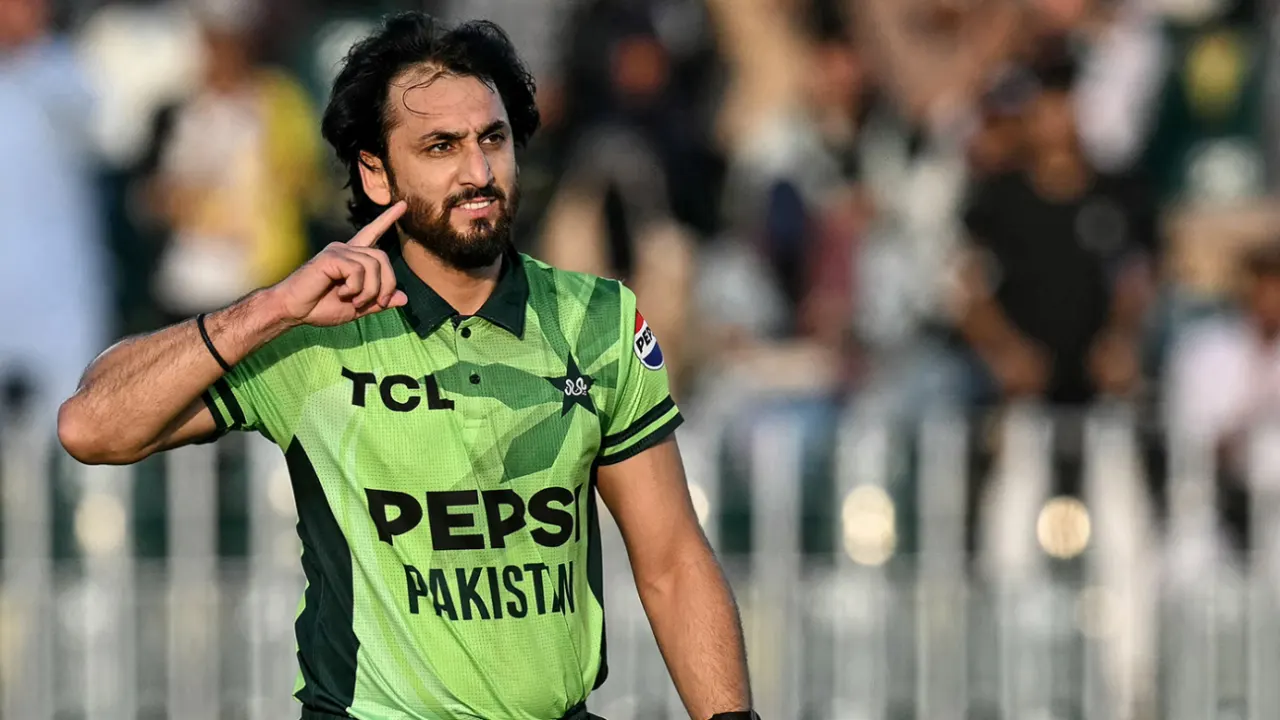
Pakistan withstood a middle-order counterattack from Pavan Rathnayake and Janith Liyanage to see off Sri Lanka by 37 runs. In the first match of a tri-series that also includes England, the pair appeared to have put Sri Lanka on course with a 119-run fifth wicket partnership, with the visitors well in front and requiring just 55 from the last seven overs. Liyanage’s wicket, however, saw the bottom fall out of the side, with Sri Lanka losing their last five wickets for 15 runs to allow Pakistan to breathe a sigh of relief.
The win had been set up by Salman Agha, who marked his return to the Pakistan side with his fourth ODI hundred to hold off a collapse and steer the hosts past 300. By the 22nd over, Pakistan had lost four wickets, and looked vulnerable with a relatively long tail. However, Salman’s 90-ball 107 navigated Pakistan expertly out of danger with sizeable partnerships with Hasan Nawaz and Arafat Minhas.
Sri Lanka deprived Shaheen Afridi’s side of a big finish, though, with Eshan Malinga and Asitha Fernando striking multiple blows in the death overs to ultimately bowl Pakistan out for 305. Those runs they had left on the table looked set to cost them dear at the climax of the context. The dew had set in, and Rathnayake and Liyanage were beginning to reverse Pakistan’s early dominance that had seen them skittle Sri Lanka’s top four with few dents made to the chase.
Afridi rotated his cast of bowlers, but aside from Naseem Shah, there appeared no remedy to the free flow of runs. Haris Rauf, Minhas, Saim Ayub and Afridi himself were all worked over, particularly by Rathnayake, who was especially methodical in the way he timed his innings to dance in tune to the required rate. Afridi was sensationally blown out of the attack with a pair of pulled sixes off the hips, in stark contrast to Pakistan’s own struggles against the short ball.
A pair of tight overs from Faheem Ashraf finally induced Rathnayake into a false stroke as he spooned one to Salman at short cover, only for Dasun Shanaka to pick up the slack. But with 53 runs to go, Liyanage chipped Rauf to long-on, and Pakistan blew the house down. Afridi prised Shanaka out the following over, and though the tail limped on briefly, it was only a matter of time.
Pakistan will look back fondly at their dominance in the first 25 overs, which closely mirrored Sri Lanka’s own success in the first innings. Sri Lanka’s top order was ineffective in keeping pace with the asking rate, and Naseem bowled a tidy spell up front, which included the wicket of Avishka Fernando. Ashraf took a sharp catch after Saad Baig dropped the skier, the allrounder showing good reflexes to scoop the ball up. It was, all told, a difficult evening behind the stumps for the debutant, and, in truth, a poor day out for Pakistan’s fielders throughout the innings.
Sri Lanka’s fortune with the toss had carried over to the ODI series, and they inserted Pakistan in Rawalpindi. There was early swing on offer, but it was the extra pace from Dilshan Madushanka that accounted for both openers. Ayub and Fakhar Zaman were both undone by the short delivery, leaving Babar Azam and Baig to rebuild.
The duo put on 74 and were beginning to get the asking rate ticking upwards. However, Babar’s frustrating recent knack of giving away auspicious starts reared its familiar head once more. Malinga was Sri Lanka’s quickest bowler through the innings, and he landed one short that rushed onto Babar, who was late on the pull just five shy of a half-century. Soon after Baig, who had shown promise as well as a willingness to pull rather than back away from bouncers, miscued one himself, holing out to deep fine leg.
It was precisely the sort of situation Salman – dropped from both the Test side and T20 captaincy in the last two months – thrives in, rebuilding during the middle overs of an ODI. He did so flawlessly, halting Sri Lanka’s momentum while staying on top of the run rate, keeping the strike ticking along, and adeptly covering for Nawaz, who had made a more sluggish start. He capitalised when Sri Lanka erred by turning prematurely to Kamindu Mendis’ spin, taking 11 off the 25th over to turn momentum around.
Sri Lanka began to look more toothless with the ball through those middle overs as Salman’s comfort grew. He dominated the stand and brought up his half-century off 48 balls. Nawaz had begun to loosen his shoulders too, illustrated by a six off legspinner Sachindu Colombage, but Asitha rooted him out the following over, ending the fifth-wicket stand ay 97. Salman played a similar shepherding role with Minhas for the sixth wicket, the pair putting on 64, with Salman once again taking on the lion’s share.
Twenty-six runs came off the 44th and 45th overs, but just as Pakistan looked for a big finish, Sri Lanka’s bowlers hit back. Minhas and Salman fell trying to hit sixes, and Pakistan’s lower order soon followed, with Malinga getting rid of Ashraf and Naseem off successive balls. A pair of lusty blows from Afridi allowed Pakistan to scratch past 300.
For long stretches of Sri Lanka’s chase, it appeared as if Pakistan’s unproductiveness in those death overs would cost them. Instead, on a dewy early autumn night in Rawalpindi, Pakistan’s pace attack – which shared nine wickets between them – ensured Salman’s efforts would not be wasted.
Brief scores:
Pakistan 305 in 49.5 overs (Babar Azam 45, Salman Agha 107; Eshan Malinga 4-46, Asitha Fernando 3-59, Dilshan Madushanka 2-67) beat Sri Lanka 268 in 48.1 overs (Kamindu Mendis 44, Pavan Rathnayake 79, Janith Liyanage 60; Shaheen Shah Afridi 3-55, Naseem Shah 2-43, Haris Rauf 2-48, Faheem Ashraf 2-49) by 37 runs
[Cricinfo]

An estimated 550,000 people took part in demonstrations across France today to protest against teaching conditions in schools, rising fuel prices and the cost of living.
Marches were largely peaceful and took place in several major French cities, including Paris, where 110,000 people attended.
“We just want to study, we just want a future” one student taking part in the protest in the capital told BBC News, while another said they were ” just trying to make things change”.
But French Interior Minister Laurent Nunez said some groups “at the margins of these protests” caused the situation to “degenerate”.
According to the French Prime Minister Sébastien Lecornu, 1200 people were arrested. Officials also reported looting in cities such as Marseille, where masked 8ntruders also entered the city hall. In Lyon, the tourist office was set on fire and shops were damaged.
French President Emmanuel Macron said any vandals and looters would be “prosecuted and punished”, while Jean-Luc Mélenchon, the leader of left-wing party La France Insoumise, said demonstrations had been calmly mobilised.
Meanwhile, firefighters are continuing to battle a blaze at Limoges City Hall after a reported break-in and arson inside the 19th-century building during protests there.
(BBC)

Molineux, Dunkley enter WPL 2027 auction with top base price of INR 50 lakh

Ranawaka accuses govt. of using JVP cadres and police to suppress political opponents

Six killed as speeding bulker crashes into vehicles, shop in Akurana

Prof. Peiris, summoned by CIABOC, appeals for Ven. Gnanasara’s release

Tusker Agbo found safe and in good health

Good intentions, wrong choices for Kirsten

‘Dates have the highest sugar content to fight Coronavirus’

Sunday Island 27 December – Headlines

#SundayIsland 17th December – Headlines

Sunday Island – 28th March

Sunday Island Headlines – 21 March

Sunday Island – 21st February – Headlines
-

 Latest News7 days ago
Nissanka’s return headlines Sri Lanka’s Test squad against Pakistan
-

 News6 days ago
Sri Lanka, India caught in US-Iran ship crisis
-

 Features2 days ago
Kotahena:A Small Enclave, An Extraordinary Legacy
-
 Latest News7 days ago
Imran Khan’s PTI braces to fight federal takeover of Khyber Pakhtunkhwa
-

 Latest News6 days ago
Missiles intercepted near Riyadh after Saudi coalition hits Yemen fuel depot
-
 News3 days ago
Asgiri Mahanayake calls for immediate release of Gnanasara Thera
-
 Latest News6 days ago
Kusal Mendis’ unbeaten 87 hands Sri Lanka consolation win
-

 Latest News7 days ago
Former Zimbabwe player and umpire Sarah Dambanevana dies aged 36