
Life style
Off the Beaten Track


by Rajiva Wijesinha
The fourth in the series of travel books by Rajiva Wijesinha, written during the period of coronavirus restrictions, was published last month by S. Godage & Bros, and is now available at their bookshop next to Ananda College. The other three books are Exploring India which looks too at the other countries of South Asia; Around and About the Mediterranean which explores all the countries which abut on that inland sea, including two island countries, and also the countries of the Balkans; and To the Ends of the Earth which covers several countries in Latin America and in Sub-Saharan Africa and the four eastern Archipelagos of Asia.
This book, entitled Off the Beaten Track, looks at unusual travel destinations in the former Soviet Union, and then at former French and British colonies in South East Asia. Before these there is a vivid account, illustrated with beautiful photographs, of a visit to Iran in 2008, which covered the classic cities of Isfahan and Shiraz, but went further afield too to Susa and Ecbatana of the old Persian empire.
The ancient splendours of Kazakhstan follow, exquisite tombs and massive now ruined fortresses, and then the magnificent structures of Uzbekistan, the magical cities of Samarkand and Bukhara and the fortress city of Khiva, with an overnight journey back to Tashkent and then a drive into the mountains. Lesser known is Turkmenistan with the extensive ruins, only partially restored, of what had been massive centres of commerce in the Middle Ages.

From the eastern shores of the Caspian at Turkmenbashi, the narrative moves to Baku on its Western shore, and the various phases and beauties of Azerbaijan. These include, after a bus journey to the mountains in the north, the province of Nakchivan which has to be reached by air. In between is territory disputed with Armenia, the glorious monasteries of which are featured next, along with churches of different periods and stunning mountain scenery.
There follow brief descriptions of visits to the Soviet Union before it broke up, including an overnight train journey to Georgia and two visits by sea to the Ukrainian port of Odessa, where the writer wandered through a still sleepy city, with daily performances at the opera or the circus.
If these countries are well off the beaten track, the same is not true of the countries of Indo-China as it used to be known which are described next. But they were unusual destinations in the eighties and the early nineties. The writer was fortunate enough to get to Hanoi in 1984 when it was still suffering the after effects of the Vietnam War, and when he saw Angkor Wat in 1991 conditions were primitive and the Khmer Rouge lurked in the countryside beyond the walls of the enclaves.

The richness of the book is enhanced by the reproduction of the articles published after those visits in the Lanka Guardian and convey a range of reflections on the suffering the region had undergone and the resilience of its peoples. And the long account of several visits to Cambodia in the nineties records the aid programmes on offer and then the development of a political system that has relentlessly modernized while precluding any regime change. Contrasted with this is the sleepiness of Laos, where the central feature of the capital is a fountain with piped music of a period before the country was ravaged. And its old capital Luang Prabang, reached three decades ago in a tiny plane that swooped low over the hills, was even sleepier, offering a tranquil boat ride down the river and a exquisite little palace.
Malaysia too was relatively primitive when the writer first visited the place in 1969 and, though Singapore had begun to move forward, it was still possible to feel that Sri Lanka was infinitely better off, in those distant days. But then things changed rapidly, and the advance into modernity that has left us far behind is recorded through later visits. In between however were visits on the same ship that took the writer to Odessa, docking twice in Penang, with an earlier journey there by train when there still seemed danger from insurgent forces on the connecting train to Bangkok. In 1986 there was warnings about insurgents on the road across the central highlands of Malaysia, but by 1989 the train to Bangkok was comfortable and in 1990 travelling in Malaysia was absolutely safe.
Except in the extracts from earlier essays, this book is not a classic travelogue, but rather records simply a range of sights, with a host of evocative photographs. But there are also some human elements, an attempted seduction in the train to Tashkent, the variation on the theme of Romeo and Juliet in Kazakhstan, the drama of opera in Tbilisi and Yerevan; there are the difficulties of travel in a militaristic Burma in the mid-eighties, along with the joys of Pagan with evidence of the only international adventure of a Sri Lankan ruler, Parakramabahu of Polonnaruwa fame who also equipped a navy; there is the long friendship with a boy on a motorbike who picked the writer up in Phnom Penh, and then was transformed into a policeman in Sihanoukville where he also taught English. There are also two journeys with an eccentric English friend in the scenic highlands of Cambodia and then Laos, with the added bonus of the Preah Viharn temple on the drive back.
The pictures are all taken by the writer, except for records of Hanoi in the eighties supplied by his host there then, who also put him up in the nineties. Those capture the spirit of a country of cheerful youngsters, determined to leave the memory of the war behind them. There are few pictures of people otherwise, except for friends and travelling companions, but apart from the glorious architecture of the different countries there are also splendid scenes of sunrise and sunset, of rivers and waterfalls and mountains. The book does indeed bear witness to a wonderful world.

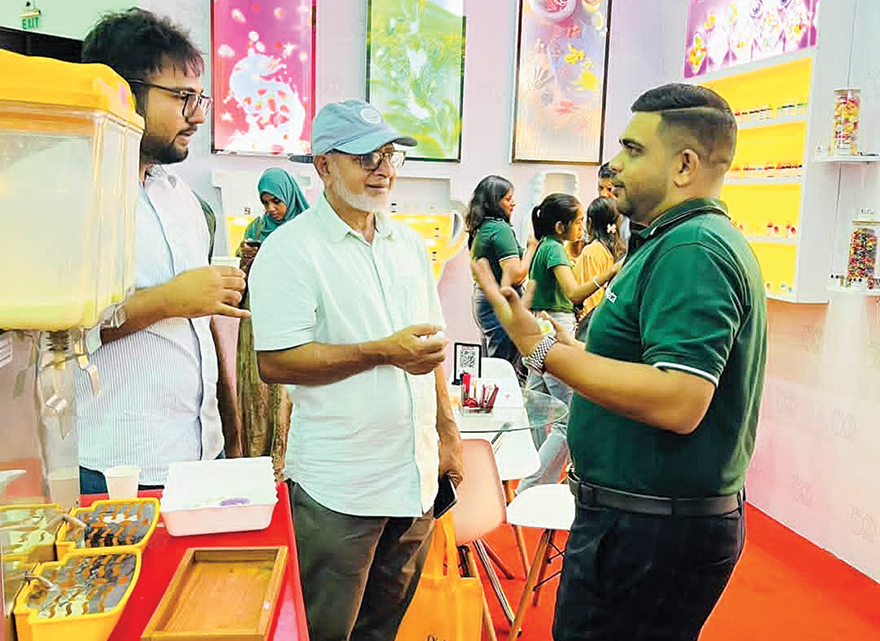
Salman Faiz has turned his family legacy into a modern sensory empire. Educated in London, he returned to Sri Lanka with a global perspective and a refined vision, transforming the family legacy into a modern sensory powerhouse blending flavours,colours and fragrances to craft immersive sensory experiences from elegant fine fragrances to natural essential oils and offering brand offerings in Sri Lanka. Growing up in a world perfumed with possibility, Aromatic Laboratories (Pvt) Limited founded by his father he has immersed himself from an early age in the delicate alchemy of fragrances, flavours and essential oils.
 Salman Faiz did not step into Aromatic Laboratories Pvt Limited, he stepped into a world already alive with fragrance, precision and quiet ambition. Long before he became the Chairman of this large enterprise, founded by his father M. A. Faiz and uncle M.R. Mansoor his inheritance was being shaped in laboratories perfumed with possibility and in conversations that stretched from Colombo to outside the shores of Sri Lanka, where his father forged early international ties, with the world of fine fragrance.
Growing up amidst raw materials sourced from the world’s most respected fragrance houses, Salman Faiz absorbed the discipline of formulation and the poetry of aroma almost by instinct. When Salman stepped into the role of Chairman, he expanded the company’s scope from a trusted supplier into a fully integrated sensory solution provider. The scope of operations included manufacturing of flavours, fragrances, food colours and ingredients, essential oils and bespoke formulations including cosmetic ingredients. They are also leading supplier of premium fragrances for the cosmetic,personal care and wellness sectors Soon the business boomed, and the company strengthened its international sourcing, introduced contemporary product lines and extended its footprint beyond Sri Lanka’s borders.
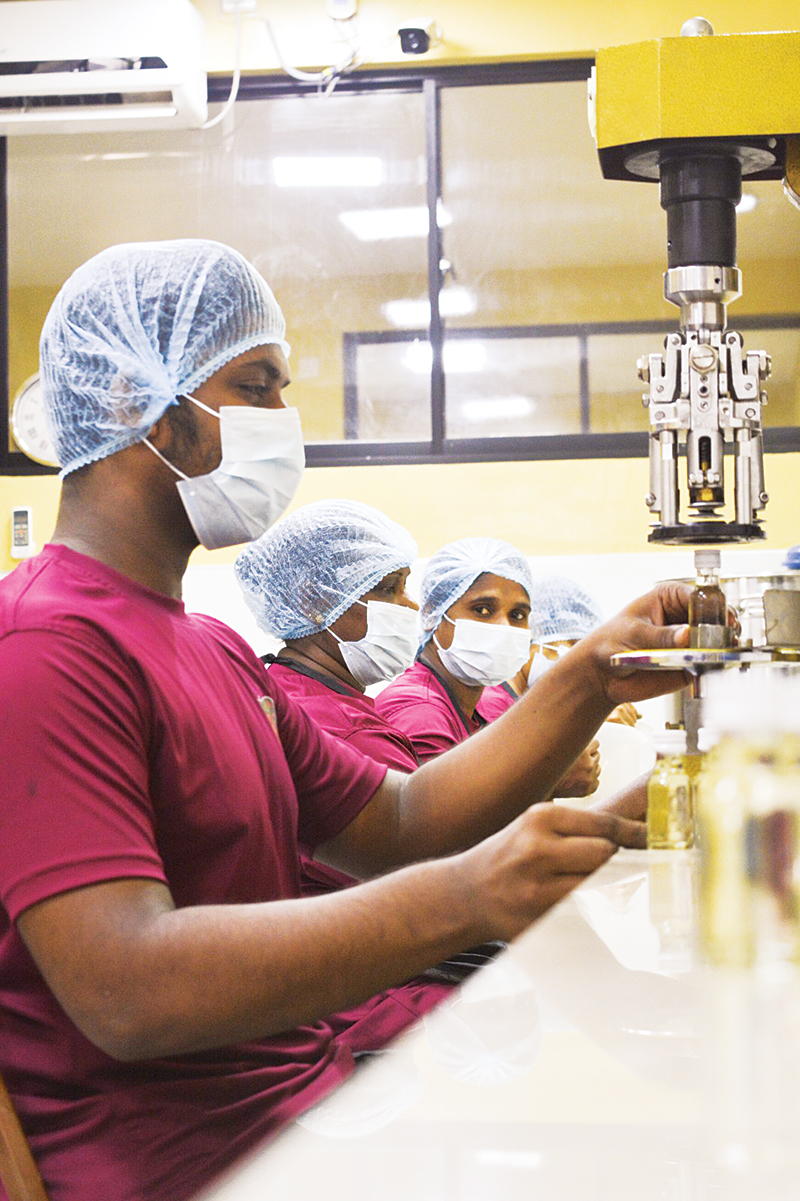
Where raw materials transform into refined fragrance

Salman Faiz -carrying forward a legacy
Today, Aromatic Laboratories stands as a rare example of a second generation. Sri Lankan enterprise that has retained its soul while embracing scale and sophistication. Under Salman Faiz’s leadership, the company continues to honour his father’s founding philosophy that every scent and flavour carries a memory, or story,and a human touch. He imbibed his father’s policy that success was measured not by profit alone but the care taken in creation, the relationships matured with suppliers and the trust earned by clients.
“We are one of the leading companies manufacturing fragrances, dealing with imports,exports in Sri Lanka. We customise fragrances to suit specific applications. We also source our raw materials from leading French company Roberte’t in Grasse
Following his father, for Salman even in moments of challenge, he insisted on grace over haste, quality over conveniences and long term vision over immediate reward under Salman Faiz’s stewardship the business has evolved from a trusted family enterprise into a modern sensory powerhouse.
Now the company exports globally to France, Germany, the UK, the UAE, the Maldives and collaborates with several international perfumes and introduces contemporary products that reflect both sophistication and tradition.
We are one of the leading companies. We are one of the leading companies manufacturing fine and industrial fragrance in Sri Lanka. We customise fragrances to suit specific applications said Faiz
‘We also source our raw materials from renowned companies, in Germany, France, Dubai,Germany and many others.Our connection with Robertet, a leading French parfume House in Grasse, France runs deep, my father has been working closely with the iconic French company for years, laying the foundation for the partnership, We continue even today says Faiz”
Today this business stands as a rare example of second generation Sri Lankan entrepreneurship that retains its souls while embracing scale and modernity. Every aroma, every colour and every flavour is imbued with the care, discipline, and vision passed down from father to son – a living legacy perfected under Salmon Faiz’s guidance.
By Zanita Careem
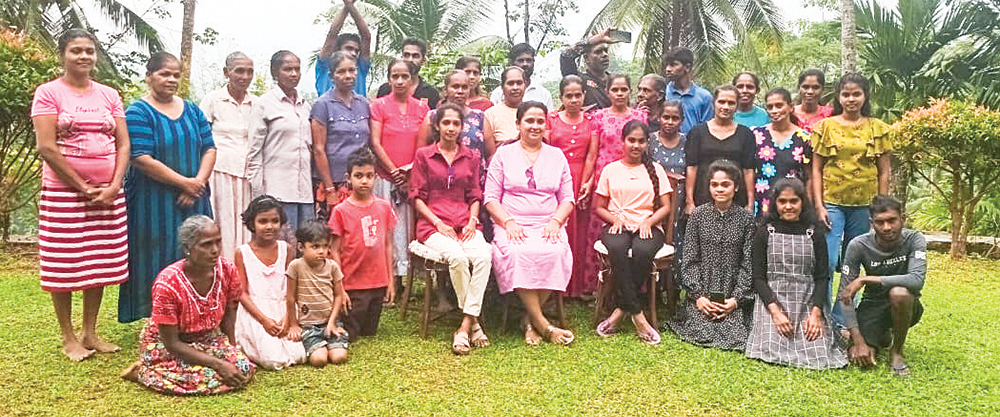
Harini and Chanaka cultivating change
When Harini and Chanaka Mallikarachchi returned to Sri Lanka after more than ten years in the United States, it wasn’t nostalgia alone that they brought home . It was purpose.Beneath the polished resumes and strong computer science backgrounds lay something far more personal- longing to reconnect with the land, and to give back to the country that shaped their memories. From that quiet but powerful decision was born Agri Vision not just an agricultural venture but a community driven movement grounded in sustainability ,empowerment and heritage. They transform agriculture through a software product developed by Avya Technologies (Pvt Limited) Combining global expertise with a deep love for their homeland, they created a pioneering platform that empowers local farmers and introduce innovative, sustainable solutions to the country’s agri sector.
After living for many years building lives and careers in theUnited States, Harini and Chanaka felt a powerful pull back to their roots. With impressive careers in the computer and IT sector, gaining global experience and expertise yet, despite their success abroad, their hearts remained tied to Sri Lanka – connection that inspired their return where they now channel their technological know-how to advance local agriculture.
For Harini and Chanaka, the visionaries behind Agri Vision are redefining sustainable agriculture in Sri Lanka. With a passion for innovation and community impact, they have built Agri Vision into a hub for advanced agri solutions, blending global expertise with local insight.
In Sri Lanka’s evolving agricultural landscape, where sustainability and authenticity are no longer optional but essential. Harini and Chanaka are shaping a vision that is both rooted and forward looking. In the heart of Lanka’s countryside, Uruwela estate Harini and Chanaka alongside the ever inspiring sister Malathi, the trio drives Agri Vision an initiative that fuses cutting edge technology with age old agricultural wisdom. At the core of their agri philosophy lies two carefully nurtured brands artisan tea and pure cinnamon, each reflecting a commitment to quality, heritage and people.
Armed with global exposure and professional backgrounds in the technology sector,they chose to channel thier experiences into agriculture, believing that true progress begins at home.
-
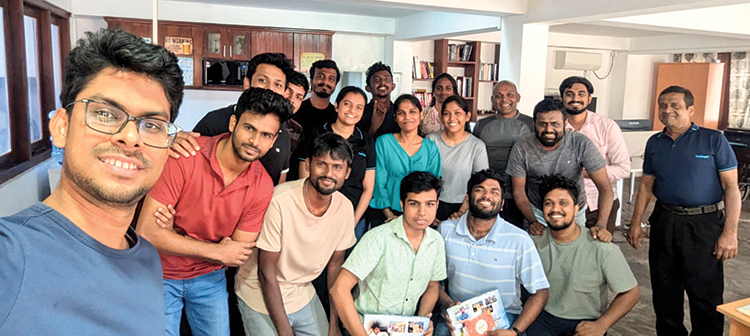
- Avya Technologies (Pvt) ltd software company that developed Agri Vision
-
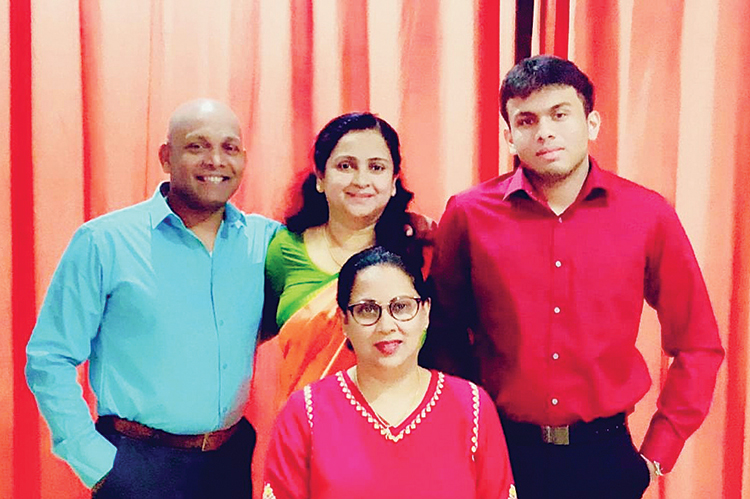
- Chanaka,Harini and Shakya Mallikarachchi and Malathi Malathi dias (middle)
But the story of Agri Vision is as much about relationships as it is about technology. Harini with her sharp analytical mind, ensures the operations runs seamlessly Chanaka, the strategist looks outward, connecting Agri Vision to globally best practices and Malathi is their wind behind the wings, ensures every project maintains a personal community focussed ethos. They cultivate hope, opportunity and a blueprint for a future where agriculture serves both the land and the people who depend on it .
For the trio, agriculture is not merely about cultivation, it is about connection. It is about understanding the rhythm of the land, respecting generations of farming knowledge, and that growth is shared by the communities that sustain it. This belief forms the backbone of Agro’s vision, one that places communities not only on the periphery, but at the very heart of every endeavour.
Artisan tea is a celebration of craft and origin sourced from selected growing regions and produced with meticulous attention to detail, the tea embodier purity, traceability and refinement, each leaf is carefully handled to preserve character and flavour, reflecting Sri Lanka’s enduring legacy as a world class tea origin while appealing to a new generation of conscious consumers complementing this is pure Cinnamon, a tribute to authentic Ceylon, Cinnamon. In a market saturated with substitutes, Agri vision’s commitment to genuine sourcing and ethical processing stands firm.
By working closely with cinnamon growers and adhering to traditional harvesting methods, the brands safeguards both quality and cultural heritage.
What truly distinguishes Harini and Chanake’s Agri Vision is their community approach. By building long term partnerships with smallholders. Farmers, the company ensures fair practises, skill development and sustainable livelihoods, These relationships foster trust and resilience, creating an ecosystem where farmers are valued stakeholders in the journey, not just suppliers.
Agri vision integrates sustainable practices and global quality standards without compromising authenticity. This harmony allows Artisan Tea and Pure Cinnamon to resonate beyond borders, carrying with them stories of land, people and purpose.
As the brands continue to grow Harini and Chanaka remain anchored in their founding belief that success of agriculture is by the strength of the communities nurtured along the way. In every leaf of tea and every quill of cinnamon lies a simple yet powerful vision – Agriculture with communities at heart.
By Zanita Careem
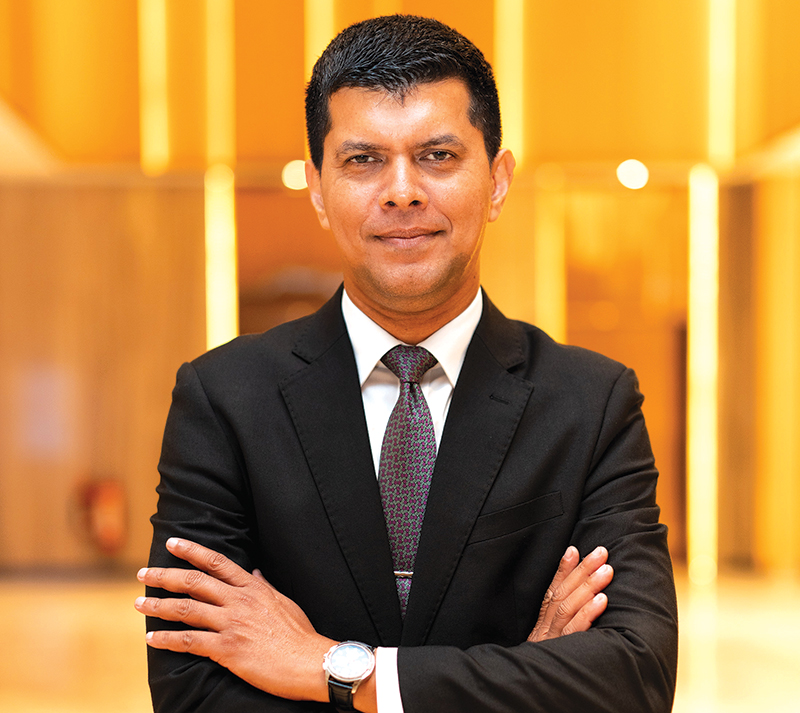
Courtyard by Marriott Colombo has welcomed Suranga Peelikumbura as its new General Manager, ushering in a chapter defined by vision, warmth, and global sophistication.
Suranga’s story is one of both breadth and depth. Over two decades, he has carried the Marriott spirit across continents, from the shimmering luxury of The Ritz-Carlton in Doha to the refined hospitality of Ireland, and most recently to the helm of Resplendent Ceylon as Vice President of Operations. His journey reflects not only international mastery but also a devotion to Sri Lanka’s own hospitality narrative.
What distinguishes Suranga is not simply his credentials but the philosophy that guides him. “Relationships come first, whether with our associates, guests, partners, or vendors. Business may follow, but it is the strength of these connections that defines us.” It is this belief, rooted in both global perspective and local heart, that now shapes his leadership at Courtyard Colombo.
At a recent gathering of corporate leaders, travel partners, and media friends, Suranga paid tribute to outgoing General Manager Elton Hurtis, hon oring his vision and the opportunities he created for associates to flourish across the Marriott world. With deep respect for that legacy, Suranga now steps forward to elevate guest experiences, strengthen community ties, and continue the tradition of excellence that defines Courtyard Colombo.
From his beginnings at The Lanka Oberoi and Cinnamon Grand Colombo to his leadership roles at Weligama Bay Marriott and Resplendent Ceylon, Suranga’s career is a testament to both resilience and refinement. His return to Marriott is not merely a professional milestone, it is a homecoming.

‘Treat him with dignity’ – Gavaskar, Chappell among 14 former captains to come out in support of Imran Khan

PM participates in special Shiva Pooja held at the Thirukedeswaran Temple in Mannar

Rain ends Ireland and Australia’s T20 World Cup hopes

“Sri Lanka Set to Become the First South Asian Country to Enter the Global Charter on Children’s Care Reform”

Incoming Bangladesh PM Tarique Rahman, lawmakers sworn into parliament

Samra’s record 110 in vain as Phillips and Ravindra put New Zealand in Super Eights

‘Dates have the highest sugar content to fight Coronavirus’

Sunday Island 27 December – Headlines

#SundayIsland 17th December – Headlines

Sunday Island – 28th March

Sunday Island Headlines – 21 March

Sunday Island – 21st February – Headlines
-
 Life style3 days ago
Marriot new GM Suranga
-

 Business2 days ago
Ministry of Brands to launch Sri Lanka’s first off-price retail destination
-
 Features3 days ago
Monks’ march, in America and Sri Lanka
-
 Midweek Review7 days ago
A question of national pride
-

 Business7 days ago
Autodoc 360 relocates to reinforce commitment to premium auto care
-
 Opinion6 days ago
Will computers ever be intelligent?
-

 Features3 days ago
The Rise of Takaichi
-
 Features3 days ago
Wetlands of Sri Lanka: