
News
No candidate vying for the presidency has announced plans to abolish executive powers – President


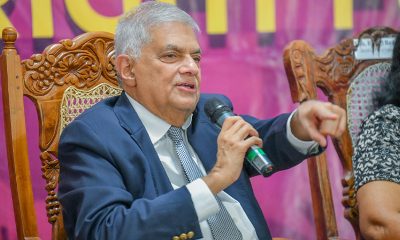
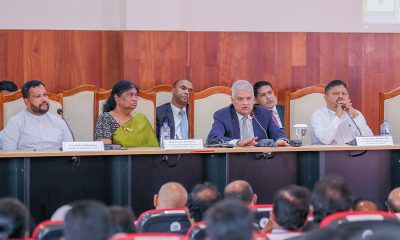
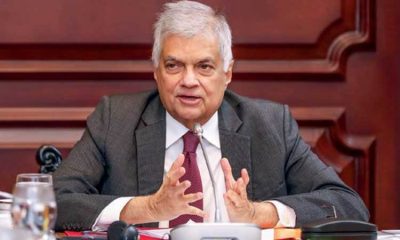
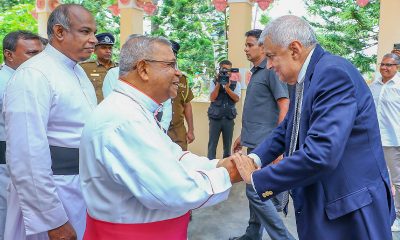
President Ranil Wickremesinghe participating in the “What’s New” dialogue on legal reforms with young legal professionals at a workshop held at the Presidential Secretariat.on Tuesday (28) reiterated that none of the candidates aspiring to run in the presidential election have announced their intention to abolish the executive powers associated with the position.
Elaborating further the President said:
“Sri Lanka boasts multiple governance systems. One resembles the English model, epitomized by the cabinet, while the other adopts the executive presidential system, where the President wields executive authority. The legislature holds legislative powers. Notably, the President and the legislature may hail from different political parties. Examining the Swiss parliamentary setup, parliament appoints seven individuals to the federal committee, granting executive authority to the Federal Council.
In adherence to a customary practice, the two primary parties receive two seats each, while the remaining parties are allocated one seat each. Subsequently, these councillors convene to discuss the distribution of responsibilities among institutions, collectively exercising executive authority. Additionally, the Prime Minister holds the authority to appoint and dismiss ministers within the cabinet. Annually, one of the seven councillors ascends to the Chairmanship.
Alternatively, the Donoughmore system, once employed in Sri Lanka, involved dividing the executive structure into seven components. Among these, one served as the speaker, while another was elected as the chairman, simultaneously assuming the role of minister. Further, a minister was designated as the Leader of the House. The governor appointed three additional secretaries, resulting in a council of ministers comprised of ten individuals. Among these, the chief secretary chaired the council, where decisions were deliberated and finalized.
Following the previous systems, the French model emerged, where the executive president is elected via popular vote and members of Parliament are chosen by the electorate. This approach is predominantly adopted in Sri Lanka, possessing both advantages and disadvantages. During President J. R. Jayawardena’s tenure as Executive President, significant strides were made for the country, marked by the implementation of major projects such as Mahaveli, Samanala wewa, and Lunugamvehera. Additionally, Kotte was elevated to the status of a capital city, and two trading zones were established. Notably, these developmental endeavours were executed amidst an eleven-year-long war.
Similarly, President Premadasa initiated the establishment of around two hundred garment factories. The presence of the executive presidency was pivotal in Sri Lanka’s victory in the war, thwarting foreign hopes of inducing crisis and government collapse. The ability to apply executive power, exemplified by President Mahinda Rajapaksa, facilitated the deployment of the military and eventual triumph in the conflict.
During the tenure of the good governance government, there was a notable disconnect between the Executive President and the rest of the government. The presence of executive powers was crucial in maintaining stability during the ‘Aragalaya’. This was evident when there was no clear successor for the premiership. On a particular occasion, when the President departed for Trincomalee, some individuals urged me to resign from my position as Prime Minister.
However, I asserted that I could only resign if there was a parliamentary majority, and even then, the resignation letter would need to be submitted to the President. Resigning under external pressure or due to personal reasons, such as threats to my residence, would risk the ascension of someone outside the democratic process to power.
In the future, we will hold the presidential election. None of the candidates vying for the position have announced plans to abolish its executive authority. It’s imperative that we develop a program geared towards reinforcing the parliament’s role and capabilities.
Currently, some executive powers have been delegated to the Provincial Council, while others have been assigned to various commissions. Furthermore, parliamentary oversight committees are operational. As more bills are introduced and debated in parliament, there will be a gradual shift of presidential powers to the Parliament, the legislative body.
Enacting laws that render the President accountable to Parliament is imperative. The government’s agenda for the next four years should be outlined through the newly introduced Economic Transformation Act. Progress on implemented programs each year ought to be reported to Parliament annually. Mr. Karu Jayasuriya’s proposed Jana Sabha system appears highly feasible. Additionally, it’s worth noting the practicality of the forthcoming gender equality law.”








News
We must create social awareness to ensure the physical and mental well-being of children with disabilities – PM
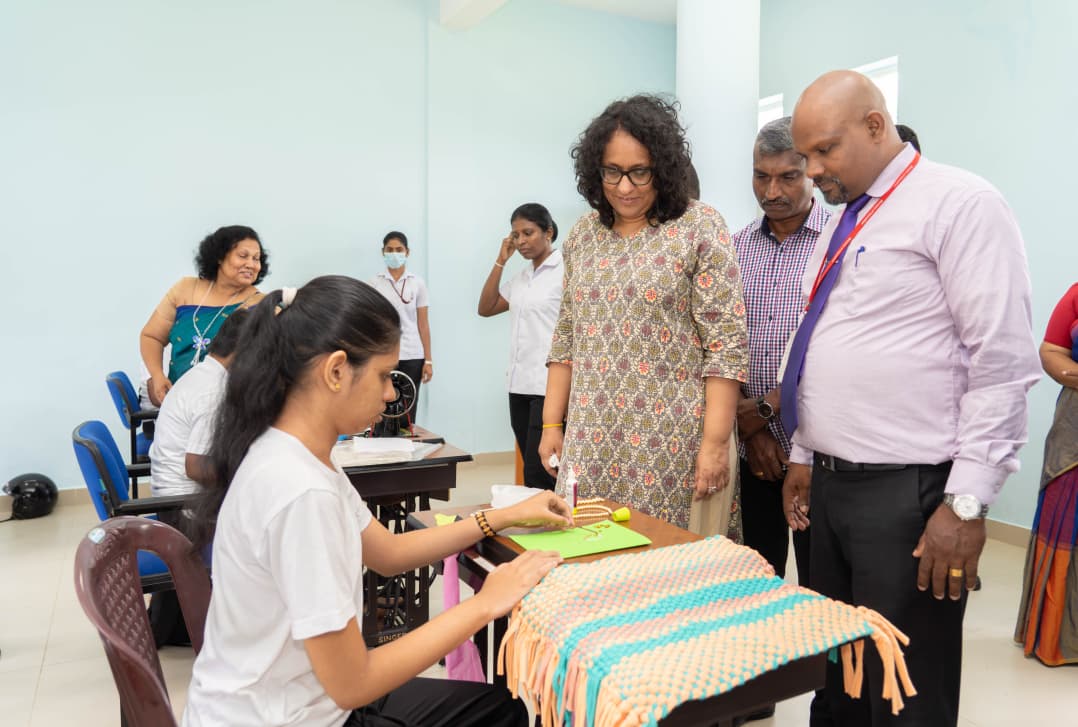
Prime Minister Dr. Harini Amarasuriya stated that, given their particular vulnerability children with disabilities require protection, and stressed the need to foster social awareness to protect them from negative social influences while promoting their physical and mental well-being. She emphasized the need to implement awareness programmes for parents, teachers and other members of society towards this end.
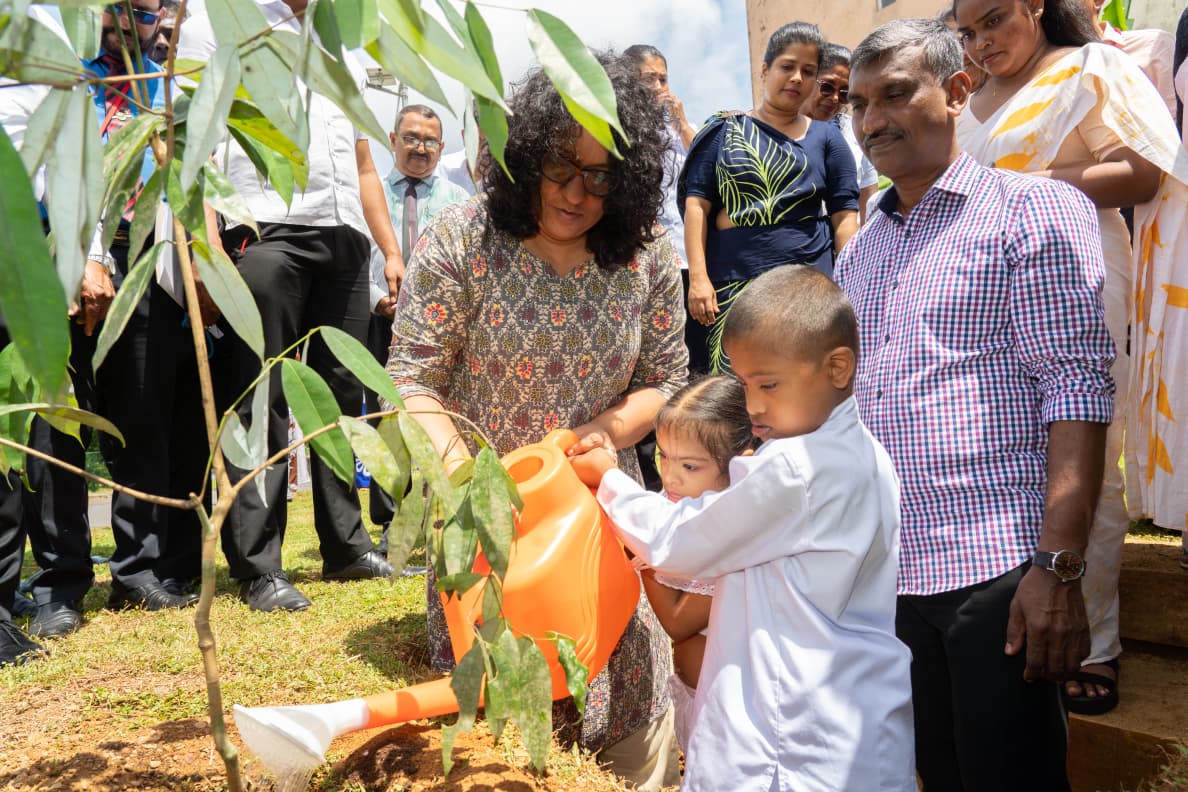
The Prime Minister made these remarks on Tuesday [August 25] while visiting and observing the National Institute of Special and Inclusive Education – Shishyodaya, located in Veniwelkola.
The purpose of the Prime Minister’s visit was to observe the institutional structure and gain an understanding of the areas that require further development.
The Prime Minister emphasized that a systematic mechanism should be established to transform the institution, which was established in 2019 outside the basic standards and plans for Inclusive Education, into an institution that provides quality education to children and fulfills the targeted objectives of inclusive education. She also proposed appointing a special committee to make the necessary recommendations in this regard.
The Prime Minister further stated that steps would be taken in coordination with the Ministry of Health to address the shortage of therapists and medical professionals required to provide clinical services to students at the institution. She also stressed that the maintenance of equipment and buildings should be carried out properly using the financial allocations provided for such purposes.
The Prime Minister further noted that finding sustainable solutions to the issues faced by the institution is essential, while immediate interventions should be made to address issues that can be resolved without delay. The welfare of the teachers serving at the institution was also discussed during the visit.
Member of Parliament Anura Panagoda, Chairman of the Homagama Pradeshiya Sabha Kasun Rathnayake, Secretary to the Ministry of Education, Higher Education and Vocational Education Nalaka Kaluwewa, ministry officials, parents and students were present.
[Prime Minister’s Media Division]

By Shamindra Ferdinando
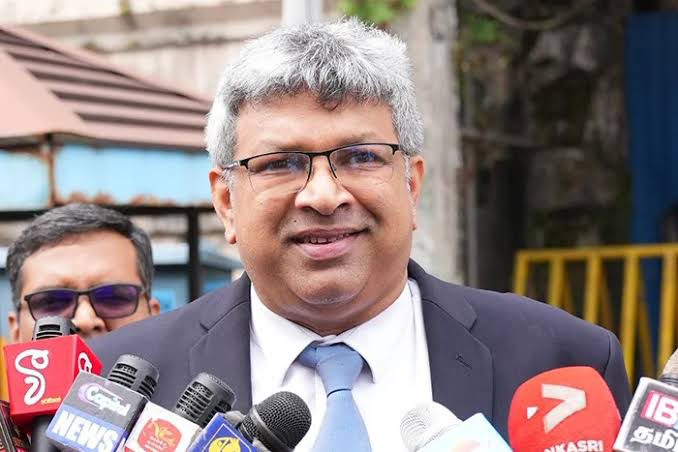
Justice and National Integration Minister Harshana Nanayakkara said yesterday that the government would proceed with both the 22nd Amendment to the Constitution, and the Judicature (Amendment) Bill, because the government could not achieve its goal by increasing the retirement ages of a section of the judges.
The Attorney-at-Law declared that the government would go ahead with both Bills, whatever the obstacles. The Minister was responding to The Island query whether the government would go ahead with the Judicature (Amendment) Bill that hadn’t been so far challenged in the Supreme Court, pending the decision on the controversial 22nd Amendment facing tough legal challenge.
Nanayakkara emphasised the importance of the enactment of both Bills. The 22nd Amendment seeks to increase the retirement ages of Supreme Court judges to 67 from 65 and Court of Appeal judges from 63 to 65. The Judicature (Amendment) Bill seeks to increase the retirement ages of the High Court judges to 63 from 61, and that of the District court judges and and Magistrates to 62.
Minister Nanayakkara said that the enactment of both Bills simultaneously would make a significant contribution to improve the overall situation, particularly dealing with a backlog of 1.1 million cases.
Joint Opposition and the Bar Association of Sri Lanka (BASL), too, acknowledged that petitions against the Judicature (Amendment) Bill were yet to be filed.
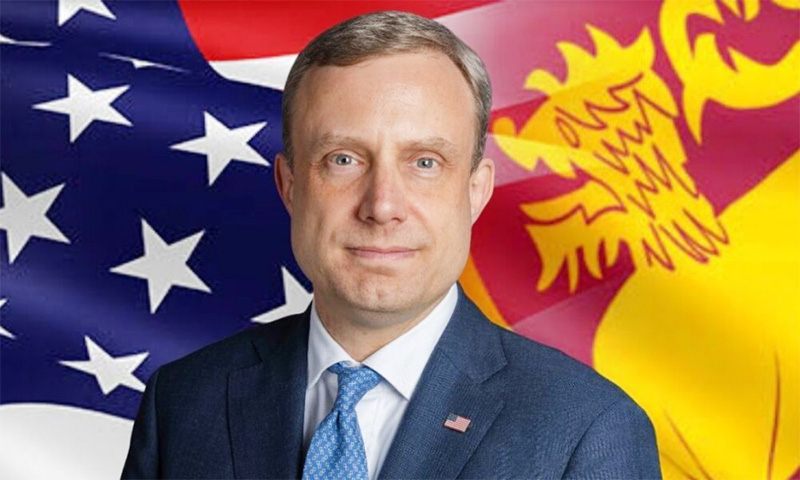
U.S. Ambassador-designate Eric Meyer arrived in Colombo on the evening of August 22, 2026, to assume duties as his country’s next Ambassador to Sri Lanka., the embassy said.
Ambassador-designate Meyer expressed his enthusiasm for the opportunity to serve as the 29th U.S. Ambassador to Sri Lanka, stating: “It is an honour to represent the United States in Sri Lanka. I look forward to building on the strong foundation between our two democracies to advance a U.S.-Sri Lanka partnership that creates new opportunities for American businesses, furthers our shared security interests, and delivers greater prosperity for both Americans and Sri Lankans.”
Prior to his assignment in Sri Lanka, he served as Chargé d’Affaires, a.i., at the U.S. Mission to Norway and, before that, as Senior Bureau Official for the Bureau of South and Central Asian Affairs at the Department of State.

We must create social awareness to ensure the physical and mental well-being of children with disabilities – PM

BCCI AGM set for September 18 in Mumbai

Three franchises sold in Afghanistan Premier League T20

Showers above 75 mm are likely at some places in the Western, Sabaragamuwa and North-western provinces and in Kandy, Nuwara-Eliya, Galle and Matara districts

Govt. determined to press ahead with 22A: Justice Minister

U.S. Ambassador designate to Sri Lanka Eric Meyer here

‘Dates have the highest sugar content to fight Coronavirus’

Sunday Island 27 December – Headlines

#SundayIsland 17th December – Headlines

Sunday Island – 28th March

Sunday Island Headlines – 21 March

Sunday Island – 21st February – Headlines
-
 News5 days ago
Country’s first woman Surveyor General appointed
-

 Business4 days ago
SriLankan Airlines makes ShakthiSAT Mission possible for talented Sri Lankan student
-

 Sports6 days ago
Tharanga, Weber headline stellar Lausanne javelin field
-

 Features5 days ago
Medical education in Sri Lanka: Then and now
-
 Business6 days ago
Mannar’s offshore opportunity: the dollar question behind Sri Lanka’s oil and gas search
-
 Latest News5 days ago
Imran Khan moved to private hospital amid deteriorating health
-
 Latest News5 days ago
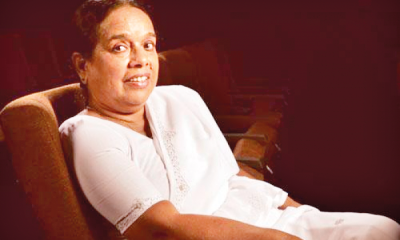
Government has declared 21, 22 and 23 August 2026 as national days of mourning
-
Latest News4 days ago
Tharanga edges out Chopra in 88m javelin battle