
News
Lanka’s top spy addresses UN confab, highlights global threat landscape

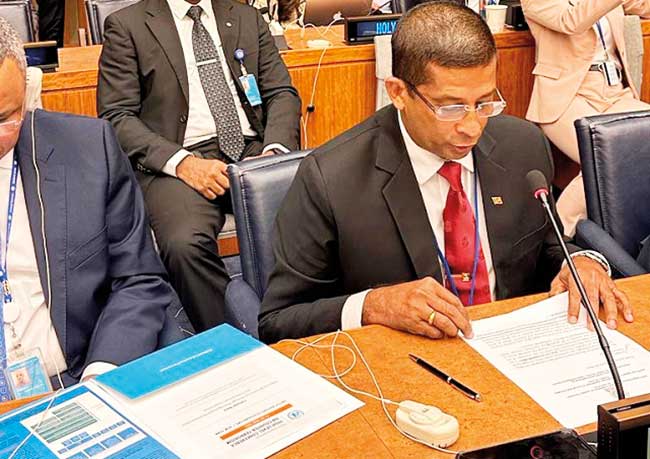
In a compelling speech delivered at the Third United Nations High-Level Conference on Counter-Terrorism, Major General Suresh Sallay, Director of the State Intelligence Service in Sri Lanka, highlighted the evolving global threat landscape and the imperative need for enhanced international cooperation to address the challenges ahead. The conference, organized by the UN Office of Counter Terrorism, aimed to build upon previous conferences and foster a multilateral response to combat terrorism effectively.
Major General Sallay expressed gratitude to the UN Office of Counter Terrorism for convening the conference and recognized its overall efforts in addressing the evolving threat to global peace and security. He emphasized the rapidly changing world, where security challenges are shaped by technological advancements and sociological developments. Major General Sallay identified five key categories of security challenges: geopolitical conflicts, economic factors, environmental concerns, societal issues, and technological advancements.
Geopolitical conflicts were identified as serious threats to international security. Major General Sallay noted that increasing tensions between powerful countries could lead to more frequent conflicts in various regions, allowing non-state actors to exploit the resulting fragile environment. These conflicts pose a significant risk to global stability and demand proactive measures.
The analysis of modern-day security challenges revealed the interrelation and connectivity between transnational organized crime, terrorism, extremism, and evolving technologies. Terrorism and extremism emerged as grave challenges, undermining stability, affecting social trust, and disrupting peace across the globe. Major General Sallay drew attention to the horrific acts of violence that have claimed innocent lives and disrupted communities worldwide.
Furthermore, the scourge of drugs and organized crimes continues to plague societies, perpetuating violence, corruption, and instability. Major General Sallay emphasized the interconnected nature of criminal enterprises that transcend borders and jurisdictions, necessitating a comprehensive and cooperative approach to combat these threats effectively.
Technological advancements have also presented significant challenges to both domestic and international security. Major General Sallay highlighted the rise of cyber threats, which exploit vulnerabilities in digital systems, posing a substantial risk in the digital age. Artificial intelligence, disruptive technologies, and the spread of misinformation were identified as emerging areas with unexpected outcomes in terms of security threats.
Major General Sallay stressed the role of social media and digital platforms in radicalization, extremism, and terrorism. Recent attacks, including those experienced by Sri Lanka, have demonstrated the power of these platforms in perpetuating violence and posing serious threats to international security. The use of sophisticated software to manipulate social networks and influence populations, politicians, and target groups has undermined trust in governments and challenged democratically elected governments.
Looking ahead, Major General Sallay highlighted the need for unwavering attention to mitigate these rising threats. Recognizing that no nation can effectively confront these challenges alone, he emphasized the importance of enhancing intelligence capabilities, fostering security cooperation, and reinvigorating multilateralism. Sri Lanka pledged its commitment to cooperate with the UN Office of Counter Terrorism and strengthen international counter-terrorism efforts. Major General Sallay also expressed the importance of regulating the use of social media platforms by extremist elements to curb their propaganda dissemination.
In summary, Major General Suresh Sallay’s speech during the UN High-Level Conference on Counter-Terrorism brought attention to the urgent security challenges confronting the international community. Sri Lanka reaffirmed its unwavering commitment to combat terrorism, strengthen intelligence networks, and align with the objectives of the UN Global Counter-Terrorism Strategy. Emphasizing the importance of mutual respect, understanding, and shared interests, Sri Lanka underscored the significance of collaborative endeavours to effectively address the evolving threats and safeguard global peace and security. (slguardian.org)


Quarantine and Prevention of Diseases Ordinance No. 3 of 1897 is the principle law that regulates the prevention of the spread of communicable diseases and the implementation of quarantine measures.
However, at present, it has been observed that the risk of spreading communicable diseases across borders have significantly increased due to considerable increase in the
international and domestic movement of persons, goods, and services and frequent international travel and trade have led communicable diseases spread rapidly between countries.
Accordingly, although cabinet approval was granted in the 2016 to amend the Quarantine and Prevention of Diseases Ordinance No. 3 of 1897, the relevant amendment bills have not been presented to Parliament.
Therefore, as per the proposal made by the Minister of Health and Mass Media, the Cabinet of Ministers has approved the appointment of a Review Committee to study the amendment bill that has been prepared and propose suitable amendments to meet the current health challenges as well as challenges that may arise in the future, taking into consideration the experience obtained during the epidemic situations that have occurred in the past.
The Cabinet of Ministers granted approval to the proposal submitted by the President to make a donation of United States Dollars One million as humanitarian and economic relief to the government of Nepal
Latest News
Sun directly overhead Kalpitiya, Talawa, Sinharagama, Galkadawala, Nachchaduwa, Padikaramaduwa, Gomarankalla and Verugal about 12.10 noon today (01)


The sun is going to be directly over the latitudes of Sri Lanka from 28th of August to 07th of September due to its apparent southward relative motion.
The nearest places of Sri Lanka over which the sun is overhead today (01) are Kalpitiya, Talawa, Sinharagama, Galkadawala,
Nachchaduwa, Padikaramaduwa, Gomarankalla and Verugal about 12.10 noon.

Amendment of the Quarantine and Prevention of Diseases Ordinance No. 3 of 1897
Cabinet approves donation of USD One Million to the Government of Nepal

Nahida, Marufa help Bangladesh brush aside Indonesia

Showers will occur in the Western, Sabaragamuwa, Southern and Uva provinces and in Kandy and Nuwara-Eliya districts

Sun directly overhead Kalpitiya, Talawa, Sinharagama, Galkadawala, Nachchaduwa, Padikaramaduwa, Gomarankalla and Verugal about 12.10 noon today (01)

SJB asks what Speaker intended to do about allegations against CJ

‘Dates have the highest sugar content to fight Coronavirus’

Sunday Island 27 December – Headlines

#SundayIsland 17th December – Headlines

Sunday Island – 28th March

Sunday Island Headlines – 21 March

Sunday Island – 21st February – Headlines
-

 News5 days ago
Eight politicians in drug kingpin probe
-

 Features3 days ago
“Wrap Me Up in My Blazer”— A Gentlemanly Bradby Reminiscence
-

 Business5 days ago
Sri Lanka opens up: A new season of direct connectivity
-

 Features5 days ago
Redefining ageing in Sri Lanka
-
 Features7 days ago
Insights from Chieftains of Uva: Genealogy of two Kandyan Families – Part II
-
 Latest News5 days ago
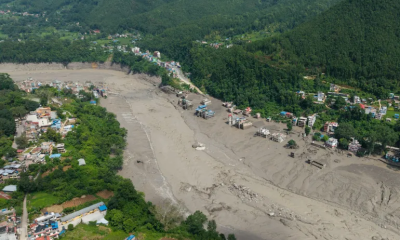
Nepal-Tibet floods: What happened, what caused them and who is missing?
-

 Editorial7 days ago
Warning of power cuts: El Niño and corruption
-

 Features7 days ago
Export diversification: Missing the wood for the trees – Part I