
News
Kanchana urged to review proposed power sector reforms to avert disastrous consequences

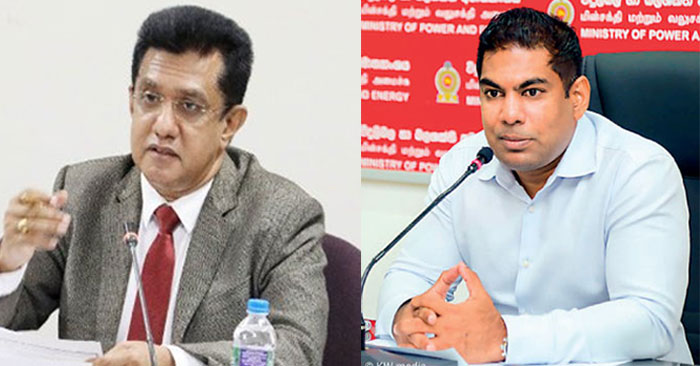
Dissident SLPP lawmaker Charitha Herath has urged Power and Energy Minister Kanchana Wijesekera to review the proposed power sector reforms. The MP warned of dire consequences unless the Power Sector Reforms Secretariat Office addressed the vital issues before undertaking far reaching reforms.
The following is the text of SLPP National List MP’s letter addressed to Minister Wijesekera: “The power sector in Sri Lanka has been undergoing substantial reforms since the early 2000s, aiming to enhance efficiency, foster competition, reduce costs and promote the utilisation of clean energy resources. A recent milestone in this ongoing transformation occurred when the Cabinet of Ministers approved a proposed electricity bill put forth by the Ministry of Power. This Bill was officially gazetted on December 08, 2023, with its primary objective being the facilitation of the unbundling of services provided by the Ceylon Electricity Board (CEB) and the subsequent restructuring of the CEB. Pending approval by the Parliament, the enactment of the new Electricity Act is anticipated, serving as a pivotal step to realize the envisioned reforms outlined in this proposed Bill.
A robust evaluation of the proposed power sector reforms in Sri Lanka is imperative and should encompass comprehensive studies, including technical, economic sensitivity, and risk analyses. These assessments play a crucial role in gauging the potential impact and outcomes of anticipated reforms in a vital sector like electricity. Regrettably, no analysis reports accompanying the proposed Bill or emerging during the recent process have been observed. It is essential that thorough and transparent assessments are conducted to ensure the effectiveness and sustainability of the envisaged reforms in this critical sector.
I strongly advocate for a thorough review of analysis reports before determining critical timelines, attributes, and policy decisions associated with the electricity reform process. Several concerns have been identified:
1. Ministerial Authority: There is concern over the potentially disproportionate authority granted to the Minister.
2. Disparities in Objectives: Notable disparities between the objectives outlined in the report of the Cabinet-appointed committee and the Act are observed.
3. Selection Mechanism Transparency: The proposed mechanism for selecting and appointing individuals to institutions lacks professionalism and transparency.
4. Rigid Timelines: The reform timelines appear aggressive, providing limited flexibility for necessary corrections.
5. Automatic Activation Challenges: Automatic activation of Act provisions may hinder changes in government policy without amending the Act.
6. Harmony with Existing Acts: Lack of harmony with other Acts, such as the Sri Lanka Sustainable Authority Act No.35 of 2007, raises concerns of potential overlap of powers and obligations.
7. Least Cost Principle: The least cost principle is not ensured, having been replaced with ‘at least at economic cost,’ which includes externalities.
8. Asset Transfer Clarity: The transfer of CEB assets, particularly ownership of the National Grid, lacks clear definition, with clarity restricted to the ownership of Generation Entities’ assets.
9. Regulator Independence: The Minister’s ability to provide guidelines without restrictions poses a potential challenge to the independence of the Regulator.
10. Regulator Funding: The independence of the Regulator is further threatened due to inadequate authorities provided and the absence of a defined annual levy for licensees to pay to the Regulator.
11. Ministerial Authority on Policy Guidelines: Sole authority of the Minister to issue policy guidelines preventing monopolies, anti-competitive practices, collusion, abuses of a dominant position, and resultant merger situations is a point of concern.
12. Ministerial Discretion on Incentives: Ministerial discretion to grant incentives for private sector investments in Renewable Energy and other technologies warrants careful examination.
13. Dispute Resolution and Customer Safety: Lack of provisions for dispute resolution and customer safety is a notable gap.
14. Consumer Protection: The absence of provisions for Consumer Protection throughout the Act is a matter of concern.
15. Stakeholder Consultation: Optional stakeholder consultation for the preparation of Transfer Plans by the Power Sector Reform Secretariat raises questions regarding inclusivity.
16. CEB-Owned Subsidiaries: No mention of CEB-owned subsidiaries anywhere in the Act requires clarification.
Given the significance of these concerns, I urge your attention to address these issues for the betterment of the proposed reforms. A more comprehensive and transparent approach will ensure the successful realization of the intended objectives and foster public confidence in the transformative changes to our electricity sector.”







Approval has been granted at the Cabinet meeting held on 22.07.2024 to publish the draft bill of State Assets Management Act in the government gazette notification and thereby present it to the Parliament for its concurrence.
However, the draft bill couldn’t be passed in Parliament as a result of the Parliament being dissolved in the month of October 2024.
Thereafter, the draft bill was subject to further inspection by a
committee appointed which comprised of officials and authorities on the subject.
The said Committee has recognized the amendments to be made and a fundamental draft has been prepared including the proposed amendments.
Accordingly, the Cabinet of Ministers approved the resolution furnished by the President in his capacity as the Minister of Finance, Planning and Economic Development to suspend further activities regarding the draft bill of State Assets Management Act published in the extraordinary gazette of 02.08.2024, and to direct the Legal Draftsman to prepare a draft bill based on the fundamental draft prepared by the subject specialists’ committee.
Considering the compliance of the Cooperative Societies’ operations with the concurrent socio – economic circumstances as well as the changes in the common law, the requirement of amending the Cooperative Employees Commission Act No. 12 of 1972 has been recognized.
A fundamental draft including proposed amendments based on the experience gained by that Commission as well as the opinions and proposals of Cooperative societies, their director board members, cooperative employees and other interested parties has been prepared.
Accordingly, the Cabinet of Ministers granted approval to the resolution furnished by the Minister of Trade, Commerce, Food Security and Cooperative development to provide instructions to the Legal draftsman to prepare a draft bill to amend the Cooperative Employees Commission Act No. 12 0f 1972, based on the said fundamental draft.
Latest News
Dilki Wathsala Marambage appointed as Director General of the Department of Technical Education and Training

The Cabinet of Ministers granted approval to the proposal forwarded by the Prime Minister in her capacity as the Minister of Education, Higher Education and Vocational Education to appoint Mrs. Dilki Wathsala Marambage to the post of Director General of the Department of Technical Education and Training.

Cabinet approves redrafting of State Assets Management Act
Cooperative Employees Commission Act No. 12 of 1972 to be amended
Dilki Wathsala Marambage appointed as Director General of the Department of Technical Education and Training
Declaration of Naakolagane Sanctuary under the Fauna and Flora Protection Ordinance
Cabinet approves transfer and maintenance of selected roads presently under PC’s and Local Authorities to the RDA
Obtaining financial facilities for the Water Supply and Sanitation Improvement Program (Sub-program 2) from the ADB

‘Dates have the highest sugar content to fight Coronavirus’

Sunday Island 27 December – Headlines

#SundayIsland 17th December – Headlines

Sunday Island – 28th March

Sunday Island Headlines – 21 March

Sunday Island – 21st February – Headlines
-

 Features6 days ago
The Sri Lankan who made Scottish history
-

 Sports6 days ago
Nissanka absence opens door for Sri Lanka’s young guns
-

 News5 days ago
NDB fraud Rs 60mn more than reported
-

 News7 days ago
Gnansara Thera to be assigned to prison printing section: Officials
-

 News5 days ago
Removing monk’s robes matter for Sangha to decide: Mahanayake Theras
-
 News7 days ago
OIC of FCID summoned before Maligakanda Magistrate
-

 Features6 days ago
Future of Sri Lanka’s state university system: Should it be shut down and reopened?
-
 News6 days ago
Shiranthi R remanded until 13 Oct.