
Opinion
Influenza or ‘flu’ in children

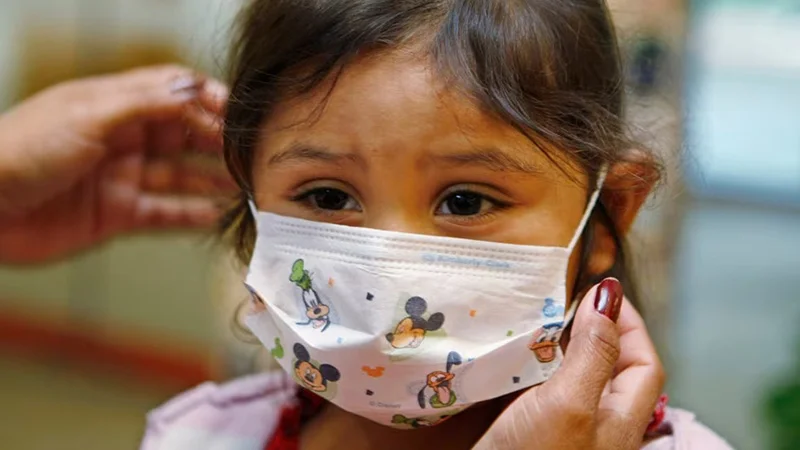
Influenza, commonly known as the flu, is a highly contagious respiratory illness caused by influenza viruses. For most healthy adults, it is a miserable but temporary inconvenience. However, for children, especially those under the age of five, the flu can be a serious problem that may lead to hospitalisation, the occurrence of significant complications and in some unfortunate cases, even death. Understanding some of the variegated features of this widespread virus disease, its history, symptoms, treatment, and, most importantly, prevention, is crucial for parents and caregivers. This is especially so as there are increasing numbers of influenza cases in the government and private medical institutions at present. This piece is presented as an item of health education for the general public to facilitate proper management of the disease.
While influenza is perhaps a persistent threat today, history shows that it has caused devastating pandemics throughout several centuries. Hippocrates, the ancient Greek physician, affectionately known as the Father of Medicine, described a flu-like illness as far back as 412 BCE. However, our modern understanding of the disease took shape much later. For many years, the cause was mistakenly thought to be a bacterium. It was not until the 1930s that British researchers successfully isolated and identified the influenza virus itself. This breakthrough paved the way for the development of effective vaccines.
The most notorious chapter in influenza history is the 1918 “Spanish Flu” pandemic, caused by a particularly virulent H1N1 strain. It infected an estimated one-third of the world’s population and is believed to have killed between 20 to 50 million people globally, the exact number varying according to several reports. Since then, other pandemic strains have emerged, such as the 1957 “Asian Flu” (H2N2) and the 1968 “Hong Kong Flu” (H3N2), reminding us of the virus’s continuous transformations into many an evolving threat. Modern surveillance and vaccination efforts have significantly reduced the devastation seen in previous centuries, but the seasonal flu remains a major public health concern, especially for vulnerable populations like children.
Influenza in children often differs a little from the presentation in adults. While a common cold usually develops slowly with a stuffy nose and mild cough, the flu tends to strike suddenly and severely. The classic symptoms of the flu in children include high fever, which often reaches 103°F (39.4°C) or higher. It is accompanied by chills with a feeling of being cold, shivering and then by profuse sweating. Many children complain of headaches and rather severe body aches, contributing to the child’s overall misery. Some children feel severely fatigued and sort of run down and tired for a week or more. Many affected children have sore throats, and a dry cough is generally seen in a significant number of affected children. Unlike adults, children are more likely to experience gastrointestinal problems like nausea, vomiting, and diarrhoea with the flu. In infants and toddlers, symptoms may be less specific, and they might just be irritable, fussy, refuse to eat, and have an unexplained high fever.
Flu can turn into a more serious problem with the development of some complications. While most healthy children recover within a week, the flu can lead to serious complications, particularly in those under age two and those with underlying health conditions like asthma, diabetes, heart disease, or neurological disorders.
The most common and dangerous complications include:
* Pneumonia: A severe lung infection that can be caused either by the influenza virus itself or by a secondary bacterial infection, which often sets in after the flu has weakened the immune system.
* Ear Infections (Otitis Media) and Sinus Infections.
* Croup or Bronchiolitis: Inflammation of the larynx and the airways, which can make breathing difficult, especially in young children.
* Febrile Seizures: Fits triggered by fever in children who have the constitutional tendency to have them, as seen in some young children.
Less common but more severe complications, too, could occur. In those somewhat rare situations, the flu can cause inflammation of the heart (myocarditis) or the brain (encephalitis), or it can trigger Reye’s syndrome, a severe condition causing swelling of the liver and brain, often linked to giving aspirin to children with viral illnesses.
It is crucial to seek urgent medical care if your child exhibits emergency warning signs, such as difficulty in breathing or shortness of breath, blueish or greyish skin colour, refusing to drink fluids leading to dehydration, severe or persistent vomiting, being hard to wake up or interacting little, or having a seizure.
Since the flu is caused by a virus, antibiotics are completely ineffective unless a secondary bacterial infection, like bacterial pneumonia or an ear infection, is diagnosed.
For most children with uncomplicated flu, treatment focuses on relieving symptoms and supporting recovery:
* Rest: Plenty of rest is essential.
* Fluids: Encourage frequent intake of clear fluids to prevent dehydration.
* Fever and Pain Management: Use Paracetamol in a dosage of 10 to 15 mg per kilogram of body weight. This range is given to allow the parents to select the dose appropriate to the severity of the symptoms.
* The use of NSAIDs like Aspirin, Ibuprofen, Naproxen, Mefenamic acid, and Diclofenac are discouraged, however high the fever goes, as these drugs may trigger some complications.
In certain cases, a doctor may prescribe antiviral medications. These drugs, like oseltamivir, work by attacking the influenza virus and stopping it from multiplying. It can shorten the duration of flu symptoms and reduce the risk of serious flu complications. It is essential to point out that antivirals are most effective when started within 48 hours of the onset of symptoms in cases scientifically proven to be due to the influenza virus. They are typically reserved for children who are hospitalised with the flu or those who are severely ill or progressing rapidly, and children who are at a higher risk for flu complications, even if symptoms started more than 48 hours ago. This includes all children under 2 years of age and those with chronic medical conditions. It must be strongly stated that antiviral drugs should not be used as a blanket treatment for fevers even vaguely suggestive of influenza. Those medications are not a panacea for all ills in flu. Ideally, there must be a definitive diagnosis with laboratory confirmation of the disease before using these drugs. Aimless usage of these drugs haphazardly is one sure way to produce antimicrobial resistance to these drugs.
Yet for all these considerations, the most effective way to protect children from the flu and its complications is through annual vaccination. The flu shot is recommended for all children 6 months of age and older in the affluent Western countries.
Influenza viruses are unique because they constantly change, or ‘drift,’ which means the strains circulating one year may be different from the strains circulating the next year. This constant evolution is why a new flu vaccine must be developed and administered every year. The vaccine is designed to stimulate the immune system to produce antibodies against the specific strains predicted to be most common during the upcoming flu season.
The world has two primary influenza seasons:
* Northern Hemisphere: Flu season runs roughly from October to May. The World Health Organisation (WHO) and other bodies issue vaccine recommendations for this hemisphere in February/March, based on surveillance data from the previous year and the ongoing global situation.
* Southern Hemisphere: Flu season runs roughly from May to September. Vaccine recommendations for this hemisphere are issued in September/October.
The two regions require different vaccines because their flu seasons are six months apart. Scientists in the Northern Hemisphere can often look to the flu season that just occurred in the Southern Hemisphere to see which strains were dominant. This is called using the “Southern Hemisphere experience” to help predict and match the strains for the Northern Hemisphere vaccine, and vice versa.
Flu vaccine effectiveness can vary from season to season, but typically ranges from 40% to 60% when the vaccine strains are a good match for the circulating viruses. It is important to understand what this means: the protection is NOT 100%, but getting the vaccine significantly lowers the risk of getting the flu. Even if a vaccinated person still catches the flu, the vaccine is proven to reduce the severity of the illness, decrease the likelihood of complications, and lower the risk of hospitalisation and death. The vaccine essentially gives the child’s immune system a head start in fighting the infection.
Influenza in children is a somewhat serious infection that demands parental vigilance and, ideally, preventative action. Vaccination remains the single most powerful tool we have to protect our children and the wider community from the seasonal flu’s potentially severe consequences. By understanding the symptoms, knowing when to seek help, and making the decision to vaccinate annually, we can all become effective “flu fighters.”
(The assistance provided by Artificial Intelligence (AI) in compiling this article is acknowledged.)
 Dr B. J. C. Perera
MBBS(Cey), DCH(Cey), DCH(Eng), MD(Paediatrics), MRCP(UK), FRCP(Edin), FRCP(Lond), FRCPCH(UK), FSLCPaed, FCCP, Hony. FRCPCH(UK), Hony. FCGP(SL)
Specialist Consultant Paediatrician and Honorary Senior Fellow, Postgraduate Institute of Medicine, University of Colombo, Sri Lanka.

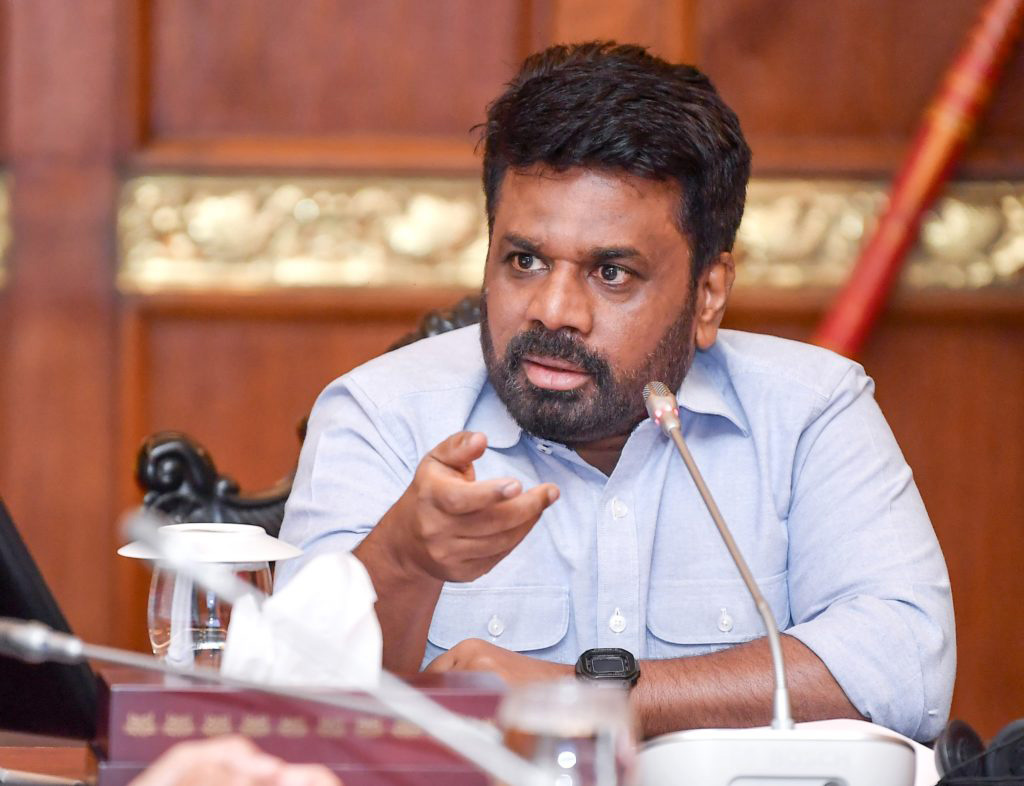
President Anura Kumara Dissanayake should listen at least to the views of the Mothers’ Front on proposed educational reforms.
I was listening to the apolitical views expressed by the mothers’ front criticising the proposed educational reforms of the government and I found that their views were addressing some of the core questionable issues relevant to the schoolchildren, and their parents, too.
They were critical of the way the educational reforms were formulated. The absence of any consultation with the stakeholders or any accredited professional organisation about the terms and the scope of education was one of the key criticisms of the Mothers’ Front and it is critically important to comprehend the validity of their opposition to the proposed reforms. Further, the proposals do include ideas and designs borrowed from some of the foreign countries which they are now re-evaluating in view of the various shortcomings which they themselves have encountered. On the subject, History, it is indeed unfortunate that it has been included as an optional, whereas in many developed countries it is a compulsory subject; further, in the module the subject is practically limited to pre-historic periods whereas Sri Lanka can proudly claim a longer recorded history which is important to be studied for the students to understand what happened in the past and comprehend the present.
Another important criticism of the Mothers’ Front was the attempted promotion of sexuality in place of sex education. Further there is a visible effort to promote trans-gender concepts as an example when considering the module on family unit which is drawn with two males and a child and two females and a child which are nor representative of Sri Lankan family unit.
Ranjith Soysa
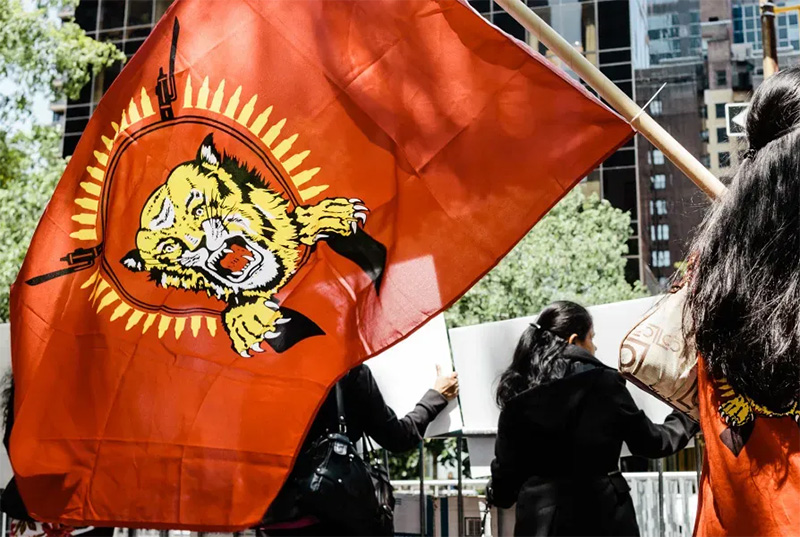
When the LTTE massacred people, mostly Sinhalese Buddhists, government leaders never claimed that the Tamil community, which the LTTE claimed to represent, was driven by hatred. That restraint mattered. That is why it was outrageous to hear President Anura Kumara Dissanayake tell Tamils that Buddhists visiting the North to worship were doing so out of spite. If reports are accurate, the President also declared that we needed a prosperous nation free of racism and united in spirit. Yet, in the same breath he sowed seeds of division recklessly.
Had he spoken in Tamil or English, some might have dismissed it as a slip of the tongue. But in Sinhala, the words carried unmistakable intent. Who could have expected such divisive rhetoric to come from the head of a nation now enjoying fragile coexistence, after enduring a 30‑year war and two insurrections that devastated the economy?
A Ratnayake

The Island editorial, dated 22 January, 2026, under the title ‘Conspiracy to subvert constitutional order,’ is an eye-opener to those who supported the so-called Äragalaya in July 2022 and those who voted to bring the current regime into power with various positive expectations, including ‘ a system change’. ( https://island.lk/conspiracy-to-subvert-constitutional-order/ )
The editorial highlighted, with irrefutable evidence, how a foreign diplomat and a group of Sri Lankans, consisting of some religious leaders (a Buddhist monk, some Catholic priests) and a trade unionist, made a blatantly illegal bid to pressure the then Speaker Mahinda Yapa Abeywardena to take over the executive presidency in violation of the Constitution. The intention of the intimidator tactics was said to be to create in Sri Lanka a situation similar to that in Libya.
The editorial also mentioned how Minister K.D. Lal Kantha and his JVP attempted to lead the Aragalaya protestors to capture Parliament, but without success. Addressing a public rally, under the title ‘Let’s read Lenin’, a few days ago, Minister Lal Kantha has revealed that their planning was to follow what Lenin had said and done during the Russian revolution. Minister Lal Kantha said: “We do not have the power of the State although we managed to obtain the power of the Government. Hence, we are now engaged in the struggle to win the power of the State’’.
In a democratic society, there is a need to ensure maintaining Law and Order without any state interference. It looks like the intention of the Minister is to bring the Police, Armed Forces and the Judiciary, including all the State Services, under direct control of the ruling party, by filling those positions with JVP loyalists to suppress the opponents of the government.
There is also an attempt by the JVP-led forces to remove the Attorney General by making unsubstantiated allegations against him. As per a latest news item in The Island, under the title “Opposition slams sitting HC judge’s appointment as Justice Ministry additional Secretary”, is alleging President Anura Kumara Dissanayake of trying to control the judiciary by appointing a sitting High Court judge as Additional Secretary to the Justice and National Integration Ministry. (https://island.lk/opposition-slams-sitting-hc-judges-appointment-as-justice-ministry-additional-secretary/)
On the other hand, the ruling party is trying to appoint one of their cronies as Auditor General, possibly, to cover up a number of questionable deals made during the year they ruled and to ensure achieving the so-called power of the State.
Unless the people, especially those who naively dreamt of ‘a system change’, have a clear understanding of the ultimate goal and motives of the ongoing changes and take appropriate actions to protect their own democratic rights, they will be left with no other alternative but to live under a repressive government.
Sangadasa Akurugoda

Nipah virus outbreak in India triggers Asia airport screenings

India and EU announce landmark trade deal

Sri Lanka women to tour West Indies for ODI and T20I series in February-March 2026

Scotland bank on ICC assurances over Sharif visa after naming T20 World Cup squad

England bat, Sri Lanka bring back Wanindu Hasaranga

Don Bradman baggy green sold for AU$460,000

‘Dates have the highest sugar content to fight Coronavirus’

Sunday Island 27 December – Headlines

#SundayIsland 17th December – Headlines

Sunday Island – 28th March

Sunday Island Headlines – 21 March

Sunday Island – 21st February – Headlines
-
 Business2 days ago
ComBank, UnionPay launch SplendorPlus Card for travelers to China
-

 Business3 days ago
ComBank advances ForwardTogether agenda with event on sustainable business transformation
-

 Opinion6 days ago
Remembering Cedric, who helped neutralise LTTE terrorism
-

 Business6 days ago
CORALL Conservation Trust Fund – a historic first for SL
-
 Opinion3 days ago
Conference “Microfinance and Credit Regulatory Authority Bill: Neither Here, Nor There”
-

 Opinion5 days ago
A puppet show?
-

 Opinion2 days ago
Luck knocks at your door every day
-

 Features7 days ago
The middle-class money trap: Why looking rich keeps Sri Lankans poor