
Foreign News
India-US sign 10-year defence pact amid tariff turmoil

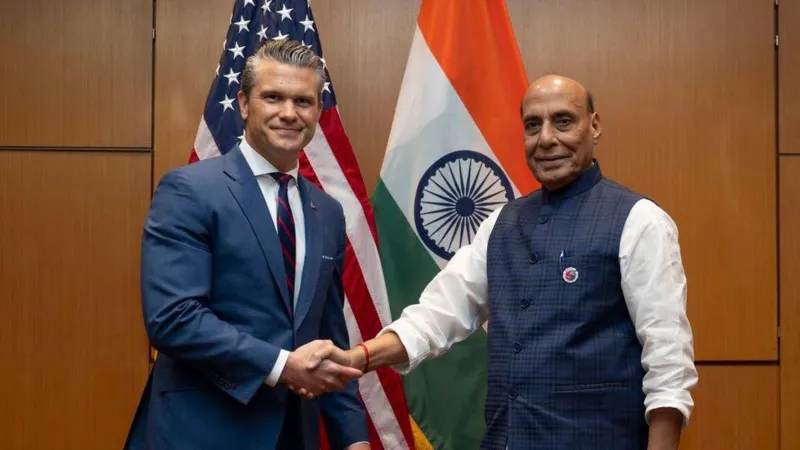
India and the US have signed a framework agreement to expand defence cooperation over the next 10-years.
The pact was announced after a meeting between US Defence Secretary Pete Hegseth and his Indian counterpart Rajnath Singh in Kuala Lumpur.
The agreement will enhance “coordination, information sharing and tech cooperation” and advance “regional stability and deterrence”, Hegseth said on X.
It comes as the two countries are trying to close a trade deal and tide over tense ties after US President Donald Trump slapped 50% tariffs on India, including a 25% penalty for buying Russian oil and arms..
The agreement is expected to provide policy direction to the entire spectrum of the India-US defence relationship.
“It is a signal of our growing strategic convergence and will herald a new decade of partnership. Defence will remain as a major pillar of our bilateral relations. Our partnership is critical for ensuring a free, open and rules-based Indo-Pacific region,” Singh said, in a post on X.
According to Pramit Pal Chaudhuri of the Eurasia Group think tank, the agreement was supposed to have been concluded in July-August this year, but India’s irritation at Trump’s statements about his role in ending the conflict with Pakistan led to it getting delayed.
The pact is the latest in a series of agreements between the two countries that have made it “easier for the two militaries to achieve interoperability, India to access technology and the two defence sectors to work together”, Mr Chaudhuri said.
“This provides for further potential in all three areas,” he added.
India and the US have been steadily ramping up their defence ties recently.
Defence was a major talking point between Indian Prime Minister Narendra Modi and Trump on the former’s visit to the US in February this year, withTrump saying the US would increase military equipment sales to India by many billions of dollars, ultimately paving the way to providing Delhi with F-35 stealth warplanes.
But since then, Delhi’s dependence on discounted Russian oil as well as its long-standing defence relationship with Moscow have been a major point of irritation for the Trump administration.
While Russia continues to be a major supplier of arms to India, its share of Indian defence imports has been steadily falling as Delhi seeks to diversify its portfolio and boost domestic capacity.
In recent months India has hinted that it would be open to increasing energy and defence purchases from the US.
The two countries are locked in high-stakes trade talks, aimed at reaching a long-awaited deal by November.
(BBC)

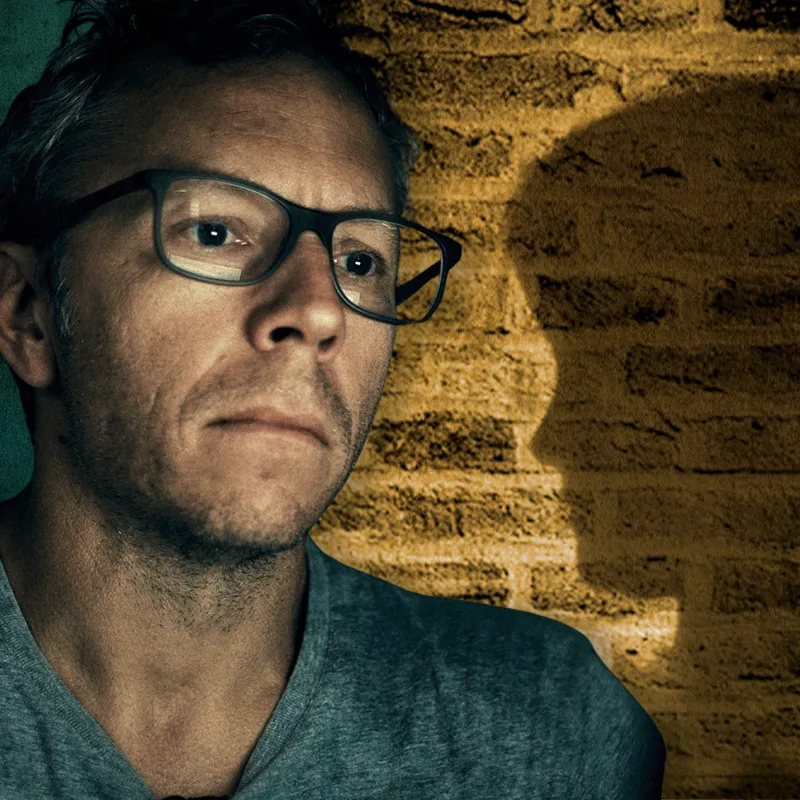
Specialist online investigator Greg Squire had hit a dead end in his efforts to rescue an abused girl his team had named Lucy.
Disturbing images of her were being shared on the dark web – an encrypted corner of the internet only accessible using special software designed to make owners digitally untraceable.
But even with that level of subterfuge, the abuser was conscious of “covering their tracks”, cropping or altering any identifying features, says Squire. It was impossible to work out who, or where, Lucy was.
What he was soon to discover was that the clue to the 12-year-old’s location was hidden in plain sight.
Squire works for US Department of Homeland Security Investigations in an elite unit which attempts to identify children appearing in sexual abuse material.
A BBC World Service team has spent five years filming with Squire, and other investigative units in Portugal, Brazil, and Russia – showing them solving cases such as that of a kidnapped and presumed-dead seven-year-old in Russia, and the arrest of a Brazilian man responsible for five of the biggest child-abuse forums on the dark web.
The unprecedented access shows how these cases are often cracked, not through state-of-the-art technology, but by spotting tiny revealing details in images or chat forums.
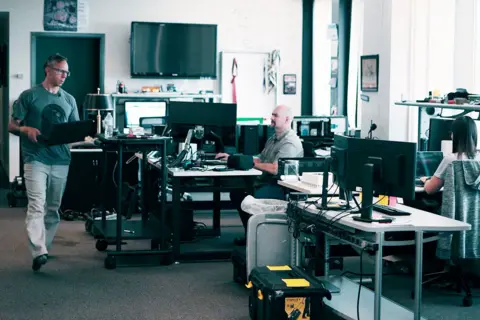
Squire cites Lucy’s case, which he tackled early in his career, as the inspiration for his long-term dedication.
He found it especially disturbing that Lucy was about the same age as his own daughter, and new photos of her being assaulted, seemingly in her bedroom, were constantly appearing.
Squire and his team could see, from the type of light sockets and electrical outlets visible in the images, that Lucy was in North America. But that was about it.
They contacted Facebook, which at the time dominated the social media landscape, asking for help scouring uploaded family photos – to see if Lucy was in any of them. But Facebook, despite having facial recognition technology, said it “did not have the tools” to help.
So Squire and his colleagues analysed everything they could see in Lucy’s room: the bedspread, her outfits, her stuffed toys. Looking for any element which might help.
And then they had a minor breakthrough. The team discovered that a sofa seen in some of the images was only sold regionally, not nationally, and therefore had a more limited customer base.
But that still amounted to about 40,000 people.
“At that point in the investigation, we’re [still] looking at 29 states here in the US. I mean, you’re talking about tens of thousands of addresses, and that’s a very, very daunting task,” says Squire.
The team looked for more clues. And that is when they realised something as mundane as the exposed brick wall in Lucy’s bedroom could give them a lead.
“So, I started just Googling bricks and it wasn’t too many searches before I found the Brick Industry Association,” says Squire.
“And the woman on the phone was awesome. She was like, ‘how can the brick industry help?'”
She offered to share the photo with brick experts all over the country. The response was almost immediate, he says.
One of the people who got in touch was John Harp, who had been working in brick sales since 1981.
“I noticed that the brick was a very pink-cast brick, and it had a little bit of a charcoal overlay on it. It was a modular eight-inch brick and it was square-edged,” he says. “When I saw that, I knew exactly what the brick was,” he adds.
It was, he told Squire, a “Flaming Alamo”.
“Our company made that brick from the late 60s through about the middle part of the 80s, and I had sold millions of bricks from that plant.”
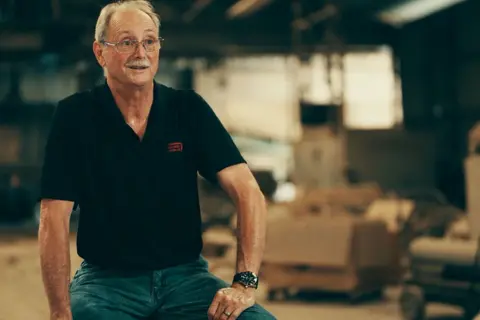
Initially Squire was ecstatic, expecting they could access a digitised customer list. But Harp broke the news that the sales records were just a “pile of notes” that went back decades.
He did however reveal a key detail about bricks, Squire says.
“He goes: ‘Bricks are heavy.’ And he said: ‘So heavy bricks don’t go very far.'”
This changed everything. The team returned to the sofa customer list and narrowed that down to just those clients who lived within a 100-mile radius of Harp’s brick factory in the US’ south-west.
From that list of 40 or 50 people, it was easy to find and trawl their social media. And that is when they found a photo of Lucy on Facebook with an adult who looked as though she was close to the girl – possibly a relative.
They worked out the woman’s address, and then used that to find out every other address connected with that person, and all the people they had ever lived with.
That narrowed Lucy’s possible address down further – but they didn’t want to go door to door, making enquiries. Get the address wrong, and they could risk the suspect being tipped off that he was on the authorities’ radar.
So Squire and his colleagues began sending photos of these houses to John Harp, the brick expert.
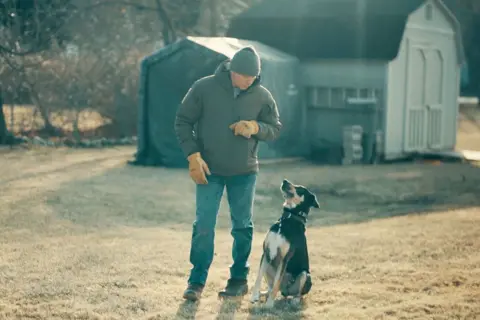
Flaming Alamos were not visible on the outside of any of the homes, because the properties were clad in other materials. But the team asked Harp to assess – by looking at their style and exterior – if these properties were likely to have been built during a period when Flaming Alamos had been on sale.
“We would basically take a screenshot of that house or residence and shoot it over to John and say ‘would this house have these bricks inside?'” says Squire.
Finally they had a breakthrough. They found an address that Harp believed was likely to feature a Flaming Alamo brick wall, and was on the sofa customer-base list.
“So we narrowed it down to this one address… and started the process of confirming who was living there through state records, driver’s licence… information on schools,” says Squire.
The team realised that in the household with Lucy was her mother’s boyfriend – a convicted sex offender.
Within hours, local Homeland Security agents had arrested the offender, who had been raping Lucy for six years. He was subsequently sentenced to more than 70 years in jail.
Brick expert Harp was delighted to hear Lucy was safe, especially given his own experiences as a long-term foster parent.
“We’ve had over 150 different children in our home. We’ve adopted three. So, doing that over those years, we have a lot of children in our home that were previously abused,” he said.
“What Squire’s team do day in and day out, and what they see, is a magnification of hundreds of times of what I’ve seen or had to deal with.”
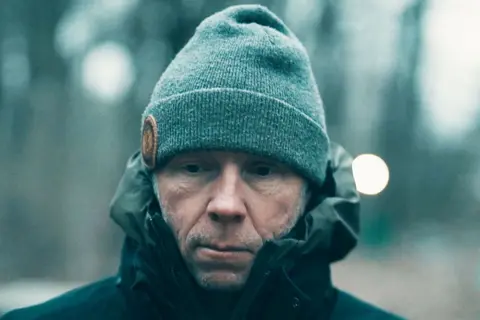
A few years ago, that pressure on Squire started to take a real toll on his mental health, and he admits that, when he wasn’t working, “alcohol was a bigger part of my life than it should have been”.
“At that point my kids were a bit older… and, you know, that almost enables you to push harder. Like… ‘I bet if I get up at three this morning, I can surprise a perpetrator online.’
“But meanwhile, personally… ‘Who’s Greg? I don’t even know what he likes to do.’ All of your friends… during the day, you know, they’re criminals… All they do is talk about the most horrific things all day long.”
Not long afterwards, his marriage broke down, and he says he began to have suicidal thoughts.
It was his colleague Pete Manning who encouraged him to seek help after noticing his friend seemed to be struggling.

“It’s hard when the thing that brings you so much energy and drive is also the thing that’s slowly destroying you,” Manning says.
Squire says exposing his vulnerabilities to the light was the first step to getting better and continuing to do a job he is proud of.
“I feel honoured to be part of the team that can make a difference instead of watching it on TV or hearing about it… I’d rather be right in there in the fight trying to stop it.”
Last summer Greg met Lucy, now in her 20s, for the first time.

She told him her ability to now discuss what she went through was testament to the support she has around her.
“I have more stability. I’m able to have the energy to talk to people [about the abuse], which I could not have done… even, like, a couple years ago.”
She said at the point Homeland Security ended her abuse she had been “praying actively for it to end”.
“Not to sound cliché, but it was a prayer answered.”
Squire told her he wished he had been able to communicate that help was on its way.
“You wish there was some telepathy and you could reach out and be like, ‘listen, we’re coming’.”
The BBC asked Facebook why it couldn’t use its facial recognition technology to assist the hunt for Lucy. It responded: “To protect user privacy, it’s important that we follow the appropriate legal process, but we work to support law enforcement as much as we can.”
[BBC]
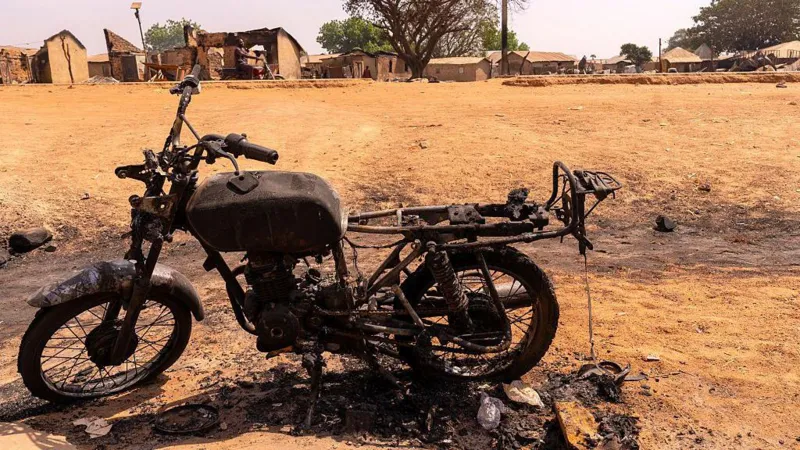
Gunmen on motorcycles have killed dozens of people in dawn raids across three villages in north-western Nigeria.
Armed men shot locals dead, set homes alight and abducted an unknown number of people in Niger State, Musa Saidu, head of the State Emergency Management Agency (Sema), told the BBC.
The attacks on Saturday morning occurred near the site of a suspected jihadist massacre earlier this month, in which more than 100 people were killed in a similar ambush.
Armed criminal gangs, known as bandits, have carried out attacks and kidnappings in Nigeria for years, mainly targeting those in the north-west – but reports of attacks in other parts of the country have risen sharply more recently.
Bandits swooped on the village of Tunga-Makeri early in the morning, before striking the nearby villages of Konkoso and Pissa, local officials said.
Police said six people were killed in one incident, and 20 more in the attacks on Konkoso and Pisa.
Officials confirmed at least 29 people had been killed as of Saturday, but Saidu said that death toll could rise.
The number of people abducted is also unknown because many residents fled their homes and ran into the nearby bush or neighbouring communities, he said.
“People are afraid because you can’t tell which community is going to be next,” he added.
A security report cited by AFP news agency said bandits came on 41 motorcycles, each carrying two or three men.
Abdullahi Rofia, a resident of neighbouring Agwara, told the BBC that many displaced people have taken shelter in his community, which was itself attacked two weeks ago.
“People are so traumatised, they no longer go to farm nor do they go to market,” he said.
“The bandits are not interesting in stealing or looting – they are more interested in killing and terrorising locals.”
Authorities have introduced emergency measures, including a restriction on late-night gatherings and a “partial curfew” that bans motorcycle taxis from operating after 20:00 local time (19:00 GMT).
Police confirmed that security teams have been deployed and rescue efforts are ongoing.
Nigeria’s leaders are under pressure to curb violence, with jihadist groups active in the north-west and separatist insurgents based in the country’s south-east.
The US launched Christmas Day strikes targeting Islamist militants in Nigeria’s northern Sokoto state and President Donald Trump warned of further attacks “if they continue to kill Christians”.
Many of the victims of jihadist violence are Muslim, according to organisations monitoring political violence in Nigeria.
A Nigerian official told BBC last month that 200 suspected bandits had been killed in an operation in the central Kogi state.
It came after more than 250 children and staff were abducted from a Catholic school in Papiri, in one of the largest recent mass-kidnappings. Their release was later secured.
[BBC]
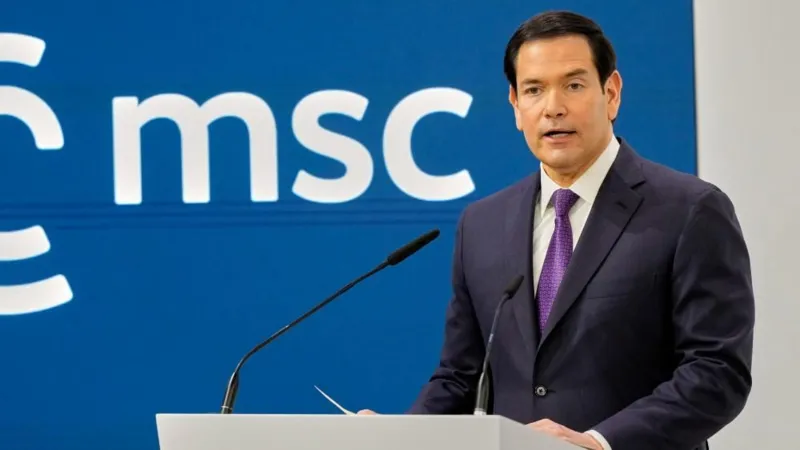
Marco Rubio has assured European leaders the US does not plan to abandon the transatlantic alliance, saying its destiny “will always be intertwined” with the continent’s.
The US secretary of state told the Munich Security Conference: “We do not seek to separate, but to revitalise an old friendship and renew the greatest civilisation in human history.”
He criticised European immigration, trade and climate policies, but the overall tenor of the closely-watched speech was markedly different to Vice President JD Vance’s at the same event last year, during which he scolded continental leaders.
European Commission President Ursula von der Leyen said she was “very much reassured” by Rubio’s remarks.
Rubio, the Trump administration’s most senior diplomat, said it was “neither our goal nor our wish” to end the transatlantic partnership, adding: “For us Americans, our home may be in the Western Hemisphere, but we will always be a child of Europe.
“And I am here today to leave it clear that America is charting the path for a new century of prosperity, and that once again we want to do it together with you, our cherished allies and our oldest friends.”
However, he repeated several criticisms repeatedly levelled at Europe by the Trump administration, including describing immigration policies as a threat to civilisation, and saying a “climate cult” had taken over economic policy.
On trade, he said Europe and the US had “made mistakes together” by adopting a “dogmatic vision of free and unfettered trade”.
He repeated familiar calls from the US for Europe to invest more in defence, saying: “We want allies who can defend themselves so that no adversary will ever be tempted to test our collective strength.”
In response, von der Leyen said: “Rubio is a good friend, a strong ally. And this was, for me, very reassuring to listen to him.”
She continued: “We want a strong Europe. And this is, I think, the message of today.”
Elsewhere in his half-hour address, Rubio said the system of international co-operation “must be rebuilt” and singled out the UN for particular criticism, saying it had “played virtually no role” in resolving the Gaza and Ukraine conflicts.
He also said the organisation was “powerless to constrain the nuclear programme” of Tehran.
In recent weeks, US President Donald Trump has threatened strikes on Iran if a deal to curb its nuclear programme can be reached, as negotiations between the two intensify.
A second round of talks will be hosted by Oman in Geneva next week, the Swiss foreign ministry said on Saturday.
Outside the conference, an estimated 200,000 protesters held a rally against the Iranian government, local police report.
The demonstrators denounced the country’s leadership, following the government crackdown on January’s protests in which thousands of people were killed.

Rubio also said the US did not know whether the “Russians are serious about ending the war” in Ukraine, before adding: “But we’re going to continue to test it.”
Ukraine’s President Volodymyr Zelensky told the conference later on Saturday that no one in Ukraine believed his Russian counterpart Vladimir Putin would leave the country alone, describing the Russian leader as a “slave to war”.
Zelensky has come under pressure from the White House to hold presidential elections, which have been suspended while the country is under martial law.
Asked about a Financial Times report that his administration was planning for elections as soon as May, Zelensky said it was “something new to me” and repeated that “nobody supports elections during the war”.
He said that Ukraine would need “two months of ceasefire” and “security infrastructure” to safely conduct elections.
[BBC]

Nepal, Scotland chase win to close out what-if tournament

How dark web agent spotted bedroom wall clue to rescue girl from years of harm

US build-up of warships and fighter jets tracked near Iran

Showers above 75 mm are likely at some places in the Central, Uva and Eastern provinces and in Polonnaruwa district

Zimbabwe take on Ireland with clarity about Super Eights path

CEB seeking tariff hike while making huge profits, says opposition trade union leader

‘Dates have the highest sugar content to fight Coronavirus’

Sunday Island 27 December – Headlines

#SundayIsland 17th December – Headlines

Sunday Island – 28th March

Sunday Island Headlines – 21 March

Sunday Island – 21st February – Headlines
-
 Life style2 days ago
Marriot new GM Suranga
-

 Business1 day ago
Ministry of Brands to launch Sri Lanka’s first off-price retail destination
-

 Features2 days ago
Monks’ march, in America and Sri Lanka
-

 Midweek Review6 days ago
A question of national pride
-

 Business6 days ago
Autodoc 360 relocates to reinforce commitment to premium auto care
-
 Opinion5 days ago
Will computers ever be intelligent?
-

 Features2 days ago
The Rise of Takaichi
-

 Features2 days ago
Wetlands of Sri Lanka: