
Life style
Horse, Persian cats, gifts worth Rs 10 cr: How ‘conman’ got Jacqueline Fernandez in ED trouble


Bollywood starlet Jacqueline Fernandez is a very popular name in the industry. Lately, the actress had been called in for questioning several times for her alleged involvement in an extortion case. Reports claimed that a man named Sukesh Chandrasekhar sent gifts to Jacqueline Fernandez and was dating her, but the actress denied ever being in a relationship with him.
Recently, a picture of Jacqueline Fernandez and Sukesh Chandrasekhar posing together had gone viral. Now, the latest development suggests that the actress received gifts latest development suggests that the actress received gifts from him. According to Bollywood Hungama, the ED reported that the con-man gave gifts worth Rs 10 crore to Jacqueline Fernandez. Reports suggest that this includes a horse worth Rs 52 lakh and a Persian cat worth Rs 9 lakh as well. She was reportedly also gifted three more cats, crockery and jewellery by Sukesh Chandrasekhar as well. The publication also claims that he sent money to her relatives as well. ast month, Jacqueline Fernandez was questioned for seven hours by the Enforcement Directorate in connection with the Rs 200 crore extortion case. Anant Malik, the lawyer representing Sukesh Chandrashekhar, had reportedly told media that Jacqueline Fernandez and Sukesh Chandrasekhar were dating.

However, soon after such claims surfaced, the starlet’s team issued a statement clarifying that the actress was not a part of the extortion but only called in to testify as a witness. She also denied all allegations of being in a relationship with the con-man. It was earlier reported that Jacqueline Fernandez’s name popped up in the case after she allegedly became a target of the conman’s racket. Sukesh Chandrasekar reportedly used to spoof call Jacqueline Fernandez from Tihar Jail and pretend that he was a big shot. Reports also claimed that Jacqueline Fernandez believed him after which the con-man started sending her expensive flowers and chocolates as gifts to he Back in August, the actress had been called in as a witness to the case and was questioned for six long hours in New Delhi.
Meanwhile, another report said the actor has been tagged by ED as a witness & possible “beneficiary” of a Rs 200-crore money laundering racket, allegedly run by Sukesh Chandrasekhar, who has a long criminal history.
Sri Lankan actor Jacqueline Fernandez has been in a soup ever since the Enforcement Directorate (ED) tagged her as a witness and possible “beneficiary” of a Rs 200-crore money laundering racket, allegedly run by one Sukesh Chandrasekhar.
The chargesheet mentions that the actor received many extravagant gifts, worth up to Rs 10 crore, from the conman, who has been in jail since 2017. Images of Fernandez with Chandrasekhar, when he was out on bail earlier this year, have also gone viral.
Last Sunday, Fernandez was stopped from boarding a flight to Muscat from Mumbai airport after the ED issued a lookout circular (LOC) for her. She was then summoned to Delhi, where she appeared before the ED for questioning. She has appeared for questioning in a money laundering case involving Chandrasekhar on earlier occasions too.

He also paid for chartered flights, and police sources said the ED has traced some financial transactions to Fernandez’s siblings. A source said that from Chandrasekhar has also boasted about giving Fernandez an island.
Actor Nora Fatehi has also been mentioned in the chargesheet, since Chandrasekhar has claimed to the ED that he had gifted her a BMW car.
Who is this alleged conman and how did Bollywood celebrities get entangled in the investigation? A leading newspaper explains the trail of cases and how jail staff allegedly facilitated the extortion racket.
Bollywood stars were ‘ultimate beneficiaries’
Chandrasekhar’s lawyer Anant Malik told media that his client, who is married, and Jacqueline Fernandez were romantically involved. “Sukesh and Jacqueline were in a relationship for a good seven or eight months until he was arrested again in the extortion case,” Malik said. The lawyer had also claimed earlier that both Fernandez and Fatehi were the “ultimate beneficiaries” in the case and “that is why they are being called for questioning”.
Fatehi has said she was a “victim” and only met Chandrasekhar and his wife, Leena Maria Paul, during an event. Fernandez has also vociferously denied the allegations and “slander” directed at her.
“Jacqueline Fernandez is being called to testify as a witness by the ED. She has duly recorded her statements and in future will also be completely cooperating with the agency in the investigations. Jacqueline also categorically denies alleged slanderous statements made about the relationship with the involved couple,” a spokesperson for Fernandez has told the media.
–The Print


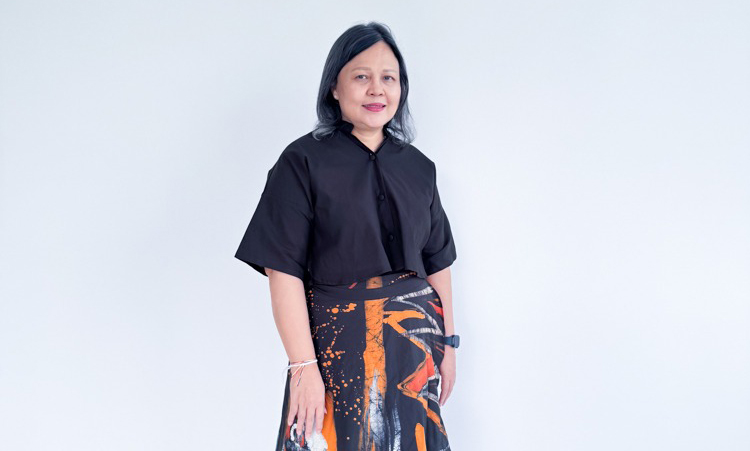
In a world where diplomacy often moves quietly behind closed doors, ambassadors serve as the living bridge between nations, culture and peoples.
The Indonesian Ambassador to Sri Lanka Dewi Gustina Tobing carries this responsibility with a vision that goes behind protocol seeking to deepen ties, foster mutual understanding and showcase the richness of Indonesian heritage to a Sri Lankan audience. From trade and tourism to cultural exchange and the role of woman in society, the Ambassador embodies the naunced, multifaceted relationship between two nations with shared histories and aspirations, In this exclusive interview, we explore perspectives that span politics, culture and social development and gain a glimpse into the mindset of a diplomat whose mission is about connection as it is about representation.
 (Q) How would you describe the current state of relations between Indonesia and Sri Lanka and what excites you most about its future?
(A) Indonesia and Sri Lanka today enjoy warm, stable, and cooperative relations, rooted in shared history, non-aligned foreign policy traditions, and a common identity as Indian Ocean nations. Politically, the relationship is cordial and pragmatic, with regular diplomatic engagement and mutual support in multilateral forums such as the United Nations, the Non-Aligned Movement, the Indian Ocean Rim Association (IORA), and historically within the Colombo Plan framework. Neither country sees the other as a strategic rival; instead, they approach the relationship with goodwill and respect for sovereignty.
Economically, ties are positive but still under-realized. Trade has been growing gradually, particularly in areas such as textiles, rubber, coconut oil, spices, and pharmaceuticals. There is also cooperation in maritime affairs, fisheries, disaster management, and education, reflecting shared development priorities as archipelagic and coastal states. Through the Colombo Plan, both countries have benefited from and contributed to technical cooperation, capacity building, and human resource development, strengthening institutional and educational linkages across South and Southeast Asia.
Culturally, the relationship is enriched by deep historical links—from ancient Buddhist connections and Indian Ocean trade routes to modern people-to-people exchanges. Educational scholarships and professional training programmes under the Colombo Plan further reinforce these soft-power ties, giving the relationship a natural resilience beyond day-to-day politics.
What excites me most about the future of Indonesia–Sri Lanka relations is the untapped strategic potential of Indian Ocean cooperation. Both countries are well positioned to work together on:
• Maritime security and blue economy initiatives
• Port development and logistics connectivity
• Renewable energy and climate resilience
• Tourism, cultural exchange, and education (including expanded Colombo Plan–style exchanges)
• South–Southeast Asia economic linkages
As global attention increasingly shifts toward the Indo-Pacific and the Indian Ocean, Indonesia and Sri Lanka have a real opportunity to elevate their partnership from friendly to truly strategic—not through military alignment, but through trade, sustainability, human capital development, and inclusive regional leadership. The continued relevance of the Colombo Plan’s cooperative spirit adds an important historical foundation to that future-oriented partnership.
(Q) Indonesia and Sri Lanka share deep maritime and Buddhist histories. How can these be translated into modern diplomatic partnerships ?
(A) Indonesia and Sri Lanka share deep maritime and Buddhist histories that can be translated into modern diplomatic partnerships by:
• Strengthening maritime cooperation, including port connectivity, blue economy initiatives, Indian Ocean security dialogue, and enhanced fisheries cooperation—such as sustainable fishery management, combating illegal, unreported and unregulated (IUU) fishing, aquaculture development, and joint research on marine resources
• Promoting cultural and religious diplomacy, especially through Buddhist heritage exchanges, education, and tourism
• Expanding people-to-people ties, such as academic collaboration, monk exchanges, cultural programs, and technical exchanges in marine and coastal livelihoods
• Deepening multilateral cooperation, particularly within the Indian Ocean Rim Association and the United Nations
By turning shared history into practical cooperation—including stronger collaboration in fisheries and marine sustainability—both countries can build a forward-looking, resilient, and mutually beneficial diplomatic partnership rooted in their shared identity as Indian Ocean nations.
(Q) What are your priorities during your tenure as Indonesia’s envoy to Sri Lanka?
(A) During my tenure as Indonesian’s envoy to Sri Lanka, my priorities would be:
Strengthening Bilateral Relations
Deepen political and diplomatic ties through regular high-level engagements and close coordination between our governments, based on mutual respect and shared regional interests.
Enhancing Economic and Trade Cooperation
Promote two-way trade, investment, and tourism by identifying new opportunities, supporting business partnerships, and encouraging collaboration in sectors such as manufacturing, agriculture, maritime industries, and the digital economy.
Promoting People-to-People and Cultural Exchanges
Foster closer connections between Indonesians and Sri Lankans through education, cultural diplomacy, tourism, and cooperation among youth, academics, and civil society.
Cooperation in Regional and Multilateral Forums
Strengthen collaboration within ASEAN–South Asia frameworks, the Indian Ocean Rim Association (IORA), and other multilateral platforms to address shared challenges such as maritime security, climate change, and sustainable development.
Consular Protection and Citizen Services
Ensure the welfare, safety, and rights of Indonesian citizens in Sri Lanka while improving consular services and outreach.
Promoting Peace, Stability, and Sustainable Development
Support dialogue, inclusivity, and cooperation that contribute to regional stability and sustainable economic growth, drawing on Indonesia’s own experiences in democracy and development.
These priorities would guide my efforts to build a strong, forward-looking partnership between Indonesia and Sri Lanka.
(Q) As a woman leading Indonesia’s diplomatic mission, what unique perspectives do you bring to diplomacy?
(A) As a woman leading Indonesia’s diplomatic mission, I bring an inclusive and empathetic approach to diplomacy that values dialogue, collaboration, and mutual respect. I believe effective diplomacy benefits from listening carefully to diverse perspectives and building consensus through understanding and trust.
I also bring a strong commitment to promoting gender equality and women’s empowerment, both within the diplomatic mission and in our broader cooperation with Sri Lanka. By encouraging the participation of women and youth in economic, social, and peace-building initiatives, diplomacy becomes more representative and sustainable.
Most importantly, I bring professionalism, resilience, and Indonesia’s values of tolerance and cooperation, demonstrating that leadership in diplomacy is defined by integrity, capability, and dedication rather than gender.
(Q) How does Indonesia promote women’s participation and leadership on the global stage?
(A) Indonesia promotes women’s participation and leadership on the global stage through a combination of national policies, international advocacy, and practical cooperation.
At the national level, Indonesia has strengthened legal and institutional frameworks to advance gender equality, including policies that support women’s leadership in politics, the civil service, diplomacy, and the economy. Women increasingly serve as ministers, ambassadors, peacekeepers, and senior officials, reflecting Indonesia’s commitment to inclusive leadership.
At the international level, Indonesia actively advocates for the Women, Peace, and Security (WPS) agenda in multilateral forums such as the United Nations, ASEAN, and the G20. Indonesia supports the meaningful participation of women in peace processes, conflict prevention, and post-conflict reconstruction, and contributes female peacekeepers and mediators to international missions.
Indonesia also promotes women’s economic empowerment globally by supporting women entrepreneurs, MSMEs, and digital inclusion initiatives through South–South and triangular cooperation, particularly with developing countries.
Through diplomacy, development cooperation, and example, Indonesia demonstrates that empowering women is essential to sustainable peace, economic growth, and effective global governance.
(Q) Indonesia culture from batik and cuisine and cinema has a powerful global appeal. How import is a culture as a diplomatic tool?
(A) Culture is a very important diplomatic tool because it builds understanding and trust in ways that formal diplomacy alone cannot. Through culture—such as batik, cuisine, cinema, music, and traditional arts—Indonesia shares its values of diversity, tolerance, and creativity with the world in a way that is accessible and engaging.
Cultural diplomacy helps people connect at a human level. When people experience Indonesian culture, they gain a deeper appreciation of Indonesia’s history, identity, and pluralistic society. This strengthens people-to-people ties, reduces misunderstandings, and creates a positive foundation for political, economic, and social cooperation.
An increasingly important driver of this cultural diplomacy is the role of the millennial and Gen Z generations. Young Indonesians actively promote batik, cuisine, and cinema through digital platforms, social media campaigns, creative start-ups, and international collaborations. By modernizing traditional batik designs, creating contemporary culinary brands, and producing globally relevant films, they make Indonesian culture more accessible to international audiences. Through influencers, content creators, student exchanges, film festivals, and culinary pop-ups abroad, millennials act as informal cultural ambassadors who bridge local heritage with global trends.
Culture also supports broader diplomatic objectives. It promotes tourism, encourages creative-industry partnerships, and opens opportunities for education and cultural exchange. Indonesian cinema and cuisine, for example, showcase contemporary stories and innovation while preserving tradition, making Indonesia relatable and relevant globally. Digital-native generations amplify this impact by leveraging technology, cross-cultural networks, and entrepreneurial creativity to expand Indonesia’s cultural reach.
In essence, culture is a form of soft power. It allows Indonesia to project a positive image, foster mutual respect, and build long-term relationships. With millennials and young creatives at the forefront—championing batik as sustainable fashion, cuisine as global culinary diplomacy, and cinema as a platform for storytelling—Indonesia’s cultural diplomacy becomes more dynamic, participatory, and influential in shaping global perceptions.
(Q) What drew you to a career in diplomacy and who inspired you along the way?
(A) I was drawn to a career in diplomacy by a strong desire to serve my country while building bridges between nations. From an early stage, I was fascinated by how dialogue, understanding, and cooperation could resolve differences and create opportunities for mutual benefit. Diplomacy offered a path to represent Indonesia’s values, interests, and diversity on the global stage while contributing to peace and development.
Along the way, I was inspired by Indonesia’s senior diplomats and national leaders who demonstrated integrity, professionalism, and a deep commitment to multilateralism and international cooperation. I was also inspired by women leaders—both in Indonesia and internationally—who showed that perseverance, competence, and principled leadership can overcome barriers and create meaningful change.
Equally important were mentors and colleagues who emphasized the importance of listening, cultural sensitivity, and empathy in diplomacy. Their guidance reinforced my belief that effective diplomacy is not only about negotiation, but also about building trust and lasting relationships between people and nations.
(Q) Are there places people or moments in Sri Lanka that have left a lasting impression on you?
(A) Yes, Sri Lanka has left a strong and lasting impression on me through its places, people, and moments. The warmth and generosity of the Sri Lankan people stand out most clearly. In my interactions, I have consistently felt a genuine openness and hospitality that make engagement both meaningful and memorable.
Sri Lanka’s rich cultural and spiritual heritage is also deeply impressive. Visiting historic and sacred sites—such as ancient temples, cultural cities, and places of worship—reflects the country’s deep sense of history, resilience, and diversity. These places convey values of tolerance and coexistence that resonate strongly with Indonesia’s own multicultural identity.
Equally memorable are moments of everyday interaction: conversations with community leaders, students, artists, and businesspeople who are optimistic about the future and committed to rebuilding and progress. These encounters highlight Sri Lanka’s strength, dignity, and potential, and they reinforce my commitment to further strengthening the friendship between Indonesia and Sri Lanka.
(Q) How do you balance the demands of high level diplomacy with personal well being?
(A) Balancing the demands of high-level diplomacy with personal well-being requires deliberate focus, discipline, and self-awareness. Diplomacy often involves long hours, complex negotiations, and high-stakes decision-making, so maintaining mental, emotional, and physical health is essential to perform effectively.
I prioritize time management and set boundaries to ensure that I have moments for rest, reflection, and personal interests, even amidst a busy schedule. Practices such as regular exercise, reading, and staying connected with family and friends help me recharge and maintain perspective.
Equally important is cultivating a strong support system within the mission, where teamwork, delegation, and mutual trust allow responsibilities to be shared effectively. Mindfulness and self-reflection also help me approach challenges calmly and make decisions with clarity.
Ultimately, maintaining personal well-being is not just about self-care—it is integral to being a resilient, attentive, and effective diplomat, capable of representing Indonesia with focus, energy, and dedication.
(Q) What message would you like to share with Sri Lankan about Indonesia and its people?
(A) I would like to share with the people of Sri Lanka that Indonesia is a nation rich in diversity, culture, and natural beauty, and that its people are warm, resilient, and welcoming. Indonesians value harmony, tolerance, and cooperation, which are reflected in our traditions, arts, and everyday life.
Indonesia is committed to building strong friendships and partnerships with Sri Lanka, grounded in mutual respect and shared interests. We welcome cultural, educational, and economic exchanges, and we hope that more Sri Lankans will experience the richness of Indonesian culture, cuisine, and landscapes first hand.
Above all, I want the people of Sri Lanka to know that Indonesia sees them as close partners and friends. Together, our nations can grow, collaborate, and create opportunities for prosperity, peace, and mutual understanding in the region and beyond.

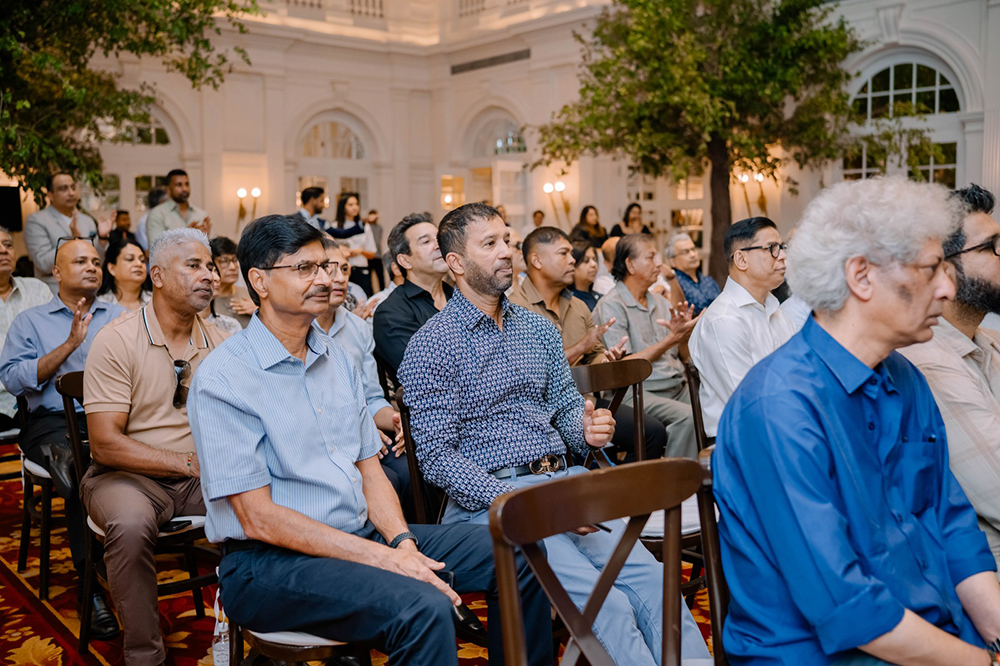
The launch of the book “Hob Nails to Spikes” by Ranjith Fernand, a name synonymous with passion, discipline and an enduring love for the game was held at the grand Ballroom of the Galle Face Hotel, drawing a distinguished gathering of cricket enthusiasts, friends and other well-known invitees.
It was a celebration of Ranjith’s remarkable journey in the world of sport, with the book reflecting on memorable experiences, insights and milestones from his long association with cricket. A former national cricketer, and famous TV commentator, he has spent decades nurturing and narrating the story of Sri Lanka cricket. Guests listened to tributes and reflections on his contribution to the game, making the launch a warm and memorable occasion.
Standing firmly was his wife, Ramani Fernando, whose unwavering support has been constant throughout his journey. Known for her own success and elegance, Ramani shared the proud moment as friends and wellwishers gathered to applaud both the book and the inspiring story behind it.
The book reflects Fernando’s experience in cricket – from the early days of the sport to the modern era – sharing ancedotes, insights and stories from a lifetime devoted to the game. The morning was filled with tributes from those who have known him through his playing days, coaching career and his familiar voice in the commentary box.
His articulate commentary and deep knowledge of the game have made him a trusted voice for cricket fans over the years.
By Zanita Careem
-

- Veteran cricket commentator Ranjith Fernando marks a proud literary milestone at the launch of his book
-
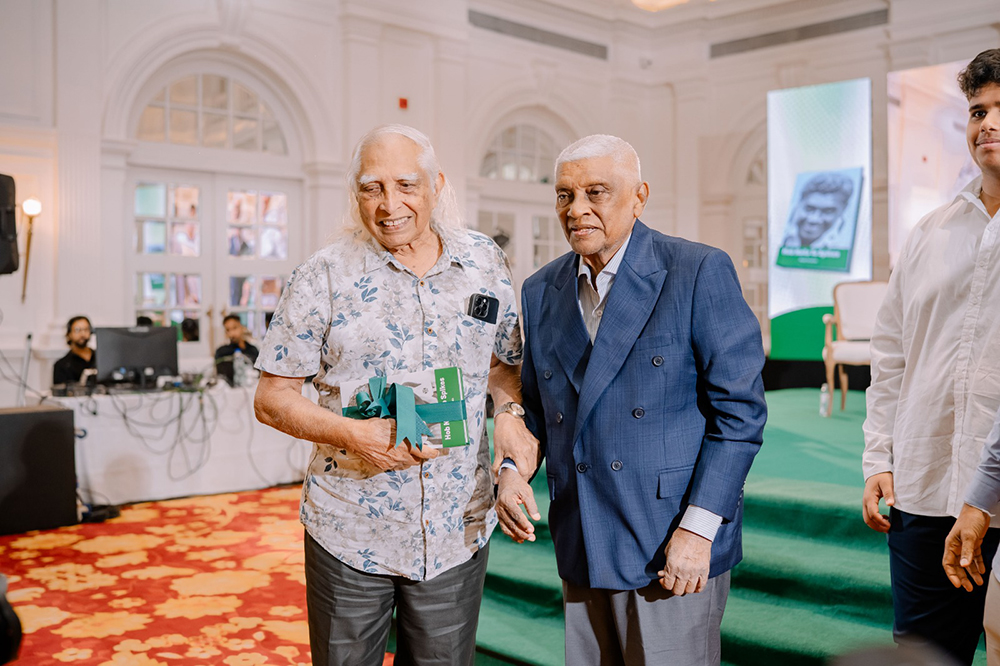
- Book launch, memories and pride displayed – Ranjith and Chandra Schafter
-
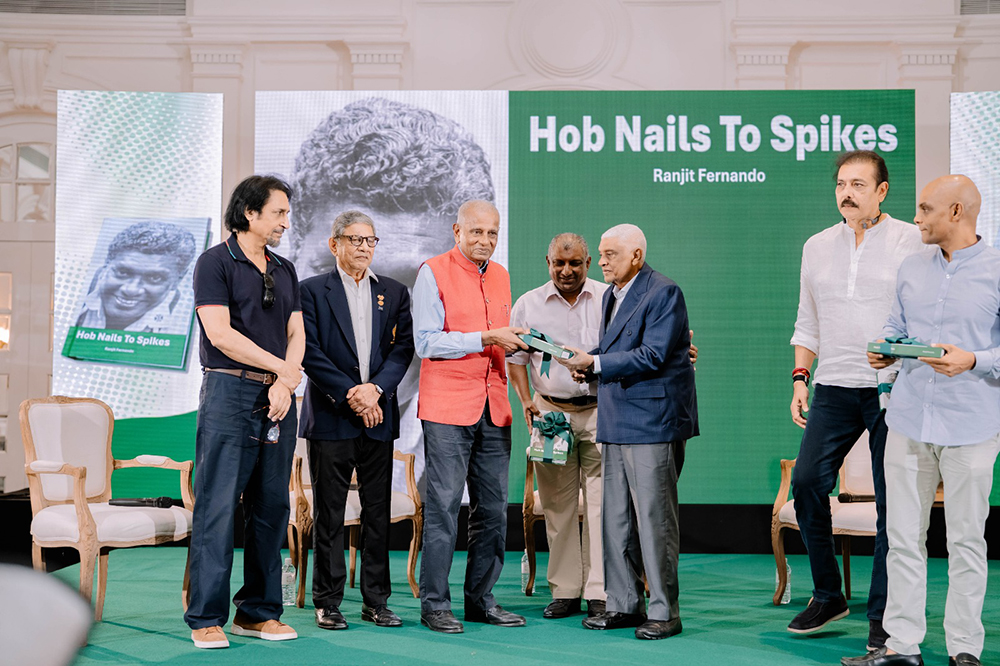
- Stories, memories, cricket – Ranjith has it all in his book
-
- Brandon kuruppu, Kumar Dharmasena and Chaminda Vas turning moments into memories
-
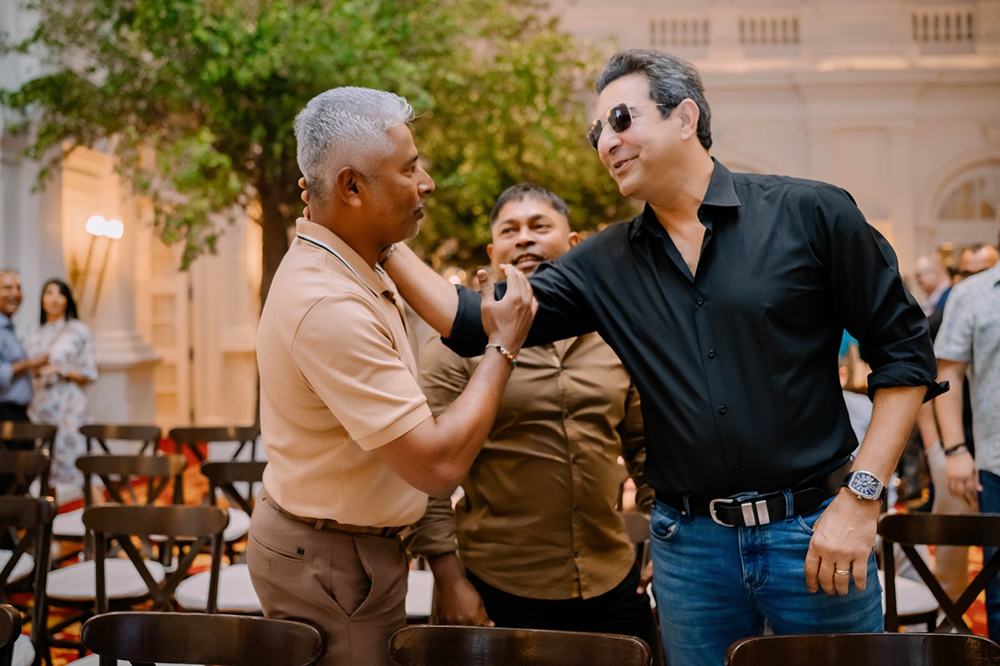
- Chaminda Vas, Romesh Kaluwitharane and Wasim Akram
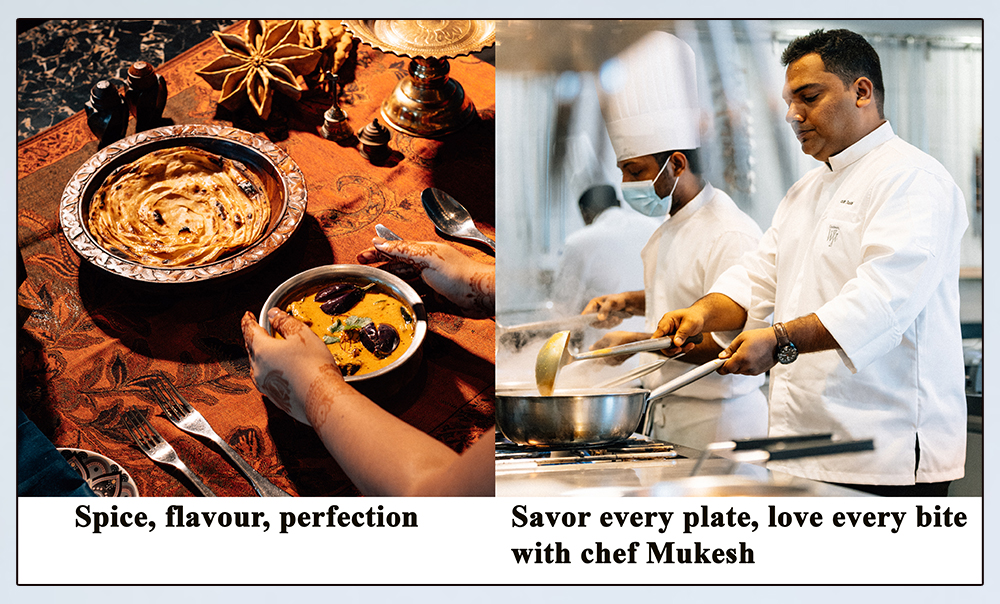
Indiya, the signature Indian restaurant at Cinnamon Life at City of Dreams, enters a new chapter with Chef Mukesh Joshi at the helm. Situated on the spectacular Level 23, the restaurant now offers a dining experience that is as elevated as its views, combining Indian culinary traditions with Sri Lankan influences in a contemporary, family-style format.
Under Chef Mukesh’s leadership, the menu takes guests on a journey across India’s regions. Fragrant rice dishes such as Awadhi Mutton Biryani and Zaffrani Chicken Dum Biryani anchor the experience, while comforting classics like Dal Makhani and Chana Masala bring depth and familiarity to the table. Alongside these are thoughtfully crafted vegetarian preparations, including Kurkuri Bhindi, Hyderabadi Bagara Baingan, and the indulgent Shahi Subz Korma.
The experience unfolds through layers of texture and flavour. Crisp starters such as Sev Papdi Chaat, a generous Pakora Platter, and warming soups set the tone, followed by tandoor-led favourites like Hariyali Tandoori Gobi, Rajma Galouti, and non-vegetarian selections including Jhinga Koliwada, Rawa Fried Surmai, and a classic non-vegetarian Kebab Platter. Freshly baked breads, from Chilli Cheese Naan and flaky Paratha to comforting Aloo Kulcha, arrive ready to be shared.
Seafood and meat preparations showcase Chef Mukesh’s confident spice work and regional storytelling, with dishes such as Jhinga Hara Pyaz, Macchi Malai Curry, Railway Chicken Curry, Kozhi Milagu Fry, Mewari Kheema, and Mutton Bhuna forming the heart of the menu. For those seeking something distinctive, the chef’s special selections, including Tandoori Kaala Jhinga, Pahadi Tandoori Kukkad, Nandu Curry, and the standout Lagoon Jhinga Biryani, offer bold, expressive flavours designed to take centre stage.
The meal concludes on a nostalgic, indulgent note with classic desserts such as Mishti Doi and Kulfi Falooda, bringing warmth and familiarity to the final moments of the dining experience.
Indiya’s new approach moves away from traditional fine dining, focusing instead on bringing people together around the table. Whether it’s a family gathering, a dinner with friends, or a special occasion, the restaurant is designed for connection, conversation, and memorable moments, where every dish reflects care, authenticity, and thoughtful execution.
Chef Mukesh’s career spans India and the UAE, from The Westin and St. Regis Mumbai to Dubai’s India Bistro and Art of Dum, where he led kitchens, designed menus, and executed landmark events. Known for balancing classic flavours with contemporary presentation, Mukesh’s hands-on leadership and commitment to excellence shape every aspect of Indiya, from the ingredients and techniques to the teamwork that brings the dishes to life.
With this new chapter, Indiya offers a dining experience that is vibrant, elevated, and immersive, celebrating Indian cuisine in a way that feels authentic, approachable, and perfectly suited to the city-sized destination of Cinnamon Life at City of Dreams.

CIABOC questions Ex-President GR on house for CJ’s maid

Post-Ditwah Indian recovery assistance to SL: health experts from here visited India

Professor G L Peiris addresses seminar at national university of singapore

New Zealand HC meets Defence Secretary

US paying the price for disregarding military advice

Lawmakers complain of insufficient fuel allocation

‘Dates have the highest sugar content to fight Coronavirus’

Sunday Island 27 December – Headlines

#SundayIsland 17th December – Headlines

Sunday Island – 28th March

Sunday Island Headlines – 21 March

Sunday Island – 21st February – Headlines
-

 News6 days ago
Historic address by BASL President at the Supreme Court of India
-

 Sports6 days ago
The 147th Royal–Thomian and 175 Years of the School by the Sea
-

 Life style3 days ago
From culture to empowerment: Indonesia’s vision for Sri Lanka
-
 News6 days ago
Power sector reforms jolted by 40% pay hike demand
-

 Business2 days ago
Browns EV launches fast-charging BAW E7 Pro at Rs. 5.8 million
-

 News4 days ago
Crypto loopholes funnel Lankan funds abroad
-

 Latest News3 days ago
QR code system will be implemented for fuel with effect from 06.00 a.m. today (15th)
-

 Sports3 days ago
Kirsten brings pedigree, but Sri Lanka must fix the system