
Life style
Hansa Vilak Stylish and profound cinematic experience

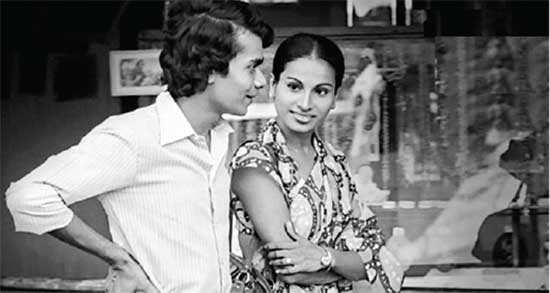
Veteran dramatist and film-maker Dharmasiri Bandaranayake’s landmark creation, Hansa Vilak is back on the screen after its restoration in digital format. The film remains ‘timeless’ and ‘forever young’ even after 40 years since it was first released in 1980.
by Randima Attygalle
Dharmasiri Banadaranayake’s Hansa Vilak is a ‘dazzling debut’ which ‘displays a remarkable feel for the medium. Imaginative, experimental and very exciting,’ commented Dr. Lester James Peries when the film was first released. An attempt to explore the social hypothesis of a marriage from an atypical perspective drove Bandaranayake to write his first screen play for Hansa Vilak in 1978. By then he was experienced both as a stage and a film actor.
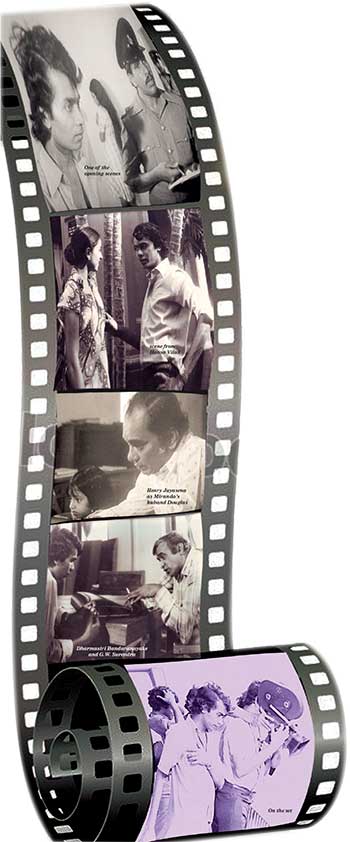 Along with greats like Lester James Peries, Satyajit Ray, Andrzej Munk and several other contemporary film-makers, Bandaranayake won the admiration of film-goers who preferred to watch good, artistic cinema, he reflects looking back.
The forbidden love between Nissanka (played by Bandaranayake himself) and Miranda (Swarna Mallawarachchi) – both married, is the theme of Hansa Vilak or Swan Lake. This projects a universal appeal in any society where matrimony has been made into a legal or social institution. The deep and abiding emotions in a traditional Asian society are poignantly projected in the film.
Critic H.A Seneviratne once remarked that, ‘Hansa Vilak, combining both fantasy and reality, utilizes the diverse techniques of photography, editing, and sound mixing in all their complexities so much so that there appears to be much outwards novelty in it. Not only the form, but also the subject matter of the film appears to be new and complex to the Sinhala filmgoer. It deals with the emotional problems of two married couples whose matrimonial bond had been suddenly disrupted.’
The extra marital sexual relationship between Miranda, wife of Douglas (Henry Jayasena) and Nissanka, husband of Samanthi (Vasanthi Chaturani) is suddenly revealed with the police raiding the hotel in which the couple had found temporary lodging. This results in Nissanka deserting his wife and two children and Miranda too leaving her husband and only daughter. Nissanka and Miranda are united in marriage but their past emotional attachments continue to taunt them.
Some aspects of these characters are based on reality and some on illusion and fantasy. The characters were developed “transcending the traditional beginning, middle and the end construct known to films at that time,” Bandaranayake says. The film was based on a structure that was yet unseen in Sri Lankan cinema – the element which he attributes to Hansa Vilak’s lasting appeal even after 40 years since release.
The response to the newly restored Hansa Vilak in digital format has been “overwhelming,” says Bandaranayake. “Today it has come among another generation including students of cinema whose response to it has been heart-warming,” he says; he humbly adds that his creation has not aged, but remains modern and relevant.
Bandaranayake’s Hansa Vilak and Thunweni Yamaya were sent to India for restoration by the Sri Lanka Film Corporation about three years ago. The six-month restoration process in the Prasad Film Lab in Chennai reputed for its digital post production services has paid dividends.
“The visual impact of the new copy is just astounding. Although the images remain in their original black and white, their sharpness and clarity in the new version appeals to the modern audience,” says the filmmaker.
The film, distributed by Sri Lanka Film Corporation, is now being screened in several cinemas in Colombo. It will soon show at several more cinemas in other major towns.
As an artiste who is very vocal about conserving Sinhala cinema’s landmarks for posterity, Bandaranayake laments that several Sri Lankan cinematic landmarks will perish unless urgent interventions are made. Following the successful restoration of his own films, (Thunveni Yamaya will be screened soon), Bandaranayake stresses the need to salvage
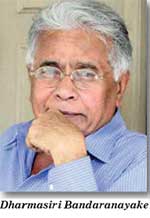
the masterpieces of celebrated film makers such as Lester James Peries, Dharmasena Pathiraja and Vasantha Obe
yesekera before they are forever lost to the country.
Commenting on Hansa Vilak (released in 1980), scholar and critic Regi Siriwardena remarked that, ‘Dharmasiri Bandaranayake has created in this film a form and style that go further than any Sinhala film before in taking us into the world of inner psychological experience. Throughout the film the camera is the means of projecting the sensations and feelings of Nissanka torn between love, suspicion, jealousy, duty and obligation. Many of the images on the screen belong not to the world of external, public reality but to the inner world of psychological reality.’
Psychology of character in the language of film-making becomes prominent in the creation of Hansa Vilak. The subject matter of the film is a fusion of fantasy and hallucinations of an emotional wreck. This fusion, Bandaranayake explains, enabled every viewer of the film a dialogue on what was real and what was illusion.
The camera in the hands of the cinematographer, Andrew Jayamanne is shifted towards the characters making it appear that the characters themselves walk towards it. The melodies of Maestro Premasiri Khemadasa – Hemin Sere Piya Vida (theme song sung by Sunila Abeysekera and T. M. Jayarathna) Senehasa Pupura sihinaya miya yayi and Sandun sihina mandapaye emerge strong motifs in the film.
Bandaranayake’s own portrayal of Nissanaka was not by choice. The non-availability of most actors he approached pushed him into taking the role himself. Inspiration to play the dual roles of actor and director came from the celebrated Gamini Fonseka, says Bandaranayake, adding that Gamini’s shoes were however too big for him.
A special pre-premiere of Hansa Vilak in 1979 won it an opportunity to be featured at the Mannheim International Film Festival in West Germany. “Rev. Fr. Ernest Portuthota who happened to be in the audience at the special show was so impressed by the film and took it upon himself to send it to Germany,” recollects Bandaranayake. This enabled him to join a group of novice film makers from different parts of the world.
Hansa Vilak
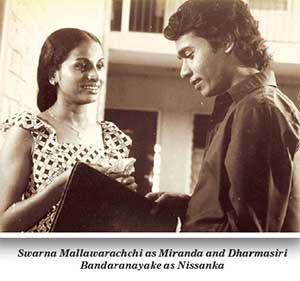 was awarded a Diploma Certificate at the festival. After its release locally, the film won the Sarasaviya award for the best script. For Bandaranayake the best jury however, is the people of this country. “Whenever the film is featured at any film festival or show on TV, the response I receive from numerous people is immense. This is my greatest award,” he reflects.
“To have found the means of reflecting through the form and techniques of the film, the pressures of society and the family in the mind of a bewildered and tormented individual is Dharmasiri Bandaranayake’s great achievement in the film,” wrote Regi Siriwardena who went on to note that this ‘achievement is sufficient to make Hansa Vilak a permanent landmark in the Sinhala Cinema, just as Rekawa or Ahas Gauwa were in their own time’.
Photo credit: Dharmasiri Bandaranayake


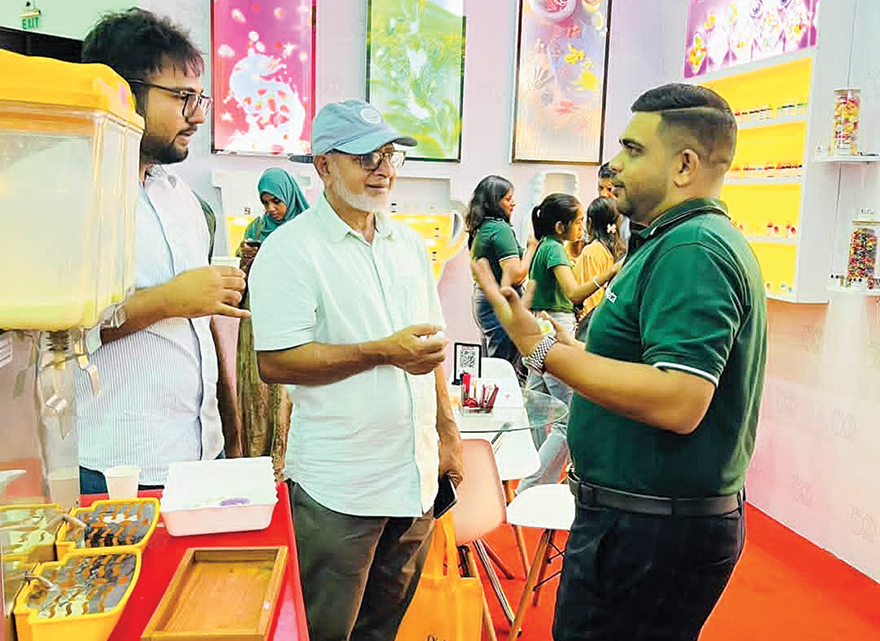
Salman Faiz has turned his family legacy into a modern sensory empire. Educated in London, he returned to Sri Lanka with a global perspective and a refined vision, transforming the family legacy into a modern sensory powerhouse blending flavours,colours and fragrances to craft immersive sensory experiences from elegant fine fragrances to natural essential oils and offering brand offerings in Sri Lanka. Growing up in a world perfumed with possibility, Aromatic Laboratories (Pvt) Limited founded by his father he has immersed himself from an early age in the delicate alchemy of fragrances, flavours and essential oils.
 Salman Faiz did not step into Aromatic Laboratories Pvt Limited, he stepped into a world already alive with fragrance, precision and quiet ambition. Long before he became the Chairman of this large enterprise, founded by his father M. A. Faiz and uncle M.R. Mansoor his inheritance was being shaped in laboratories perfumed with possibility and in conversations that stretched from Colombo to outside the shores of Sri Lanka, where his father forged early international ties, with the world of fine fragrance.
Growing up amidst raw materials sourced from the world’s most respected fragrance houses, Salman Faiz absorbed the discipline of formulation and the poetry of aroma almost by instinct. When Salman stepped into the role of Chairman, he expanded the company’s scope from a trusted supplier into a fully integrated sensory solution provider. The scope of operations included manufacturing of flavours, fragrances, food colours and ingredients, essential oils and bespoke formulations including cosmetic ingredients. They are also leading supplier of premium fragrances for the cosmetic,personal care and wellness sectors Soon the business boomed, and the company strengthened its international sourcing, introduced contemporary product lines and extended its footprint beyond Sri Lanka’s borders.
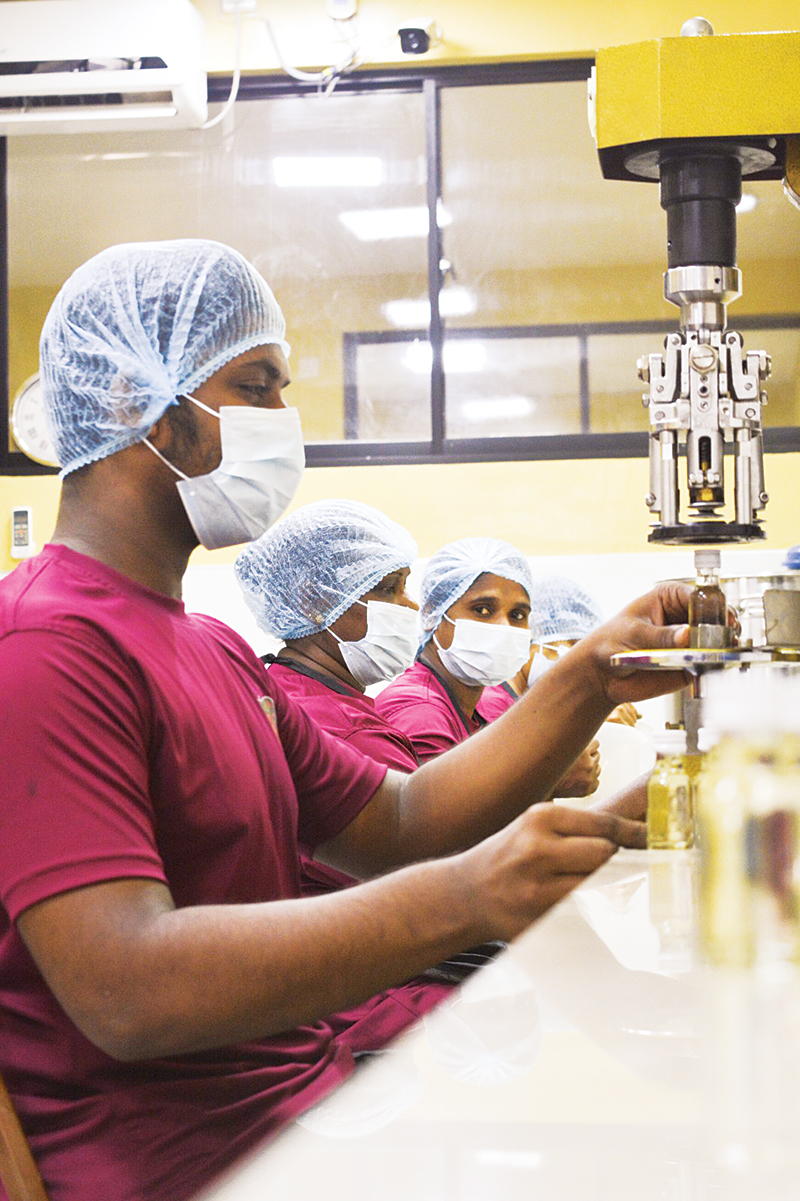
Where raw materials transform into refined fragrance

Salman Faiz -carrying forward a legacy
Today, Aromatic Laboratories stands as a rare example of a second generation. Sri Lankan enterprise that has retained its soul while embracing scale and sophistication. Under Salman Faiz’s leadership, the company continues to honour his father’s founding philosophy that every scent and flavour carries a memory, or story,and a human touch. He imbibed his father’s policy that success was measured not by profit alone but the care taken in creation, the relationships matured with suppliers and the trust earned by clients.
“We are one of the leading companies manufacturing fragrances, dealing with imports,exports in Sri Lanka. We customise fragrances to suit specific applications. We also source our raw materials from leading French company Roberte’t in Grasse
Following his father, for Salman even in moments of challenge, he insisted on grace over haste, quality over conveniences and long term vision over immediate reward under Salman Faiz’s stewardship the business has evolved from a trusted family enterprise into a modern sensory powerhouse.
Now the company exports globally to France, Germany, the UK, the UAE, the Maldives and collaborates with several international perfumes and introduces contemporary products that reflect both sophistication and tradition.
We are one of the leading companies. We are one of the leading companies manufacturing fine and industrial fragrance in Sri Lanka. We customise fragrances to suit specific applications said Faiz
‘We also source our raw materials from renowned companies, in Germany, France, Dubai,Germany and many others.Our connection with Robertet, a leading French parfume House in Grasse, France runs deep, my father has been working closely with the iconic French company for years, laying the foundation for the partnership, We continue even today says Faiz”
Today this business stands as a rare example of second generation Sri Lankan entrepreneurship that retains its souls while embracing scale and modernity. Every aroma, every colour and every flavour is imbued with the care, discipline, and vision passed down from father to son – a living legacy perfected under Salmon Faiz’s guidance.
By Zanita Careem
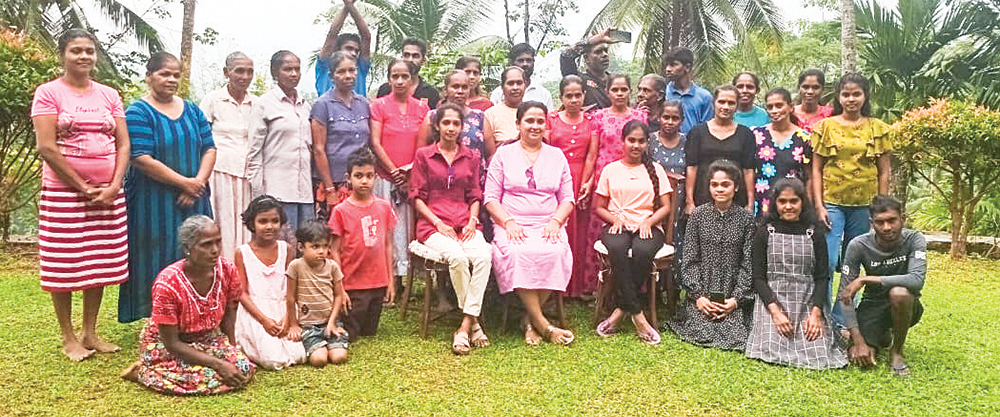
Harini and Chanaka cultivating change
When Harini and Chanaka Mallikarachchi returned to Sri Lanka after more than ten years in the United States, it wasn’t nostalgia alone that they brought home . It was purpose.Beneath the polished resumes and strong computer science backgrounds lay something far more personal- longing to reconnect with the land, and to give back to the country that shaped their memories. From that quiet but powerful decision was born Agri Vision not just an agricultural venture but a community driven movement grounded in sustainability ,empowerment and heritage. They transform agriculture through a software product developed by Avya Technologies (Pvt Limited) Combining global expertise with a deep love for their homeland, they created a pioneering platform that empowers local farmers and introduce innovative, sustainable solutions to the country’s agri sector.
After living for many years building lives and careers in theUnited States, Harini and Chanaka felt a powerful pull back to their roots. With impressive careers in the computer and IT sector, gaining global experience and expertise yet, despite their success abroad, their hearts remained tied to Sri Lanka – connection that inspired their return where they now channel their technological know-how to advance local agriculture.
For Harini and Chanaka, the visionaries behind Agri Vision are redefining sustainable agriculture in Sri Lanka. With a passion for innovation and community impact, they have built Agri Vision into a hub for advanced agri solutions, blending global expertise with local insight.
In Sri Lanka’s evolving agricultural landscape, where sustainability and authenticity are no longer optional but essential. Harini and Chanaka are shaping a vision that is both rooted and forward looking. In the heart of Lanka’s countryside, Uruwela estate Harini and Chanaka alongside the ever inspiring sister Malathi, the trio drives Agri Vision an initiative that fuses cutting edge technology with age old agricultural wisdom. At the core of their agri philosophy lies two carefully nurtured brands artisan tea and pure cinnamon, each reflecting a commitment to quality, heritage and people.
Armed with global exposure and professional backgrounds in the technology sector,they chose to channel thier experiences into agriculture, believing that true progress begins at home.
-
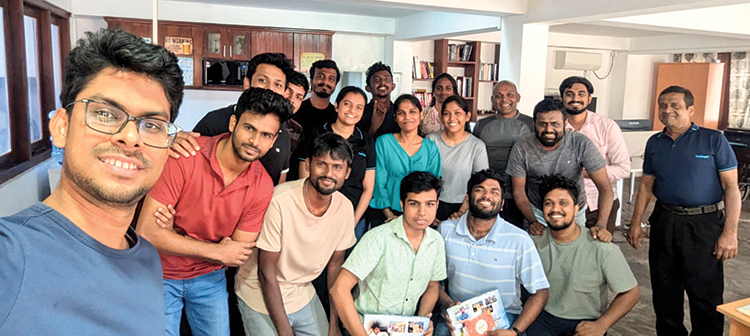
- Avya Technologies (Pvt) ltd software company that developed Agri Vision
-
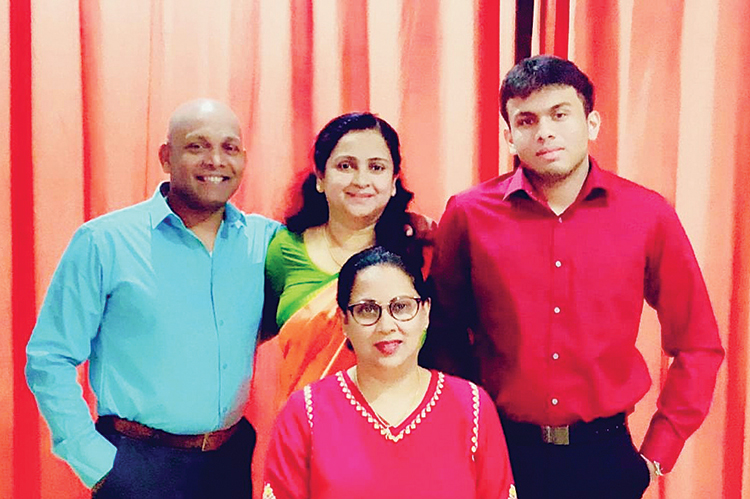
- Chanaka,Harini and Shakya Mallikarachchi and Malathi Malathi dias (middle)
But the story of Agri Vision is as much about relationships as it is about technology. Harini with her sharp analytical mind, ensures the operations runs seamlessly Chanaka, the strategist looks outward, connecting Agri Vision to globally best practices and Malathi is their wind behind the wings, ensures every project maintains a personal community focussed ethos. They cultivate hope, opportunity and a blueprint for a future where agriculture serves both the land and the people who depend on it .
For the trio, agriculture is not merely about cultivation, it is about connection. It is about understanding the rhythm of the land, respecting generations of farming knowledge, and that growth is shared by the communities that sustain it. This belief forms the backbone of Agro’s vision, one that places communities not only on the periphery, but at the very heart of every endeavour.
Artisan tea is a celebration of craft and origin sourced from selected growing regions and produced with meticulous attention to detail, the tea embodier purity, traceability and refinement, each leaf is carefully handled to preserve character and flavour, reflecting Sri Lanka’s enduring legacy as a world class tea origin while appealing to a new generation of conscious consumers complementing this is pure Cinnamon, a tribute to authentic Ceylon, Cinnamon. In a market saturated with substitutes, Agri vision’s commitment to genuine sourcing and ethical processing stands firm.
By working closely with cinnamon growers and adhering to traditional harvesting methods, the brands safeguards both quality and cultural heritage.
What truly distinguishes Harini and Chanake’s Agri Vision is their community approach. By building long term partnerships with smallholders. Farmers, the company ensures fair practises, skill development and sustainable livelihoods, These relationships foster trust and resilience, creating an ecosystem where farmers are valued stakeholders in the journey, not just suppliers.
Agri vision integrates sustainable practices and global quality standards without compromising authenticity. This harmony allows Artisan Tea and Pure Cinnamon to resonate beyond borders, carrying with them stories of land, people and purpose.
As the brands continue to grow Harini and Chanaka remain anchored in their founding belief that success of agriculture is by the strength of the communities nurtured along the way. In every leaf of tea and every quill of cinnamon lies a simple yet powerful vision – Agriculture with communities at heart.
By Zanita Careem
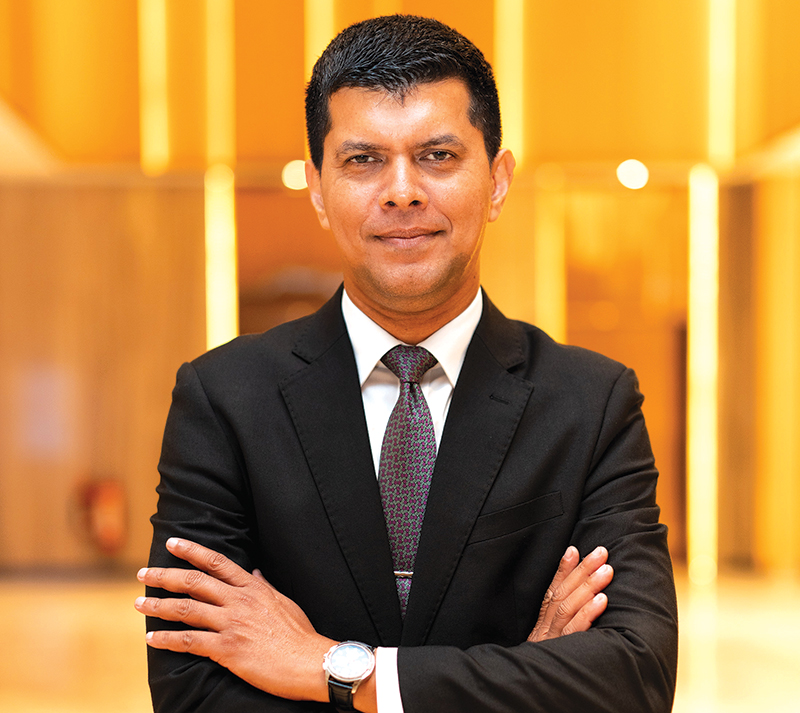
Courtyard by Marriott Colombo has welcomed Suranga Peelikumbura as its new General Manager, ushering in a chapter defined by vision, warmth, and global sophistication.
Suranga’s story is one of both breadth and depth. Over two decades, he has carried the Marriott spirit across continents, from the shimmering luxury of The Ritz-Carlton in Doha to the refined hospitality of Ireland, and most recently to the helm of Resplendent Ceylon as Vice President of Operations. His journey reflects not only international mastery but also a devotion to Sri Lanka’s own hospitality narrative.
What distinguishes Suranga is not simply his credentials but the philosophy that guides him. “Relationships come first, whether with our associates, guests, partners, or vendors. Business may follow, but it is the strength of these connections that defines us.” It is this belief, rooted in both global perspective and local heart, that now shapes his leadership at Courtyard Colombo.
At a recent gathering of corporate leaders, travel partners, and media friends, Suranga paid tribute to outgoing General Manager Elton Hurtis, hon oring his vision and the opportunities he created for associates to flourish across the Marriott world. With deep respect for that legacy, Suranga now steps forward to elevate guest experiences, strengthen community ties, and continue the tradition of excellence that defines Courtyard Colombo.
From his beginnings at The Lanka Oberoi and Cinnamon Grand Colombo to his leadership roles at Weligama Bay Marriott and Resplendent Ceylon, Suranga’s career is a testament to both resilience and refinement. His return to Marriott is not merely a professional milestone, it is a homecoming.

US build-up of warships and fighter jets tracked near Iran

Showers above 75 mm are likely at some places in the Central, Uva and Eastern provinces and in Polonnaruwa district

Zimbabwe take on Ireland with clarity about Super Eights path

CEB seeking tariff hike while making huge profits, says opposition trade union leader

BASL protest march

IMF MD here

‘Dates have the highest sugar content to fight Coronavirus’

Sunday Island 27 December – Headlines

#SundayIsland 17th December – Headlines

Sunday Island – 28th March

Sunday Island Headlines – 21 March

Sunday Island – 21st February – Headlines
-

 Life style2 days ago
Marriot new GM Suranga
-

 Business1 day ago
Ministry of Brands to launch Sri Lanka’s first off-price retail destination
-

 Features2 days ago
Monks’ march, in America and Sri Lanka
-

 Midweek Review6 days ago
A question of national pride
-

 Business6 days ago
Autodoc 360 relocates to reinforce commitment to premium auto care
-
 Opinion5 days ago
Will computers ever be intelligent?
-

 Features2 days ago
The Rise of Takaichi
-

 Features2 days ago
Wetlands of Sri Lanka: