
Features
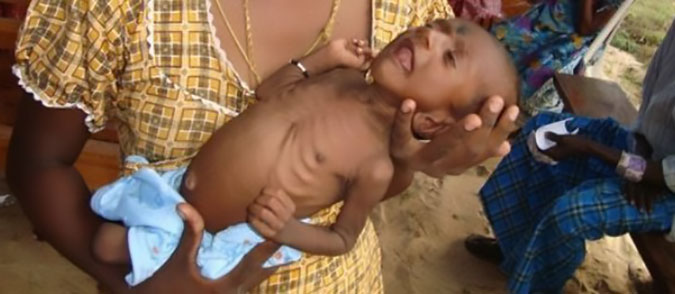
Growing challenge of food insecurity and malnutrition in Sri Lanka amidst macroeconomic crisis

By Prof. Amarasiri de Silva
Sri Lanka, renowned for its rich cultural heritage and diverse landscapes, is grappling with an unprecedented macroeconomic crisis. This crisis has given rise to acute shortages and sharp increases in the prices of essential products, creating a complex web of challenges. At the heart of this multifaceted crisis lies a severe impact on food security stemming from disruptions in agricultural production, a depleted treasury, unfavourable harvests, soaring prices, and the abrupt halting of various economic activities.
In a sobering revelation, the annual report of the Central Bank of Sri Lanka has sounded the alarm on the escalating challenges of rising malnutrition among children. This disturbing trend has emerged as a policy concern in Sri Lanka, unfolding against heightened household food insecurity. The report highlights the intricate interplay of economic and social issues that have reached a critical juncture, further exacerbated by the profound financial crisis that unfolded in 2022. As the nation grapples with this dual crisis, the implications for the well-being of its youngest citizens underscore the urgent need for comprehensive interventions to address the pressing issues of malnutrition and food insecurity.
The macroeconomic crisis in Sri Lanka has ushered in a period of significant turmoil, affecting various aspects of daily life. Agriculture, a vital sector for the country’s economy and sustenance, has been particularly hard-hit. Disruptions to agricultural production have resulted in diminished yields, contributing to the scarcity of essential food items. The depleted treasury has strained the government’s capacity to address the crisis effectively, amplifying the challenges faced by the population.
Unfavourable harvests, characterized by erratic weather patterns and environmental stressors, have compounded farmers’ issues. This has led to a situation where the supply of staple foods is insufficient to meet the demands of the population. Consequently, the prices of essential products have skyrocketed, placing an additional burden on the already strained households.
The confluence of these factors has unleashed a substantial impact on food security in Sri Lanka. Families, nationwide, are grappling with uncertainty regarding the availability and affordability of essential food items. The inability to access an adequate and nutritious diet has profound implications for the well-being of individuals, especially vulnerable groups such as children and older adults.
The report underscores the prevalence of child malnutrition in the estate sector, with the Uva province registering the highest number of food-insecure households in January 2016, followed by Sabaragamuwa. According to the DHS-2016, 31.7 percent of children in the estate sector experience stunted growth, significantly higher than the 14.7 percent in urban areas and 17.0 percent in rural sectors. Additionally, 29.7 percent of children, under five years old in the estate sector, were reported to be underweight. The DHS-2016’s depiction of Child Malnutrition Status (below five years old) from 1975 to 2016 highlights the persistent challenges in addressing this issue, with Nuwara Eliya emerging as the district with the highest prevalence of underweight and stunted children under five years.
In Sri Lanka, the tradition of milk consumption has entrenched itself in households across generations, particularly in urban areas. This practice, fostered by nutritional education disseminated through various channels such as media, school curricula, hospitals, and clinics, has steadily increased in popularity. The era before modern media saw newspapers and tabloids discussing nutrition-related topics, emphasizing the significance of cow’s milk as a crucial supplement, especially for mothers, babies, and pregnant and lactating women.
As a testament to this trend, milk consumption has seen a significant increase, which is evident in consumer statistics. Sri Lanka, ranking fourth, globally, in importing powdered milk from New Zealand, collected 283.11 million litres in 2017 through its 13 central milk processors. Despite this, the formal milk market’s share in the estimated production was around 65 percent. Notably, the National Livestock Development Board (NLDB) and MILCO (Pvt) Ltd contributed 11 million litres and 62 million litres to the production.
MILCO with its four milk factories, has extended its services to cater to numerous urban areas, broadening its reach and accessibility to a wider population. The National Livestock Development Board (NLDB) oversees the management of 31 integrated farms that harmoniously maintain livestock and coconut plantations. These farms are vital to the NLDB’s commitment to sustainable agriculture and dairy production. In addition to these integrated farms, the Board operates a dedicated training centre designed to impart practical and theoretical knowledge to farmers, contributing to skill enhancement within the agricultural community.
Recognizing the significance of expanding the impact of these initiatives, it is crucial to establish new farms in the eastern districts, particularly in areas like Ampara. The establishment of farms in these regions can influence local cattle breeders positively, enhancing the quality of cattle-rearing practices. This strategic move aligns with the NLDB’s mission to promote sustainable agriculture, foster knowledge exchange, and contribute to improving livestock management in Sri Lanka.
Examining the economic aspects, the average farm-gate price per litre of milk was Rs. 66.34 in 2017, with an average cost of production recorded at Rs. 34.69. Farmers received a guaranteed price of Rs. 70 per litre from 2017 onwards. Domestic milk production covered 42 percent of the total requirement, with the remaining deficit met through imports, primarily powdered milk, incurring an average cost of Rs. 33.6 billion. In 2016, Sri Lanka imported 94,000 MT of powdered milk, reflecting a per capita consumption of 110.33 ml of fresh milk and 341.36 g of powdered milk per month.
The Hector Kobbekaduwa Agrarian Research and Training Institute (HARTI) was surveyed in 2016, focusing on consumer preferences for milk and milk powder in the Colombo, Kandy, and Matara districts. These areas represented the highest household expenditure on milk and dairy products, with a sample size of 400 households.
Despite the apparent popularity of milk consumption, challenges persist. Child malnutrition, particularly among estate Tamils, indicates insufficient milk intake. While statistics show a range of milk consumption, the import data has sparked controversy. Some argue that the statistics are faulty, with claims that Sri Lanka’s milk production can cover 70 percent of the country’s requirement, questioning the purpose behind milk powder imports.
Furthermore, the NLB’s milk production statistics for 2018 reveal the production of 14 million litres from 11,000 neat cattle. Assuming every person in the country consumes half a litre of milk daily, the NLB’s production would only cater to 0.36 percent of the total population. Calls for increased government efforts to boost NLB’s production not only aim to enhance revenue but also to reduce foreign exchange spent on importing powdered milk.
For more detailed statistics, you can refer to the NLD Title: “Navigating Crisis: A Holistic Approach to Food Security and Dairy Sustainability in Sri Lanka’.
A significant crisis in Sri Lanka’s dairy industry is revealed by the Parliamentary Committee on Public Accounts (COPA), indicating the closure of around 14,000 small-scale farms and a sharp decline in milk production. The COPA suggests that the destruction of grasslands and land-related issues may have played a more significant role in this crisis. The cattle-rearing populations in districts like Ampara demonstrate the conversion of grasslands to other government-funded activities, a concerning trend. Instead, the government should encourage cattle-rearing farmers in districts like Ampara to increase their livestock and seek support for acquiring quality cows from abroad (e.g., India, Bangladesh), considering the unsuitability of European cows for the Sri Lankan climate.
The lack of reliable data on this sector is a persistent issue, highlighted by the death of 104 Australian goats imported for breeding, raising concerns about the suitability of European species to Sri Lanka. COPA emphasizes the importance of the Department of Animal Production and Health maintaining accurate and precise data on the industry. Such data is crucial for understanding the root causes of the crisis and formulating effective policy responses.
The Minister stresses the importance of implementing the Artificial Insemination Programme and formulating a National Policy on milk production to address industry challenges. Frustratingly, there is criticism of the government’s lack of a proper plan for the country’s dairy industry.
In the estate sector, difficulties arise from the prohibition of cattle rearing, with estate managers discouraging wage workers from raising cows. This discouragement occurs despite the potential for extra income and a valuable source of protein for their children. This dynamic complicates the factors contributing to child malnutrition in the region.
Sri Lanka has witnessed a notable surge in milk consumption, becoming a common practice among individuals of all ages. This trend sets the stage for exploring the nation’s journey toward dairy sustainability amid the growing challenges of food insecurity.
One pivotal initiative in this pursuit was the implementation of the Sri Lanka Dairy Development Project Phase I in 2012/2013. This strategic move resulted in the importation of 2,000 European-type high-yielding cattle, strategically placed in three upcountry farms: Bopaththalawa, Dayagama, and Manikpalama – all of which are currently managed successfully, as detailed on the NLDB website. Building on this success, an additional 2,500 dairy cattle were imported from Australia in 2015, finding a home at the Ridiyagama farm in the southern province.
However, this ambitious project faced challenges, as revealed by a report by Yoshita Perera in July 2020. The proprietor of Lammermoor Estate in Maskeliya, Amal Suriyage, expressed concerns about the imported cattle, citing poor conditions and the spread of Bovine Viral Diarrhoea (BVD). This setback underscored the complexities in ensuring the health and success of such large-scale initiatives.
The Ridiyagama farm, initially established in 1938 by the Department of Agriculture, underwent a series of transitions in management. Despite an efficient start under the Department of Agriculture, a decline in productivity occurred after its transfer to the Department of Animal Production & Health in 1977. Neglect further hampered operations, leading to a significant drop in curd production by 1992. Recognizing the farm’s potential, the NLDB took over in 1992.
In 2015, the Ridiyagama farm underwent a transformative process to become a modern dairy facility. The importation of 2,500 European-type dairy cattle, including breeds like Jersey x Frisian and pure jersey, aligned with the government’s policy to achieve self-sufficiency in milk production. This endeavour involved comprehensive infrastructure upgrades, implementing an intensive dairy management system, and developing 662 hectares of pasture and fodder lands to meet the needs of the imported animals and their offspring.
Following the importation of 2,500 cattle, the Ridiyagama farm emerged as the largest dairy farm in Sri Lanka, with an anticipated annual milk production of approximately 10.0 million litres starting in 2016. The project also aimed to contribute around 600-700 heifer calves to the public annually. After completing phases I & II of the Sri Lanka Dairy Development Project, NLDB’s total annual milk production surged to 14.0 million litres by the end of 2018, marking a significant increase from 3.0 million litres.
As of 2018, NLDB’s overall contribution to national milk production stands at approximately 4%, highlighting the success of their endeavours. The NLDB manages 31 integrated farms, where livestock and coconut plantations are harmoniously maintained, emphasizing their commitment to sustainable agriculture and dairy production.
This ongoing development showcases Sri Lanka’s dedication to overcoming food insecurity challenges by investing in robust dairy development projects, paving the way for a more self-reliant and resilient dairy industry despite the hurdles faced along the way.
Compounding the challenges faced by Sri Lanka is the global food crisis. The interconnected nature of the global economy means that disruptions elsewhere have a cascading effect, exacerbating the situation in Sri Lanka. The wave of upheaval in international markets has further constrained the availability of certain food products and heightened their prices.
As Sri Lanka navigates through this macroeconomic crisis, the issue of food insecurity and malnutrition looms large. Urgent and coordinated efforts are needed to address the root causes of the crisis, revitalize the agricultural sector, and ensure that essential food items are accessible to all. The collaboration of government, civil society, and international partners will play a crucial role in mitigating the impact on food security and paving the way for a more resilient and sustainable future.
The re-introduction of cattle rearing in the estate sector is proposed as a long-term measure to address the malnutrition issue among estate children. This comprehensive plan involves both short-term and long-term strategies.
Long-term Measures:Allocation of Land for Cattle Rearing: Families in the estates should be allocated land for cattle rearing. This step aims to provide a sustainable source of nutrition for the community.
Training in Modern Methods:Workers involved in cattle rearing should receive training in modern and efficient methods. This ensures that cattle re-introducing is a means of sustenance and a productive and sustainable venture.
Importation of Asian Cattle Brands: Instead of importing European cows, it is suggested to import good-quality Asian cattle from countries like India and Bangladesh. This aligns with the local conditions and promotes the use of breeds that are well-suited for the environment.
Provision of Grasslands:Cattle rearing districts should have ample grasslands for grazing. This ensures that the cattle have access to natural and nutritious food sources.
Establishment of Milk Board-like Institution: The proposal includes the establishment of an institution similar to the old Milk Board. This institution can oversee the management and regulation of fresh milk production. MILCO (Pvt) Ltd should expand its kiosks to more urban centres and also in the estate sector communities.
Short-term Measures:Nutrition Packages for Children and Pregnant Women: As a short-term measure, all children under five and pregnant women should be provided with food and nutrition packages. This addresses the immediate nutritional needs of vulnerable groups.
Nutrition Packages for Workers: Estate management in the respective districts should provide workers with a comprehensive package of nutritious foods. This ensures that the workforce remains healthy and productive.
Installation of Fresh Milk Booths:Fresh milk booths should be installed in urban areas to popularize fresh milk consumption. This initiative promotes a healthy diet and creates market demand for dairy products.
In conclusion, the proposed plan combines short-term relief measures with a sustainable long-term strategy to tackle community malnutrition. It emphasizes the importance of cattle rearing, proper training, and establishing support institutions for effective implementation.




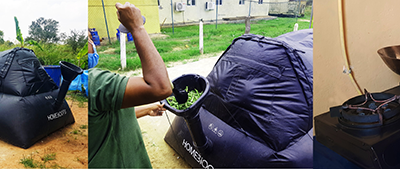



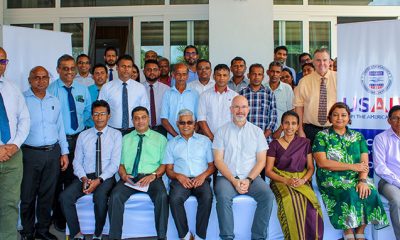


 Sri Lanka is currently well and truly trapped in the strangling grip of a devastating and severely enhanced dengue outbreak. The numbers alone are staggering; over 44,000 cases have been recorded across the island so far this year, with the highest concentration systematically suffocating the Western, Southern, and Central provinces. Hospitals and healthcare providers are under extreme pressure, but the cold metrics of morbidity do not capture the true implications and dismay of this current wave. What has profoundly shaken the public consciousness and even sent a shudder through the medical community is a grim shift in the implications for the populace.
Dengue has always been quite a threat, looming over our Motherland from time to time. Yet for all that, historically, child deaths due to the virus were relatively rare in Sri Lanka, thanks to scrupulously adhering to robust clinical guidelines, as well as exceptional paediatric monitoring and management. This year, that safety net seems to be straining quite a bit at the edges and among the reported fatalities are a tragic number of children. The virus is moving faster, hitting harder, and exposing a terrifying reality, even stressing that our existing defence mechanisms are perhaps no longer totally sufficient to deal with the problem.
In response, public health authorities have deployed their traditional arsenal. Teams are busy with intensive surveillance, conducting house-to-house inspections, enforcing strict penalties for standing and stagnant water, and sending fogging machinery through the streets to blanket neighbourhoods in chemical mists. Yet, as case counts climb by nearly 50% week over week, an uncomfortable question must be asked: Are these traditional measures sufficient, or are they bordering on an exercise in futility?
The Illusion of the Fog: Why Our Current Strategy May Be Failing?
To understand why Sri Lanka might be in a tight corner, one must look closely at the enemy. Dengue is transmitted primarily by the Aedes aegypti mosquito, a highly adapted, urbanised insect. While Aedes aegypti is widely considered the primary culprit, Aedes albopictus (commonly known as the Asian tiger mosquito) plays a massive, highly dangerous role in Sri Lanka’s dengue transmission as well. In fact, the interplay between these two species is one of the biggest reasons why controlling dengue on the island is so incredibly difficult. These two vectors behave differently, breed in different places, and require distinct strategies to combat their well-recognised roles in the propagation of the disease that is dengue. Understanding how these two mosquito species split the territory could explain why a single controlling method might not always work across the board.
Aedes aegypti mosquitoes are strictly urban and indoor creatures. They live alongside humans inside houses, apartments, and in heavily built-up commercial areas. They rest on dark clothes in closets, under furniture, and behind curtains. They breed in artificial containers, clear, stagnant water in flower vases, plastic cups, concrete sumps, and overhead tanks. They prefer human blood almost exclusively and bite multiple people to get one full meal, thereby spreading the dengue virus rapidly within even a single household.
In contrast, Aedes albopictus is semi-urban and rural, thrives in vegetations, gardens, rubber plantations, and peri-urban areas where green spaces meet houses. The creature rests in shaded bushes, high grass, and low canopy foliage, as well as holes in trees, leaf axils, coconut shells, discarded tyres and trash. The biting behaviour of these mosquitoes is opportunistic. They bite humans but also feed on birds and domestic mammals, indicating that they can survive easily even when human density is low.
The traditional responses we rely on, most notably thermal fogging, are largely cosmetic public relations exercises rather than a totally effective vector control mechanism. Such fogging misses indoor resting sites, drives resistance, and stagnant water elimination fails against cryptic, microscopic breeding sites.
Fogging utilises “adulticides“, chemical sprays meant to kill flying mosquitoes. However, Aedes aegypti is a domestic creature; it rests indoors, hidden in the dark recesses of closets, under beds, and behind curtains. A fogging process achieves very little penetration into these indoor sanctuaries. Furthermore, over-reliance on these pyrethroid-based chemical sprays has accelerated insecticide resistance, effectively rendering the chemicals useless over time.
Similarly, while the National Dengue Control Unit (NDCU), to their eternal credit, aggressively pursues the elimination of visible standing water, the sheer adaptability of the mosquito outpaces manual human labour in trying to eliminate the breeding places of the vectors. Aedes eggs can remain dormant in dry containers for months, hatching the moment a drop of water touches them. In dense, urbanised areas like Colombo and Gampaha, microscopic breeding sites, from the rim of a discarded plastic bottle cap to the base of an indoor potted plant, are impossible to completely police.
If we continue to rely solely on manual cleaning and chemical fogging, we are fighting a twenty-first-century climate-driven crisis with mid-twentieth-century tools. We must look beyond our borders to see how global science is shifting the paradigm of mosquito control.
The Biological Frontier: Insects fighting Mosquitoes
When searching for international alternatives, many look towards the United States, where vector control districts manage complex mosquito populations across diverse ecosystems. A common point of curiosity is the historical use of “mosquito-eating insects.”
In the US, biological control has long featured predatory species. While some point to insects like dragonfly nymphs or giant non-biting mosquito larvae (Toxorhynchites, which actively prey on other mosquito larvae), the most widely used traditional biological agent in American municipal water systems is actually the Gambusia affinis, commonly known as the “mosquitofish.” A single one of these surface-feeding fish can devour hundreds of mosquito larvae a day.
However, American vector management has largely evolved past simply dumping predatory fish into ponds. The true modern frontier in global mosquito control relies on advanced biological and genetic interventions that turn the mosquitoes against themselves.
1. The Wolbachia Revolution
Perhaps the most successful international intervention against dengue is the introduction of Wolbachia-infected mosquitoes. Wolbachia is a naturally occurring bacterium found in up to sixty per cent of all insect species, but crucially, not naturally present in Aedes aegypti.
When scientists introduce Wolbachia into Aedes mosquitoes in a laboratory and release them into the wild, two extraordinary things happen: –
· Viral Suppression: The bacterium competes with viruses like dengue, Zika, and chikungunya inside the mosquito’s body, making it incredibly difficult for the virus to replicate. If the virus cannot replicate, the mosquito cannot transmit it to a human.
· Population Replacement:
Through a mechanism called cytoplasmic incompatibility, when a Wolbachia-carrying male mates with a wild female that does not carry the bacteria, her eggs do not hatch. If a Wolbachia female mates with a wild male, her offspring will carry the bacteria. Over time, the local mosquito population is entirely replaced by harmless, non-transmission-capable mosquitoes.
In comprehensive global trials, such as those conducted by the World Mosquito Programme in Yogyakarta, Indonesia, the introduction of Wolbachia mosquitoes led to a staggering 77% reduction in dengue incidence and an 86% reduction in dengue-related hospitalisations.
2. Sterile Insect Technique (SIT) and Genetic Modifications
Other countries, including parts of the US (such as the Florida Keys) and Brazil, have turned to genetic engineering. Using the Sterile Insect Technique (SIT) or advanced genetic variants (like those developed by Oxitec), millions of bio-engineered male mosquitoes are released into the wild. Because male mosquitoes do not bite humans, and they feed exclusively on nectar, thereby posing zero risk to the public. These males mate with wild females, but pass on a self-limiting gene that causes the female offspring to die in the larval stage before they can ever mature, bite, or transmit disease. This results in a drastic collapse of the localised vector population without the use of even a single drop of toxic chemical pesticide.
Moving beyond the Status Quo: A Blueprint for Sri Lanka
The current dilemma in Sri Lanka is a classical gridlock: we are deploying immense physical effort and economic capital into vector control measures that yield diminishing returns, while our clinical wards fill with critically ill patients. If we are to break this cycle, our public health policy must undergo a rapid structural evolution
We cannot instantly replicate the multimillion-dollar genetic laboratories of the West, but we can modernise our strategy immediately by adopting a highly targeted, multi-tiered approach.
Comprehensive Vector Management Strategy
The following are some thoughts that need to be carefully evaluated in a venture towards getting things under control.
· Shift from Adulticides to Target Microbial Larvicides Immediate Phase
Cease the reliance on sweeping chemical thermal fogging. Instead, deploy specialised microbial larvicides such as Bacillus thuringiensis israelensis (Bti). Bti is a naturally occurring soil bacterium that, when ingested by mosquito larvae, destroys their digestive tracts. It is completely non-toxic to humans, pets, and other aquatic life, and can be distributed via localised backpack sprayers or drones into inaccessible urban sumps.
· Scale Up Localised Wolbachia Trials Intermediate Phase
Sri Lanka has previously initiated small-scale, localised pilot releases of Wolbachia mosquitoes in select urban pockets. Given the severity of the 2026 outbreak, these programmes must be aggressively scaled up into an industrial-level national initiative. Public-private partnerships must be leveraged to establish sustainable, high-capacity mosquito-rearing facilities locally.
· Implement Digital Ovitrap Surveillance Continuous Integration
Replace manual, retroactive searching with predictive digital mapping. Deploy networks of smart “ovitraps” (oviposition traps) across high-burden provinces. These traps monitor egg-laying rates in real-time, allowing automated data systems to predict a spike in the adult mosquito population weeks before an actual clinical outbreak occurs, enabling preventative targeting.
The Cost of Inaction
Maintaining our current trajectory is not a neutral choice; it is an endorsement of escalating mortality. The 2026 outbreak has proven that the ecological dynamics of dengue have changed, fuelled by changing weather patterns and urban density. Our public health response must change with it.
The heart-breaking loss of young lives in this current surge must serve as a stark wake-up call. We must look at the international landscape, embrace the biological innovations that have saved lives across the globe, and transition from a policy of panic-driven reaction to one of scientific eradication. It is no longer just a matter of cleaning our drains; it is a matter of upgrading our science.
Why Aedes albopictus Makes the Sri Lankan Crisis Harder
In Sri Lanka, the geographic landscape transitions quickly from dense concrete cities to lush, tropical vegetation. This creates the perfect environment for both species to thrive simultaneously.
· The Surveillance Blindspot: When health authorities focus heavily on checking indoor water storage and concrete drains in cities, they can completely miss the massive Aedes albopictus populations breeding in the surrounding vegetation, suburban gardens, and rural homesteads of the Southern and Central provinces.
· The Failure of Indoor Fogging:
While indoor residual spraying or targeted indoor fogging might hit Aedes aegypti, it has virtually no effect on Aedes albopictus, which spends its life cycle outdoors in the bushes.
· Climate Resilience:
Aedes albopictus eggs are remarkably tolerant of colder temperatures and varied environments. This allows the vector to push higher into the mountainous terrains of the Central Province, bringing dengue to areas that historically saw very few cases.
To truly bring down the case numbers in a severely enhanced outbreak, public health interventions must be dual-targeted: addressing the indoor, urban threat of Aedes aegypti while simultaneously tackling the outdoor, ecological stronghold of Aedes albopictus. We cannot sit back on our laurels of the past. We need to move forward resolutely.

R. W. Ievers, who wrote this poem, was the Government Agent of the North Central Province during 1884, 1886, and 1890. He is the author of the Manual of the North Central Province (1899) and a half dozen published reports on the life and practices in the Province. Before his death, he shared it with his good friend H.C.P. Bell, the Archaeological Commissioner of Ceylon at the time. In 1917, Bell had it published in the Times of Ceylon – Christmas Number. Since then, it remained unknown for 109 years, until Ievers’s great-grandson, Turtle Bunbury, historian and author of Living in Sri Lanka (2006) with James Fennell, tipped me off about its source – H.C.P. Bell: Archaeologist of Ceylon and the Maldives (1993), written by Bell’s granddaughters Bethia N. Bell and Heather M. Bell.
THE ANTHEM
Anuradhapura! City grand and vast,
Lanka’s famous Capital, in ages of the past:
In the Mahawansa the story has been told
Of thy palaces, and temples, and pinnacles of gold.
Hail! then hail! to the worth of a bygone day,
Hail! all hail! to the relics of kingly sway
Hail to thee, Fair City, glorious in decay,
Hail! thrice hail! Forever and for aye!
Si monumentum quaeris
– cast your gaze around
Ruined fanes and dagobas everywhere abound
Alas! for glory faded, for erstwhile beauty sped
For hierarchs and heroes, long numbered with the dead
Hail! then hail!…
Great Ruwanaveli Seya, once fairest of the fair,
The splendour of thy palmy days has melted into air;
And like Imperial Caesar now ‘dead and turned into clay’,
Thy sacred bricks ‘may stop a hole to keep the wind away.’
Note by Tillakaratne:
Since 1873, Bhikku Naranvita Sumanasara has been doing conservation work on this stupa. In 1876, Governor William Gregory, after visiting the work site, wrote that its conservation was not just a religious work but a great National Monument.
See ‘Bayagiri’ massive – ‘Fearless Mount’ forsooth – Centre once of schism rank, from ‘Great Vihara’ truth.
Patched up by prison labour, anew it flaunts on high
A ‘hideous excrescence’ athwart a tranquil sky.
Note by H. C. P. Bell
: T. N. Christie, Planting Member at the time protested in the Legislative Council against the abortive “restoration” by prison labour of the Abhayagiri Dagaba, dubbing its truncated pinnacle, half restored, a “hideous excrescence”.
Jetawanarama, Great Sena’s priestly boon
Comely shape and giddy height will crumble all too soon;
Where forest trees and chequered shade a peaceful picture lend,
From cruel axe and ruthless spade, may gracious Heaven defend.
Note by H. C. P. Bell:
Two decades after these poems were written, the surrounding area of the Jetawanarama was still covered in forest, and the Atamasthana Committee conditionally allowed a monk to clear a limited number of trees. But not a tree remained unfelled, contrary to what the monk was authorized to do.
Thuparama graceful, in outline clear and bold,
Begirt with column chaste and slim, a gem in the ring of gold
To thee pertains high honour a pious people gave – The tomb of Sanghamitta, and Prince Mahinda’s grave.
Note by
H. C. P. Bell: The ruins are pointed out, wrongly, as the tradional tombs of Arahat Mahinda and Sanghamitta Theranee.
With bricks and mortar bolstered up, behold the Sacred Bo;
To some – misguided mortals – ‘tis but a ‘bo-gas’ show.
Where humble Mirisveti a monarch’s fad recalls,
Lo! Royal Siam’s silver now builds its futile walls.
Note by H. C. P. Bell:
According to Mahawansa, Mirisavetiya was so named after King Dutugemunu’s compunction at forgetting chillies (miris) in his alms giving to monks on one occasion. The restoration work on the Mirisavetiya began under the Ceylon Government, with funds provided by the King of Siam. When the money flow began to cease, work also ceased, and bats began to frequent the holed structure.
-

- Ruwanveli Seya in the background. Murage in the front c. 1900 From Sacred City of Anuradhapura (1908)
-

- Bhayagriya (Abhayagiriya) c. 1900 From: Sacred City of Anuradhapura (1908)
-

- Jetawanaramaya c. 1900. From Sacred City of Anuradhapura (1908)
What need to tell of sculptures, of ‘pokunas’ galore,
Of balustrades and Yogi stones and half a hundred more,
Of Brazen Palace spacious, with gilt-roofed storeys dight –
A modern race more ‘brazen’ would desecrate each site.
For midst these sacred ruins of shrines and cloistered hall,
A reckless generation disports with little balls,
Whilst ‘Parliamentary language’ and imprecations deep
Disturb the peaceful solitude where saintly Rahats sleep.
Note by H. C. P. Bell:
After European residents, old city Anuradhapura in the late 19th century, the area still being cleared between Ruwanveli Seya and Thuparama, was used a ‘golf links’. Ievers did not like the area used as a playground:
Iconoclasts and vandals have had their little day;
No more shall ancient pillars to culverts find their way.
No more a watchful Government such sacrilege condones –
One may not meddle with the gods, nor tamper with the stones.
Anuradhapura! Thy glory shall revive;
Yhu [sic] sons shall swarm within thee like bees about a hive.
The effort of the present for past neglect atones;
New breath of life resuscitates this vale of driest bones.
Composed by R. W. Ievers
(1850-1905)
Introduced by Lokubanda Tillakaratne

For thousands of Sri Lankans living with limb loss and physical disabilities, access to quality rehabilitation services remains a significant challenge. Yet, for more than three decades, our organisation has quietly transformed lives through innovation, compassion and community-based care. The Meththa Rehabilitation Foundation Guarantee Limited (MRFGL), supported by the Meththa Foundation-UK and in partnership with the Manitha Neyam Trust, the LEBARA Foundation and the Oblates of Mary Immaculate in Jaffna, emerged as one of Sri Lanka’s most effective voluntary rehabilitation service providers, restoring mobility, independence and dignity to some of the country’s most vulnerable citizens.
The Foundation’s roots stretch back to 1994, when a group of expatriate Sri Lankan professionals in the United Kingdom recognised the severe shortage of rehabilitation services available to disabled persons in Sri Lanka. Drawing upon their expertise in rehabilitation medicine and allied healthcare professions, they established the Meththa Foundation-UK with a simple but powerful vision: to provide affordable, high-quality prosthetic and rehabilitation services to those who needed them most.
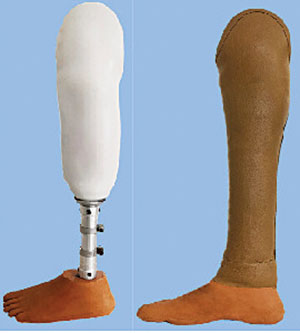
Below knee artificial limb Designed and made at Mahawa
What began as an effort to recycle and repurpose high-quality prosthetic components donated by the UK’s National Health Service has evolved into a comprehensive rehabilitation network serving communities across the island.
Clinical services commenced in Sri Lanka in 1995 through a mobile outreach programme that initially supported injured soldiers and later expanded to civilians affected by conflict and disability. The majority of them were victims of land mines. In 2010, the Sri Lankan arm of the organisation was formally registered as the Meththa Rehabilitation Foundation Guarantee Limited, strengthening its ability to deliver sustainable services nationwide.
Today, the Foundation operates four modern rehabilitation centres located in Mahawa, Mankulam, Balapitiya and Kilinochchi. These centres provide prosthetic and orthotic services, posture and mobility support, limb repairs, and rehabilitation assistance to patients from diverse social and economic backgrounds.
Recognising that many disabled individuals live in remote areas with limited access to healthcare, Meththa Foundation also established a mobile outreach service in 2011. Through a successful “Hub and Spoke” model, rehabilitation teams travel regularly to underserved communities, ensuring that patients are not denied care simply because of distance or financial hardship.
The scale of the Foundation’s work is impressive. During 2025 alone, the organisation recorded approximately 2,000 patient contacts, including the provision of 350 new artificial limbs, 850 limb repairs and around 800 other rehabilitation devices. For many beneficiaries, these interventions represent far more than medical treatment; they offer a pathway back to employment, education and social participation.
Innovation has become a hallmark of the Foundation’s approach. Through an active research and development programme, MRFGL has developed affordable prosthetic technologies specifically suited to Sri Lankan conditions. Among its achievements is the development of a modular below-knee artificial limb system manufactured largely from locally sourced materials. The Foundation has also designed low-cost prosthetic knee components that significantly reduce the financial burden on patients while maintaining quality and functionality. These developments are funded by generous International Grants facilitated by affluent members of the Meththa Foundation-UK. Service users are encouraged to donate whatever they can but for those who cannot, which is a majority the services are entirely free.
These innovations not only make rehabilitation more affordable but also strengthen local manufacturing capabilities and reduce dependence on imported components.
Equally important is the Foundation’s commitment for building local expertise. Recognising the shortage of trained rehabilitation professionals in Sri Lanka, Meththa Foundation
established an apprentice-based vocational training programme that recruits and trains young people as prosthetists, orthotists and rehabilitation technicians. Several locally trained staff members are now employed across the Foundation’s centres, helping to create a sustainable workforce for the future.
The organisation’s work has attracted growing recognition within the healthcare sector. Discussions have already taken place with health authorities regarding the potential use of Meththa-designed prosthetic components within Government hospitals. Such collaboration could significantly expand access to affordable rehabilitation services throughout the country.
Beyond its clinical achievements, the Foundation’s impact is measured in restored confidence and renewed independence. Surveys conducted among beneficiaries indicate that many educated amputees successfully return to productive lives after receiving rehabilitation support. However, the findings also highlight an ongoing challenge among poorer and less educated amputees, many of whom struggle to access follow-up care due to transportation difficulties and financial constraints.
To address this issue, the organisation hopes to -expand its mobile services and community outreach programmes. Additional funding would allow rehabilitation teams to reach isolated communities more frequently, ensuring that vulnerable patients continue to receive the support they need.
Operating on an annual expenditure of approximately Rs. 30 million in Sri Lanka, supplemented by overseas fundraising and donations, the Foundation remains heavily reliant on the partnership of charitable trusts such as the Manitha Neyam Trust and LEBARA Foundation and generosity of individual well-wishers. Every contribution directly supports the provision of artificial limbs, mobility devices, training programmes and outreach services for those who might otherwise be left behind.
As Sri Lanka continues to strengthen its healthcare and social welfare systems, organisations such as the Meththa Foundation demonstrate how innovation, volunteerism and dedication can create lasting social
By helping individuals regain mobility and independence, the Foundation is not merely providing artificial limbs—it is rebuilding lives and restoring hope.
For many “beneficiaries, every step they take is a testament to the life-changing work of the Meththa foundation
www.meththafoundation-sl-uk.org
Chairman’s WhatsApp contact number +94 77 788 6119
Prof S P Lamabadusurira, Chairman and Dr B Panagamuwa, ✍️
First Trustee

Should not drop someone just to give Sooryavanshi an opportunity: Sitanshu Kotak

Hetmyer, Stoinis and Jasdeep combine to hand Freedom 88-run defeat

Row over alleged theft of donations from India’s landmark Ram temple

Over 40 persons injured in head on crash at Talalla

Turkiye beat US 3-2 with stoppage-time goal in dead rubber

Japan draw 1-1 with Sweden at World Cup to finish second in Group F

‘Dates have the highest sugar content to fight Coronavirus’

Sunday Island 27 December – Headlines

#SundayIsland 17th December – Headlines

Sunday Island – 28th March

Sunday Island Headlines – 21 March

Sunday Island – 21st February – Headlines
-

 News7 days ago
Creditor not yet paid
-
 News7 days ago
Consumers bearing 22% tax burden despite 18% VAT claim: Dr. Harsha de Silva
-

 Features6 days ago
Nanda Pethiyagoda Wanasundara as three generations of family saw her
-

 Features5 days ago
Sri Lanka developing independent hydrographic capabilities
-

 Editorial6 days ago
Fuel crisis: Beyond price debate
-

 Opinion4 days ago
Ranasinghe Premadasa: The man who would not take ‘No’ for an answer
-

 Latest News5 days ago
Sooryavanshi thumps fastest List A fifty as India A win tri-series
-

 News3 days ago
US Assistant Secretary of State for South and Central Asian Affairs meets President