
News
Group of Four affiliated to SLPP manipulates paddy prices, says DEW

Weerasumana warns of fresh youth unrest
by Shamindra Ferdinando
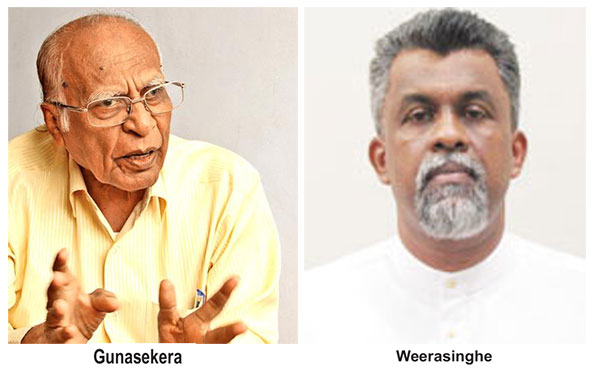
Former Minister DEW Gunasekera has alleged that the four major millers representing the interests of the ruling Sri Lanka Podujana Peramuna (SLPP) decides the price of rice, according to the Communist Party organ, Aththa (13 Feb).
DEW Gunalasekera last represented Parliament on the UPFA National List in 2015.
Addressing the Matara District Convention of the Communist Party recently, the one-time General Secretary of the party Gunasekera explained how the group of four bought about 46 percent of the total paddy production, hoarded and then released the stocks to the market a year later, thereby retaining the capability to decide the market prices.
The veteran politician said that the public were aware of the real reason for the crisis in the market due to manipulation of the market.
The Cabinet of Ministers on 27 Sept. last year removed the price controls imposed on rice, rescinding the previously issued Gazette Notification on maximum retail and wholesale prices of rice.
The former lawmaker, who had led the Committee on Public Enterprises (COPE) investigation into the Treasury bond scams perpetrated in 2015 February, told the CP gathering that corruption could never be eliminated. However, waste, corruption and irregularities could be controlled, the ex-MP said, underscoring the failure on the part of those responsible to correctly identify the daunting challenges faced by the country.
Pointing out the economic crisis experienced by the US economy, the former minister emphasised that both the US and Sri Lanka printed money excessively though our currency wasn’t acceptable for international trade.
Gunasekera stressed that the national economy was in bad shape as a result of the preparation of fiscal policies by successive governments to suit new-liberal strategies. Declaring the current crisis as the worst ever since the country gained independence over seven decades ago, Gunasekera advised the government that the overwhelming crisis couldn’t be resolved by printing money.
According to available official records the government during 2021 has printed a staggering Rs 678.33 bn.
Gunasekera urged the government to take tangible measures to enhance government revenue or face the consequences. The CP veteran recalled the relevance of the economic proposals once proposed by Dr. S. A. Wickremesinghe. The former Minister regretted that the crisis hasn’t resulted in a wider discussion involving all stakeholders as well as the public.
CP member Weerasumana Weerasinghe said that their party, too, was responsible for exploring ways and means of addressing current challenges.
Matara District MP Weerasinghe said that the country paid a huge price for wrong economic policies pursued by successive governments. The CP contested the last general election on the SLPP ticket. However, the CP could win only one seat whereas the promised National List was not given.
Pointing out that the growing unemployment posed quite a threat, lawmaker Weerasinghe said that the Matara district was the worst affected. Emphasising the urgent need to address the issues at hand, MP Weerasinghe said that the failure on the part of those responsible to address unemployment could create a dangerous situation. Referring to JVP-led insurgencies in 1971 and 1987-1990, MP Weerasinghe stressed the need to address the grievances of the youth.
When The Island asked ex-Minister Gunasekera whether he could name those who fixed the market prices of rice, he said there were two Polonnartuwa- based businessmen, in addition to Dudley Sirisena and State Minister Siripala Gamlath.
Gunasekera alleged that the government has caused a catastrophic situation by taking hasty decisions on matters of importance. The ban on fertiliser and agro chemicals was a glaring example of bad decision making, the former CP General Secretary said.

News
The guidance of Religious Leaders is essential to strengthen coexistence among communities. — Prime Minister

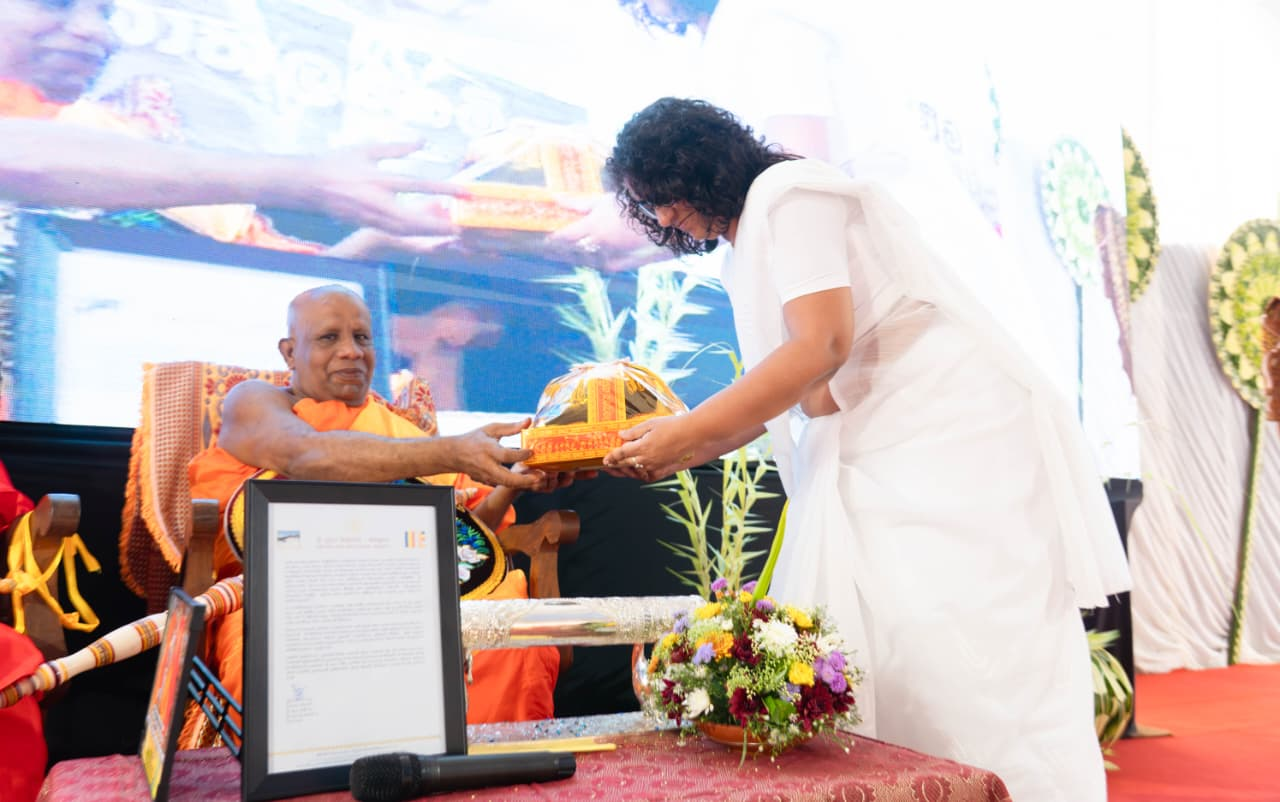
Prime Minister Dr. Harini Amarasuriya stated that the guidance or religious leaders is essential to further strengthen harmony and solidarity among communities in multicultural areas such as Anamaduwa, where Sinhala, Tamil, and Muslim communities live together.
The Prime Minister made these remarks while addressing the official ceremony of presenting the Sannas Patra to confer the title of Chief Sanghanayaka of the Rajavanni and Kumaravanni two provinces upon Venerable Dharmakeerthi Sri Pangnananda Nayaka Thero of Anamaduwa. The ceremony was held on Wednesday (13) at Sudampaya, Anamaduwa.
The event was held under the patronage of the Anunayaka Thero of the Malwathu Chapter, Most Venerable Niyangoda Vijithasiri Thero. During the ceremony, Prime Minister Dr. Harini Amarasuriya formally presented the official declaration appointing Venerable Dharmakeerthi Sri Pangnananda Nayaka Thero as the Chief Sanghanayaka of the Rajavanni and Kumaravanni provinces. The ceremonial Vijinipatha was presented by Opposition Leader Sajith Premadasa.
Addressing the gathering, the Prime Minister stated:
“Venerable Dharmakeerthi Sri Pangnananda Nayaka Thero of Anamaduwa is a distinguished member of the Maha Sangha who has rendered invaluable service to both the Buddha Sasana and the education sector through the country nearly 50 years of monastic life and 35 years of service as an educator.
His service is not confined merely to religious observances. He has sheltered the children and people of the area in times of both hardship and happiness. In particular, it is important to remember the humanitarian leadership he demonstrated in providing relief to the people of the Puttalam District affected by cyclone Ditwah, which became a source of strength for the entire region.
His dedication towards restoring and preserving historic religious sites, including the Paramakanda Rajamaha Viharaya, for future generations is commendable.
As the government strives to lead the country towards ’a new era of renaissance’ built upon compassion and solidarity, the guidance and blessings of religious leaders such as him are of immense value to the government”.
The occasion was graced by the presence of members of the Maha Sangha representing the three Nikayas, clergy of other religions, and attended by the Governor of the North Western Province, Minister of Public Administration, Provincial Councils and Local Government Chandana Abayarathna, Diyawadana Nilame Nilanga Dela Bandara, Members of Parliament, government officials, and a large number of devotees.
[Prime Minister’s Media Division]
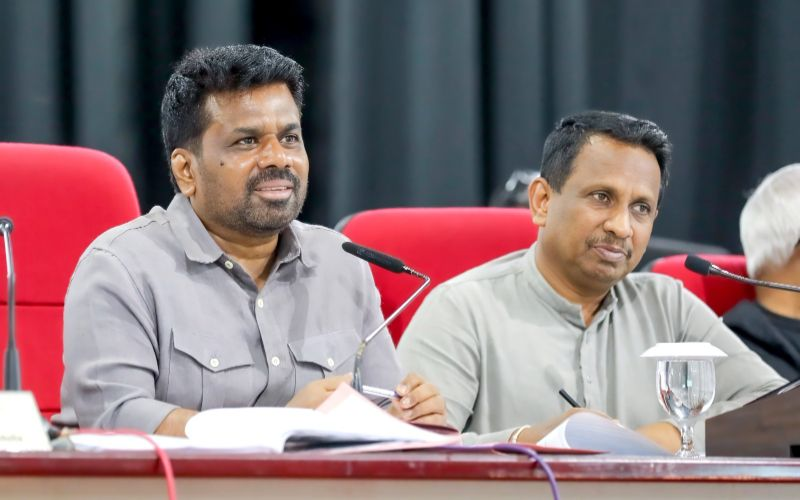
A Special Coordination Committee meeting for the Badulla District was held on Wednesday (13) afternoon at the Badulla District Secretariat under the patronage of President Anura Kumara Dissanayake to review the progress of measures taken to restore normalcy to the lives of people affected by the cyclone “Ditwah” and to develop infrastructure in the district.
As a result of the disaster situation, 90,667 individuals belonging to 26,517 families in the Badulla District were affected. A total of 77 estate houses and 507 rural houses suffered complete damage. In addition, 1,376 estate houses and 1,474 rural houses have been identified as high-risk dwellings. Accordingly, the total number of families that need to be resettled in the Badulla District is 3,434. During the meeting, the President inquired separately at divisional secretariat level about the resettlement process and the issues that had arisen.
Special attention was also given to the speedy release of state lands currently occupied by private companies, which have been proposed for resettlement purposes. The President instructed officials to commence housing construction work immediately after reaching agreement among the relevant institutions regarding the release of these lands.
The President further emphasized the need to expedite the resettlement process and stated that authorities should move beyond reports and plans and ensure that people who lost their homes gain confidence and hope in owning a new house.
The President also instructed that people who are hesitant about relocating to different lands should be given time until June 15 to make a decision.
The President separately reviewed the progress of compensation payments to affected people in the Badulla District, including compensation for loss of livelihoods, compensation for small and medium-scale business establishments, housing rental assistance and compensation for loss of life.
Attention was also drawn to the process of removing sand and rocks deposited on paddy fields and agricultural lands due to the disaster. It was decided to provide an allowance of Rs. 25,000 per acre for this purpose and to implement the programme with the support of farmer organizations.
Special focus was also given to the development of roads in the Badulla District damaged by the disaster. The President instructed that work on all 21 affected roads under the Road Development Authority be completed within this year.
The President also inquired about the programme being carried out for provincial road development and the required allocations and instructed officials to prepare and submit estimates for the necessary funding for all those roads.
The President further instructed officials not to consider financial constraints as an obstacle in restoring normal life for those affected by the disaster. President Dissanayake stated that the district should recover from the destruction caused by the cyclone within this year and be prepared to restart the Badulla District development programme from next year onward.
Also attending the meeting were Badulla District Coordination Committee Chairman and Minister of Plantation and Community Infrastructure, Samantha Vidyarathna; Co-Chairman and Uva Province Governor, Attorney-at-Law Kapila Jayasekara; Deputy Minister of Tourism, Ruwan Ranasinghe; Deputy Minister of Youth Affairs, Dinidu Saman Hennayake; Members of Parliament Kitnan Selvaraj and Ravindra Bandara; the Mayors of Badulla and Bandarawela Municipal Councils; Chairpersons of Local Councils; public representatives; the Chief Secretary of the Uva Province; the District Secretary; government officials of the Badulla District; Heads of relevant Departments; and representatives of the security forces.
(PMD)
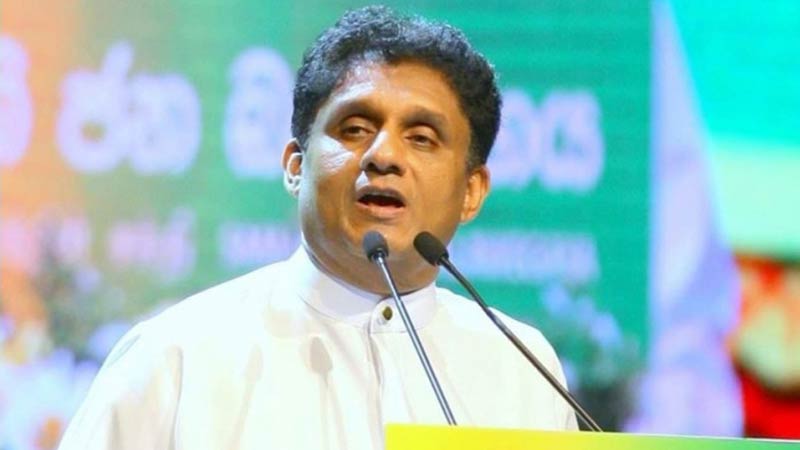
Alleging that the Public Utilities Commission of Sri Lanka (PUCSL) has shifted the massive losses, caused by the coal scam, to the hapless public, Opposition and SJB Leader, Sajith Premadasa, has questioned the conduct of the regulator, noting that it is mandated to protect the interests of both the service provider and the consumers.
Premadasa alleged that the PUCSL ignored the representations made by the SJB on behalf of local industries.
Premadasa said that the PUCSL had authorised the latest 18% increase, in response to the request made by the recently established National System Operator (Pvt) Ltd (NSO), on behalf of the NPP government.
The PUCSL was established in terms of the Public Utilities Commission of Sri Lanka Act, No. 35 of 2002. Although the PUCSL was supposed to function as a multi-sector regulator for electricity, water services and petroleum industries, successive governments refrained from bringing water services and petroleum industries under its purview.
The Opposition leader alleged that the PUCSL did the bidding of the government.
Since January this year, PUCSL has increased electricity tariffs on three occasions. The latest came into operation on 11 May.
The PUCSL consists of Prof. K. P. L. Chandralal (Chairman), Engineer Piyal Henanayake (Deputy Chairman), Dr. M.C.S. Fernando, and Lilantha Samaranayake, PhD.
Premadasa said that instead of taking tangible measures to recover the unbearable losses caused by the coal scam, the government burdened the entire country through the PUCSL.
“Don’t forget that the government is shielding its henchmen responsible for the coal scam at the expense of the country,” MP Premadasa said, pointing out that there couldn’t have been any dispute over their culpability, after the National Audit Office (NAO) found fault with the Energy Ministry for granting the tender for the supply of coal for the 2025/2026 season to a company not qualified even to participate in the tender process.
The SJB leader declared that the resignation of Energy Minister, Kumara Jayakody, and its Secretary, Prof. Udayanga Hemapala, in the immediate aftermath of Parliament defeating a no-faith motion against the Minister was meant to protect the ruling party.
The PUCSL has stated that the NSO received Rs 15 bn from the government to grant relief to 95% of the consumers. “How could the PUCSL justify unbearable electricity tariff increases for the remaining 5% of the consumers, knowing very well that it will destabilise key sectors in the economy?” a power sector expert said.
By Shamindra Ferdinando

Vaibhav Sooryavanshi picked in India ‘A’ squad for one-day tri-series in Sri Lanka

Saudi Arabia set to host Dunes League T20 from October

The guidance of Religious Leaders is essential to strengthen coexistence among communities. — Prime Minister

‘Watermelon deaths’ in Mumbai puzzle investigators

Mass sex abuse allegations force closure of boarding school in Indonesia

Gunshots fired in Philippine Senate where lawmaker wanted by ICC is holed up

‘Dates have the highest sugar content to fight Coronavirus’

Sunday Island 27 December – Headlines

#SundayIsland 17th December – Headlines

Sunday Island – 28th March

Sunday Island Headlines – 21 March

Sunday Island – 21st February – Headlines
-
 News5 days ago
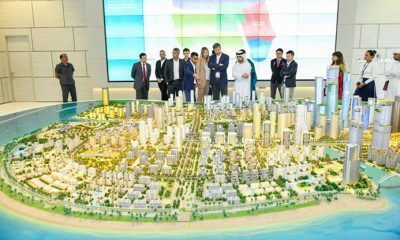
Lanka Port City officials to meet investors in Dubai
-
 News2 days ago
Ex-SriLankan CEO’s death: Controversy surrounds execution of bail bond
-
 News6 days ago
SLPP expresses concern over death of former SriLankan CEO
-

 Editorial7 days ago
The Vijay factor
-
 News6 days ago
Police inform Fort Magistrate’s Court of finding ex-CEO of SriLankan dead under suspicious circumstances
-
Features3 days ago
High Stakes in Pursuing corruption cases
-
 Features3 days ago
When University systems fail:Supreme Court’s landmark intervention in sexual harassment case
-
 Features7 days ago
Palm leaf manuscripts of Sri Lanka – 1