
News
FSP accuses President of taking country on 1977 path to disaster

Budget 2023
By Rathindra Kuruwita
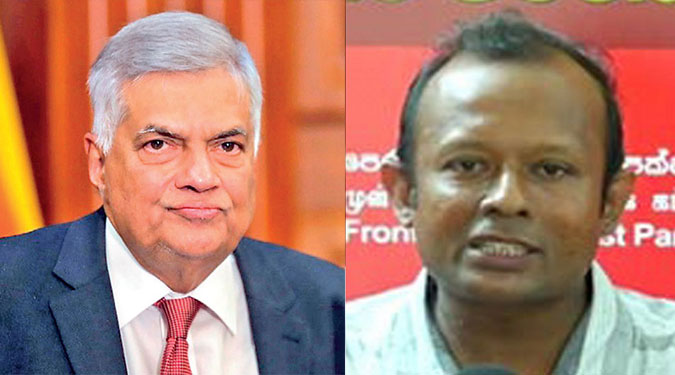
President Ranil Wickremesinghe is all ot to reverse people’s hard-won victories, Education Secretary of the Frontline Socialist Party (FSP) Pubudu Jayagoda says.
“Wickremesinghe talks about moves to introduce revolutionary changes to the country. His budget is anything but that. He repeats the criticism that progressive forces have been making for decades, but the solutions he has suggested are anti-people,” he said.The President is all out to destroy the welfare state and following in the footsteps of his uncle, JR Jayewardene, Jayagoda said.
“He is trying to usher in the reforms that Margaret Thatcher introduced.”
The 2023 budget proposals would even give the IMF economists a pause, the FSP stalwart said.
“The IMF has similar ideas but at least they pay lip service to the importance of maintaining basic social welfare mechanisms. Wickremesinghe’s proposals will destroy all low- and middle-income families,” Jagoda said.
“Wickremesinghe in his budget says that he wants the majority of Sri Lankans to benefit from economic development. Echoing leftists, he has claimed that there should be income redistribution.
“We must look at what he is doing. He quotes the Buddha and says that loans must be used for investments and not consumption. Leftists have been saying for decades that loans should be used to boost productive capacity. However, what have governments done since 1977? They have borrowed heavily and used them on white elephants. We have also built a lot of infrastructure but unlike in China, the infrastructure we built is not linked with factories. This infrastructure does not promote productive forces. President Wickremesinghe has been in Parliament for decades. He was a minister and prime minister for decades. He is now the President. Has he used loans for proper investments? He doesn’t practice what he preaches,” the FSP Education Secretary said.
When the country has hit rock bottom Wickremesinghe and his lackeys claim that we have taken too much debt and wasted it on consumption, he said. “The same people who borrowed like there is no tomorrow have suddenly discovered that borrowing like gambling addiction is bad. However, Wickremesinghe doesn’t tell us what his plans for developing and expanding the manufacturing capacity is,” he said. Jayagoda said that the budget proposal has nothing to build confidence among investors and producers. The small and medium scale investors are in serious trouble and they have been begging for relief for months, Jayagoda said.
“Wickremesinghe wants to give tax concessions to multinationals, and he wants to undermine local manufacturing. Wickremesinghe talks about building infrastructure and facilitating investors. However, his budget has nothing for SMEs that employ millions,” he said. Jayagoda said that the government also plans to fast-track free trade agreements. This will be done while weakening the local industries, he said.
“The workers of Sri Lanka have won certain rights after making enormous sacrifices. Wickremesinghe wants to destroy all that. Soon all laws that protect workers’ rights will be abolished. Taxpayers will have to pay for workers that are fired by private companies. Even if the government takes away all the laws that protect workers, investors won’t come here. There are no labour laws in the poorest countries in the world, are investors running there? China is increasing wages and rights, but companies still go there, even after America’s ttempts to undermine China,” he said.
Jayagoda said that the government also wants to open agricultural land to the market. Right now, large swaths of farming lands can’t be sold. If farmers are allowed to sell land, at a time like this, a few companies will buy up a lot of land for a song and farming will collapse, he said.
“Wickremesinghe talks about selling state owned enterprises. He talks about selling SriLankan airlines, Insurance Corporation, Sri Lanka Telecom, Hilton and Waters Edge. Apart from SriLankan airlines, all the others make enourmous profits. SriLankan was destroyed by a henchman of Mahinda Rajapaksa. When Ranil was prime minister in the Yahapalana Government, they appointed a commission on SriLankan airlines. Now he can implement the commission recommendations,” he said.
The budget also takes steps to privatise education and health. There is a lot of inequality in Sri Lanka and people still have some upward mobility because of free education and healthcare, Jayagoda said.
“Ranil plans to take the country on the same path it had been travelling since 1977. We have had nothing but disaster since 1977. The definition of insanity is doing the same thing expecting different results,” he said.


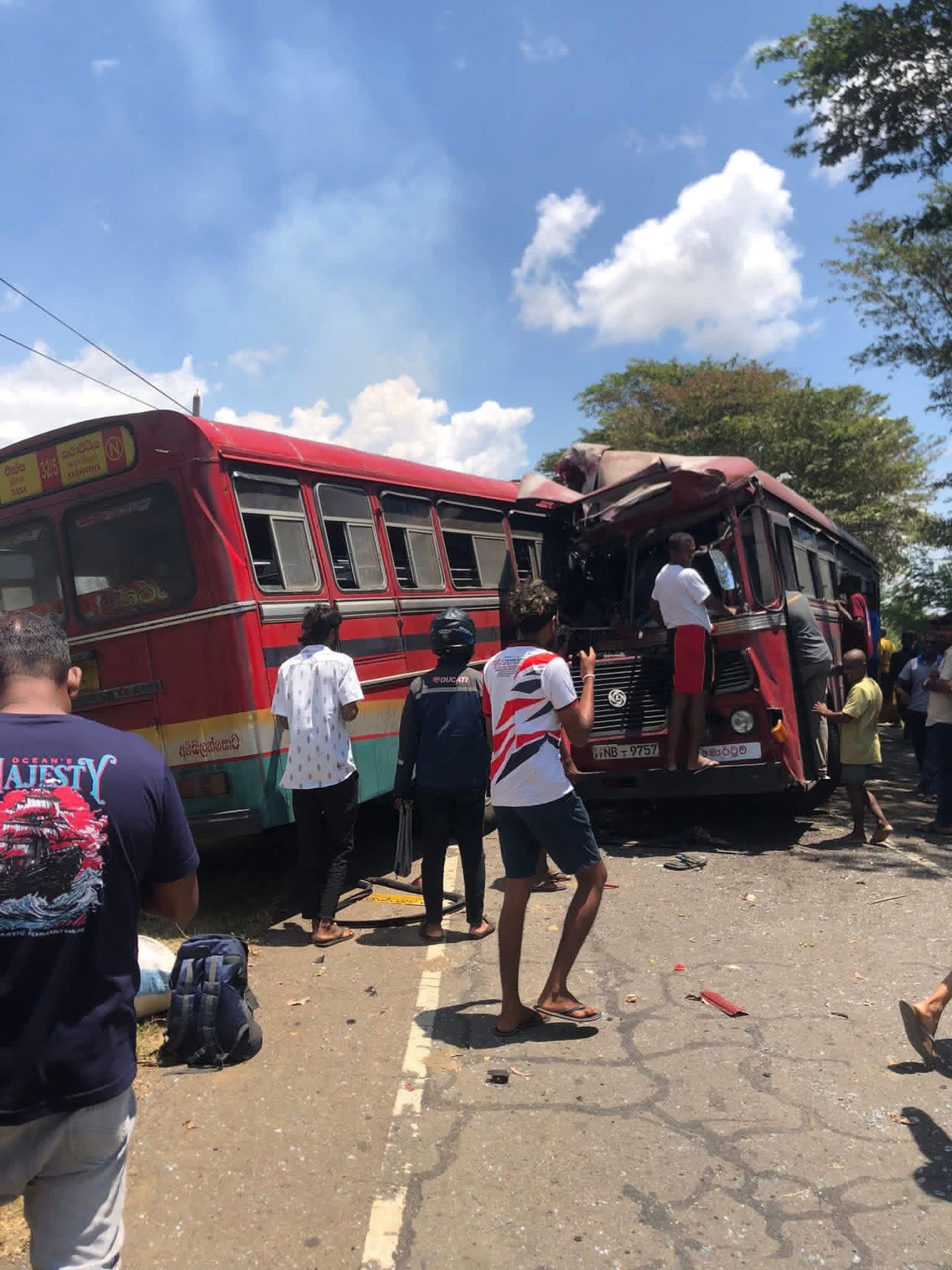
Four persons including a Budhist monk died and 32 others were injured when two SLTB buses collided head on at Weerawila at arond 12 noon today (18).
Three of the deceased were women. 22 of the injured were admitted to the Hambanthota Hospital while 10 others have been admitted to the Debarawewa hospital.
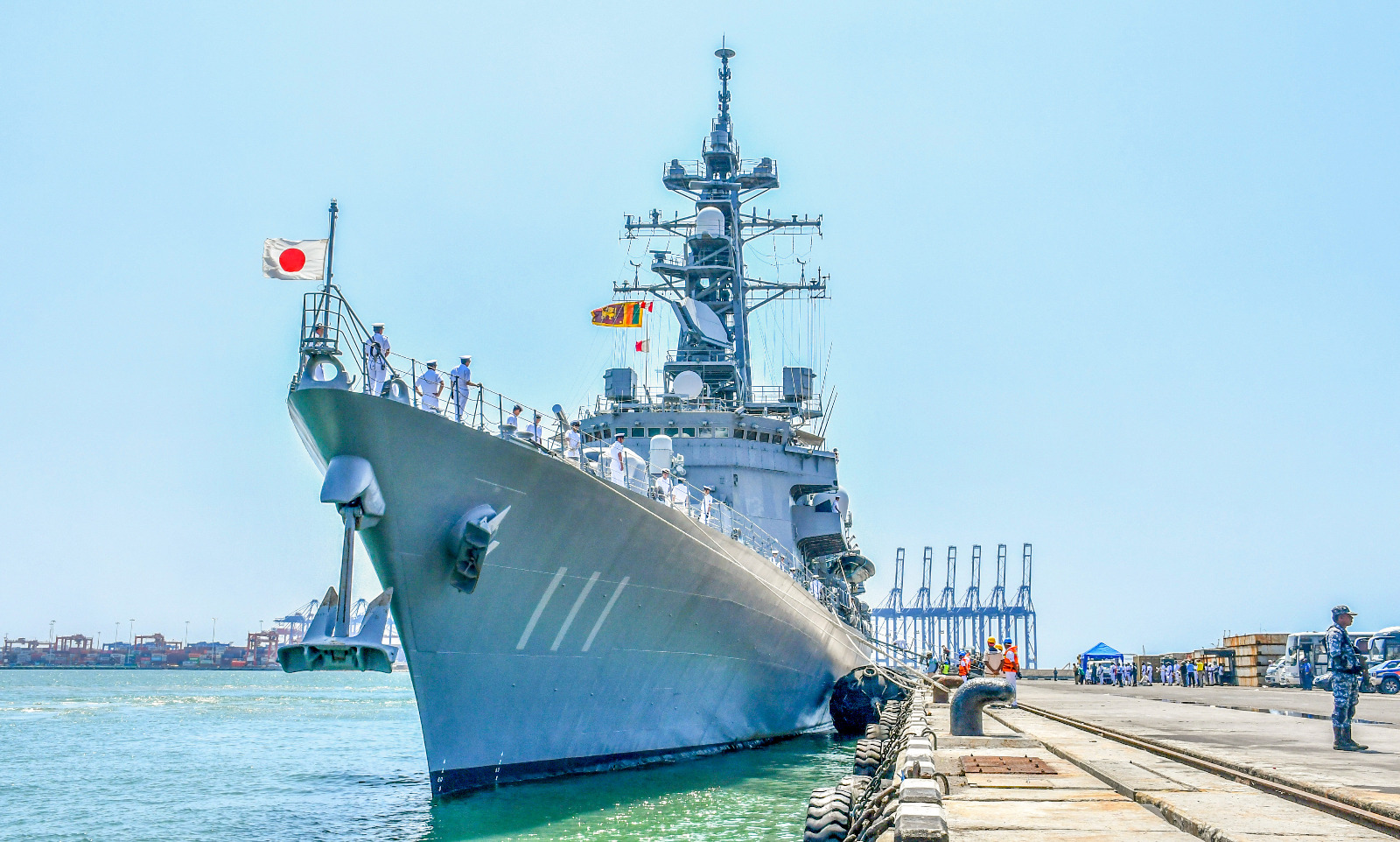
The Japan Maritime Self-Defence Force (JMSDF) ship OONAMI which arrived at the port of Colombo on a goodwill and replenishment visit on 09 Mar 26 departed on 11 March.
The departing ship was given a formal farewell from the Sri Lanka Navy, in keeping with naval traditions at the Port of Colombo.
The 150.5m long JMSDF OONAMI is commanded by Commander IIO Hiromasa.
During the stay in the island, crew members of the ship explored some tourist attractions in Colombo. The itinerary also included a coastal clean-up drive participated by naval personnel of both countries and engagements with the Sri Lanka Navy, designed to strengthen the bonds of friendship and cooperation.
The Central Cultural Fund established under the provisions of the Central Cultural Fund Act No. 57 of 1980 is responsible for development of cultural and religious monuments in Sri Lanka, settling the expenditure borne for development, renovation and conservation of local and foreign cultural monuments, awarding financial donations for artisans as well as awarding those who served the nation in the fields of culture and religious sectors.
The said act has been passed in Parliament 45 years back and, the requirement to revise the provisions of the act according to the contemporary requirements haa been recognized.
Accordingly, the Cabinet of Ministers granted their policy
approval to amend the said act, considering the resolution furnished by the Minister of Buddhasashana, Religious and Cultural Affairs.

SriLankan Airlines Alerts Customers to Social Media Scams

Four dead 32 injured in head on collision at Weerawila

JMSDF ship OONAMI concludes goodwill visit

Cabinet nod to amend Central Cultural Fund Act No. 57 of 1980
’National Namal Uyana’ declared as a National Heritage
Establishment of Supervisory Committees for restoring economic activities.

‘Dates have the highest sugar content to fight Coronavirus’

Sunday Island 27 December – Headlines

#SundayIsland 17th December – Headlines

Sunday Island – 28th March

Sunday Island Headlines – 21 March

Sunday Island – 21st February – Headlines
-
 News7 days ago
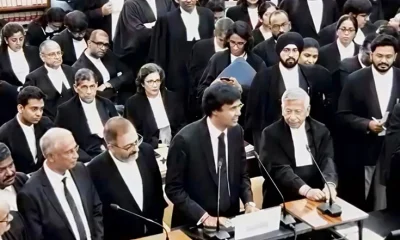
Historic address by BASL President at the Supreme Court of India
-

 Sports7 days ago
The 147th Royal–Thomian and 175 Years of the School by the Sea
-

 Business3 days ago
Browns EV launches fast-charging BAW E7 Pro at Rs. 5.8 million
-
 Life style4 days ago
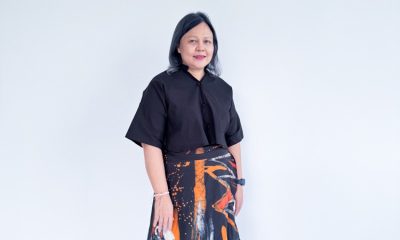
From culture to empowerment: Indonesia’s vision for Sri Lanka
-
 News7 days ago
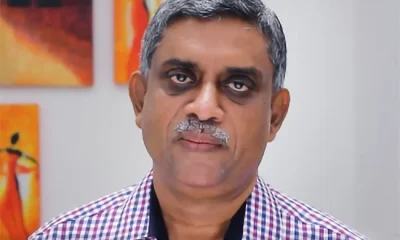
Power sector reforms jolted by 40% pay hike demand
-
 Opinion6 days ago
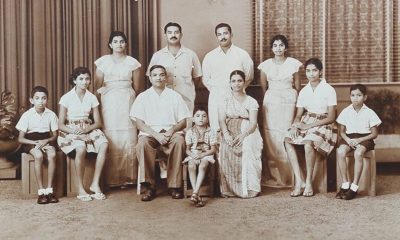
M. D. Banda: Memories of Appachchi – II
-
 Latest News4 days ago
QR code system will be implemented for fuel with effect from 06.00 a.m. today (15th)
-
 Business5 days ago
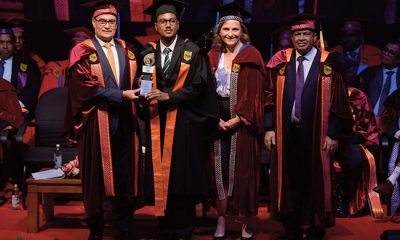
Sri Lanka Institute of Information Technology raises the bar for academic excellence