
Business
COVID 19 and diabetes: a lethal partnership? How do we overcome this?

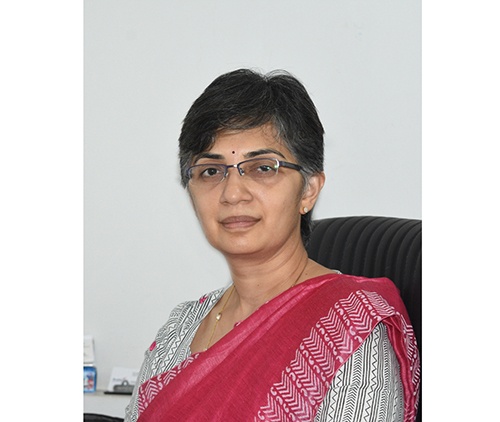
By Dr. Kayathri Periasamy
With the latest wave of COVID-19 infections sweeping steadily across Sri Lanka, attention has been directed towards persons with uncontrolled, pre-existing conditions, particularly diabetes; as a sect most vulnerable to get severely ill or die because of complications caused by the virus. This has shed light on another growing concern among healthcare providers and patients, which is that patients suffering from diabetes or other chronic conditions are finding it increasingly difficult or are unable to access the medical care they require due to mandatory albeit essential curfew measures combined with a deep fear of contracting the virus in communal healthcare settings.
With a staggering 463 million adult diabetic patients present worldwide, World Diabetes Day 2020 – falling on the 14th of November- is a critical time for diabetes support communities and healthcare advocates to rally together to create awareness about this debilitating medical condition and push for progress in the standards of care and the better management of diabetic patients during a pandemic. In Sri Lanka alone, 1 in 10 adults are approximated to suffer from the disease. It is also then vital to look at ways to help stop more people from getting this disease, particularly at a time when ‘lockdown’ lifestyles are more often than not likely to be sedentary, unhealthy and stressful; an ideal background for a diabetes diagnosis.
Why is uncontrolled diabetes such a potent accelerant for COVID-19?
A recent study conducted by Lancet on Diabetes & Endocrinology screened over 61 million medical records in the U.K. to find that 30% of COVID-19 deaths can be attributed to people with diabetes. After accounting for factors such as demography and chronic medical conditions, the risk of succumbing to the virus was shown to be about three times higher for people with Type 1 diabetes and almost twice as high for Type 2, versus those without the disease.
There appears to be two primary reasons driving this predicament. Over a lifetime, poor glucose control inflicts widespread damage in our systems which can lead to strokes, heart attacks, kidney failure, eye disease, and limb amputations. The linings of blood vessels throughout the body weaken to an extent where they can’t ferry necessary nutrients adequately. Inflammation is another byproduct of poor diabetes control, which makes the body ill-prepared for the onslaught of the viral disease. Secondly, the rich environment of elevated blood glucose present in diabetic patients, makes them prone to superadded bacterial complications during the viral infection. Many diabetics also tend to have other co-morbidities such as obesity, hypertension, and heart disease, which are all factors that aggravate complications during viral illneses. These problems are seen in any infections in the setting of diabetes and not only with COVID 19. The pandemic has just highlighted the difficulties of having diabetes
What precautions can diabetic patients take?
So during this pandemic, apart from strict adherence to general COVID-19 personal safety protocols such as strict social distancing and sanitization, it is important for patients to regularly monitor their glucose levels to avoid complications caused by fluctuating blood glucose. Proper hydration is essential for good health. It is also crucial to have access to a good supply of the prescribed diabetes medications and healthy food so that patients are able to correct the situation if blood glucose levels fluctuate. Finally, sticking to a comfortable daily routine, maintaining an exercise program even within the confines of your home, reducing excessive work and having a good night’s sleep can go a long way in keeping you strong. In essence, maintaining good blood sugar levels may be their best defense against severe COVID-19.
Disruption to continuity of care for diabetes patients
A rapid assessment survey conducted by WHO among Ministries of Health across many countries, focusing on the service delivery for NCDs during the COVID-19 pandemic, revealed deepening concerns that many people living with NCDs are no longer receiving appropriate treatment or access to medicines during the COVID-19 pandemic. The more severe the transmission phase of the COVID-19 pandemic, the more NCD care services were disrupted.
With our country currently in the cluster transmission phase and heading towards the community transmission phase due to the large and distant spread of the first-line contacts, the threat to NCD care and especially routine and emergency care of diabetes patients worries us physicians. As healthcare providers, we too are torn between the dilemma of not wanting to expose our patients to unnecessary hospital visits and the need to ensure that all our patients have continued access to their healthcare team along with a steady supply of medicines and other diabetes care products such as glucometer strips and insulin. Unfortunately, the delay in visiting their healthcare provider when they have symptoms of complications has caused many people to present late to the hospital with heart attacks or infections. A delayed presentation, weakens the patient further.
This disruption to healthcare services is foreseen to be a huge dilemma for patients and healthcare providers alike, especially when it comes to the care of patients with diabetes and other non-communicable diseases. In Sri Lanka, the Ministry of Health, is currently providing a number of telemedicine services and has opened avenues to deliver medicines to houses without diabetic persons having to visit crowded settings
How do we counter this?
At Healthy Life Clinic, we adhere strictly to COVID-19 safety operational health protocols established according to Ministry of Health (MOH), Epidemiology Unit. All incoming patients are screened by our nurses as soon as appointments are made over the phone, to understand the nature of their illness. If there is a worry that they could have contracted COVID-19 or have been in contact with such patients, they are given the opportunity to speak to the doctor first over the phone for a detailed history. Every patient will be consulted and no one is turned away from our care.
In order to help patients overcome barriers such as curfews or even the fear of entering communal healthcare settings, our experienced, highly-regarded team of consultants conducts telehealth consultations via established, trusted telemedicine partners such as oDoc and Mydoctor.lk to maintain continuity of care throughout this pandemic. We have also moved many of our long-standing diabetes care and weight management programs online, which have proven to be effective even in the absence of a physical meeting and examination. Additionally, our social media platforms and website are constantly updated to increase awareness about this condition, along with content that informs people about the proper management and prevention of diabetes – particularly when it is thus connected to COVID-19.
(Dr. Kayathri Periasamy is a consultant physician MBBS (UK), MRCP (UK), Board Certified in Int. Medicine (U.S.A). She is the founder of Healthy Life Clinic, Colombo 07.)

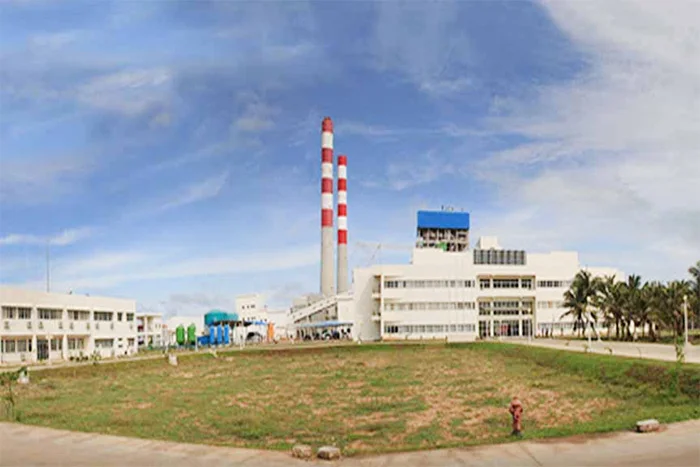
By Ifham Nizam
A Rs.160 million-plus diesel discrepancy at the Lakvijaya power plant in Norochcholai has triggered an internal investigation, raising questions over the handling of public funds and the controls governing fuel purchased for electricity generation.
The discrepancy surfaced during an internal audit of diesel supplied to the plant from the Kolonnawa and Sapugaskanda fuel terminals, according to senior officials familiar with the inquiry.
The audit has identified five transactions—two in December 2025 and three in January 2026—in which diesel recorded as delivered to the plant allegedly could not be fully accounted for in its physical stocks.
The investigation is now examining whether these were isolated discrepancies or part of a longer-running practice.
One transaction under scrutiny relates to January 16, when records reportedly showed that 10 diesel bowsers had arrived at the plant. Investigators subsequently found indications that the fuel stock corresponded to only nine bowsers.
A storekeeper responsible for the relevant fuel operation has reportedly been temporarily removed from those duties pending the investigation.
A senior official said investigators were reviewing historical records amid indications that similar discrepancies may have occurred over a longer period. If established, the financial exposure could therefore exceed the Rs.160 million currently identified.
The investigation is comparing fuel-terminal dispatch records, tanker movements, plant-entry records, receiving documents and physical stocks to establish exactly how much fuel was dispatched, received and accounted for.
That audit trail will also be critical in determining who authorised, received and certified the disputed consignments, and whether established controls were followed.
Relevant documents were reportedly transferred from Norochcholai to the company’s Colombo head office on September 26 for further examination, with electricity-sector security personnel assisting in the transfer.
The internal audit has also reportedly uncovered expired chemical stocks worth several hundred thousand rupees in the plant’s stores. Investigators are examining whether further inventory-management irregularities occurred.
The matter was also reportedly taken to the Puttalam Police Special Crimes Investigation Unit on September 26.
When contacted by Puttalam-based journalist Hiran Priyankara Jayasinghe for The Island Financial Review, Lakvijaya Power Plant Manager Nalaka Kumara confirmed that an investigation was under way but declined to provide further details.
The financial issue is direct: if the plant paid for diesel it did not receive, public-sector funds were spent without the electricity sector receiving the corresponding fuel.
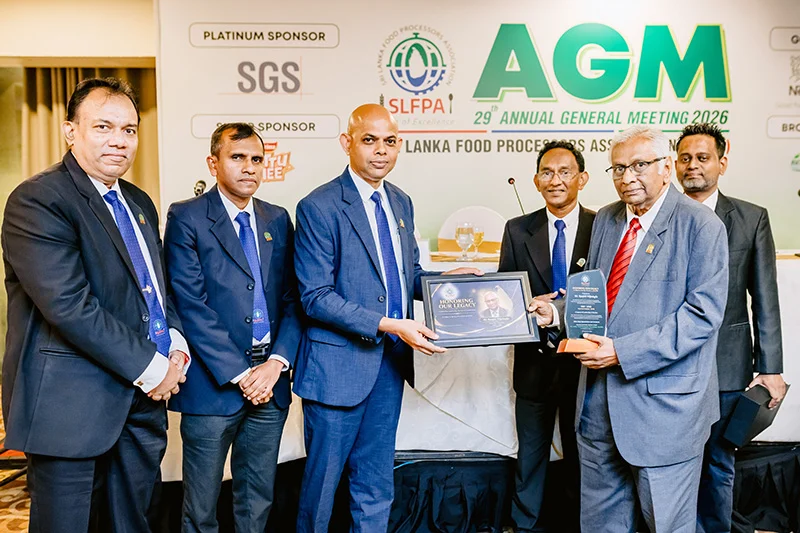
The Sri Lanka Food Processors Association (SLFPA) successfully convened its 29th Annual General Meeting (AGM) on September 23, 2026, at the Water’s Edge Hotel, Battaramulla. Bringing together key industry stakeholders and member organizations, the event served as a platform to review milestone achievements from the 2025/2026 term and outline strategic priorities for the nation’s food and beverage processing sector.
At the AGM, the new Executive Committee for 2027/2028 was appointed, comprising: Honorary President Aruna Senanayake C.W. Mackie PLC Imme. Past President Thusith Wijesinghe Trans Continental Packaging & Commodities (Pvt) Ltd.
President Elect Nadishan Guruge Meadlee Trading Co. (Pvt) Ltd.
1st Vice President Damitha Perera Forbes & Walkers Commodity Brockers (Pvt) Ltd.
2nd Vice President Rasika Seneviratne Diesel & Motor Engineering PLC 3rd Vice President Deepal De Alwis Neochem International (Pvt) Ltd.
Honorary Secretary Amila Weerasinghe Nestle Lanka Limited.
Asst. SecretaryDineth Alahakoon Country Style Foods (Pvt) Ltd.
Honorary Treasurer Sameera Jayathilaka Westmann Engineering Company (Pvt) Ltd.
Asst. Treasurer Niroshan Dalpethado C D De Fonseka & Sons (Pvt) Limited. In addition to the above office bearers, the following ten Executive Committee Members were appointed:
Sanjeewa De Silva Unilever Sri Lanka Limited Sheran De Alwis MA’S Tropical Food Processing (Pvt) Limited
Thusitha Ekanayake Anods Cocoa (Pvt) Ltd.
Vijitha Govinna Plenty Foods (Pvt) Limited Ms. Praharshi Wickramasekara International Commodity Exports (Pvt) Ltd.
Sanjeewa Niroshan SGS Lanka (Pvt) Ltd. Kushan Amarasinghe Finagle Lanka (Pvt) Ltd.
Rangajeewa Hettiarrachchi Fonterra Brands Lanka (Pvt) Ltd.
Harindra Abeyrathna Vision Technologies International (Pvt) Ltd. Thilina Weerasekara Ceylon Cold Stores PLC
The event was proudly supported by key industry partners, with SGS Lanka (Pvt) Ltd serving as the Platinum Sponsor. Unilever Sri Lanka Ltd. and Nestlé Lanka Ltd. joined as Gold Sponsors, Ceylon Agro Industries – Prima as the Silver Sponsor, while Lanka Exhibition & Conference Services (LECS) and Hero Nature Products (Pvt) Ltd., supported as Bronze Sponsors.
The proceedings concluded with a vote of thanks delivered by Hony. Secretary Deepal De Alwis, followed by cocktails and a fellowship networking session, providing an opportunity for members to connect and strengthen industry ties.
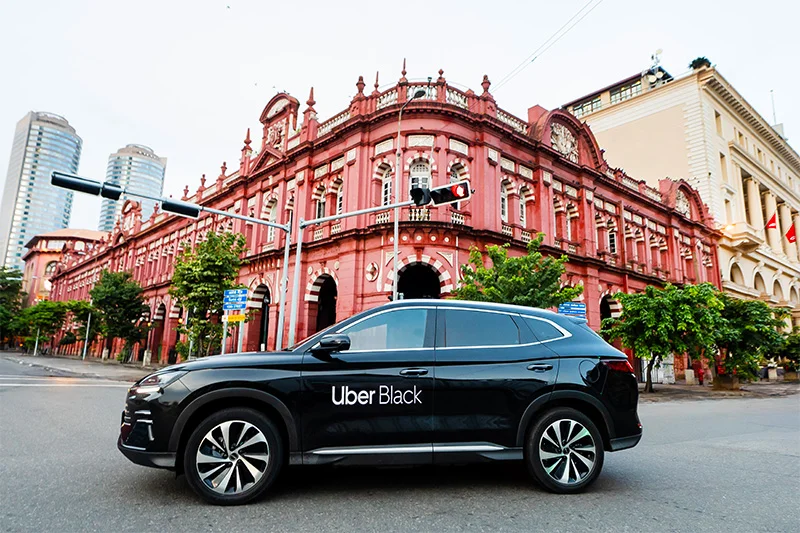
New premium ride option expands Uber’s portfolio from affordable Moto and Tuk rides to premium on-demand travel
Uber announced the launch of Uber Black in Sri Lanka, bringing its premium ride experience to the country for the first time. Designed as the “business class of back seats,” Uber Black combines premium vehicles and highly-rated drivers for riders looking for greater comfort, quality and a more elevated travel experience.
The launch comes as demand for premium products and experiences grows across Sri Lanka, with consumers seeking greater choice and quality in their everyday experiences. Uber Black brings this choice to on-demand mobility, whether for an airport journey, an important business meeting, a special occasion or simply when riders want to travel in greater comfort.

Waste management and recycling to receive priority in the 2027 Budget – PM

Rain stays away as India and Sri Lanka look for fair contest to enter final

Gold winner Tharanga gets brand-new Honda Vezel from SLAAJ

Showers above 50 mm are likely at some places inthe Uva, Eastern and Central provinces and in Polonnaruwa and Mullaittivu districts after 1.00 p.m.

Civil society activist accuses govt. of favouring Ven. Gnanasara

More cops than cones

‘Dates have the highest sugar content to fight Coronavirus’

Sunday Island 27 December – Headlines

#SundayIsland 17th December – Headlines

Sunday Island – 28th March

Sunday Island Headlines – 21 March

Sunday Island – 21st February – Headlines
-
 Latest News6 days ago
Showers above 100 mm are likely at some places in the Western, Sabaragamuwa, Central and North-western provinces and in Galle and Matara Districts
-

 Editorial7 days ago
Crimes punished and unpunished
-

 Features6 days ago
Beyond traditional jobs: Why Sri Lanka needs to facilitate the gig economy
-

 Editorial5 days ago
Birth of a bad law
-

 News3 days ago
Police remove Thileepan statue in Jaffna
-
 Latest News6 days ago
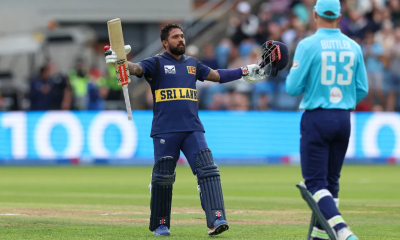
Kusal, Wellalage star as Sri Lanka defend 322 in Headingley thriller
-

 News5 days ago
TIN mandatory for key transactions from Nov. 1
-

 News7 days ago
IMF: Sri Lanka on course for 2027 market return