
Latest News
Canada pulls 41 diplomats from India amid row over separatist’s killing

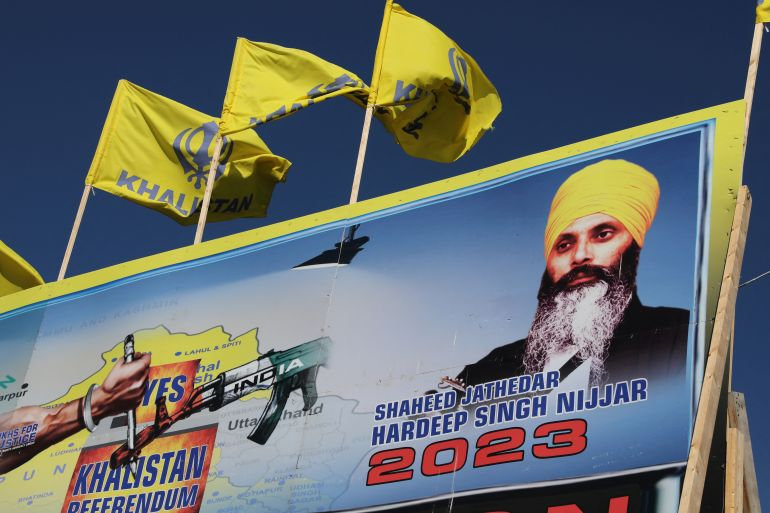
Canada has pulled 41 diplomats out of India in the latest escalation of a bitter dispute over the killing of a Sikh separatist in Vancouver.
The Canadian government made the decision to recall its diplomats after the Indian government said it would revoke their diplomatic immunity, Canadian Foreign Minister Melanie Joly said on Wednesday.
Joly said India’s threat to revoke their diplomatic immunity was “unprecedented” and violated international law. “Given the implications of India’s actions on the safety of our diplomats, we have facilitated their safe departure from India,” Joly said during a press conference.
Joly said Canada would continue to defend international law and engage with India. “If we allow the norm of diplomatic immunity to be broken, no diplomats anywhere on the planet would be safe. So for this reason, we will not reciprocate,” she said. “Now more than ever we need diplomats on the ground and we need to talk to one another,” she added.
India’s Ministry of External Affairs previously called for a reduction in the number of Canadian diplomats in the country, saying they outnumbered India’s staffing in Canada. Ottawa’s withdrawal of its diplomats leaves Canada with 21 representatives in India.
Ottawa and New Delhi have been at loggerheads since Canadian Prime Minister Justin Trudeau last month accused the Indian intelligence services of involvement in the killing of Hardeep Singh Nijjar, a prominent member of the Khalistan movement that advocates for the creation of an independent Sikh state in northern India.
(Aljazeera)





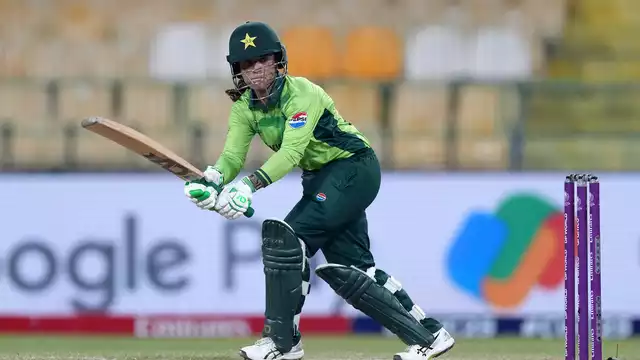
| Date | Match |
|---|---|
| May 3 | 1st ODI |
| May 6 | 2nd ODI |
| May 9 | 3rd ODI |
| May 12 | 1st T20I |
| May 14 | 2nd T20I |
| May 15 | 3rd T20I |
[Cricbuzz]

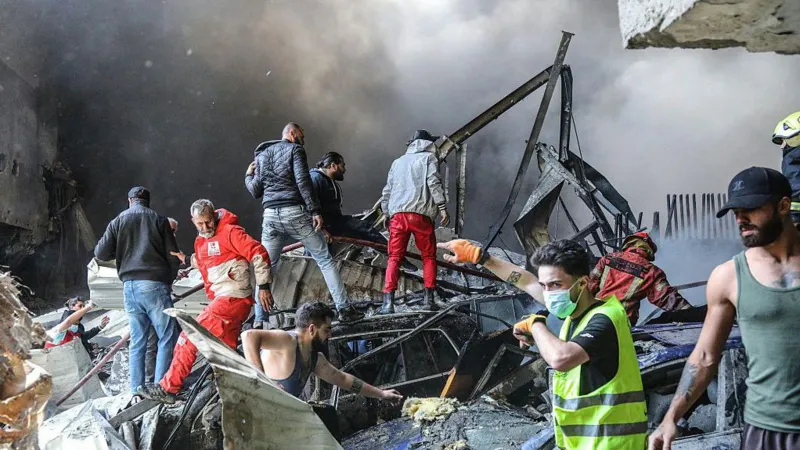
Israeli Prime Minister Benjamin Netanyahu has ordered his government to begin direct talks with Lebanon, he said in a statement on Thursday.
Netanyahu said the talks would focus on the disarmament of Hezbollah, the Iran-backed Lebanese political and militant group, and establishing peaceful relations.
A US State Department official confirmed it would host a meeting next week “to discuss ongoing ceasefire negotiations with Israel and Lebanon”.
Lebanese officials called for a ceasefire before the talks begin, but Netanyahu in a subsequent address to residents of northern Israel said: “There is no ceasefire in Lebanon.”
The Israeli military continued to strike Lebanon on Thursday – targeting what it described as Hezbollah rocket launch sites in the south. It also issued a new evacuation warning for residents in the southern suburbs of the capital, Beirut.
The head of the World Health Organization (WHO), Tedros Adhanom Ghebreyesus, said on X that this included the Jnah area, which includes two major hospitals.
“At this time, no alternative medical facilities are available to receive approximately 450 patients from the two hospitals (including 40 patients in the ICU), rendering their evacuation operationally unfeasible,” he said.
Among those being treated at the hospitals, Tedros added, were some of the 1,150 people that Lebanon’s health ministry said were wounded in Wednesday’s massive wave of Israeli strikes. At least 303 people were killed.
Tedros also said that the headquarters of the Ministry of Public Health, which “hosts five shelters accommodating more than 5,000 people”, is in the evacuation area.
That ceasefire began with confusion over whether Lebanon, Israel’s second front, was to be included. Iranian officials and mediators from Pakistan said it was, US and Israeli officials said clearly that it was not.
Amid the confusion, the wave of Israeli strikes on Lebanon – the heaviest since the conflict began six weeks ago – prompted Iran to declare that Israel was break8ng the terms of the ceasefire, once again halt passage of shipping through the Strait of Hormuz, and to threaten retaliatory strikes.
Israel’s military continues to occupy a large part of the south of Lebanon, where it has destroyed villages in recent days. Without a commitment to a temporary ceasefire at least, it is not clear how productive talks could proceed between the two sides.
(BBC)

Brazil bowler Laura Cardoso takes 9 Lesotho wickets in record-breaking T20 win

Zimbabwe Women set for maiden tour of Pakistan

Bangladesh advance match timings to save energy

PM on inspection tour of newly renovated Colombo Central Bus Stand

Israel to hold direct talks with Lebanon but no ceasefire, Netanyahu says

Sun directly overhead Nagawilluwa, Galgamuwa, Sigiriya, Palugasdamana and Mankerni about 12:11 noon today (10)

‘Dates have the highest sugar content to fight Coronavirus’

Sunday Island 27 December – Headlines

#SundayIsland 17th December – Headlines

Sunday Island – 28th March

Sunday Island Headlines – 21 March

Sunday Island – 21st February – Headlines
-

 Features6 days ago
Ranjith Siyambalapitiya turns custodian of a rare living collection
-

 News6 days ago
Global ‘Walk for Peace’ to be held in Lanka
-

 News4 days ago
Lankan-origin actress Subashini found dead in India
-

 News2 days ago
AG: Coal procurement full of irregularities
-

 Features6 days ago
Beyond the Blue Skies: A Tribute to Captain Elmo Jayawardena
-

 Features6 days ago
Aspects of Ceylon/Sri Lanka Foreign Relations – 1948 to 1976
-

 Business2 days ago
Hayleys Mobility introduces Premium OMODA C9 PHEV
-

 Sports2 days ago
DS to face St. Anthony’s in ‘Bridges of Brotherhood’ cricket encounter