
Life style
Benefits of green tea


Green tea is a type of tea that is made from Camellia sinensis leaves and buds that have not undergone the same withering and oxidation process which is used to make oolong teas and black teas.[1] Green tea originated in China, and since then its production and manufacture has spread to other countries in East Asia. Several varieties of green tea exist, which differ substantially based on the variety of C. sinensis used, growing conditions, horticultural methods, production processing, and time of harvest.
The health benefits of green tea
Is green better for you than black? Does it contain caffeine? Can it help ward off disease? Nutritionist Jo Lewin examines the dietary benefits of green tea. All types of tea, even your regular cup of builder’s, come from the Camellia sinensis plant. Green tea gets its name from the emerald green colour created when brewing unprocessed, unfermented tea leaves. With origins going back as far as 5,000 years, green tea is commonly drunk and widely grown in the Far East where the health properties are well regarded.
Different varieties of green tea
The difference between green and black tea results from the manufacturing process. Black tea undergoes fermentation which transforms its colour and flavour, whereas green tea remains unprocessed and retains its colour. Green tea is grown in higher altitudes, more specifically the mountainous regions of East Asia. Some green tea is still picked by hand, and it is thought that handpicked teas are less bitter and yield a sweeter, more robust taste. Other factors such as the climate and soil can also affect the flavour.
Sencha is the most popular of Japan’s green teas. There are numerous grades which can affect the price and quality. Sencha leaves are first steamed and then shaped. Sencha tea produces a clear yellow/green tea with a sweet, grassy but slightly astringent flavour.
Matcha is made from green tea leaves grown in the shade. The leaves have a higher chlorophyll content which makes them a vibrant green colour. To make matcha, the entire leaf is ground down into a powder. The powder is mixed with boiling water and gently whisked before being served. The flavour is light and sweet and so is now added to desserts and sweet drinks.
Green tea can be found as fresh leaves or in tea bags, frequently
blended with other flavours such as lemon, lime or ginger.When buying tea leaves, avoid older leaves. This is the same principle as with coffee beans. Allegedly, whole leaves are the highest grade and leaves that are older than four months are past their level of peak freshness. Once purchased and opened, keep leaves in an airtight container that can be resealed and store in a cool place to help slow down the reactions that can reduce the tea’s phytonutrient content and impact on flavour.
Nutritional highlights
There are many health claims surrounding green tea from a reduced risk of cancer to weight loss. The evidence to support these claims is largely inconclusive. Some of the health claims are based on ancient Eastern traditions, where green tea has been used to treat symptoms of disease for years. Because of the proposed benefits, many ‘health’ products now include traces of green tea. However, there is limited evidence to suggest these products are effective. If you are hoping to use green tea for medicinal purposes, make sure to consult your doctor first.
Green tea does have more health benefits than black tea which can be attributed to its lack of processing. Green tea is higher in protective polyphenols. The major polyphenols in green tea are flavonoids, the most active of which are catechins and epigallocatechin gallate (EGCG) which function as powerful antioxidants. Antioxidants are known to protect the body against disease and are an important part of a healthy diet. Antioxidants can be found in a range of fruits, vegetables and other unprocessed foods. As part of a balanced diet, green tea can be a good source of antioxidants.

How much caffeine does green tea contain?
Green tea does contain caffeine, although varieties and brands may differ. An equal quantity of green tea contains less caffeine than coffee (one cup of green tea contains approximately 35-80 mg compared to approximately 100-400 mg in the same size cup of coffee), but it can still act as a stimulant. As a result, some people find that drinking green tea increases energy levels, concentration and mood, but this effect may vary between individuals.
If you are sensitive to caffeine, it is advisable to limit the total number of cups of green tea you drink in a day. Too much caffeine can disrupt sleep patterns. If this affects you, try cutting back on caffeinated drinks after lunchtime.
Can green tea affect iron levels?
Like all types of tea, green tea contains tannins. Tannins can interfere with the absorption of iron so try not to drink tea with an iron-rich meal and leave at least one hour before drinking tea after an iron-rich meal.
Proven Health Benefits of Green Tea
Green tea is considered as one of the healthiest beverages across the world. This delightful and aromatic drink has tonnes of health benefits and can do wonders to enable a long and healthy life.
Green tea is more potent than any other tea simply because it is processed differently. Green tea is dried and steamed – this minimal processing leaves it with its green color, more antioxidants, nutrients and thus contributes to its wealth of benefits. For this reason, green tea makes for a daily cup full of fantastic health benefits:
Fights Allergies:
If you suffer from seasonal allergies, be it stuffy nose or itchy eyes, you might be surprised to learn that a cup of green tea may help you overcome your symptoms.
Studies suggest that a compound in green tea can effectively block receptors responsible for triggering allergic responses. EGCG, the abundant antioxidant compound in green tea, may help stop your body from mounting an immune response to a wide range of allergens, including pollen, pet dander, and dust.
. Reduce Body Fat:
Green tea contains caffeine and a type of flavonoid called catechin, which is an antioxidant. Research suggests that both of these compounds can speed up metabolism, increase the amount of energy the body uses and decrease fat content of the body. The consumption of green tea as a weight loss strategy must be supplemented by other healthy weight loss methods, such as exercising and eating a healthy diet with plenty of vegetables. Green tea used alongside these methods may increase and enhance the positive results. Green tea is easily available online and offer a plethora of flavors to chose from. You can say goodbye to that extra flab!

Improves Skin Health:
When it comes to skin care, we urge you to be in a committed relationship with green tea! Drinking green tea may fight skin damage in many ways:
Green tea contains powerful antioxidants that fight damage from UV rays to prevent freckles, dark spots and pigmentation. It is a potent anti-aging ingredient that combats signs of aging when consumed regularly.Green tea has anti-inflammatory properties. The catechins in green tea reduce and soothe irritation, redness, and swelling on the skin Green tea is a powerful antibacterial agent against acne. Polyphenols in green tea can fight infection, and thus it can help treating bacterial growth that causes acne
Green tea is chock full of Vitamin B2 and Vitamin E, both essential for smoother and toned skin and its maintenancePro tip – after a delicious cup of green tea, refrigerate the used tea bags. Grab these cooled tea bags, lie down and rest them on your eyes after a long day. Say good-bye to tired baggy eyes and dark circles!
Fights off Depression:
Too much stress can increase depression and anxiety. Some people find relaxation in the ritual of filling the kettle, bringing it to a boil, watching the tea steep, and then sitting quietly while sipping their warm cup of tea. But the body also reacts to the ingredients of tea.
Many studies have found that drinking a cup of green tea daily lowers levels of the stress hormone cortisol, and thus lower the risk of developing depression and keep you in a good mood. Green tea also contains amino acid L-theanine that increases the activity of inhibitory neurotransmitters that have anti- anxiety effects. If you are prone to mood swings, pick up this delicious cup of happy and healthy beverage daily!
Improves Memory:
If you tried various alternatives to boost your mental alertness but still cant be as mentally active and alert as you would love to be, then you need to try green tea. The main component, which has been shown to improve brain function, is caffeine?which can be found at different levels in all green teas. Green tea ensures that neurons in the brain are stimulated for longer periods of time and neurotransmitters, which play a major role in attention, problem solving, memory, attention and learning?become fired up.
. Keeps Blood Sugar Level in Check:
Research shows that the alkaline nature of green tea can help control blood sugar levels and improve insulin sensitivity. Thus 1-2 cups of green tea daily may help prevent the development of type 2 diabetes in the long run, provided the green tea is consumed without sugar. Researchers encourage the inclusion of green tea in daily diet for those with high blood sugar problems, but this must be paired with regular exercise and a healthy diet.
A regular cup of green tea will boost your memory, give you a healthy skin and keep you happy. Green teas are available in a range of gourmet flavors that you can easily buy online. Try to pick the Green Tea that contains 100% natural ingredients, is least processed and blended with ingredients for the best possible health benefits. So kicks start your healthy lifestyle with this cup of green magic. BBC


India’s Republic Day was celebrated in a spirit of unity and pride, as guests gathered to mark India’s democratic journey and its enduring commitment to freedom, diversity and progress.
India House came alive in hues of saffron, white and green as the 77th Republic Day of India was celebrated with stately elegance and heartfelt pride Set against the manicure lawns of the High Commissioner’s official residence, the annual ceremony unfolded as a graceful reminder of India’s enduring democratic spirit and its close time honoured ties with Sri Lanka.

Ambassador Santosh Jha with wife and Chief Guest Dr Nalinda Jayatissa
The morning ceremony commenced with the ceremonial unfurling of the Indian Tricolour. As the anthem echoed across the grounds, dignitaries, diplomats and members of the Indian Community stood united reflective on the ideals enshrined in the constitution of India, Justice, liberty, equality and fraternity. Adding cultural depths to the occasion was patriotic and classical performances thoughtfully curated to reflect India’s rich artistic heritage.
The evening reception had invited guests, diplomats, members of Parliament and many other distinguished guests. From traditional silk saris and sherwanis to chic evening gowns and tailored suits embodying a seamless blend of culture and continue.
The reception also offered a taste of India’s culinary artistry, with meticulously curated cuisine by Taj Samudra Colombo reflecting regional flavours with a modern twist.
Among the distinguished guests were the Prime Minister, Former Presidents, Ambassadors whose presence underscored the evening diplomatic and cultural significance.

The Tricolour rises, echoing the ideals of the Republic

“A day of pride and patriotism”- Ambassador’s words resonate on Republic Day
The chief guests was the Minister of Health and Mass Media Dr. Nalinda Jayatissa. The evening reach a memorable cresendo as the High Commissioner of India to Sri Lanka and Maldives delivered a speech emphasising India’s journey, its democratic value and its role on the global stage. He also spoke about the close ties between India and Sri Lanka, cultural exchanges and growing economic and strategic partnerships, reinforcing the special friendship between the two nations.
Pix by Thushara Attapathu
By Zanita Careem
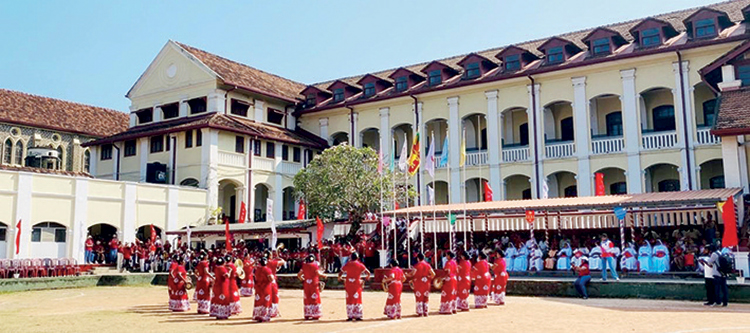
This year, Sacred Heart Convent Galle celebrated 130 years of excellence, and the occasion was nothing short of spectacular. Alumnae, fondly called the old girls, walked the corridors of memory, reliving the elegance, discipline and camaraderie that shaped their youth. Founded by visionary Belgian nuns over a century ago, Sacred Heart Convent began with a clear mission of nurturing not only intellect, but also character, compassion and confidence. Today it stands as a timeless symbol of holistic education, blending its rich heritage with a modern vision.
There’s a magic in returning to the place where your story began – the echo of footsteps in old halls, the chatter of friends, the quiet thrill before assembly and the sense of belonging that never fades. This year as Sacred Heart Convent Galle celebrates 130 years of excellence. I found myself walking through memories that shaped not only my education but my outlook in life.
Founded over a century age by dedicated Belgian nuns, Sacred Heart Convent began as a humble institution with a bold vision to nurture intellect, character and compassion in equal measure. Set against the picturesque backdrop of Galle, with its charm and timeless beauty, the Convent became more than a place of learning, it was a sanctuary of discipline, creativity and grace.
My earliest memories of the school are vivid. I remember the feel of my uniform on the first day, the nervous excitement, as we walked into classrooms that I will always remember Sister Adrian’s warmth, guidance and encouragement . Her presence made every lesson meaningful and every Heartian feel truly cared for.
Galle itself added a special charm to the celebrations. The gentle sea breeze, the sunlit ramparts and the serene landscape created a perfect backdrop for a day filled with memories and nostalgia.
The 130 years of celebrations were a tribute to this legacy – an ode to the school’s enduring influence and the generations it has inspired.
The familiar bell at Sacred Heart Convent rang with a deeper resonance this year, calling together generations bound by faith, discipline and shared memory. As the institution marked 130 years of distinguished service in education, the celebrations unfolded not merely as an anniversary, but as a heart felt homecoming- a return to corridors where values were shaped and lifelong friendships were born. The alumnae returned in style, sharing laughter and stories of classroom adventures, chapel recitals and play ground friendships.

130 years strong-Sacred Heart Convent stands a beacon of values,discipline and life long learning

Old girls, present students and teachers unite to honour 130 years of pride
The highlights of the event this year was made memorable by a much loved Back to School theme that turned time gently backwards, Old girls arrived dressed in thier school day best, laughter filling the quadrangle as familiar bells , laughter, memories marked the back to school scene .
At the heart of the foundation of the school was Sister Adrian ,the devoted Belgian nun who served as principal, she had vision, discipline and unwavering dedication that was the the cornerstone of Sacred Heart’s legacy. Generations of students carry forward her values and spirit she instilled over a century ago.
I found myself reminiscing about my own journey within its storied walls – the classrooms, the assemblies, the playground games and shared seats with friends that still bring a smile today. I remember the guidance of teachers who inspired curiosity and the gentle discipline of mentors who shaped our values.
The ‘Back to School’ feeling during the 130th celebrations was magical seeing Alumnae return, glowing with nostalgia reminded me how the spirit of Sacred Heart stay with us and remains etched in our hearts.
As the celebrations came to a close, I felt a profound gratitude for the school, for the Belgian nuns who laid its foundation For the present Principal Sister Sandya Fernando and Sister Mihiri Perera, Deputy Principal and Head of the Primary School and the teachers who carry forward this century old tradition with dedication and warmth. Their commitment to keeping the school’s spirit vibrant, bridging the gap between the history and the present. From Sister Adrian’s vision to the care of today’s dedicated sisters, Sacred Heart Convent has spent 130 shaping minds, nurturing values and inspiring generations.
For me, Sacred Heart Convent was never merely a place of learning; it was a canvas, a stage and a sanctuary, a place that taught me education is as much character as it is about knowledge.
As the school celebrated 130 glorious years, we salute Sister Adrian, and the visionary leadership of the current principal and Vice principle Thier dedication have shaped generations of Heartians, instilling values, courage and compassion For me this celebrations stirred cherished memories and a reminder that the heart of Sacred Heart beats strong, carrying its legacy forward with pride and love
By Zanita Careem

Threads of influence
From the buzz of a busy salon chair to the delicate precision of couture hand work, Fathuma Marleen carved a space where style,skill and sophistication intertwine.
Her signature lies in the subtle artistry of her embroidery and handwork. Every stitch, every embellishments reflect a dedication to precision and an eye for detail cultivated from her earliest days A guiding force for women she touches human lives with generosity,empathy and unwavering commitment
Fathuma Marleen’s story begins not on a runway,but behind a salon chair,scissors in hand,hair falling softly to the floor,and dreams quietly taking shape .As a young hairdresser,trained by Janet Balasuriya , she learned early the art of transformation:how confidence blooms when a woman feels seen,styled and celebrated. That intimate understanding of beauty,personal,emotional and deeply human later became the backbone of her creative journey.

Marleen lawyer turned Ambassador
But her creative spirit couldn’t be confined to hair alone In a world driven by fast fashion and fleeting trends,Fathuma Marleen’s work caught the attention of established names in the couture world. Driven by an eye for fashion, she transitioned into stitching, turn ing fabric into statements of sophistication and glamour.She went on to sew for top designers and Colombo’s fashion conscious women, contributing behind the scenes to collections that demanded excellence, consistency and technical mastery. Though her role was discreet, her impact was unmistakable among the landscape of fashion,each of her designer clothing had her signature precision. Her signature touch soon became popular among top designers ,whether it’s a flowing gown, or an Indian Shalwar or a flowing abaya, her intricate,embroidery or her sleek cut had a story . Yet at the height of her creative journey, Marleen made a personal sacrifice,she moved away from her burgeoning fashion career to join her husband in his ambassadorial role to Riyadh.
A defining chapter in Fathuma Marleen’s professional journey has been her close alliance with the Women’s Chamber of Commerce and Industry WCIS, a platform that champions entrepreneurship, creativity and leadership among women. It was Nayana Karunaratne,her close friend with whom she co-created spectacular fashion shows stood firmly by her side encouraging,guiding and gently nudging her back towards her creative calling.
Her work gained particular prominence under the guidance and encouragement of Nayana, this partnership proved transformative, and Fathuma Marleen designs stepped into the spot
Notably her creations featured at the Chamber of Commerce, fashion show led initiatives, including high profile Abaya presentation showcased at the Hilton, which left the audiences mesmerised. Her creations unveiled marked a defining movement in her journey. Modern silhouettes,rich hues and intricate embroidery,
clear lines, thoughtful detailing, appealed to modern woman who values both tradition and contemporary style. The collection resonated strongly with the audience. This show was a celebration of Marleen’s return to the spotlight The Hilton shows stood as a turning point-proof that Marleen’s design journey had depth,direction and a story still unfolding.
When her husband’s diplomatic posting took the family to Riyadh. Fathuma Marleen embraced a new chapter, one that required poise, adaptability and cultural awareness.
As an Ambassador’s wife she navigated formal responsibilities with elegance, balancing public engagements, all while maintaining her creative pursuits but limited due to new responsibilities ,yet she remained a quiet force in style and women’s empowerment,balancing diplomacy and creativity
Through it all, she remained committed to family. Her three daughters each now accomplished doctors and son Banker in the US were nurtured in an environment of discipline.
She says ‘ my family remains my cornerstone a source of pride and inspiration’. She cherishes her children and grandchildren, who continue to inspire her with thier own passions and achievements Beyond fashion, she is a dedicated social worker and champion of women,turning every endeavour into a celebration of creativity,sophistication and style. Beyond glamour, Fathuma is a woman driven by compassion. She devotes herself to running an orphanage established by her husband,carrying forward his vision and touching countless lives.
-

- Every stich tells a story of elegance
-

- Where elegance meets modesty
-

- Fathuma turned runways into celebrations of women and style
-

- Flow,flair and finesse
By Zanita Careem

US wants Russia and Ukraine to end war by June, says Zelensky

Hetmyer heroics, Shepherd hat-trick headline West Indies’ opening day win over Scotland

USA bowl, India pick Siraj with Bumrah out unwell

Colorado funeral home director sentenced to 40 years for corpse abuse

Scotland opt to field against West Indies

Faheem Ashraf drags unconvincing Pakistan over the line after big scare

‘Dates have the highest sugar content to fight Coronavirus’

Sunday Island 27 December – Headlines

#SundayIsland 17th December – Headlines

Sunday Island – 28th March

Sunday Island Headlines – 21 March

Sunday Island – 21st February – Headlines
-

 Business5 days ago
SLIM-Kantar People’s Awards 2026 to recognise Sri Lanka’s most trusted brands and personalities
-

 Business19 hours ago
Zone24x7 enters 2026 with strong momentum, reinforcing its role as an enterprise AI and automation partner
-

 Business7 days ago
Altair issues over 100+ title deeds post ownership change
-

 Business7 days ago
Sri Lanka opens first country pavilion at London exhibition
-

 Business6 days ago
All set for Global Synergy Awards 2026 at Waters Edge
-

 Business5 days ago
API-first card issuing and processing platform for Pan Asia Bank
-

 Business7 days ago
ESOFT UNI Kandy leads the charge in promoting rugby among private universities
-

 Editorial3 days ago
All’s not well that ends well?