
News
Beijing bares it in Jaffna, warms up to Tamils in Sri Lanka

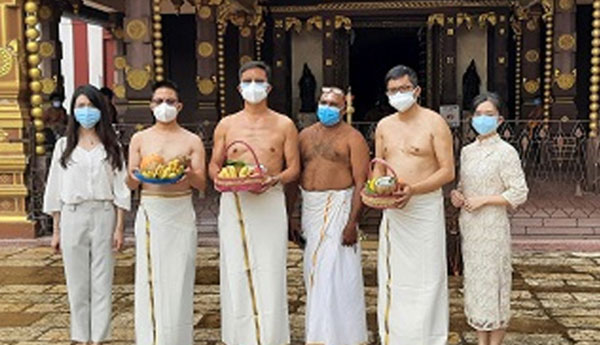
Taking off their shirts and wearing traditional white veshtis, the bare-chested men, carrying trays laden with fruit and puja offerings, entered the temple. Nothing unusual because that’s the practice at the Nallur Kandaswamy Kovil, a temple near Jaffna in Sri Lanka. But the man who dressed as a devotee and led the others into the temple Thursday stood out — Qi Zenhong, China’s Ambassador to Sri Lanka.
Days after announcing on Twitter that a Chinese solar company had found a new client in the Maldives because security concerns” of a “third party” had led to the suspension of its project on three islands off Jaffna peninsula, Ambassador Qi is touring Sri Lanka’s Tamil-dominated Northern Province, wooing an ethnic minority that has traditionally been close to India.
His visit to Jaffna peninsula on Wednesday and Thursday and his outreach to a community that remains cold to the Sinhalese south 12 years after the end of the ethnic war also came amid a bitter, public rough patch in Sri Lanka-China relations over Colombo’s cancellation of a fertiliser import.
In conversations with Jaffna’s civil society representatives, Qi responded to questions on the China-India rivalry in Sri Lanka, saying there was more geographical distance between India and Sri Lanka than between India and China since both countries share a border.
Dismissing the rivalry, he said both countries were continuously engaged in resolving their problems. He even said that talk of “third party” pressure on Sri Lanka to cancel the solar farm on three islands off Jaffna was “fake news”.
While this is not the first time that a Chinese diplomat has visited the Northern Province, it may be the first time that any Chinese ambassador has stayed overnight and engaged in such extensive public diplomacy in the peninsula where India takes its diplomatic and political influence for granted because of the ties of history, language, culture that have remained strong despite Delhi distancing itself from the Tamil separatist cause.
Chinese interests and its infrastructure projects in Sri Lanka have been largely focussed on the Sinhala south, particularly due to the snug relations that Beijing has with the Rajapaksas. While the Chinese have constructed roads and houses in the war-ravaged Tamil areas, Qi’s visit, which included a tour of Vavuniya and Mannar districts too, indicate a desire to expand the engagement on turf where political and people-to-people ties with India are strong.
Among his stops in the peninsula was the historic Jaffna Library which was burnt down by a mob led by Sinhalese politicians in 1983. There, he donated laptops and computers and offered assistance in the digitisation of the library. After its restoration in the 1990s, both Delhi and the Tamil Nadu government have donated thousands of books to rebuild the collection. In 2015, an “India Corner” was inaugurated in the library.
The main livelihood of people in Jaffna is fishing, and their rivalry with Tamil Nadu fishermen for scarce marine resources has eluded resolution. On Wednesday, the Chinese envoy’s outreach included donations of fishing nets and dry rations worth $100,000 to members of the Fishermen’s Co-operative Society Union Federation. Sri Lankan Minister for Fisheries and Aquatic Resources, Douglas Devananda, who is also a parliamentarian from Jaffna, accompanied Qi during the visit.
“So far, Tamil people have not had much rapport with the Chinese. The visit might have been to improve relations with the Tamils,” said Dharmalingam Sithadthan, a member of Parliament from Jaffna and leader of the former militant group PLOTE.
In recent months, Tamils have questioned signage in Sri Lanka that includes Mandarin but has left out Tamil, even though it has the status of an official language. Official sources said the Chinese wanted to be seen as making amends for this. The visit is being viewed as a message to the Tamils that they should consider China as a friend.
Some also see the visit as a signal to the Sri Lankan leadership during a downturn in ties after Colombo cancelled the import of an organic fertiliser which did not pass local tests. In retaliation, China blacklisted the Sri Lankan state-owned People’s Bank for a payment “default” which the Chinese Embassy described in a tweet as “vicious”. China’s Ministry of Commerce said the default on the Letter of Credit had caused huge losses to Chinese companies.
Sritharan Thirunavakkarasu, a former member of the EPRLF and a Jaffna resident, said Qi’s visit was “unprecedented” by a Chinese diplomat for the time the envoy spent on the peninsula, and for the range of people he met during the visit.
Qi held discussions with government officials and civil society members on how China could contribute to increasing employment opportunities in the Northern Province. Shrimp farming was among the ideas that figured in the discussions. (Indian Express)


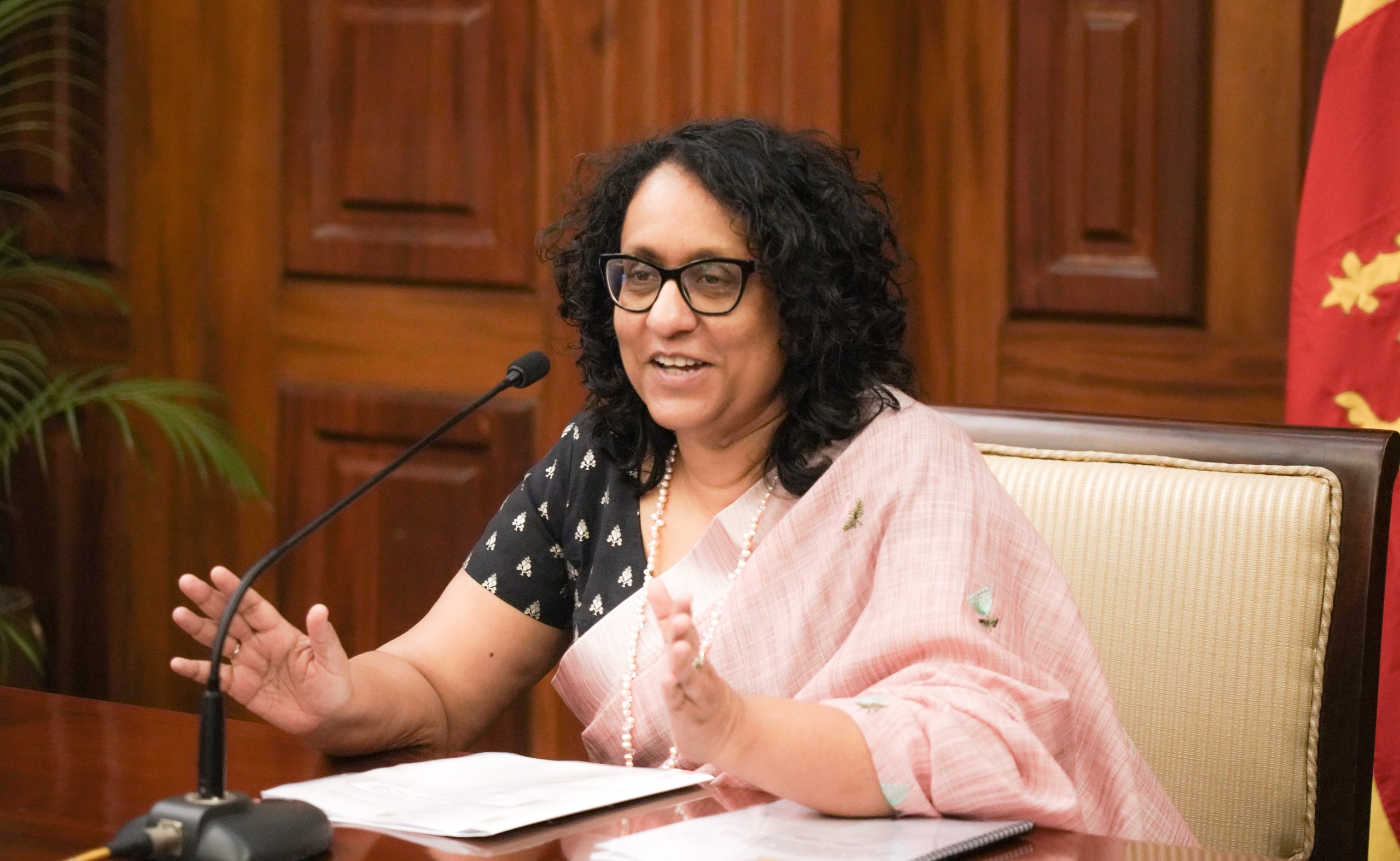
Prime Minister Dr. Harini Amarasuriya emphasized that addressing the drug issue in the country must be treated as a national priority, highlighting that it must deliver results at the ground level.
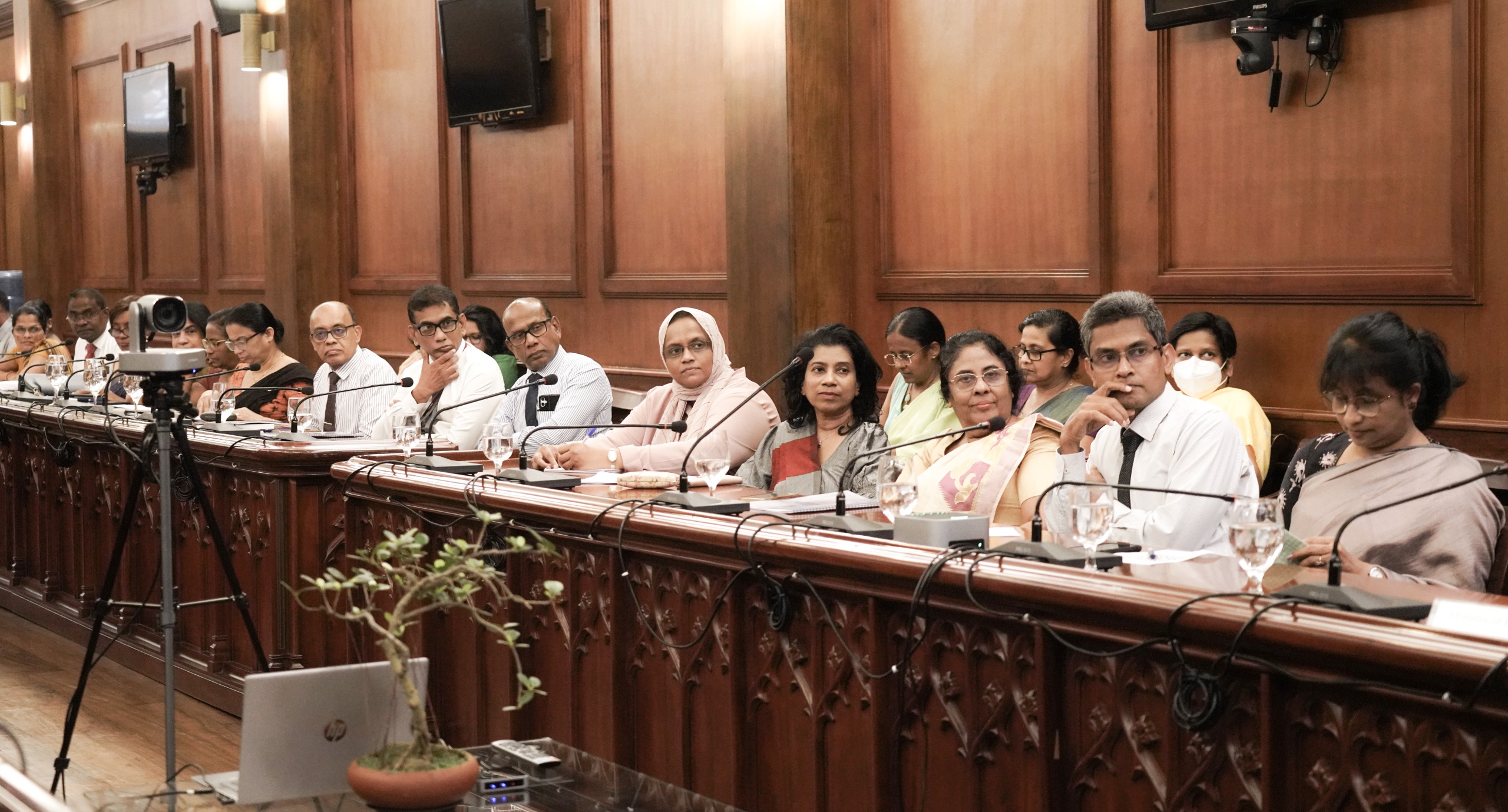
A meeting to brief the Prime Minister on the National Strategic Plan for the Management, Treatment and Rehabilitation of Persons with Substance Use Disorders (SUD) 2026–2030 was held with the participation of officials from the Ministry of Health and Mass Media and other key stakeholders on 13th of March at the Temple Trees.
The discussion focused on the proposed national strategy developed to address the growing health, social and economic challenges associated with substance use disorders in Sri Lanka. The strategic plan aims to strengthen prevention, treatment, rehabilitation and reintegration services through a coordinated and evidence-based national approach.
During the meeting, attention was drawn to existing gaps in early identification of substance use disorders, continuity of care, community-based follow-up and reintegration of recovering individuals into society. The plan proposes several key interventions, including strengthening screening and symptomatic treatment at primary healthcare and outpatient levels, improving hospital-based treatment and follow-up services, expanding residential rehabilitation facilities, and enhancing community-based rehabilitation and relapse prevention programmes.
Special emphasis has also been placed on providing targeted support for vulnerable groups, including children and adolescents, pregnant women, mothers with children and prison inmates.
Speaking on the importance of strengthening the national response to drug issues, the Prime Minister Dr. Harini Amarasuriya noted that the drug menace has evolved into a serious social crisis that threatens social stability and security of families and the nation as a whole highlighting that law enforcement and rehabilitation in this regard must be given equal priority.
The Prime Minister further underscored the importance of including public awareness initiatives and responsible media reporting as key components of the national strategy.
The meeting was attended by the Secretary to the Prime Minister Pradeep Saputhanthri, Secretary to the Ministry of Health Dr. Anil Jasinghe, officials from the Department of Prisons, Bureau of Rehabilitation, Sri Lanka Police Ministry of health, Ministry of Public Security and Parliamentary Affairs, Ministry of Justice and National Integration ,Ministry of Defense, Ministry of Education, Ministry of Women and Child Affairs and other relevant department and ministries.
[Prime minister’s Media Division]

In light of the prevailing geopolitical developments in Middle East, the petroleum product supply chain has been adversely affected. At the same time, the demand for fuel has increased abnormally, resulting in a depletion of the country’s existing fuel stock. Therefore, it has become necessary to carefully manage the available fuel reserves in order to sustain the nation’s economic activities.
Furthermore, it has recently been observed that certain groups have been illegally purchasing fuel in excessive quantities. The Government of Sri Lanka intends to prevent such improper consumption and ensure an uninterrupted fuel supply for the day-to-day needs and economic activities of the general public.
Accordingly, a QR code system will be implemented with effect from 06.00 a.m. on 15.03.2026.
Fuel will not be issued by any operating filling station in the country without a valid QR code from 06.00 a.m. on 15.03.2026.
Steps to Obtain the QR Code
- Users who have already registered for the QR Code
- Users whose vehicle ownership and registered mobile number remain unchanged since their initial registration may download their QR Code from the website https://fuelpass.gov.lk/ starting from midnight on 14.03.2026, using the ‘Vehicle Login’ button.
- Users whose vehicle ownership or registered mobile number has changed since their last registration are required to re-register their details through the website https://fuelpass.gov.lk/ starting from 6.00 a.m. on 15.03.2026, using the ‘Vehicle Registration’ button.
- Users who have not previously registered for the QR Code and users with newly registered vehicles at
the RMV - Registration can be completed starting from 06.00 a.m. on 15.03.2026 through the
website https://fuelpass.gov.lk/, using the ‘Vehicle Registration’ button.
The number of litres allocated for each category of vehicle is stated below.
A special fuel issuance system will be implemented for vehicles required to support national production and essential services.
| Vehicle Class | Capacity control volume for fuel pass
(L) |
| Buses | 60 |
| Motor cycle | 5 |
| Van | 40 |
| Motor car | 15 |
| Motor Lorry | 200 |
| Land Vehicles | 25 |
| Three Wheeler | 15 |
| Special Purpose Vehicle | 40 |
| Quadricycle | 5 |
[Sri Lanka Transport Board will issue fuel to the private buses].


The National Water Supply and Drainage Board (NWSDB) on Friday said the largest groundwater source discovered in Sri Lanka so far had been identified during tube-well drilling near the Pitabeddara Police Station.
Indrajith Gamage, geologist in charge of the Southern Province, said the source recorded a continuous flow of about 10,000 litres (10 cubic metres) per minute, marking the first instance in the country where a groundwater source of that magnitude had been found.
He noted that the previous largest groundwater source was discovered in the Madhu area, which recorded a flow of about 7,000 litres per minute.
According to the NWSDB, the tube well was drilled following geological studies of rock layers and the identification of underground water through fractures in rock strata using specialised technical instruments.
The Board said steps would be taken to distribute water from the newly discovered source to residents facing shortages in Pitabeddara, Morawaka and surrounding areas.

‘Gruesome’ war bets fuel calls for crackdown on prediction markets

Three more Iran football team members change minds over asylum

Trump urges UK and other nations to send warships to Strait of Hormuz

Addressing the drug issue in the country must be treated as a national priority – PM

QR code system will be implemented for fuel with effect from 06.00 a.m. today (15th)

Showers will occur at several places in the Western, Sabaragamuwa, Central, North-western and Uva provinces and in Galle, Matara, Mannar and Anuradhapura districts after 2.00 pm.

‘Dates have the highest sugar content to fight Coronavirus’

Sunday Island 27 December – Headlines

#SundayIsland 17th December – Headlines

Sunday Island – 28th March

Sunday Island Headlines – 21 March

Sunday Island – 21st February – Headlines
-

 News7 days ago
Repatriation of Iranian naval personnel Sri Lanka’s call: Washington
-
 Features7 days ago
Winds of Change:Geopolitics at the crossroads of South and Southeast Asia
-

 News6 days ago
Prof. Dunusinghe warns Lanka at serious risk due to ME war
-

 News4 days ago
Historic address by BASL President at the Supreme Court of India
-

 Sports5 days ago
Royal start favourites in historic Battle of the Blues
-

 Sports4 days ago
The 147th Royal–Thomian and 175 Years of the School by the Sea
-
 Business5 days ago
BOI launches ‘Invest in Sri Lanka’ forum
-
 News5 days ago
CEBEU warns of operational disruptions amid uncertainty over CEB restructuring