
News
As deadly surge of COVID-19 sweeps across South Asia, UNICEF calls for $164 million to help save lives


KATHMANDU – UNICEF urgently requires $164 million to procure oxygen and testing supplies, medical equipment, personal protective equipment and infection prevention and control material to help save lives amid a deadly wave of COVID-19 across South Asia.
The region, home to almost two billion people, accounts for half of known new infections globally. Over three new COVID-19 infections are being recorded every second. Mortality in the region is rising sharply, with more than three people dying every minute due to COVID-19.
“The sheer scale and speed of this new surge of COVID-19 is outstripping countries’ abilities to provide life-saving treatment,” said George Laryea-Adjei, UNICEF Regional Director for South Asia.
“Hospitals are overwhelmed, there is an acute lack of oxygen and other critical medical supplies, and there is a real risk of fragile health systems collapsing.”
During the first wave of the pandemic, an estimated 228,000 children and 11,000 mothers across South Asia died due to severe disruptions in essential health services. “We’re now looking at a surge that is four times the size of the first. We need to do everything within our power to prevent and treat COVID-19, while keeping the critical health care services that children and mothers so heavily depend on running,” Laryea-Adjei said.
On May 18, India recorded the highest number of daily deaths ever in the history of the COVID-19 pandemic: 4,529. Neighboring Nepal has experienced case positivity rates as high as 47 per cent; Sri Lanka and the Maldives are recording new highs in COVID-19 cases and deaths on a daily basis; and hospitals in the capital of the Maldives are reaching full capacity.
Bangladesh, Pakistan, Afghanistan, and Bhutan could all face similar devastating surges. In almost all countries in the region, with the exception of the Maldives and Bhutan, fewer than 1 in 10 people have been vaccinated against COVID-19.
The funding requirement includes:
• $32 million for oxygen equipment including on-site oxygen-generating plants for hospitals, portable oxygen concentrators and cylinders
• $40 million for medical and diagnostic equipment including RT-PCR and RNA extraction machines
• $60 million for masks, face shields, gloves, gowns, visors, and other personal protective equipment needed to keep health & frontline workers safe
• $28 million for infection prevention and control including handwashing stations, sanitizer, autoclaves, laundry machines and hygiene supplies required to deliver essential health care safely
• $3.7 million for therapeutics and medical supplies, including nutrition support and consumables.
The critical health supplies will not only save lives, but also help build stronger health-care systems across South Asia ahead of potential future waves of the pandemic. In addition, the supplies will also be used to strengthen healthcare services for women and children: improving access to oxygen therapy can directly contribute to fighting childhood pneumonia in the region, and RT-PCR test machines that identify COVID-19 can also help detect TB, HIV, HPV and streptococcus.
“This deadly surge in South Asia threatens to reverse global gains against the COVID-19 pandemic and roll back hard-earned progress on child and maternal survival,” Laryea-Adjei said. “We’re asking for support to help make sure this doesn’t happen.”
In addition to delivering life-saving COVID-19 supplies, UNICEF’s COVID-19 response in South Asia also includes:
• reaching families with information and resources to prevent infection and building vaccine confidence;
• increasing access to safe water and sanitation;
• cash assistance for the most vulnerable families;
• supporting efforts to keep children learning, including through engaging the public and private sectors; and
• providing mental health and protection support for children and young people directly affected by the pandemic.


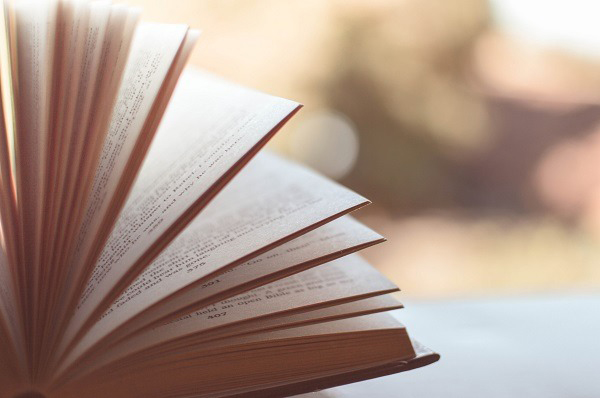
Seven books authored by Ven. Dr. Boralesgamuwe Pemaratna Thera, Viharadhikari of the Bellanwila Rajamaha Viharaya, including his doctoral dissertation titled “Buddhist Greeting Practices, Offerings and Rituals on the Basis of the Dharma,” will be launched at a ceremony on Monday (6).
The event is scheduled to be held at the auditorium of the National Library and Documentation Services Board in Colombo 7.
Six other books authored by Ven. Dr. Pemaratna Thera—Sithata Denea Budubana, Vas Viseema and Katina Pinkama, Vruksha Vandanaven Bodhi Vandanawata, Pirith saha Sathi Piritha, Pudapoojawala Abhichaeawidiwala Dharamaya ha Manochikithsamaya Padanama, and Daham Lipi Saranaiya—will also be released at the same ceremony.
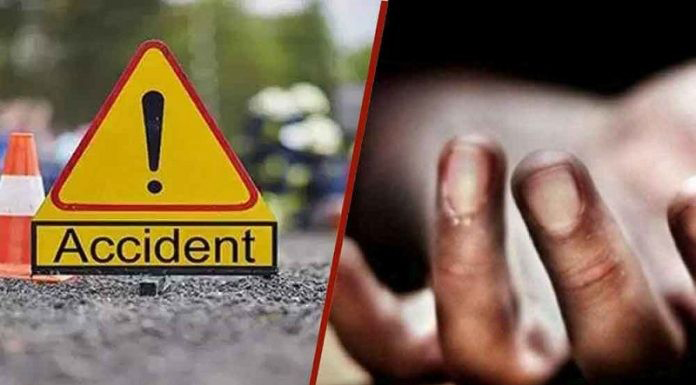
A schoolboy riding a motorcycle to a big match was killed and the pillion ride was critically injured in a head-on collision with a bus at Balagolla, Kandy, yesterday (2).
The victims, two prefects of St. Sylvester’s College, were on their way to the Pallekele International Cricket Stadium to watch the annual cricket match between St. Sylvester’s College and Vidyartha College, Kandy.
Police said the motorcycle, travelling from Kandy towards Pallekele, had collided with a private bus plying from Madugalle to Kandy.
One of the students died on the spot while the other sustained severe injuries and was admitted to the Kandy National Hospital.
The driver of the bus has been arrested in connection with the incident.
Further investigations are being conducted under the direction of Officer-in-Charge of the Balagolla Police, Chief Inspector E. I. S. K. Ilangasinghe.
By S K Samaranayake

Sri Lanka has introduced its first national guideline series on the use of oxygen in government hospitals under the patronage of Health Minister Nalinda Jayatissa.
The initiative, prepared by the Ministry of Health with the support of UNICEF, aims to standardise the use of oxygen in patient care while strengthening the technical knowledge of medical administrators, specialists and other health professionals.
According to the Health Ministry, Additional Secretary (Medical Services) Kumara Wickramasinghe led the compilation of the guidelines, which were formally handed over to Minister Jayatissa.
Parallel to the launch, a series of training programmes has been initiated with 100 health professionals, including specialist doctors, expected to receive training. They will in turn train staff at district and provincial levels to ensure uniform practices across hospitals.
Addressing the launch event in Colombo recently, Minister Jayatissa said the government spends a considerable sum annually on oxygen for hospital services and noted that the new guidelines and training programmes would help improve the quality and organisation of patient care.
He also said oxygen production units had already been established at the Tissamaharama Base Hospital, Avissawella District General Hospital, Udugama Base Hospital and Kegalle District General Hospital, meeting local requirements while supplying surplus oxygen to other hospitals.
The event was attended by Emma Brigham, Abner Daniel , senior officials of the Health Ministry, hospital directors, provincial and regional health directors, representatives of medical faculties and specialist doctors.

The Ramadan War

When offenders walk free

Sri Lanka Brand Forum aims to reshape business for a ‘BANI world’

Ven. Pemaratna launches seven books

Hidden truth of Sri Lanka’s debt story: The untold narrative behind the report

Prefect killed in motorcycle accident on his way to school big match: Pillion rider injured

‘Dates have the highest sugar content to fight Coronavirus’

Sunday Island 27 December – Headlines

#SundayIsland 17th December – Headlines

Sunday Island – 28th March

Sunday Island Headlines – 21 March

Sunday Island – 21st February – Headlines
-

 Features6 days ago
A World Order in Crisis: War, Power, and Resistance
-

 News7 days ago
Energy Minister indicted on corruption charges ahead of no-faith motion against him
-

 News3 days ago
Tariff shock from 01 April as power costs climb across the board
-
 News6 days ago
Minister Jayakody indicted in Colombo High Court over alleged corruption
-

 News6 days ago
Police look for male partner of Chinese woman found stabbed to death at an apartment in Kohuwala
-
 News4 days ago
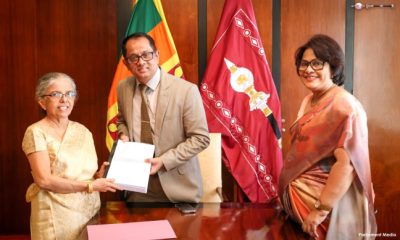
Inquiry into female employee’s complaint: Retired HC Judge’s recommendations ignored
-
 Features4 days ago
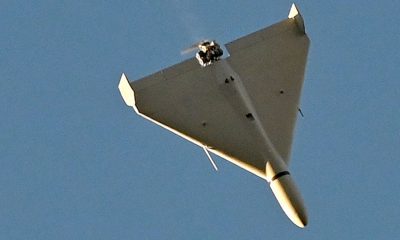
New arithmetic of conflict: How the drone revolution is inverting economics of war
-
 Features5 days ago
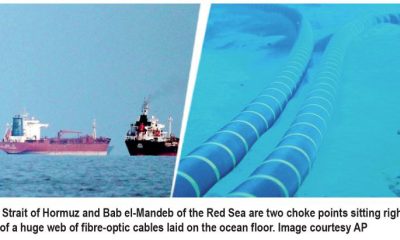
When seabed goes dark: The Persian Gulf, cable sabotage, and race for space-based monopoly