
Features
Are we making rational decisions in the rice sector?

By M. P. Dhanapala
Agrochemicals, including chemical fertilisers, are to be replaced by non-toxic organic manure and other environmentally-friendly products, based on the expert advice that the modern agricultural products are toxic due to indiscriminate use of agrochemicals. An example frequently cited was the Chronic Kidney Disease (CKDu) of unknown origin in the North Central Province. Also, some critics insist that those who promote agrochemicals are rewarded by multinational companies involved in the agrochemical industry.
As a result, agrochemicals, in agriculture, have become a topic, debated in public media by policymakers, their advisors, specialist doctors, university professors, professionals of organic agriculture, scientists, politicians and leaders of farmer organisations. The above-mentioned allegations were refuted as inaccurate, inconclusive and unscientific (Pethiyagoda, R., YouTube seminar https://www.youtube.com/watch?v=rGe6ld2q1vs).
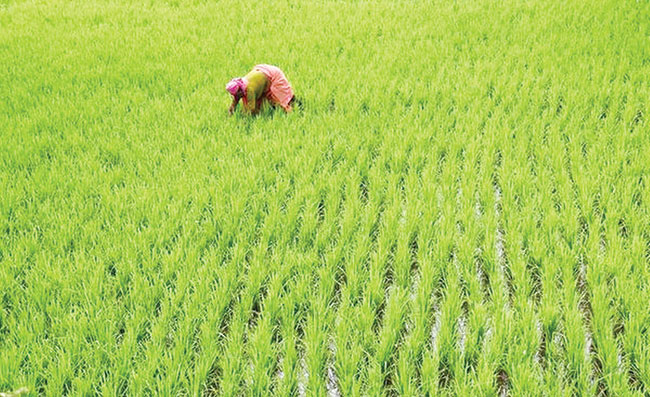
According to some scientists, the causal agent of CKDu was concluded as high concentration of Fluoride ion (Fl-) in drinking water. As a rice scientist, some issues bother me in this whole dispute; especially in the area of chemical fertiliser, the most indispensable, one and only input, that increases the productivity of crops.
Rice farming is the least remunerative of all occupations in Sri Lanka; the farmers in the past were involved in rice farming because of the social dignity, the pride of not consuming imported rice (Beven, 1914, Tropical Agriculturist, 1914 Dec.). Also, farming is considered an independent profession; the fact that one has to pay respect when dealing with the farming community.
Organic manure issue
Some critics insist that we have lost the organic manure technology practised 3000 years ago; probably a documentation failure. It would be great if we could recover the old technology from somewhere. However, in the recent past, as documented in the scientific journal ‘Tropical Agriculturist’, incorporation of bulk organic matter was recommended as early as 1914 for rice fields to circumvent disintegration and deterioration of soil structure, due to puddling during land preparation (Harrison, 1914). The nutritional status of the organic material concerned was not quantified or discussed. This recommendation was made during the British era, around the inception of the Department of Agriculture, and it is valid even today.
In the 1940s, farmers did cultivate traditional varieties with green manure, farmyard manure, compost, soybean cake and fishmeal, as organic manure but no specific recommendations were recorded. The targeted rice yield then was 15 bushels per acre (0.75 tons per hectare) but realised only a national average of less than 13 bushels per acre (< 0.65 t/ha). The government then had to import two-thirds of the rice requirement of the country to feed the population (Tropical Agriculturist, 1945 July – Sept.). The rice ration book continued till the modern varieties were developed and established. The present day advisors and policymakers may be unaware of or have ignored the rice ration book, each citizen had, with 52 weekly stamps, to obtain the imported (millcharred/white raw) rice ration from the nearby cooperative shop.
Incorporation of paddy straw into fields was emphasised, just before the turn of the Century, to sustain soil fertility and organic content of the soil, especially when the cropping intensity increased with the release of high potential short-duration rice varieties. This recommendation was complemented with site-specific soil test-based fertiliser recommendations, using the regional recommendations as guidelines, to prevent indiscriminate use of fertiliser. Also, the researchers were vigilant to keep the high organic soils with poor and impeded drainage (wet zone) devoid of organic manure while taking precautions to prevent straw or crop residue from becoming a primary inoculum of diseases.
Organic manure no doubt improves the physical, chemical and biological properties of the soil. Organic manure has colloids, composed of protein-rich material with negatively charged amino acids, and help to build up the soil structure and Cation Exchange Capacity (CEC) thus improving the nutrient retention power of the soil. Organic manures are not known as rich sources of plant nutrients. The nutrient contents and efficiency of different sources of organic manure are shown in Table 1.
The nutrient content of organic manure from the above-mentioned sources in Sri Lanka cannot be significantly different from values in Table 1, unless some other additives had been incorporated in the process of manufacture.
Now, let us consider the nutrient recommendation for the most popular group of rice varieties (3.5-month) grown under irrigation in the dry zone. The present recommendation per hectare is 105 kg Nitrogen (N), 25 kg Phosphorus (P2O5) and 35 kg of Potash (K2O) (Page 15, Fertilizer Recommendation for Rice, Department of Agriculture, 2013). As an example, we will examine the requirement of the most controversial nutrient component, nitrogen (N), in this recommendation. To meet this N requirement, the farmer should have around 13 tons of moisture-free compost (0.8 percent N) for one hectare of land, assuming that the harvested straw of the previous season is not incorporated into the soil. If the compost available has 20 percent moisture, this figure would be a little more than 16 tons. The farmer then will have to pay for and carry in the field a little more than three tons of water on his back for every hectare of rice land cultivated. Additionally, there are peak requirements of N at different growth stages of the crop to promote yield components of the plant. The compost, once applied, will release N consistently, irrespective of the peak requirements of the crop growth stages and may continue this process even beyond the lifespan of the crop as long as the mineralisation process continues. This example may be too much of an exaggeration, but the advisors, or policymakers, should know how inappropriate it is, to substitute a technology, more relevant for home gardening, for extensive paddy cultivation; this probably will be the reason behind the denial of compost culture by commercially-oriented rice cultivators. Besides, it is unethical to force on farmers, a new technology, unfamiliar to them altogether. Organic farming specialists can demonstrate, in large scale field trials, their intended package of practices, specifically in different agro-ecological regions, to ascertain its appropriateness; feasibility, economic viability, sustainability and other advantages, to convince and gain farmer acceptance. The total package of the proposed organic rice farming may include other options; green manure crops, vermicompost, biofilms, effective microbes, biogas residual products, N fixing microbes and organic extracts of unknown origin and ingredients, but none of these technologies were field-tested and demonstrated with modern rice varieties.
One good example of Inappropriate Technologies is the ‘System of Rice Intensification (SRI)’ introduced in Sri Lanka around the turn of the Century. It was some form of environment-friendly, water-saving organic farming project with labour-intensive field operations, especially the transplanting procedure aimed at the exploitation of potential plant growth and the tillering capacity in rice to maximise yield. After a few years’ lapse, no farmers involved in the project could be traced to review its progress. If a technology is appropriate, you may notice lateral spread of the technology from farmer to farmer without any extension effort.
Inorganic Nitrogen as plant nutrient
At the beginning of the 20th Century, the application of Nitrogen (N) to improve rice yields was attempted using the American experience of Sodium Nitrate (NaNO3) in upland crops (Soybean). Nagaoka (1905) and, Daikuhara and Imaseki (1907) reported the superiority of Ammonium Sulphate ((NH4)2SO4) to NaNO3 as the source of N for rice. Subsequently, the basic investigations on the application of N for rice were made in Japan, India and Hawaii, confirming the superiority of the Ammonium form of N (NH4+) in rice, the process of nitrification and ammonification under different soil moisture regimes and the Nitrite (NO2-) toxicity when the concentration exceeds five to six parts per million (5-6 ppm) upon submergence of aerobic or nitrate-rich soil. One should realise that N in submerged soil, irrespective of its source (organic or inorganic), exists in the form of Ammonium ion (NH4+), a fact established universally.
Joachim (1927) stressed the importance of liberal manuring to improve yields at the onset of genetic improvement of crops, particularly when the pure-line selection was initiated with traditional rice varieties. However, excessive manuring succumbs the rice crop to diseases (Blast and Brown spot); the crop tends to grow excessively vegetative and lodges prematurely affecting yield. Though some improvement of N response was developed by introducing disease tolerant ‘H’ varieties from the late 1950s, the basic defects of the traditional plant type, leafiness and lodging, prevailed. The introduction of new plant types (modern varieties) improved significantly the harvest index of the plant and the grain yield response to added N. A new source of N, Urea (46 percent N), was introduced in the early 1970s to contain soil acidity developed by the regular use of Ammonium Sulphate (21% N) and Urea was utilised extensively thereafter as the major source of N.
The 16 t/ha compost requirement (105 kg N) of the example discussed in the previous section can clearly be fulfilled with 230 kilograms of Urea. Furthermore, the crop requirement at different growth stages can be met by the split application of Urea, as the N content of Urea will be available to the plant shortly after its field application.
Urea, (CO(NH2)2), is an organic compound denied in organic farming with a molecular structure composed of Carbon, Oxygen and two Amine groups with no toxic elements. The amine groups are apparently converted to ammonium ion (NH4+) by soil microbes under anaerobic conditions and get adsorbed to the Cation Exchange Complex. Any source of N, whether organic or inorganic, undergoes the same process of ammonification in submerged soils to form ammonium ion. If the soil is rich in CEC, the ammonium ion is kept tightly bound to the Soil Cation Exchange Complex and leaching and contamination of groundwater will be contained or minimised. As it is, the most appropriate solution to the current crisis is the recommendation of an organic-inorganic combination of fertilisers as recommended by the Department of Agriculture. This will enhance the efficiency of both factors, organic and inorganic, synergistically and prolong the availability of N for crop growth without contamination of groundwater. Also, the quantity of N can be reduced substantially without affecting the performance of the crop as the N component is thereby efficiently utilised.
Also, some scientists are investigating atmospheric N fixing microbes, specifically in the root zone soil (rhizosphere) and within the plant (endophytic). If this is a realistic goal and if the naturally occurring microbes can fix N beyond their biological limits, we are fortunate as the atmosphere around us is full of Nitrogen (80 percent). To observe N fixing soil microbial activity, some rice plots were maintained for more than 30 years at the RRDI, Batalagoda, without added fertiliser. Intuitively, by judging from the rice yields, I infer that the microbes associated in the soil of these plots are not capable of fixing more than 40 kg N per hectare, probably the biological limit of microbes and that too will be diminished when the crop requirement is met with added Nitrogen. Similarly, the inoculated rice plants, with endophytic bacteria to fulfil the N requirement of rice, would be a long shot. There were other concepts considered, promising in atmospheric N fixation in rice, but were abandoned prematurely as the technologies were found to be inappropriate; for example, Azolla-Anabaena complex and root nodulation in Sesbania species.
Any waste should not be converted to compost or organic manure as some sources are contaminated with heavy metals and other toxic products. Animal waste may carry residues of antibiotics used as growth promoters. The danger of developing antibiotic tolerant or resistant human pathogenic bacteria by free exposure to antibiotic residues or by exchange of genetic material (conjugation) among bacterial mutants with human pathogens is not ruled out.
The current status of rice production in the country was achieved through the mutual development of related technologies for more than a century. It is not a matter to be ruled out by the so-called expert advisors with one stroke of a pen; as a result of the transition to nontoxic organic rice cultivation, the loss incurred in national rice production will be colossal. This is not the time to learn organic rice cultivation with the textbook experience of experts with no field experimental evidence. The incidence of COVID-19 and other natural calamities (floods, droughts) would adversely affect global rice production and surplus production in rice exporting countries cannot be predicted. In this scenario, national food security for Sri Lanka could be further threatened disastrously through this adventure in organic farming that has been launched almost overnight, without any foresight whatsoever.
In the past, we had an excellent Agricultural Extension and Education System composed of regular Technical Working Group Meetings, Research-Extension Dialogues, Inservice Training Programmes and Field Visits, and a well-qualified, dedicated set of extension staff promoted Good Agricultural Practices (GAP) in rice production. This system should be revitalised to sustain the food security of the country.
(The writer is a former Director, Rice Research and Development Institute)

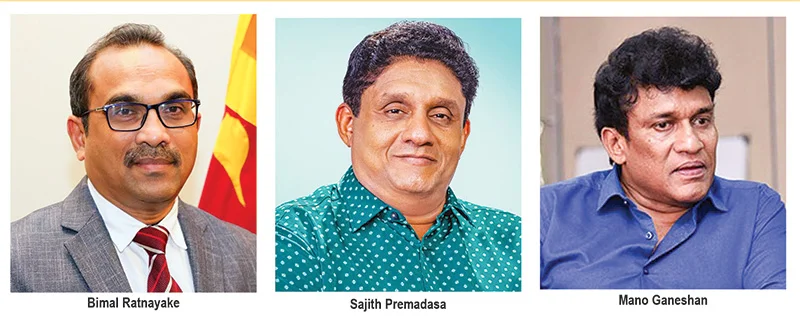
At a symposium on reconciliation organised by the National Peace Council last week, more than 250 religious clergy, civic activists and political representatives from different communities gathered to discuss the country’s future. Speaking at the event, Minister Bimal Rathnayake explained the government’s approach to national reconciliation. He said the government viewed the country’s recovery in terms of a three stage process. The first stage was stabilisation, the second was development and the third was transformation. Reconciliation, he implied, would come in that final stage. The participation of Opposition Leader Sajith Premadasa at the same symposium, and the constructive nature of his comments, strengthens that hope.
When the present NPP government took office in 2024, the country was emerging from one of the gravest crises in its post Independence history. The economic collapse of 2022 had led to shortages of fuel, food, medicines and electricity. Inflation soared, foreign reserves disappeared and long queues became part of daily life. The political upheaval that followed culminated in the resignation of former President Gotabaya Rajapaksa after mass public protests under the banner of the Aragalaya movement. The country was then governed by a leadership that spoke the language of reform and reconciliation but was widely perceived as lacking a direct popular mandate.
Sri Lanka’s past experience suggests that stabilisation and transformation cannot be treated as entirely separate stages. Postponing reconciliation until some future moment risks repeating the failures of the past. If transformation is endlessly delayed until a supposedly perfect moment arrives, there will always be new crises and new reasons for postponement. Minister Rathnayake’s contention that the government’s immediate priority has necessarily been stabilisation flows from the government’s awareness of the precarious situation the country is. Over the past two years, the government has succeeded to a significant extent in restoring economic and political stability. Inflation has reduced, shortages have ended and public institutions have regained a degree of functionality.
Guaranteed Changes
On the other hand, the country’s development continues to face challenges due to adverse global conditions, including disruptions caused by conflict in the Middle East and extreme weather events that have affected tourism, trade and the cost of living. The danger is that reconciliation may be indefinitely postponed in the name of stabilisation. This danger can be reduced if the government works proactively with the opposition and civil society to commence practical measures of transformation now rather than later. The participation of Opposition Leader Sajith Premadasa at the symposium, and the constructive nature of his comments, has strengthened the sense that bipartisan engagement on reconciliation may now be possible.
The urgency of transformation came through strongly in the presentations made by representatives of the Sri Lanka Tamil and Malaiyaha Tamil communities. ITAK parliamentarian S.Shritharan spoke of the frustration caused by unresolved post war issues in the north and east. He referred to disputes regarding land occupied during the war years, including controversies linked to Buddhist temples and state sponsored settlement activity in areas claimed by local communities. He also pointed to the continuing large scale presence of the security forces in the north and east nearly two decades after the end of the war. These grievances have remained central to Tamil political discourse since the end of the armed conflict in 2009. Families displaced by war continue to seek the return of ancestral lands. Civil society organisations in the north have repeatedly called for greater civilian control over local administration and a reduction in military involvement in civilian life.
Academic research and practical work on the ground have shown that reconciliation cannot be separated from questions of dignity, equality and justice. Former minister Mano Ganesan, leader of the Democratic People’s Front, focused on the longstanding problems faced by the Malaiyaha Tamil community. He spoke passionately about continuing housing shortages, landlessness and economic marginalisation, issues that have persisted since Independence. He also highlighted the devastating impact of recent extreme weather events on estate communities that remain socially and economically vulnerable. The condition of the Malaiyaha Tamil community remains one of the enduring social justice issues in Sri Lanka.
After Independence in 1948, a large proportion of them were denied citizenship and voting rights through legislation that rendered them stateless. Though citizenship rights were eventually restored, the social and economic consequences of exclusion continue to be felt generations later.
Many families still lack secure housing and land ownership despite their immense contribution to the country’s plantation economy. Minister Rathnayake’s responses to both these concerns were politically significant. He argued that recent political developments, including the declining influence of narrow ethnic politics across communities, indicated a major shift in public attitudes. According to him, the political ground has changed in ways that make it increasingly difficult for politicians who rely primarily on ethnic division and communal insecurity to retain public support.
Inter-Connected
There is evidence to support the assessment about the changing political grounding which sees future prospects in the resolution of long standing problems. . The economic collapse of 2022 affected all communities alike and generated a new politics centred on governance, anti corruption, accountability and economic justice. The Aragalaya protests brought together Sinhalese, Tamils and Muslims in a common demand for political change. Although ethnic grievances have not disappeared, the crisis created space for a broader understanding that the country’s future depends on cooperation rather than division. Opposition Leader Premadasa’s comments at the symposium reflected this changing political climate. He emphasised that national reconciliation could not be separated from economic justice and the need to address disparities between regions and social classes.v He also mentioned the need for civil society organisations to take this message to the community. This wider understanding of reconciliation is important because ethnic inequality and economic inequality have often reinforced each other in Sri Lanka’s history.
Academic studies have identified the denial of citizenship rights after Independence as a historic injustice that set back the Malaiyaha community for decades. The challenge now is to ensure that transformation becomes part of the stabilisation and development process itself. Practical first steps are both possible and necessary. The release of civilian lands still under state control, greater devolution of administrative authority, reduction of military involvement in civilian affairs, language equality in public administration and accelerated housing and land ownership programmes in the plantation sector are all measures that can begin immediately without waiting for a final stage of transformation.
The government’s recent commitment that provincial council elections will finally be held this year is therefore significant. These elections have been repeatedly postponed by successive governments. Holding them would not solve the ethnic conflict by itself. But it would signal a willingness to restore democratic institutions and share power in a meaningful way.
Sri Lanka has repeatedly postponed difficult reforms in the hope that a more convenient political moment would eventually arrive. But opportunities are invariably created and fought for instead of being provided as a gift by a benevolent government.
The present moment, shaped by the economic crisis and public demand for accountable government, offers a rare opportunity to move simultaneously towards stability, development and reconciliation. Provincial council elections can be the first meaningful step. But they must not be the last.
by Jehan Perera
In a significant move aimed at steering Sri Lanka’s environmental governance towards a more science-based and evidence-driven path, the Ministry of Environment has initiated a new collaborative mechanism to integrate leading researchers into national policy formulation and conservation planning.
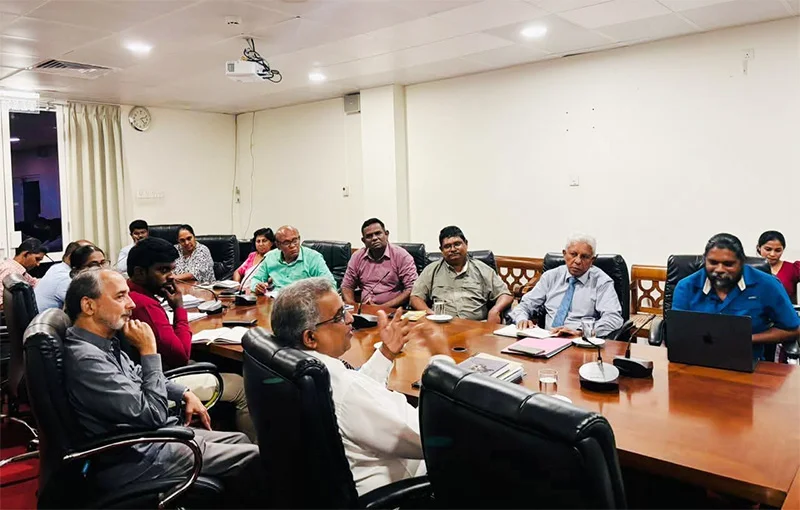
The initiative was discussed at a high-level meeting chaired by Dr. Dammika Patabendi at the Ministry of Environment on Tuesday, where top environmental scientists, wildlife experts and researchers were invited to contribute towards what officials described as a “strategic transition” in the country’s environmental management framework.
The discussions focused on strengthening the scientific basis of environmental conservation programmes and national policy decisions while creating a more research-friendly environment for academics and field scientists engaged in biodiversity and ecological studies.
Particular attention was paid to long-standing concerns raised by researchers regarding procedural and operational difficulties encountered when conducting studies in collaboration with the Department of Wildlife Conservation and the Forest Department.
Minister Patabendi stressed the need for environmental policies to be guided by credible scientific data rather than ad hoc administrative decisions, ministry sources said.
Among the key proposals discussed was the establishment of a streamlined mechanism that would reduce bureaucratic obstacles faced by researchers in obtaining approvals, accessing field sites and sharing scientific findings with state institutions.
The Minister highlighted the importance of building stronger partnerships between policymakers and the scientific community at a time when Sri Lanka is grappling with escalating environmental challenges including deforestation, biodiversity loss, human-elephant conflict, climate-related disasters and ecosystem degradation.
Environmentalists attending the meeting had also highlighted the urgent necessity of incorporating empirical research into national decision-making processes to ensure long-term ecological sustainability and better resource management.
The meeting brought together several of Sri Lanka’s leading environmental researchers and academics including Rohan Pethiyagoda, Saminda Fernando, Sewwandi Jayakody, Samantha Gunasekara, Dinidu Devapura, Himesh Jayasinghe, Manoj Prasanna, Mendis Wickramasinghe and Suranjan Karunarathna.
Director General of Wildlife Conservation Ranjan Marasinghe also participated in the deliberations.
Officials said the proposed framework is expected to pave the way for a more transparent, data-oriented and scientifically credible environmental governance structure capable of addressing emerging conservation challenges more effectively.
The government expects the new mechanism to support the implementation of practical and scientifically robust programmes aimed at safeguarding Sri Lanka’s ecological future while enhancing cooperation between state agencies and the country’s growing community of environmental researchers.
By Ifham Nizam

 Niluk Uswaththa, of Seven Notes fame, based in Dubai, surprised many when he and his wife Apeksha, turned up in Colombo, last week … unannounced.
Yes, they had a purpose in their surprise visit … to wish Apeksha’s mum for her birthday, which was on Monday, 18th May, and what a surprise it turned out to be!
In an exclusive chit-chat with The Island, Niluk said that the scene in Dubai is improving and Seven Notes do have work coming their way.
Since the members of Seven Notes are all employed (doing day jobs), they operate only on Saturdays and Sundays.

Niluk: Didn’t come prepared to perform, but obliged
friends in Galle
In fact, to get to Colombo for the birthday surprise (on Monday, 18th May), the band had to skip their 17th May, Sunday gig.
“Although it’s a short vacation, my wife and I are enjoying the setup here,” said Niluk, adding that they spent two days in Galle and that their next destination is Anuradhapura.”
Niluk didn’t come prepared to perform, but he obliged the crowd present, at a friend’s birthday celebrations, in Galle, singing and playing guitar.
They are scheduled to leave for their home, in Dubai, in the first week of June.
Seven Notes is an outfit made up of Sri Lankans and the band has been around for almost nine years.
Niluk came into their scene nearly seven years ago.
“When I went to Dubai, I had offers coming my way but it was Seven Notes that impressed me because of their acoustic style.”
The Dubai’s entertainment scene is showing clear signs of bouncing back and even levelling up in the next few months.

Niluk and Apeksha: Enjoying their short vacation
After a slowdown earlier this year due to regional tensions, shows and festivals are back on the calendar, and organisers say late 2026 could be the busiest concert season in years.
Time Out Dubai says “the 2026 concert calendar is filling up nicely” and “the city is ready to party once again” after some reschedules.
Dubai Summer Surprises in July brings retail activations, comedy nights, and indoor art exhibitions.
Organisers point to a backlog of postponed events that are being rescheduled for late 2026 and early 2027.
Yes, Dubai is calm on the surface but on alert. Life is mostly normal in the city, but there’s a “balancing act” as people watch for escalation.

Patidar leads the way as Royal Challengers Bengaluru storm into second straight final

Kandy Royals sign Vijay Shankar for LPL 2026

Cabinet approves sale of Paddy stocks held by the Paddy Marketing Board
Amendment to the Promotion of Export Agriculture Act, No. 46 of 1992 to be gazatted
Ms. M.K.D.N. Madampe, appointed as Director General of the Department of Management Services

Cabinet approves collaboration agreement between Sri Lanka and Brazil for the implementation of the “Sugarcane Project in Sri Lanka”

‘Dates have the highest sugar content to fight Coronavirus’

Sunday Island 27 December – Headlines

#SundayIsland 17th December – Headlines

Sunday Island – 28th March

Sunday Island Headlines – 21 March

Sunday Island – 21st February – Headlines
-

 Features7 days ago
Octopus, Leech, and Snake: How Sri Lanka’s banks feast while the nation starves
-
 Sports7 days ago
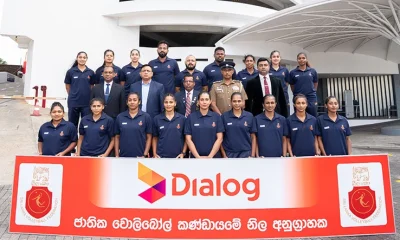
Sri Lanka women’s volleyball team ready for Central Asian challenge
-
 Opinion6 days ago
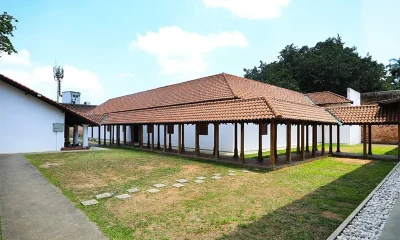
Murder of Ehelepola family, Bogambara Wewa and Sightings of Wangediya
-

 Business5 days ago
Historic launch of CCWE Fashion Week & International Summit 2026
-
 News6 days ago
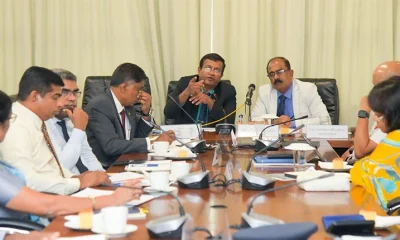
Steps underway to safeguard Sri Lanka’s maritime heritage
-

 News2 days ago
Police probe underway to ascertain links between criminals deported from UAE and local politicians
-
 Features3 days ago
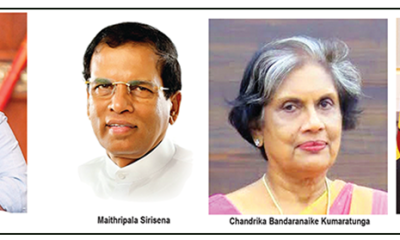
The NPP’s pivot to the past
-

 News3 days ago
All-New GRAVITE launches at LKR 6.99 Mn