
News
Rambukwella: President authorised 20A


By Shamindra Ferdinando
There shouldn’t be an issue as regards the proposed 20th Amendment to the Constitution as President Gotabaya Rajapaksa and the Cabinet of ministers accepted the responsibility for the proposed law, Cabinet spokesman Keheliya Rambukwella said yesterday.
The President heads the cabinet of ministers.
Kandy District lawmaker, who is also the Media Minister said contrary to various claims the project to abolish the 19th Amendment was on track. The minister defended Justice Minister Ali Sabry, PC, over a recent comment he made as regard who had drafted the 20th Amendment.
Minister Rambukwella denied any rift in the government parliamentary group or the cabinet of ministers over the 20th Amendment. The cabinet spokesman was flanked by co-cabinet spokesman Dr. Ramesh Pathirana and Director General, Information Department Nalaka Kaluwewa.
The fate of the 20th Amendment dominated yesterday’s post-cabinet media briefing at the Government Information Department with the media repeatedly seeking clarification whether the SLPP government followed proper procedures in the process leading to the gazetting of it.
The ministers strongly denied assertions by the media that the SLPP handled the 20th Amendment the way the previous yahapalana government bungled the 19th Amendment et al.
The crux of the matter repeatedly raised by the media was the appointment of a 9-member committee headed by SLPP Chairman Prof. G.L. Peiris to examine the 20th Amendment after the issuance of the relevant gazette by the Government Printer.
Asked why the committee report was not taken up by the cabinet of ministers as announced earlier, the ministers insisted the issue was taken up. Minister Rambukwella explained how the government moved the matter.
Asked whether the 20th Amendment had been reversed in the wake of protests and objections by various parties, including a section of the government, Minister Rambukwella pointed out the difference between reversal and the cancellation of the process.
Among those who expressed concerns over the 20th Amendment were Dr. Gunadasa Amarasekera and Manohara de Silva PC, on behalf of the Federation of National Organizations (FNO) and the National Joint Committee (NJC), respectively. In addition to them, Sri Lanka’s Ambassador in Myanmar Prof. Nalin de Silva and SLPP lawmaker Gevindu Cumaratunga underscored the need for alterations to the Amendment.
The Attorney General recently asserted that the proposed 20th Amendment in its present form could be approved by a two thirds majority.
The media was told now that two weeks had lapsed since the issuance of the gazette; it could be accommodated in the Order Paper of parliament. The ministers explained how they expected to proceed regardless of issues. There could be political issues, the media was told adding that they agreed on a policy framework relating to the 20th Amendment.
Asked whether the proposed 20th Amendment would hinder the Independent Commissions, the ministers said that the SLPP envisaged a far better system. The 20th Amendment proposed a five member Parliamentary Council instead of 10-member Constitutional Council.
Minister Rambukwella strongly defended the procedures the previous Rajapaksa administration adopted in the removal of the Chief Justice Dr. Shirani Bandaranayake.
Declaring that the government would be transparent in its effort to bring in 20th Amendment, there was provision for moving the Supreme Court.
Meanwhile, SLPP Colombo District MP and attorney-at-law Premanath Dolawatte appearing on Derana ‘Aluth Parlimenthuwa’ on Wednesday expressed confidence that the proposals made by the Committee headed by prof. Peiris would be taken into consideration in finalizing the proposed law. Dolawatte was a member of the Committee that was appointed by Premier Mahinda Rajapaksa.


USS Canberra of the United States Navy departed the island on 14 Jun 26, following a successful replenishment port call. The Sri Lanka Navy extended a traditional naval farewell to the departing vessel at the Port of Colombo.
During the ship’s stay, the Commanding Officer of USS Canberra called on the Commander Western Naval Area at the Western Naval Command Headquarters
News
The use of local organic Agricultural products in the Bakery Industry will strengthen both local farmers and the tourism industry – PM

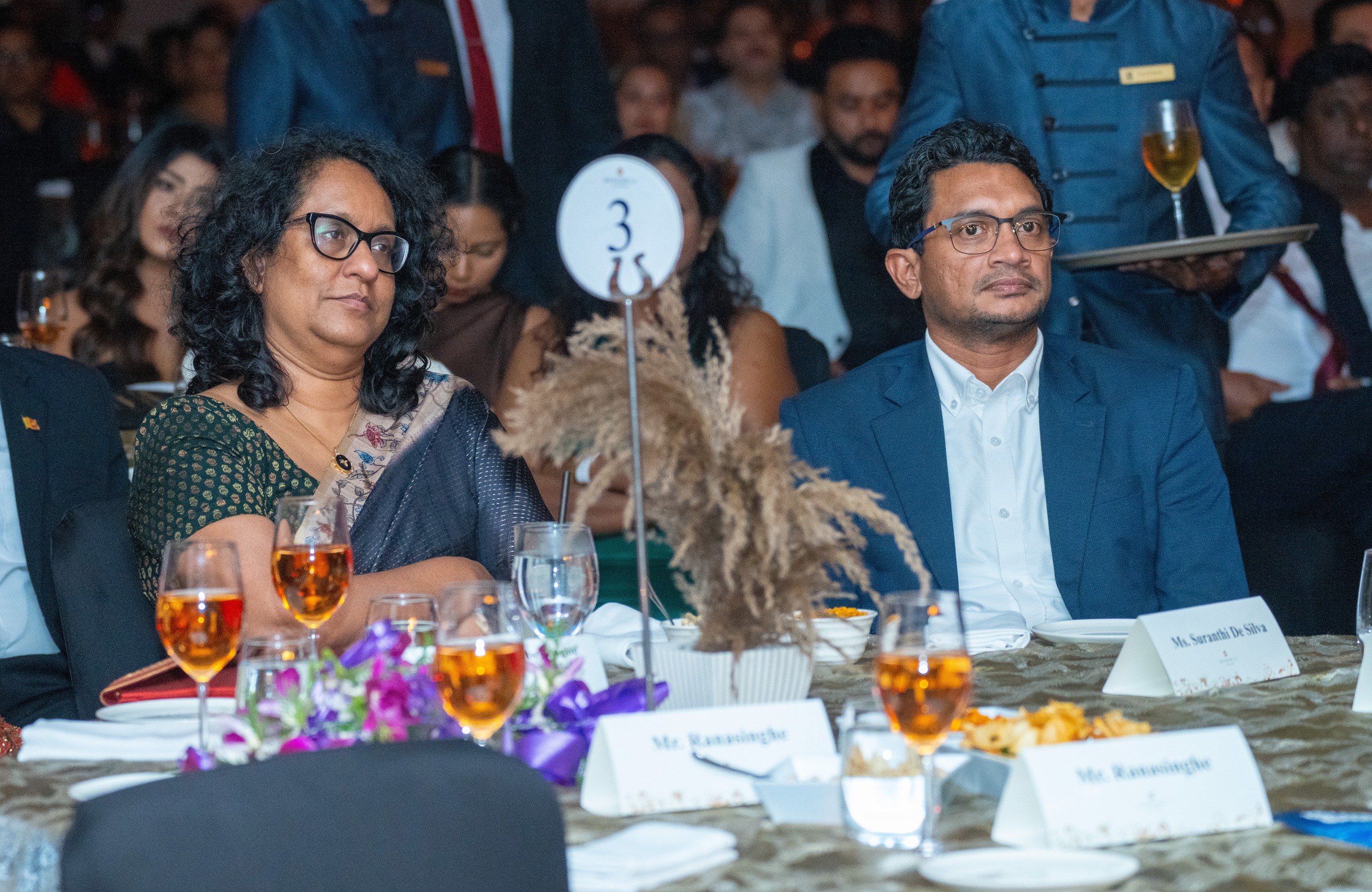
Prime Minister Dr. Harini Amarasuriya stated that the use of local organic agricultural products in bakery production would provide significant support to both local farmers and the growth of the tourism industry.
The Prime Minister made these remarks while addressing the Annual meeting of the All Ceylon Bakery Owners’ Association, held at the Shangri-La Hotel, Colombo, on Friday (12 June).
The Prime Minister stated,
“At a decisive moment when the country is moving towards a new phase of economic transformation, I believe that the bakery industry has the potential to become a key driver of the national economy, rather than remaining limited to flour-based products alone.
The food production must be mainly considered the quality and safety of food. Therefore, instead of focusing solely on taste, we should introduce nutritious and healthy products to the market that are free from artificial flavourings and colourings.
By using ingredients such as rice flour, finger millet, foxtail millet, green gram, and indigenous tubers to create value-added products, the bakery industry has the opportunity to capitalize on the growing global trend towards health-conscious diets.
The use of local organic agricultural products in food prepared for foreign tourists will provide substantial benefits to local farmers while also contributing to the growth of the tourism industry. At the same time, the government remains committed to strengthening local entrepreneurs by reducing challenges related to the importation of raw materials, providing concessionary loans for new technologies, and offering the technical assistance required to meet international standards.
The government has already launched programmes through the Ministry of Industries to provide the necessary training and market linkages to help small and medium-scale bakery owners develop and expand their businesses”.
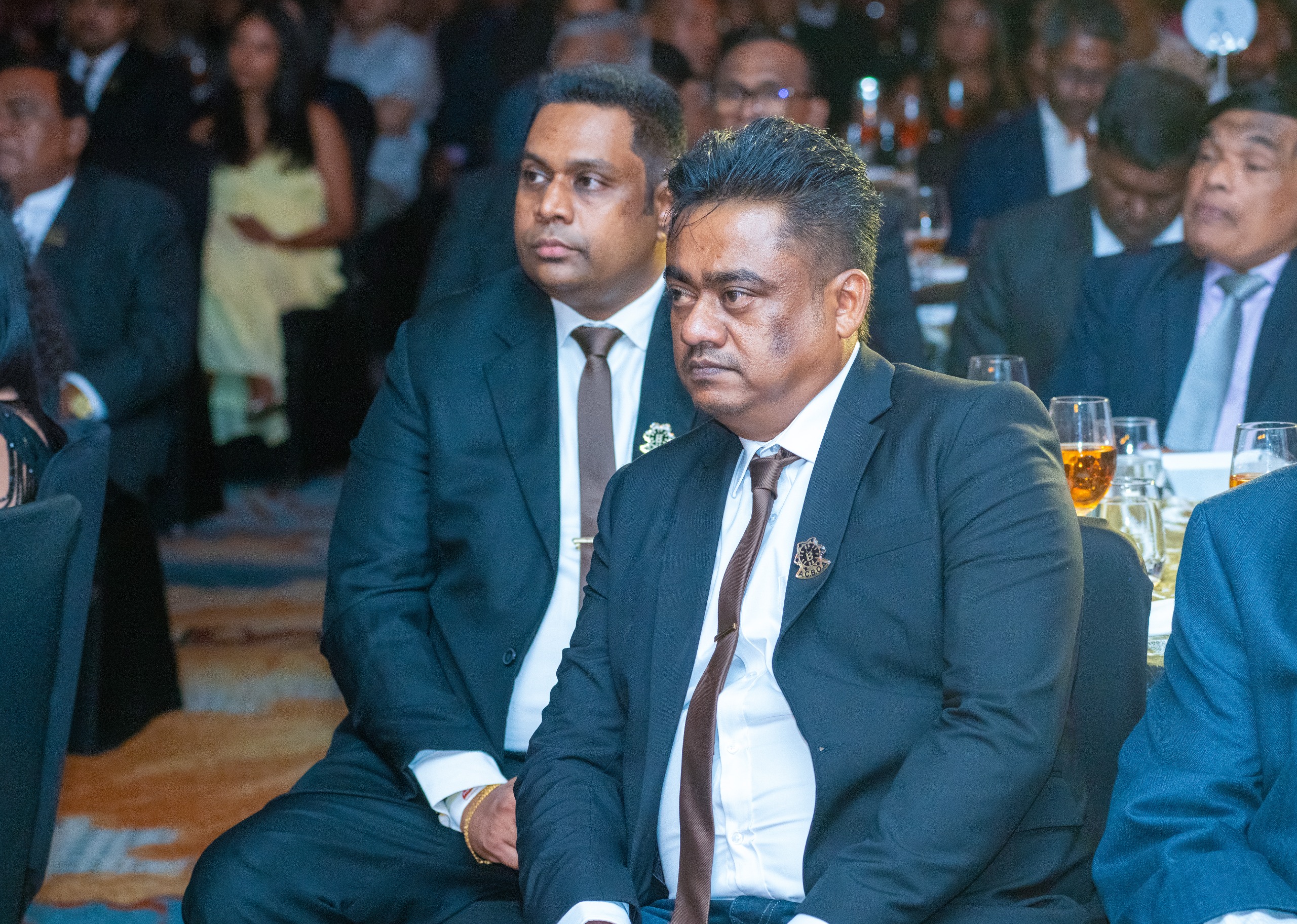
The occasion was attended by the Deputy Minister of Industries Chathuranga Abeysinghe, President of the All Ceylon Bakery Owners’ Association N.K. Jayawardana, and a number of members of the Association were also present at the event.


Prime Minister’s Media Division

Prime Minister Dr. Harini Amarasuriya met with a delegation from the UNICEF on Friday (June 12) at Temple Trees to discuss ongoing efforts to support the recovery of the education sector following the impact of Cyclone Ditwah.
Discussions focused on the implementation of activities outlined in the report titled “Cyclone Ditwah Education Emergency Response Plan: Phase 1 Progress Updates (January–April 2026).” The meeting provided an opportunity to review the progress achieved during the initial phase of the response and to discuss future interventions aimed at supporting children and schools affected by the disaster.
The Prime Minister and the UNICEF delegation also exchanged views on strengthening collaboration to ensure the continuity of education and the well-being of affected children.
The UNICEF delegation included Emma Brigham, UNICEF Representative, Begona Arellano, Deputy Representative, and other UNICEF officials.

(Prime Minister’s Media Division)

USS Canberra departs Colombo

The use of local organic Agricultural products in the Bakery Industry will strengthen both local farmers and the tourism industry – PM

Prime Minister meets with UNICEF delegation

Qatar net late against Switzerland to secure historic first World Cup point

Australia stun Turkiye 2-0 in counterattacking masterclass

Five Indian air force staff killed as transport plane crashes in Assam

‘Dates have the highest sugar content to fight Coronavirus’

Sunday Island 27 December – Headlines

#SundayIsland 17th December – Headlines

Sunday Island – 28th March

Sunday Island Headlines – 21 March

Sunday Island – 21st February – Headlines
-

 Editorial7 days ago
Probe Sallay’s complaint
-
 News3 days ago
CIABOC summons Yoshitha over his participation in British Navy training programme
-
 News5 days ago
Local firms move millions of dollars overseas for phantom imports: Govt.
-
 Midweek Review5 days ago
July 09: An inexcusable overall security failure and exceptional contingency plan
-

 Opinion6 days ago
Could Sri Lanka once again face an economic crisis similar to 2022?
-

 News5 days ago
AI raises concerns over arrest of Sallay and rapper under PTA
-
 News6 days ago
Sallay refuses to end hunger strike unless probe is taken out of CID led by Shani
-
 Latest News6 days ago
Iran and Israel say they will pause strikes but warn of retaliation if ceasefire breached again