
News
South Asia: Deepening human rights crisis bolstered by impunity as authorities betray promises for fair recovery from pandemic – AI

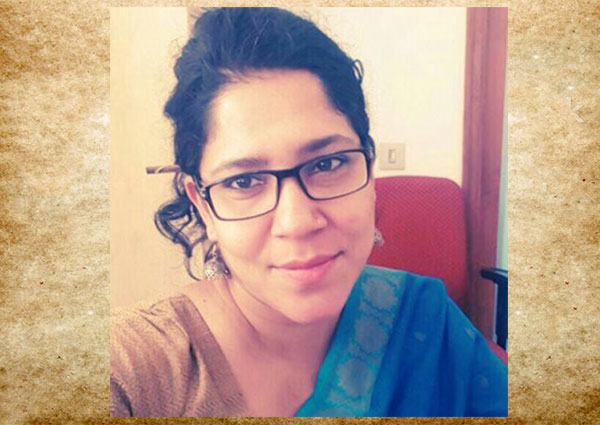
Instead of delivering a fair recovery from the Covid-19 pandemic, states across South Asia waged a sustained assault on peaceful demonstrators, journalists, human rights defenders, judiciaries and civil society organizations in a bid to silence dissent, driving a deepening human rights crises aided by increasing impunity said Amnesty International on Monday as it launched its annual assessment of human rights around the world.
Amnesty International Report 2021/22: The State of the World’s Human Rights covers 154 countries and delivers a comprehensive analysis of human rights trends globally.
In 2021, human rights in South Asia were dealt a major setback as the Taliban took over Afghanistan and several states cracked down on human rights defenders, NGOs, media outlets and opposition leaders who became the targets of raids, unlawful detention and surveillance, torture, enforced disappearance, or arrests under terrorism laws or laws designed to ‘curb fake news’.
“The devastating human rights fallout following the Taliban takeover of Afghanistan sets a dismal tone for the wholesale roll back of human rights across the region. This was compounded by a failure to address deep-seated inequalities exacerbated by the pandemic as vaccine inequality and neglected health systems and social protection pushed many to the brink of their capacity to survive. 2021 should have been a year of healing but sadly it brought greater instability and inequality. Far too often without any sense of accountability,” said Yamini Mishra, Amnesty International’s South Asia Regional Director.
Instead of providing meaningful space for debate and dissent on how best to meet the challenges of 2021, the continuing trend was for governments to suppress independent and critical voices, with some even using the pandemic as a pretext to shrink further the civic space.
“Across the South Asia region, governments are becoming increasingly intolerant of criticism, discrimination against women and girls and marginalized groups are pervasive, and impunity is rife giving rise to widespread human rights violations that go unchecked, unaccounted for and unfettered,” said Yamini Mishra
In the immediate aftermath of its takeover of Afghanistan in August last year, the Taliban curtailed media freedoms and used force to break up protests. Journalists were detained, beaten and harassed; by October more than 200 media outlets had closed down.
In Bangladesh, criticism of the government’s response to the Covid-19 pandemic and other issues led to a crackdown on dissent, targeting human rights defenders, journalists, lawyers, members of the opposition, criminal investigators, university students, academics, trade unionists and social media commentators. Sri Lankan authorities issued threats of disciplinary action against health sector employees who spoke to the media about their concerns on the Covid-19 response. In Maldives, media personnel reporting on protests were also attacked or harassed by police, protesters were dispersed, citing the Freedom of Peaceful Assembly Act 2016 and health guidelines because of the Covid-19 pandemic.
In India, police and security forces used excessive force against those protesting peacefully against the controversial agricultural reforms. Outspoken journalists, media outlets, actors and human rights activists were threatened and intimidated through the misuse of over-broad financial laws including the FCRA (Foreign Contribution Regulation Act) or use of draconian anti-terrorism laws like the UAPA (Unlawful Activities Prevention Act).
Many governments sought to further control access to and sharing of online information. In Pakistan, the draconian Removal and Blocking of Unlawful Online Content Rules to censor online content was also enacted. In Bangladesh, human rights defenders, journalists and activists were among hundreds of people imprisoned under the Digital Security Act. Nepal authorities used the Electronic Transactions Act to arbitrarily detain individuals including journalists, particularly those who criticized the government and ruling party leaders. Residents of Jammu and Kashmir suffered the longest internet shutdown on record from 4 August 2019 to 5 February 2021.
The Pegasus Project, an international investigative journalism initiative, exposed the unlawful and arbitrary surveillance of Indian citizens including journalists and HRDs through the government’s alleged use of Pegasus spyware.
The pandemic tore through South Asia, having a devastating impact on human rights. Governments’ efforts in countries such as Nepal were hindered by the global vaccine inequality created by collusion between pharmaceutical companies and wealthy nations. Many states stockpiled more doses than needed, whilst turning a blind eye as Big Pharma put profits ahead of people, refusing to share their technology to enable wider distribution of vaccines. Despite enough production to fully vaccinate the world in 2021, by year’s end less than 4% of those living in low-income countries had been fully vaccinated.
To compound the suffering, under-investment and corruption contributed to the continuing inability of public health sectors across the South Asia region to respond adequately to the Covid-19 pandemic. This resulted in thousands of preventable deaths, including in India and Nepal, both of which experienced steep surges in infections during the year. The suspension of aid to Afghanistan’s health sector by international donors resulted in the closure of at least 3,000 healthcare facilities, including Covid-19 hospitals. Access to Covid-19 vaccines was problematic in some countries.
“Despite promises and pledges to the contrary, at almost every turn, leaders and corporations opted for a non-transformative path, choosing to entrench rather than overturn the systemic inequalities behind the pandemic. Yet, people the world over have made it abundantly clear that a more just world, grounded in human rights, is what they want,” said Yamini Mishra
Minority communities faced increased marginalization and discrimination in South Asia. In Afghanistan, ethnic Hazaras were frequently targeted, including during the Taliban offensive and takeover. More than 100 former members of security forces were forcibly disappeared or extrajudicially executed by the Taliban and nine surrendered Hazara soldiers were executed in Daykundi alone. Several massacres by the Taliban of Hazara civilians also took place, including in Ghazni and Daykundi provinces.
In Sri Lanka, authorities finally moved to change the policy of forced cremations of Muslim victims of Covid-19, which began in March 2020. The guidelines had affected the final burial rites of the Muslim community, violating the right to freedom of religion and belief. The Public Security Minister proposed to ban more than 1,000 madrasas (Islamic education institutions) and the wearing of face veils. The authorities continued to arrest and detain Muslims allegedly in connection with bombings in April 2019, under the Prevention of Terrorism Act. The Act continued to be used against government critics, including members of the Tamil community.
In India, despite legislation in various states criminalizing acts of lynching, Dalit and Muslim men were assaulted or beaten to death by vigilante cow protection groups in more than seven Indian states. Many states amended or enacted ‘anti-conversion laws’. The death in custody of Father Stan Swamy was a direct reprisal for his extensive work supporting tribal people’s rights.
In Bangladesh, at least 40 pandals (temporary structures made for the Hindu religious ceremony) and 25 homes and properties belonging to members of the Hindu community were damaged or set on fire during and after the Durga Puja, the country’s biggest Hindu festival. A lack of proper investigations into previous incidents of communal violence created an environment of impunity.
In Pakistan, blasphemy cases continued to be registered against minority communities and Muslims, putting them at risk of danger or even the death penalty. At least 10 places of worship for Ahmadi Muslims were desecrated – often by the police or with their acquiescence. An eight-year-old Hindu boy was detained under blasphemy charges for a week before charges against him were dropped.
Events in Afghanistan led to new waves of displacement in the region and globally. Following the chaotic evacuation from Kabul airport in August, many fled over land towards Pakistan and Iran, but the Taliban-imposed restrictions on departures and border closures compromised their right to seek asylum in third countries. By year end, over one million undocumented Afghans had been returned from Iran and Pakistan, most of them involuntarily.
The human rights situation in Myanmar also made voluntary repatriations of Rohingya refugees in Bangladesh impossible. However, their rights continued to be restricted in Bangladesh where they were also vulnerable to violence. More than 19,000 were transferred to a remote island, Bhasan Char, where they were denied their right to freedom of movement.
In Afghanistan, 20 years of progress towards enhanced protection and promotion of women’s rights was rolled back overnight. Women were excluded from the de-facto administration of the Taliban and prevented from working in many sectors. Girls’ access to education was severely restricted, only girls’ grade six and below were allowed to attend school by the Taliban de facto government, and women human rights defenders, journalists, judges and prosecutors faced threats and intimidation. Protests in support of women’s rights were met with violence and arbitrary detentions by the Taliban. The ending of institutional and legal support for women left them at risk of further violence, and they feared the consequences of reporting incidents. The Taliban also made it clear that they would not respect LGBTI rights. In Pakistan, a series of highly publicized cases of sexual and gender-based violence including murders of Quratul Ain and Noor Mukkadam highlighted the lack of protection for women and ignited renewed calls for redress, accountability and reform.
Impunity for serious human rights violations and crimes under international law remained a serious concern in a significant number of countries. Justice continued to be denied to victims of human rights violations committed during past armed conflicts in Nepal and Sri Lanka. The office of the Prosecutor at the ICC also announced it would continue investigations in Afghanistan but only addressing crimes committed by the Taliban and Islamic State –Khorasan Province, while ignoring war crimes committed by the former Afghan government security forces and by US military and intelligence personnel.
“In the face of protests, the year saw an increased trend for governments to securitize civic space, criminalizing peaceful assemblies and using regulations to crack down on demonstrations, under the pretext of often in the name of ‘national security’. Yet people’s movements have grown and risen to the challenge. The legitimate work of human rights defenders, civil society and people’s right to protest must be respected, protected, and supported. We will continue to work towards that end,” said Yamini Mishra.



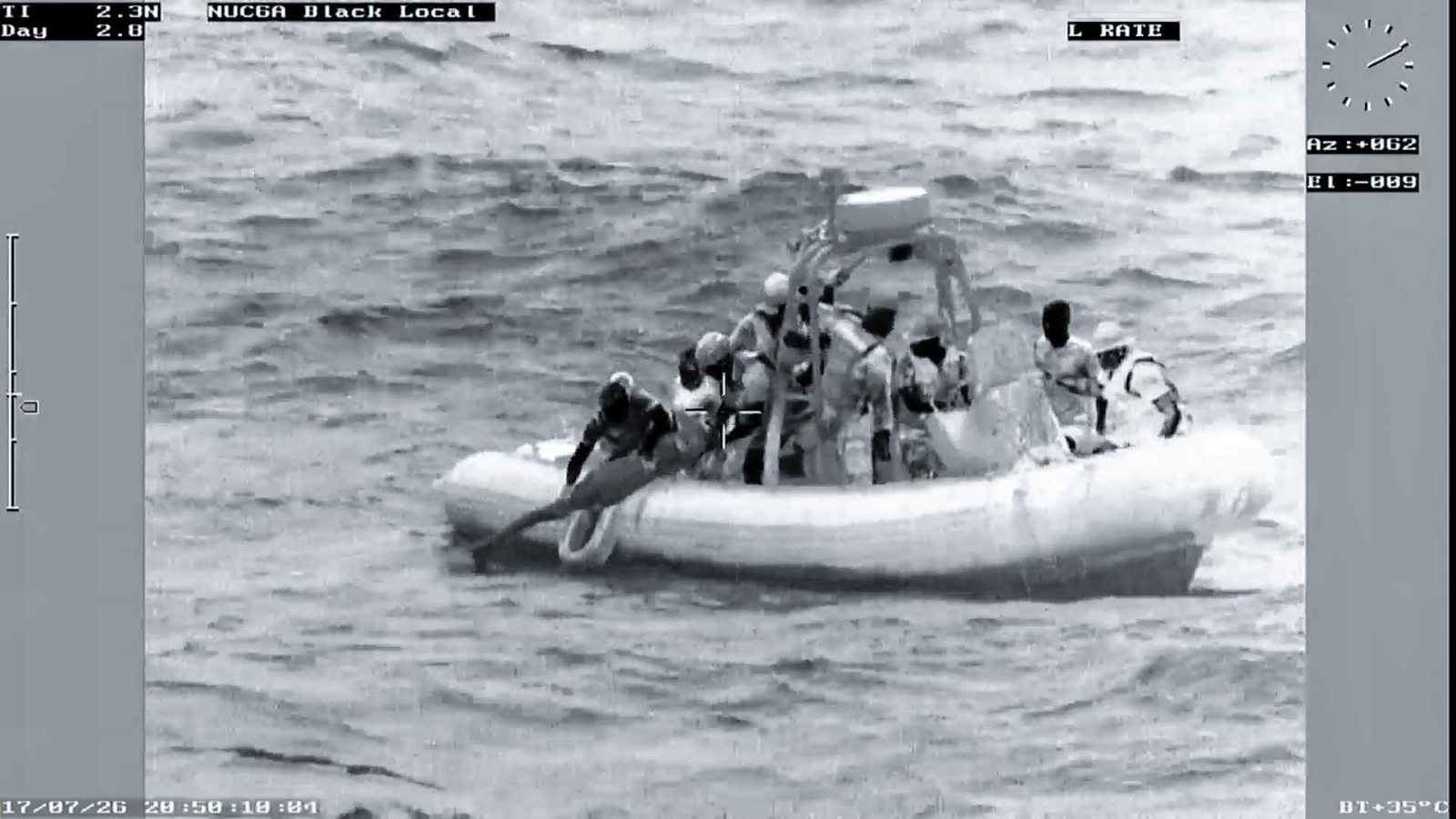
The Sri Lanka Navy rescued a fisherman from a local fishing trawler that encountered distress due to adverse weather conditions off the eastern coast of Sri Lanka.
The rescue operation took place on 17 July 2026, approximately 15 nautical miles off Pothuvil. The operation was launched following information received by the Maritime Rescue Coordination Centre (MRCC) Colombo.
In response, the Sri Lanka Navy deployed the Offshore Patrol Vessel SLNS Vijayabahu along with additional craft to conduct a search operation in the designated sea area, where they successfully located the distressed fisherman.
Following the rescue, the individual was brought aboard SLNS Vijayabahu, where naval personnel administered preliminary first aid. He was subsequently brought to the mainland and rushed for further medical attention.
Meanwhile, the Navy, along with the coordination of MRCC Colombo, remains constantly prepared to swiftly respond to the eventualities faced by maritime and fishing communities operating within the island’s Search and Rescue Region (SRR).

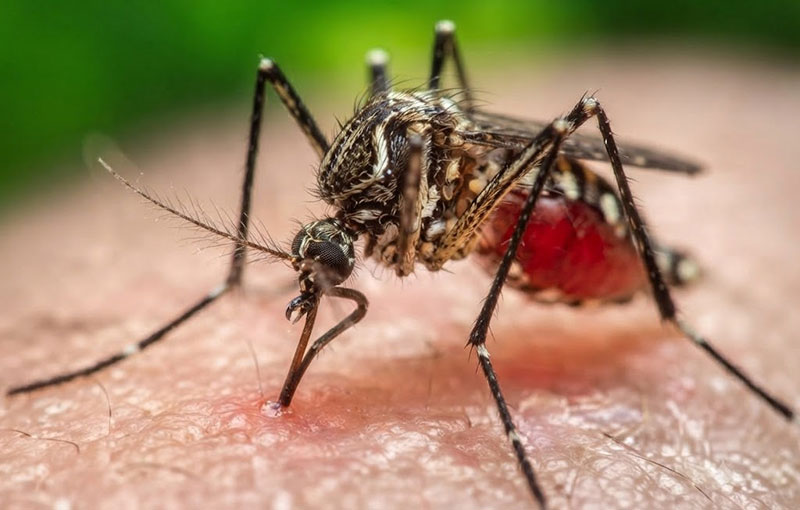
The countrywide dengue outbreak has intensified, with the death toll rising to 50, by July 16, as the number of reported infections surpassed 73,000, according to the National Dengue Control Unit (NDCU).
The country has recorded 73,455 dengue cases so far this year, with the case fatality rate standing at 0.07 percent, highlighting the severity of the ongoing outbreak.
The Western Province continues to remain the worst affected region, accounting for more than half of the total cases, with 38,700 infections. The Gampaha District has recorded the highest number of cases in the province with 15,341, followed closely by Colombo with 14,625.
The Southern Province has reported 11,382 cases, while the Sabaragamuwa and Central provinces have each recorded more than 6,000 infections.
Dengue cases have shown a sharp increase in recent months, with June recording the highest monthly total of 21,538 cases, while July has already reported 18,076 infections. In comparison, 8,590 cases were reported in May, and 5,651 in April.
Health authorities have identified 175 Medical Officer of Health (MOH) areas as high-risk locations during the 27th epidemiological week. An average of 2,677 new dengue cases are being reported daily, prompting authorities to intensify prevention and mosquito control measures.
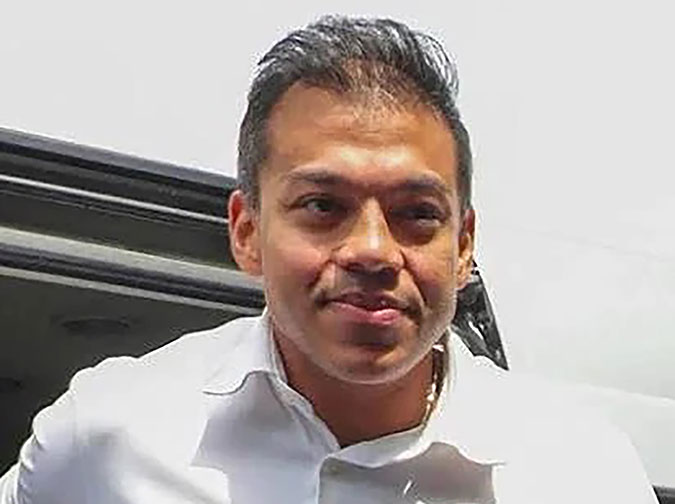
The Colombo High Court yesterday (17) resumed hearing the money laundering case filed against Yoshitha Rajapaksa, son of former President Mahinda Rajapaksa, under the Prevention of Money Laundering Act.
The proceedings were held before High Court Judge Udesh Ranatunga, where evidence was recorded from prosecution witnesses, under the direction of Deputy Solicitor General Janaka Bandara.
President’s Counsel Sampath Mendis, appearing for Yoshitha Rajapaksa, cross-examined the witnesses during the hearing.
After recording evidence, the court ordered that further examination of evidence be postponed until July 24.
The Attorney General has filed indictments, alleging that Yoshitha Rajapaksa committed an offence, under the Prevention of Money Laundering Act, by purchasing five plots of land in Dehiwala and Ratmalana, valued at more than Rs. 73 million.

Davis cup Asia/Oceania Group IV 2026 to be held in Colombo from 20th to 25th July

Navy brings fisherman in distress off Pothuvil, ashore

Malinga, Asalanka seal Galle Gallants win in LPL opener

Showers may occur in the Western, Sabaragamuwa and North-western provinces and in Kandy, Nuwara-Eliya, Galle and Matara districts

Dengue outbreak gallops ahead: Infections surpasses 73,455, leaving 50 dead

Evidence recorded in money laundering case against Yoshitha Rajapaksa

‘Dates have the highest sugar content to fight Coronavirus’

Sunday Island 27 December – Headlines

#SundayIsland 17th December – Headlines

Sunday Island – 28th March

Sunday Island Headlines – 21 March

Sunday Island – 21st February – Headlines
-
 Features6 days ago
Prison riots and politics: NPP’s biggest challenge and Sri Lanka’s biggest opportunity
-
 Features3 days ago
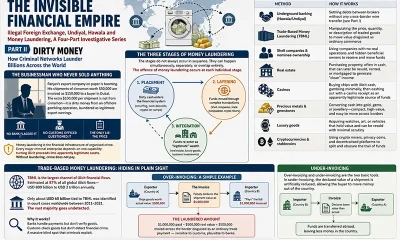
Dirty Money
-

 Editorial6 days ago
Much ado about crime: Fish or cut bait
-
 Features6 days ago
More on Saudi Arabia: ARAMCO and beyond
-

 Sports6 days ago
The banker who rescued Sri Lankan cricket
-

 News1 day ago
Money laundering case against Yoshitha, fixed for pre-trial conference
-
 Midweek Review3 days ago
The sordid tale of theft and tragedy at Finance Ministry
-
 Latest News4 days ago
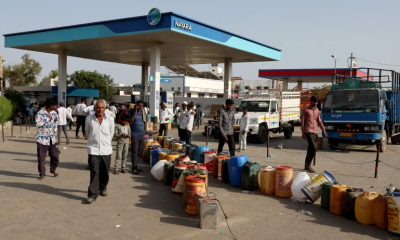
Oil prices hit 1-month high as US-Iran attacks dim Strait of Hormuz outlook