
News
Foreign Ministry refutes claims made by Ambika Satkunanathan to the European Parliament’s Subcommittee on Human Rights


The Foreign Ministry on Friday noted with concern the numerous misleading statements contained in the testimony of the Chairperson of the Neelan Tiruchelvam Trust Ambika Satkunanathan, during an exchange of views on the situation of human and labour rights in Sri Lanka at the European Parliament’s Subcommittee on Human Rights on 27 January, 2022.
The Ministry in a release said: Ms. Satkunanathan’s testimony completely ignores the progress made by the government of Sri Lanka on many fronts and creates doubts about the government’s intents and sincerity, particularly at a time when it is engaged in a long-standing cooperation with the UN human rights mechanisms and the UN Human Rights Council and is delivering on its commitment to address accountability and reconciliation through domestic processes and institutions.
The Ministry is disappointed that among the recommendations made by Ms. Satkunanathan is that the EU uses its leverage on GSP plus facility to exert pressure on the government on human rights. If Sri Lanka loses the EU GSP plus facility, particularly at a time when livelihoods of millions of Sri Lankans belonging to all communities are already affected by the ongoing COVID-19 pandemic, the resulting losses would exacerbate poverty and income inequality. Some of the worst affected sectors will be fisheries and agriculture which are among the key industries in the North and the Eastern Provinces of Sri Lanka.
The Ministry also notes that the unfounded allegations about discrimination of ethnic communities in her testimony are reminiscent of LTTE propaganda that once stoked hatred among communities. In a multi-ethnic and multi-religious country such as Sri Lanka, such allegations need to be refuted in the interest of social harmony and to prevent the spread of dangerous fallacies about Sri Lanka in the international community.
The Ministry refutes Ms. Satkunanathan’s claims on ‘a culture of impunity’. The Ministry wishes to point out that the government is engaged in a long-standing cooperation with the UN human rights mechanisms as well as with the UN Human Rights Council. Sri Lanka is delivering on its commitment to address accountability and reconciliation through domestic processes and institutions. The government has been actively engaging the international community including the UNHRC’s Universal Periodic Review and Special Procedures to address the various concerns that have been raised. This includes the allegations of systematic torture. The Government has made it clear that additional reforms will be undertaken to further strengthen rule of law, access to justice, and accountability. It remains open to a constructive discussion on suggestions and further steps to address shortcomings.
The Ministry notes that Ms. Satkunanathan makes references to ‘Sinhala Buddhist nationalism’ and ‘militarisation’ as driving the actions of the Government. She makes vague claims of racial profiling in the absence of any concrete evidence of discrimination against minorities. In reply, the Ministry wishes to point out that Sri Lanka is a secular country and all citizens, irrespective of their religion or ethnicity share the same fundamental rights under the Constitution. Furthermore, Sri Lanka ensures access to public services such as free education and free health facilities without any discrimination on the basis of ethnicity or religion. In fact, even during the military conflict when large areas of the Northern and the Eastern Provinces were under the control of the LTTE, the government continued with the provision of such public services to the areas so that the civilians, who were mainly ethnic Tamils and Muslims, would not be affected.
Ms. Satkunanathan points to the Presidential Task Force on Archaeology which she accuses of being a tool for land grabbing and changing the demographics of minority-heavy areas and the Presidential Task Force on “One-Country One Law” which she accuses of stoking ethnic hatred and violence. After the war, as displaced persons returned to the Northern and the Eastern Provinces, there has been an increase in unauthorized encroachment into forest areas inevitably leading to destruction of archaeological sites. So, there is an urgent need to take concrete measures in order to protect these sites. There is no truth in the claims that the Presidential Task Force on Archaeology is a pretext for land grabbing and introducing the Sinhalese to these areas. It may be noted that there is representation of all ethnic communities in this Task Force. With respect to the Presidential Task Force on “One Country One Law,” it should be noted that it is expected to play an advisory role only. The Task Force’s recommendations will be first studied by the Justice Ministry, then the Cabinet of Ministers and finally the Parliament following the democratic traditions.
With regard to her allegations that the Northern and Eastern Provinces are ‘occupied’ by the military, it should be pointed out that the the majority (more than 92%) of the private lands occupied by the military at the end of the conflict in year 2009 have already been released to legitimate land owned civilians. A mechanism is already in place to expedite the process of releasing remaining private lands.
It is particularly disappointing to see Ms. Satkunanathan’s allegations that ‘civic space’ is shrinking and that informal and extra-legal processes are used to curtail the activities of civil society organizations. The Ministry asserts that government views NGOs as partners and not as adversaries. The government acknowledges the constructive contributions made by civil Society organisations in the work of the Office for National Unity and Reconciliation (ONUR) and Sustainable Development Council of Sri Lanka. It has also introduced certain policy changes to facilitate the work of NGOs such as bringing the NGO Secretariat under the Foreign Ministry. It must be reiterated that apart from operating routine security networks in the interest of national security, particularly after the devastating Easter Sunday terrorist attacks, the Security Forces and intelligence agencies are not engaged in monitoring or targeting any specific group of people in the country.
The Ministry refutes Ms. Satkunanathan’s claims of extra-judicial killings and arrests under the pretext of a “war and drugs.” With regard to the PTA, it should be noted that the government is in the process of amending the Act, which is now at the final stage and the international community is being briefed on that process.
Ms. Satkunanathan also alleges that the government is exploiting its friendship with China to “undermine the efforts of states that call for accountability for human rights violations” in Sri Lanka. On the contrary, mindful of strategic competition that is increasing in the Indo-Pacific region, our main foreign policy directive is to maintain neutrality, in line with the non-aligned foreign policy we have adopted since Independence. The Ministry wishes to point out that apart from China, Sri Lanka has entered into partnerships with several countries such as India and Japan to fill gaps in national infrastructure development. Such partnerships have no bearing on Sri Lanka’s commitment to address accountability and reconciliation through domestic processes and institutions.

News
The use of local organic Agricultural products in the Bakery Industry will strengthen both local farmers and the tourism industry – PM

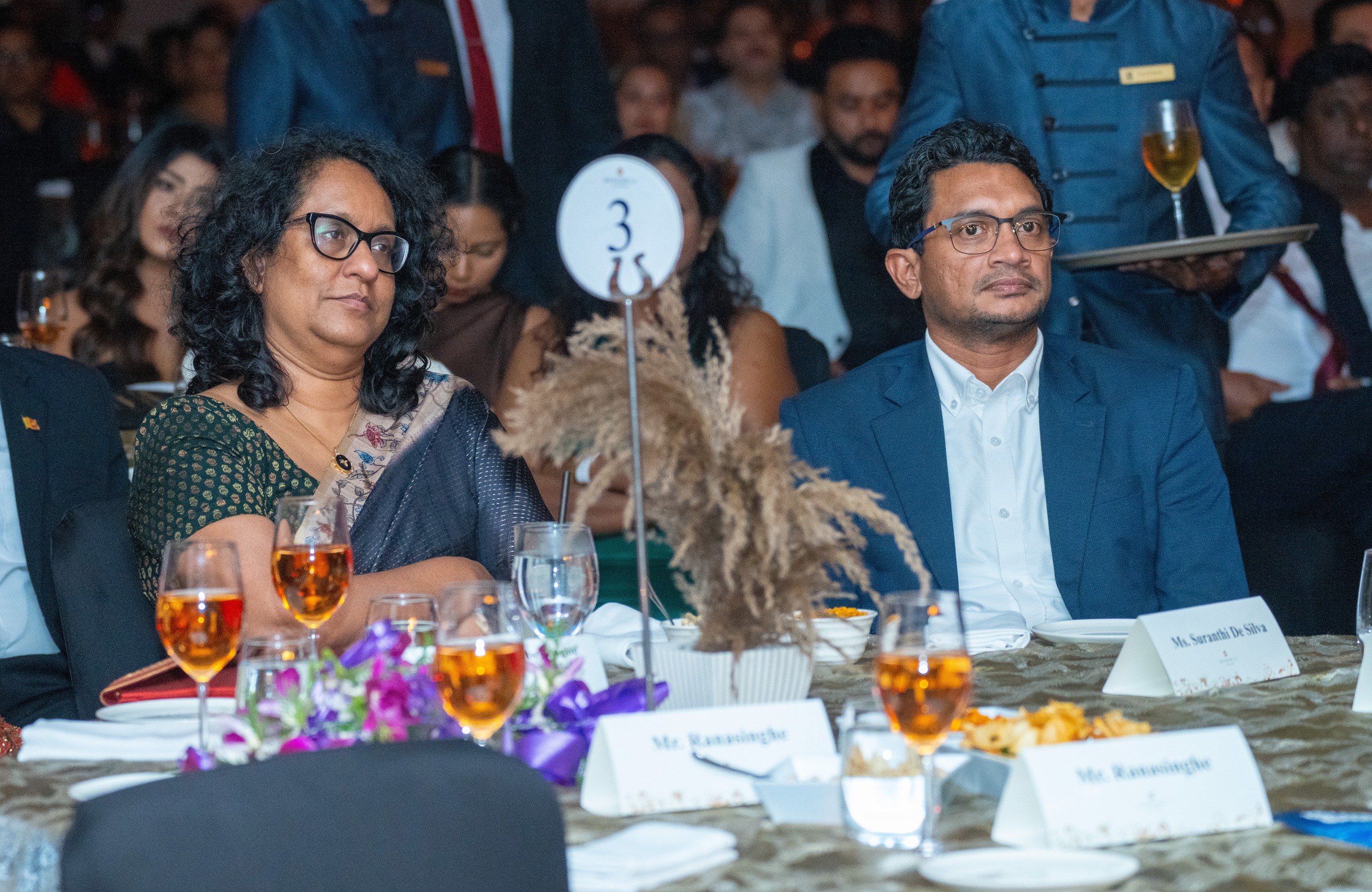
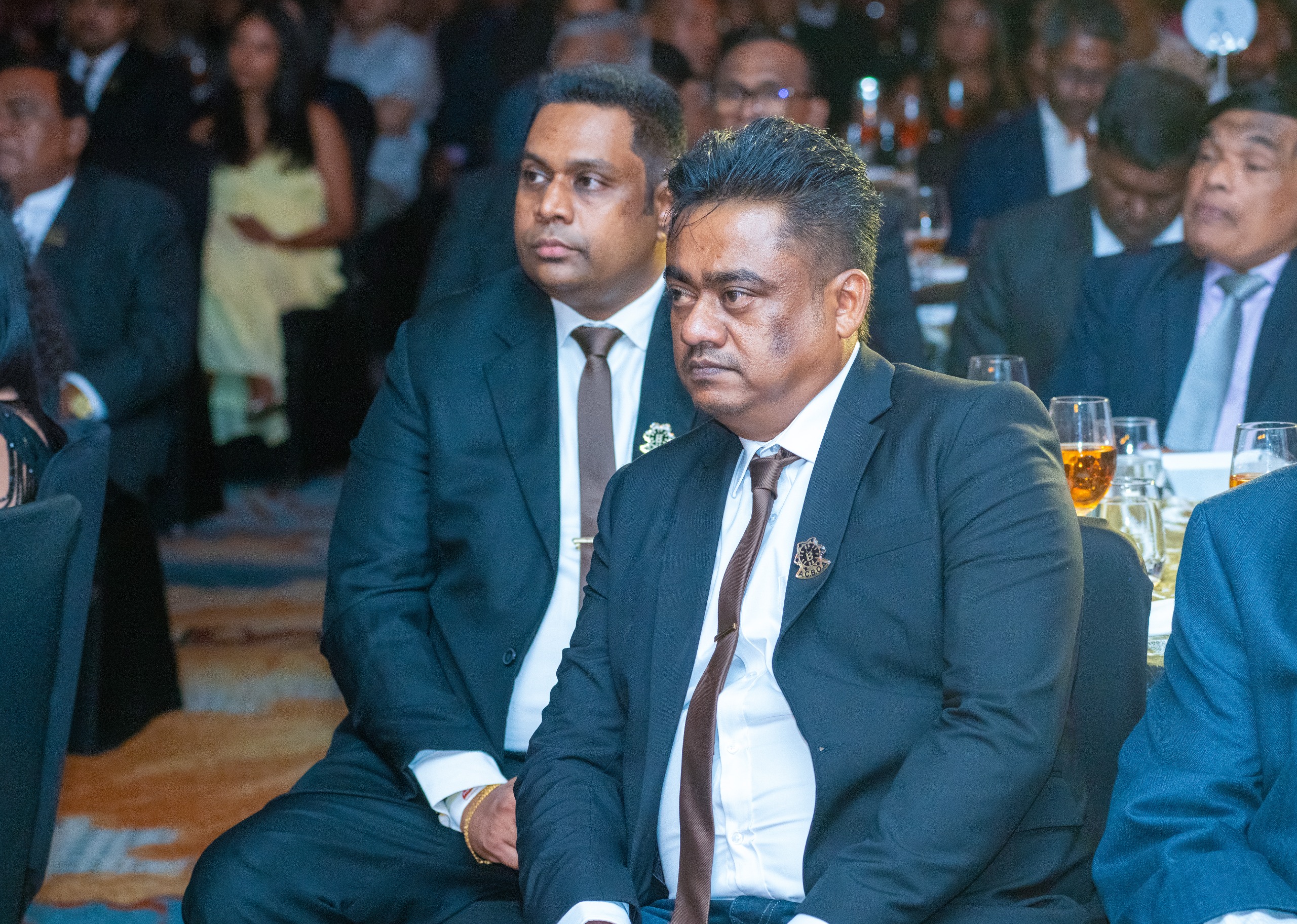
Prime Minister Dr. Harini Amarasuriya stated that the use of local organic agricultural products in bakery production would provide significant support to both local farmers and the growth of the tourism industry.
The Prime Minister made these remarks while addressing the Annual meeting of the All Ceylon Bakery Owners’ Association, held at the Shangri-La Hotel, Colombo, on Friday (12 June).
The Prime Minister stated,
“At a decisive moment when the country is moving towards a new phase of economic transformation, I believe that the bakery industry has the potential to become a key driver of the national economy, rather than remaining limited to flour-based products alone.
The food production must be mainly considered the quality and safety of food. Therefore, instead of focusing solely on taste, we should introduce nutritious and healthy products to the market that are free from artificial flavourings and colourings.
By using ingredients such as rice flour, finger millet, foxtail millet, green gram, and indigenous tubers to create value-added products, the bakery industry has the opportunity to capitalize on the growing global trend towards health-conscious diets.
The use of local organic agricultural products in food prepared for foreign tourists will provide substantial benefits to local farmers while also contributing to the growth of the tourism industry. At the same time, the government remains committed to strengthening local entrepreneurs by reducing challenges related to the importation of raw materials, providing concessionary loans for new technologies, and offering the technical assistance required to meet international standards.
The government has already launched programmes through the Ministry of Industries to provide the necessary training and market linkages to help small and medium-scale bakery owners develop and expand their businesses”.
The occasion was attended by the Deputy Minister of Industries Chathuranga Abeysinghe, President of the All Ceylon Bakery Owners’ Association N.K. Jayawardana, and a number of members of the Association were also present at the event.


Prime Minister’s Media Division

Prime Minister Dr. Harini Amarasuriya met with a delegation from the UNICEF on Friday (June 12) at Temple Trees to discuss ongoing efforts to support the recovery of the education sector following the impact of Cyclone Ditwah.
Discussions focused on the implementation of activities outlined in the report titled “Cyclone Ditwah Education Emergency Response Plan: Phase 1 Progress Updates (January–April 2026).” The meeting provided an opportunity to review the progress achieved during the initial phase of the response and to discuss future interventions aimed at supporting children and schools affected by the disaster.
The Prime Minister and the UNICEF delegation also exchanged views on strengthening collaboration to ensure the continuity of education and the well-being of affected children.
The UNICEF delegation included Emma Brigham, UNICEF Representative, Begona Arellano, Deputy Representative, and other UNICEF officials.

(Prime Minister’s Media Division)

Can a country put a fixed limit on its population? That is the question Switzerland will be answering on Sunday when voters go the polls to decide on a proposal to cap their population at 10 million, a move that has exposed divisions about immigration in the Alpine nation.
The move is backed by the right-wing Swiss People’s Party, which describes it as a “sustainability initiative” aimed at easing pressure on housing, public services and the environment. However some voters see this as the party’s latest anti-immigration move.
Dubbing it a “chaos initiative”, the government, other political parties, business leaders and trade unions argue it will deprive hospitals and hotels of much needed staff, and damage hard-won relations with the European Union, leaving non-EU member Switzerland isolated in a very risky world.
Switzerland’s population has grown rapidly since 2002, when it stood at 7.3 million. Now it is 9.1 million, 27% of whom are Swiss residents who were born abroad.
Switzerland’s system of direct democracy means all major decisions are taken via the ballot box. Campaigners simply have to gather 100,000 signatures to ensure a nationwide vote.
Many voters are concerned by overcrowded trains, expensive apartments and rising health costs.
The latest opinion polls indicate this could be a very close vote.
They suggest voters are inching towards a no vote by a wafer thin margin, with 52% opposed – but polls remain divided, with 45% saying they are in favour of the proposal and a significant number of voters still undecided.
[BBC]

The use of local organic Agricultural products in the Bakery Industry will strengthen both local farmers and the tourism industry – PM

Prime Minister meets with UNICEF delegation

Qatar net late against Switzerland to secure historic first World Cup point

Australia stun Turkiye 2-0 in counterattacking masterclass

Five Indian air force staff killed as transport plane crashes in Assam

New York Knicks win NBA championship for first time in over 50 years

‘Dates have the highest sugar content to fight Coronavirus’

Sunday Island 27 December – Headlines

#SundayIsland 17th December – Headlines

Sunday Island – 28th March

Sunday Island Headlines – 21 March

Sunday Island – 21st February – Headlines
-

 Editorial7 days ago
Probe Sallay’s complaint
-
 News3 days ago
CIABOC summons Yoshitha over his participation in British Navy training programme
-
 News5 days ago
Local firms move millions of dollars overseas for phantom imports: Govt.
-
 Midweek Review5 days ago
July 09: An inexcusable overall security failure and exceptional contingency plan
-

 Opinion6 days ago
Could Sri Lanka once again face an economic crisis similar to 2022?
-

 News5 days ago
AI raises concerns over arrest of Sallay and rapper under PTA
-
 News6 days ago
Sallay refuses to end hunger strike unless probe is taken out of CID led by Shani
-
 Latest News6 days ago
Iran and Israel say they will pause strikes but warn of retaliation if ceasefire breached again