
News
Corruption on the march: Eran calls for ‘Office of Prosecutions’ independent of AG

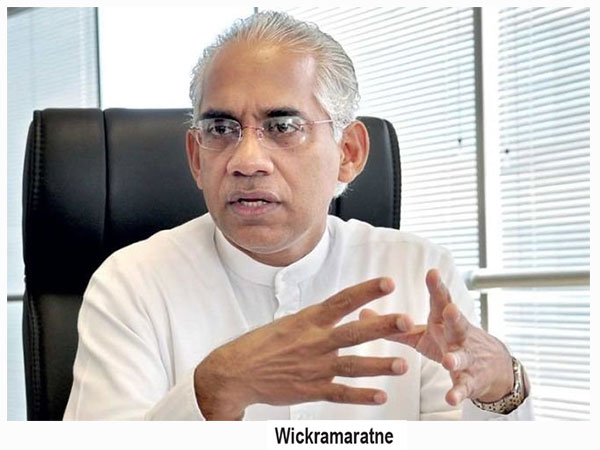
“Ashamed of failure to ensure punitive measures in respect of 2013 SriLankan Airlines deal’
By Shamindra Ferdinando
Samagi Jana Balavegaya (SJB) MP Eran Wickramaratne says Sri Lanka should have an Office of Prosecutions independent of the Attorney General (AG). Such an apparatus can inspire public confidence at a time the rationale behind the dismissal of a spate of high profile cases is being questioned, the SJB National List MP points out.
In a brief interview with The Island, the former UNPer and one-time banker emphasised the responsibility on the part of Parliament to take tangible measures in this regard.
Referring to the withdrawal of many high profile cases filed by the AG and the Commission to Investigate Allegations of Bribery or Corruption (CIABOC) since the last presidential election in 2019, MP Wickramaratne said that such actions caused controversy and drastically undermined public confidence. Therefore, political parties represented in Parliament should seriously consider ways and means of reaching a consensus on an Office of Prosecutions, the former State Finance Minister said. Wickramaratne served as the late Mangala Samaraweera’s Deputy during the 2017-2019 period. “There is a clear case of conflict of interest in some instances as the AG is the Chief Legal Officer of the government,” the MP said.
Wickramaratne received the State Finance portfolio a year after the second Treasury bond scam perpetrated by the then UNP government after the Central Bank was brought under the then PM Ranil Wickremesinghe.
Responding to another query, Wickramaratne, who first entered parliament in 2010 on the UNP National List, acknowledged that his previous efforts to convince his parliamentary colleagues to consider an Office of Prosecutions hadn’t been successful. “The situation is so bad, I sincerely hope all political parties recognise the need to strengthen the system. Parliament is responsible for financial discipline and enactment of laws. Therefore, Parliament should address this matter,” Wickramaratne, who served as Deputy Minister of Investment Promotions and Highways before being appointed State Finance Minister, said.
Wickramaratne successfully contested the Colombo district at the 2015 general election. He switched his allegiance to the breakaway SJB in early 2020 in the wake of the split in the UNP. The former CEO of the National Development Bank entered Parliament for the third consecutive time in 2020 through the SJB National List.
Top SJB spokesperson said that the country urgently required an efficient system free of political interference to tackle major cases. The lawmaker said that the unprecedented scam in what he called sugar duty fraud perpetrated in Oct 2020 just two months after the general election underscored the need for examination of the whole system. Declaring that it hadn’t been an ordinary scam, MP Wickramaratne pointed out how a gazette bearing 2197/12 issued by the Finance Ministry on Oct 13, 2020 paved the way for the alleged fraud.
Anura Priyadarshana Yapa (SLPP/Kurunegala District), in his capacity as Chairman of the Committee on Public Finance (COPF) on January 5, 2021 declared that consumers hadn’t benefited at all from the sharp reduction of duty on a kilo of sugar from Rs 50 to 25 cents.
Referring to a statement dated January 7 issued by the Communications Department of the Parliament, lawmaker Wickramaratne said that COPF called for a report from the Finance Ministry in that regard. Responding to the COPF request, Secretary to the Finance Ministry S.R. Attygalle submitted a report dated Feb 24, 2021 that placed the loss of revenue suffered by the Treasury at Rs 15.9 bn during Oct 14, 2020-Feb 20, 2021.
Lawmaker Wickramaratne explained that in the wake of the issuance of Oct 13, 2020 gazette, major importers imported/cleared 266,212 metric tonnes of sugar (Sept-Nov, 2020) and 433,000 metric tonnes (Jan-June, 2021) at Rs 25 cents a kilo. However, MP Wickramaratne said that his calculation was different. The MP declared that the Treasury had suffered a revenue loss of Rs 35 bn at a time the government was struggling on the economic front.
MP Wickmaratne said that the COPF discussed the sugar duty scam again on Feb 25, 2021. Asked whether he represented the COPF, MP Wickramaratne said that he was a member of the other parliamentary watchdog, Committee on Public Enterprises (COPE). The former State Finance Minister emphasised that the losses inflicted on the Treasury was quite shocking against the backdrop of revenue loss of well over Rs 500 bn as a result of the questionable decision to do away with several taxes soon after the 2019 presidential election.
The MP was referring to quite controversial decision to do away with a range of taxes, including PAYE (Pay As You Earn), NBT (Nation Building Tax), Withholding tax, Capital Gain tax imposed on the Colombo Stock Exchange, Bank Debit tax and unprecedented reduction of VAT (Value Added Tax). The 15% VAT and the 2% NBT which amounted to 17% imposed on all goods and services were unified and reduced to 8%, effective from the first of December 2019. The decision was taken at the first cabinet meeting of the incumbent government held on Nov 27, 2019.
During Wickramaratne’s tenure as the State Finance Minister, the government income passed Rs 1,900 mark in 2018 and 2019 and dropped to Rs 1,300 bn in 2020.
Commenting on recent efforts taken by the government to stabilise the price of sugar, lawmaker Wickramaratne pointed out that those in authority had conveniently forgotten how the gazette issued on Oct 13, 2021 created an environment conducive for sugar fraud. Those responsible should be held accountable for driving the price of sugar to Rs 220-240 per kilo by August this year, the SJB official said, referring to a gazette issued subsequent to the Oct 13, 2021 duty reduction that was meant to sell a kilo of sugar at Rs 85. Now the same stocks that had been cleared at 25 cents a kilo over a period of time was being sold at the government set price at Rs 122.
Asked what he believed should be the government’s strategy, lawmaker Wickramaratne said that the market couldn’t be stabilised by price controls. The government should realise desired market stabilisation could be only achieved by ensuring uninterrupted supplies of whatever commodities in short supply, the former State Minister said.
The MP strongly disputed efforts to bring the price of essentials under control through what he called artificial measures. The SJB spokesman questioned the basis for the appointment of a serving military officer holding the rank of Major General as the Commissioner General of Essential Services.
MP Wickramaratne asked whether action had been initiated against those accused by the government of hoarding large stocks of sugar as well as paddy.
The Presidential Media Division last week named Pyramid Wilmar Company, Global Trading Company, Wilson Trading Company and R.G. Stores as hoarders. The National List MP said the government owed an explanation as to how the wrongdoers would be punished. The government couldn’t ignore the fact that hoarders earned massive profits at the expense of the hapless public.
The need for the establishment of an Office of Prosecutions should be studied taking into consideration Sri Lanka’s failure to tackle corruption, lawmaker Wickramaratne said, pointing out the questionable conduct of the AG in respect of some contentious cases.
Wickramaratne said that as a member of the previous administration he was ashamed of its pathetic failure to ensure action in respect of the national carrier, Sri Lankan Airlines, embroiled in massive corruption. Alleging waste, corruption, irregularities and negligence ruined the national career, the MP asked what really happened to the investigation ordered by President Gotabaya Rajapaksa in Feb 2020 into alleged financial irregularities in the transaction between SriLankan Airlines and Airbus. The presidential directive followed international media reports that the multinational aircraft manufacturer paid massive bribes to airline executives to secure contracts.
Pointing out that the alleged transaction took place in 2013, MP Wickramaratne according to disclosures in courts in Washington DC, Paris and London Airbus for years conducted a “massive scheme to offer and pay bribes” involving very senior executives in 16 countries, including SriLankan Airlines. The parliamentarian said that in spite of revelations that Airbus paid USD 2 mn to influence SriLankan Airlines’ purchase of 10 Airbus aircraft and the lease of an additional four aircraft to an intermediary company registered in Brunei under the wife of an executive at SriLankan Airlines, successive government failed to prosecute those responsible, the MP said.
“We cancelled the order and took other measures but never addressed the issue properly.” In 2017, Sri Lanka paid US$ 98 million in penalties for cancelling the order in 2016 and returning four A350 extra wide-body aircraft that are specifically designed for long haul routes and unsuitable for the airline’s business model.
Covid-19 has devastated the national economy and the country was facing a serious balance of payments crisis, the MP said. As part of Sri Lanka’s overall response to the situation, the government in consultation with all stakeholders should tackle waste, corruption, irregularities and negligence and also streamline the revenue collection process, the MP said.


USS Canberra of the United States Navy departed the island on 14 Jun 26, following a successful replenishment port call. The Sri Lanka Navy extended a traditional naval farewell to the departing vessel at the Port of Colombo.
During the ship’s stay, the Commanding Officer of USS Canberra called on the Commander Western Naval Area at the Western Naval Command Headquarters
News
The use of local organic Agricultural products in the Bakery Industry will strengthen both local farmers and the tourism industry – PM

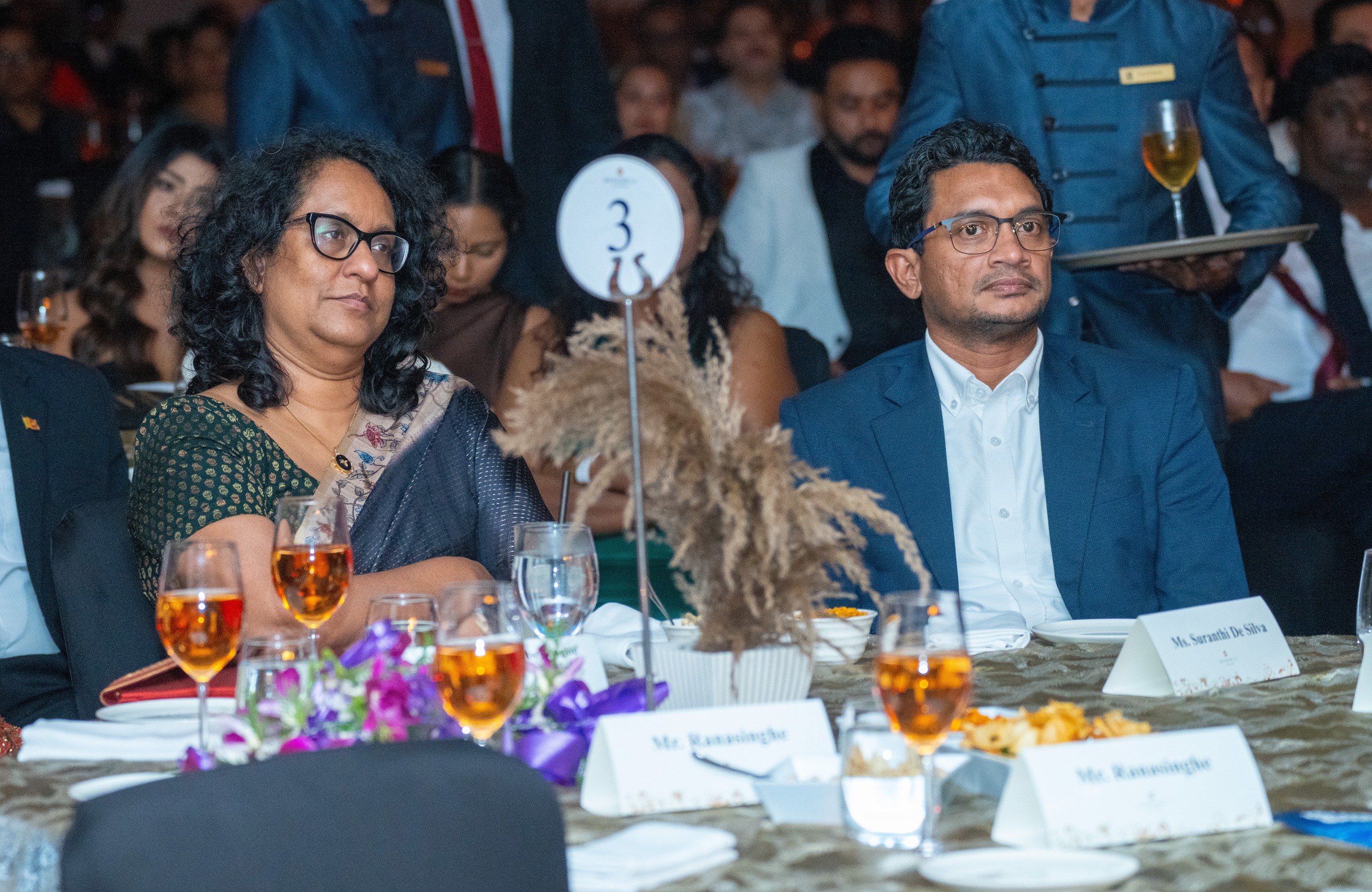
Prime Minister Dr. Harini Amarasuriya stated that the use of local organic agricultural products in bakery production would provide significant support to both local farmers and the growth of the tourism industry.
The Prime Minister made these remarks while addressing the Annual meeting of the All Ceylon Bakery Owners’ Association, held at the Shangri-La Hotel, Colombo, on Friday (12 June).
The Prime Minister stated,
“At a decisive moment when the country is moving towards a new phase of economic transformation, I believe that the bakery industry has the potential to become a key driver of the national economy, rather than remaining limited to flour-based products alone.
The food production must be mainly considered the quality and safety of food. Therefore, instead of focusing solely on taste, we should introduce nutritious and healthy products to the market that are free from artificial flavourings and colourings.
By using ingredients such as rice flour, finger millet, foxtail millet, green gram, and indigenous tubers to create value-added products, the bakery industry has the opportunity to capitalize on the growing global trend towards health-conscious diets.
The use of local organic agricultural products in food prepared for foreign tourists will provide substantial benefits to local farmers while also contributing to the growth of the tourism industry. At the same time, the government remains committed to strengthening local entrepreneurs by reducing challenges related to the importation of raw materials, providing concessionary loans for new technologies, and offering the technical assistance required to meet international standards.
The government has already launched programmes through the Ministry of Industries to provide the necessary training and market linkages to help small and medium-scale bakery owners develop and expand their businesses”.
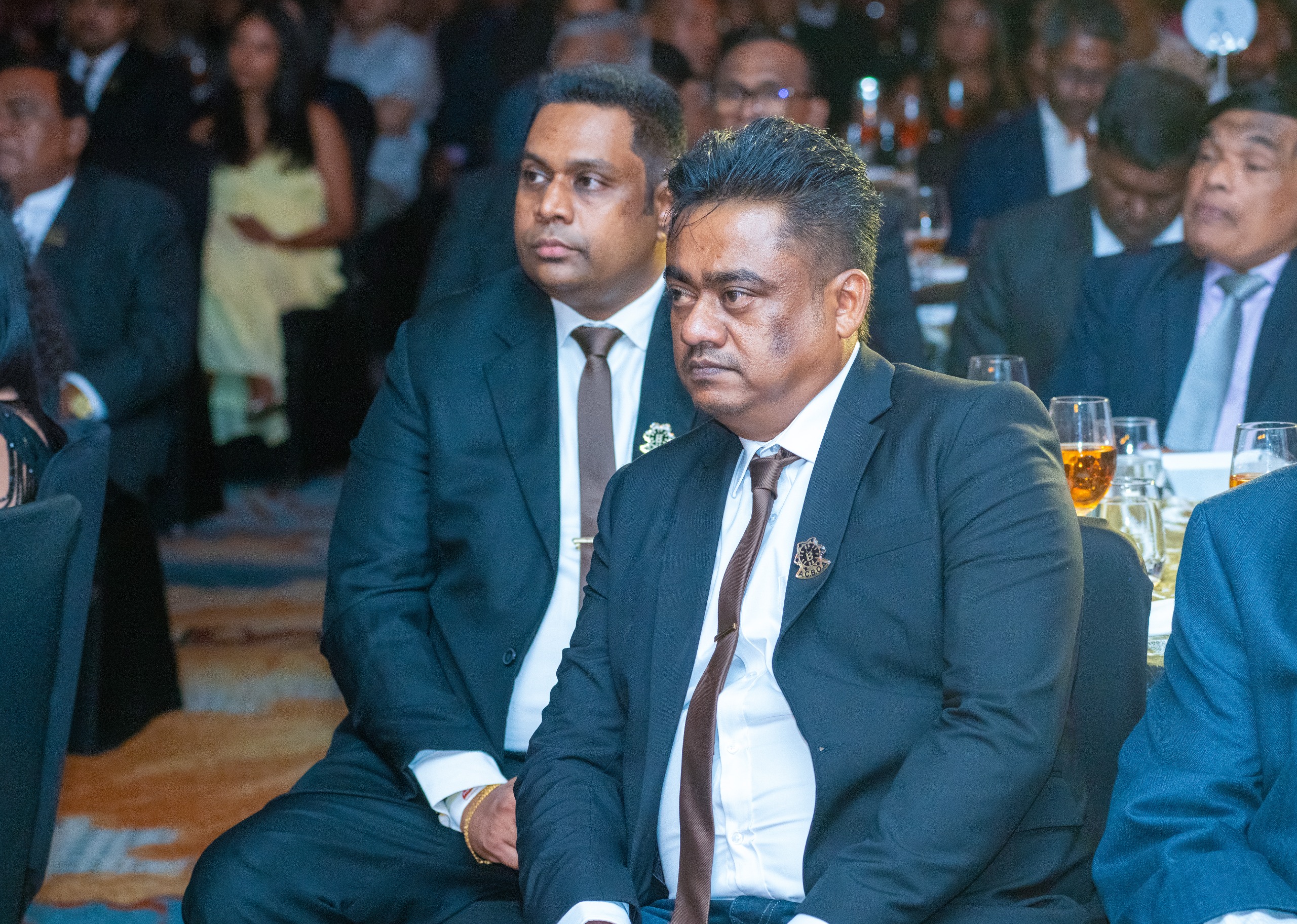
The occasion was attended by the Deputy Minister of Industries Chathuranga Abeysinghe, President of the All Ceylon Bakery Owners’ Association N.K. Jayawardana, and a number of members of the Association were also present at the event.


Prime Minister’s Media Division

Prime Minister Dr. Harini Amarasuriya met with a delegation from the UNICEF on Friday (June 12) at Temple Trees to discuss ongoing efforts to support the recovery of the education sector following the impact of Cyclone Ditwah.
Discussions focused on the implementation of activities outlined in the report titled “Cyclone Ditwah Education Emergency Response Plan: Phase 1 Progress Updates (January–April 2026).” The meeting provided an opportunity to review the progress achieved during the initial phase of the response and to discuss future interventions aimed at supporting children and schools affected by the disaster.
The Prime Minister and the UNICEF delegation also exchanged views on strengthening collaboration to ensure the continuity of education and the well-being of affected children.
The UNICEF delegation included Emma Brigham, UNICEF Representative, Begona Arellano, Deputy Representative, and other UNICEF officials.

(Prime Minister’s Media Division)

USS Canberra departs Colombo

The use of local organic Agricultural products in the Bakery Industry will strengthen both local farmers and the tourism industry – PM

Prime Minister meets with UNICEF delegation

Qatar net late against Switzerland to secure historic first World Cup point

Australia stun Turkiye 2-0 in counterattacking masterclass

Five Indian air force staff killed as transport plane crashes in Assam

‘Dates have the highest sugar content to fight Coronavirus’

Sunday Island 27 December – Headlines

#SundayIsland 17th December – Headlines

Sunday Island – 28th March

Sunday Island Headlines – 21 March

Sunday Island – 21st February – Headlines
-

 Editorial7 days ago
Probe Sallay’s complaint
-
 News3 days ago
CIABOC summons Yoshitha over his participation in British Navy training programme
-
 News5 days ago
Local firms move millions of dollars overseas for phantom imports: Govt.
-
 Midweek Review5 days ago
July 09: An inexcusable overall security failure and exceptional contingency plan
-

 Opinion6 days ago
Could Sri Lanka once again face an economic crisis similar to 2022?
-

 News5 days ago
AI raises concerns over arrest of Sallay and rapper under PTA
-
 News6 days ago
Sallay refuses to end hunger strike unless probe is taken out of CID led by Shani
-
 Latest News6 days ago
Iran and Israel say they will pause strikes but warn of retaliation if ceasefire breached again