
News
Civil society alleges harassment of Mullaitivu-based journalist

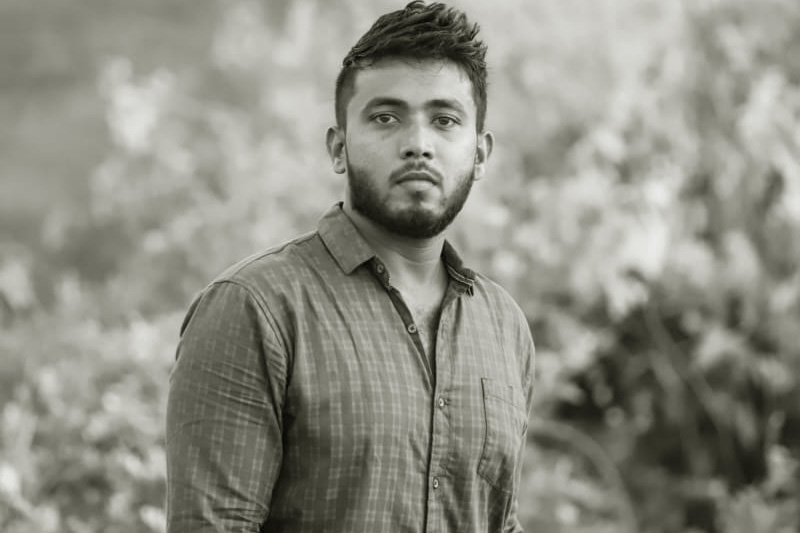
A group of civil society organisations and activists have condemned, what they called, the surveillance, harassment, and intimidation, of Mullaitivu-based journalist Kumanan Kanapathipillai. The following is the text of statement issued by the group consisting of 141 organisations and activists: Kumanan has, for more than a decade, reported on and documented human rights violations committed by various actors in the Northern and Eastern Provinces (North-East); thereby playing a proactive role in the Tamil community’s post-war demands for human rights protection and accountability.
His work includes documenting militarisation, crackdown on protests and memorialisations, repression of civil society, families of the disappeared, land appropriation, and broader Sinhala-Buddhisation of the North and East. He has moreover highlighted the plight and struggles of the families of the disappeared for years, and the Tamil community’s demands for justice for the atrocity crimes committed during the armed conflict.
The relentless harassment of Kumanan has been continuing for many years, prompting several international human rights organisations to classify him as a ‘journalist-at-risk’. In 2020, a group of men attacked Kumanan and another journalist while they were covering the illegal smuggling of trees. In 2024, the Counter-Terrorism Investigation Division (CTID) visited Kumanan’s parents and interrogated his associates. The harassment reached a crescendo on 17 August 2025, when the CTID interrogated Kumanan for seven hours, framing his photojournalism as work ‘against the government’ and a ‘terrorist’ activity. On 26 September 2025, during the United Nations’ Committee on Enforced Disappearances’ review of Sri Lanka in Geneva, a government representative made a statement justifying their harassment of Kumanan by alluding to suspicions about his involvement in financial crimes and terrorism.
The unfounded accusations and persistent harassment are an attempt to silence Kumanan, as well as to make an example of him as a warning to silence other Tamil-speaking journalists in the North-East. Even though Kumanan is not the only person in the recent past to experience inquiries and intimidation, the level of harassment that Kumanan faces, which goes beyond mere inquiry, is intended to remind other journalists of the existence of repressive structures. The psychological pressure and reprisals not only against them, but also their families and colleagues if they continue reporting on matters that challenge the official version of the truth, force journalists to self-censor.
The National People’s Power (NPP) government was elected on a promise to bring about a ‘system change’ by charting a different course than previous governments, particularly with regard to the treatment of Tamils. Regrettably, the attempts to curtail the freedom of expression of Kumanan and other media personnel in recent times are no different to the approach adopted by past governments. This demonstrates the failure of the NPP government to adhere to its election promises, particularly with regard to dismantling and reforming repressive State structures, such as the security agencies that disregard and violate the rights of the people, especially those in the North-East. Tolerating dissent, respecting and protecting press freedom and broader freedom of speech are the hallmarks of a healthy democracy.
We would like to reiterate that the government is responsible for the actions of security agencies; it has the duty to subject them to civilian scrutiny and ensure they do not violate the rights of citizens in the guise of safeguarding national security. In order to accomplish this, the government would have to respect constitutional safeguards, the rule of law and due process. Kumanan’s treatment indicates to the public, and particularly the Tamil community, that it is business as usual for state structures which are repudiating ‘system change’. Such actions of state entities will undermine the credibility of the government and increase the mistrust of the Tamil community in state structures.
In light of the escalation of the intimidation and harassment of Kumanan, we call upon the Sri Lankan government to immediately cease the surveillance, harassment, and intimidation, stop weaponising the law to label journalists terrorists for practising their profession, respect constitutionally protected rights and end the mis and disinformation campaign against them.
We urge the international community to impress upon the government the importance of taking on board and implementing the aforementioned requests, and pay increased attention to the human rights situation in the North-East, particularly the treatment of Tamil-speaking journalists and human rights activists. “



Former first lady Shiranthi Rajapaksa, wife of former President Mahinda Rajapaksa was produced before the Hulftsdorp court, after being arrested by officers of the Commission to Investigate Allegations of Bribery or Corruption (CIABOC) and produce
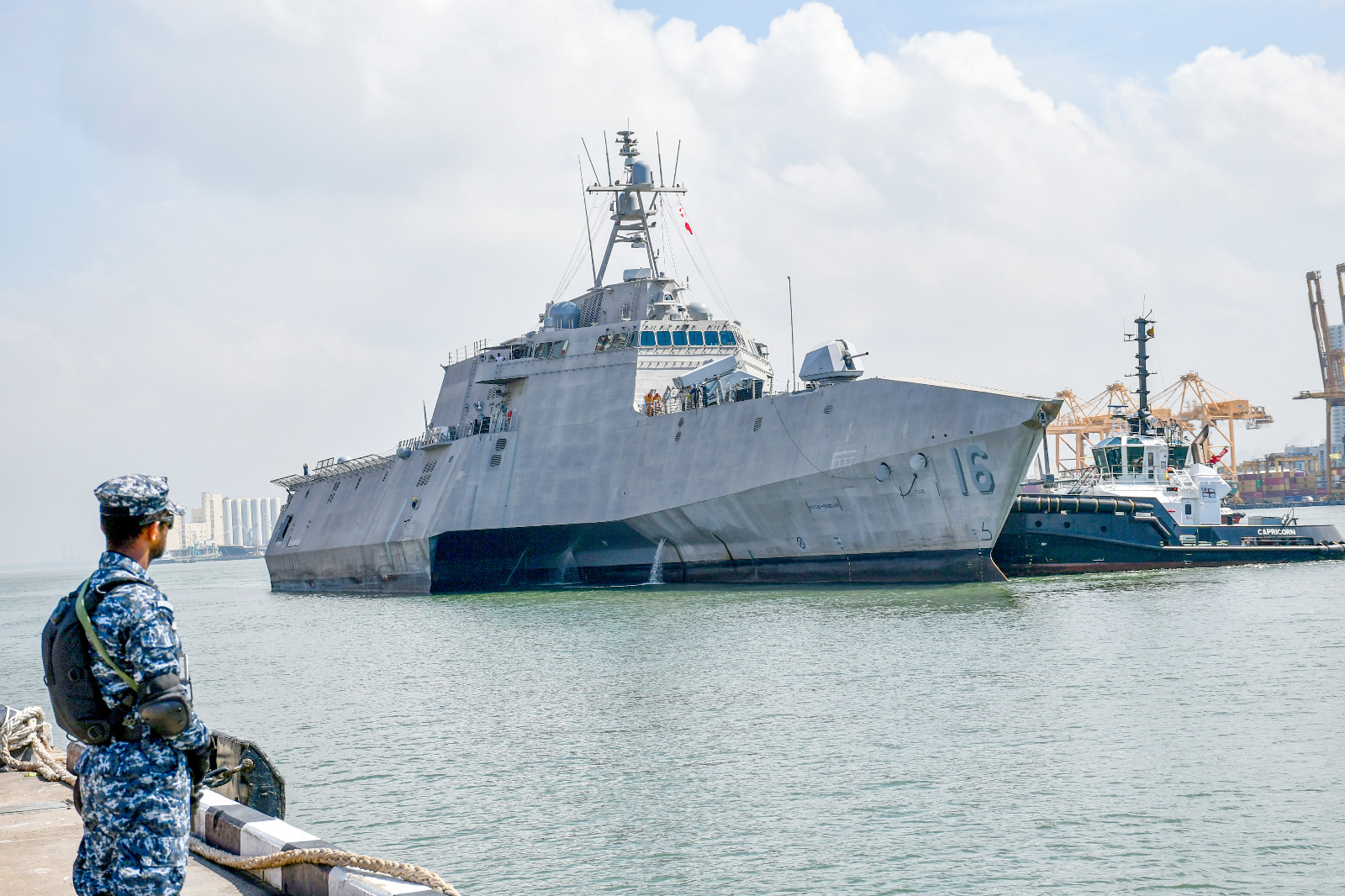
The U.S. Navy ship USS Tulsa (LCS 16) arrived at the Port of Colombo this morning, 7 October 2026 for replenishment purposes.
The visiting ship was welcomed by the Sri Lanka Navy in accordance with naval traditions.
The 127.7-metre-long platform is a Littoral Combat Ship commanded by Commander BM Wanier. Commissioned on 16 February 2019, USS Tulsa has since been in service with the US Navy.
The ship previously made a port call in Sri Lanka on 27 August 2025.

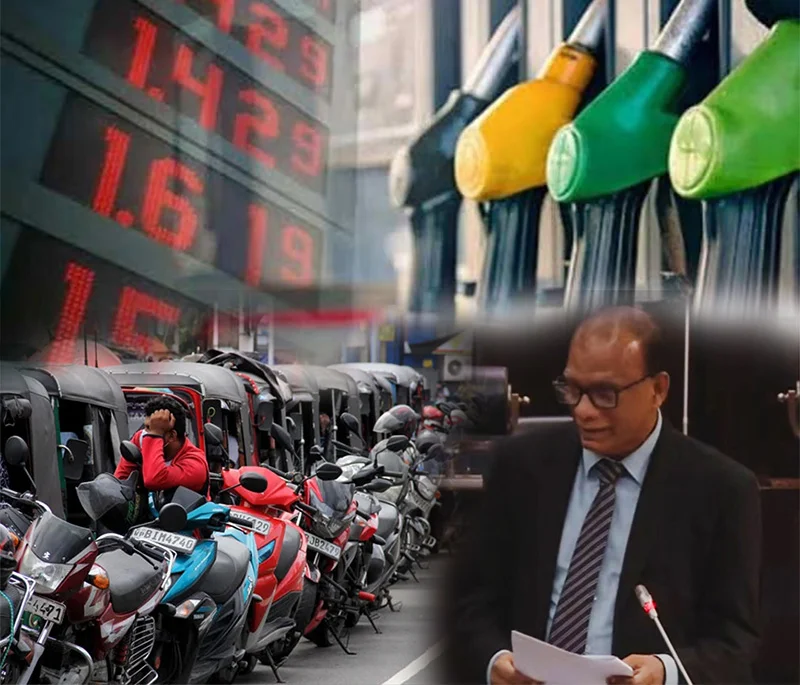
Govt. tells fuel distributors to maintain stocks to ensure uninterrupted supplies
by Saman Indrajith and Norman Palihawadane
The government had instructed private fuel distributors to maintain minimum stocks and ensure uninterrupted supplies to the market, Energy Minister Anura Karunathilaka told Parliament yesterday (06).
Karunathilaka said the Ministry of Energy Secretary had notified the relevant companies of the requirement, following a reduction in supplies by some private distributors, amid higher international fuel prices.
The Minister said private companies had informed the government that they were facing losses because international prices had risen while fuel was being sold, locally, at prevailing prices. As a result, some companies had reduced the volumes released to the market.
The reduced supplies had increased the burden on the Ceylon Petroleum Corporation (CPC), whose share of the diesel market had risen from about 54% to 82%, the Minister said.
“The CPC currently holds an 82% share of the market,” he said, adding that it had increased its supplies, compared with February, to compensate for the reduction by private distributors.
Karunathilaka said the government could not, under the existing agreements with private companies, specify the quantities they should supply to individual filling stations. However, it could require them to maintain minimum stocks in the country.
The Minister said the Energy Ministry had already instructed companies that had failed to maintain the required stocks to take steps to prevent supply disruptions.
The Minister attributed the queues reported at some filling stations to reduced supplies from private distributors, as well as normal variations in fuel distribution. He also said demand for CPC fuel had increased because private companies generally did not provide fuel to dealers on credit, while the CPC offered a three-day credit facility.
“We expect that, as the Ceylon Petroleum Corporation takes on this additional burden, the problem will ease to some extent by Wednesday or Thursday,” Karunathilaka said.
He said instructions had also been issued to increase supplies to CPC filling stations. A special discussion on the issue is scheduled for today (07), with officials of the Energy Ministry and CPC expected to participate,
along with President Anura Kumara Dissanayake.
Meanwhile, Petroleum Dealers’ Association officials have called for an early solution to the supply issue. Association Chairman D.V. Shantha Silva said queues had been reported at many filling stations, mainly those operated by private distributors.
He said the situation was not due to an overall shortage of fuel, but was linked to reduced orders by Lanka IOC, Sinopec and R.M. Parks amid concerns over losses incurred on fuel sales.
The Ceylon Petroleum Private Tanker Owners Association has urged motorists to refrain from panic buying, saying there was no nationwide disruption to fuel supplies.
The government earlier increased fuel prices and introduced a per-litre diesel subsidy following concerns raised by distributors over rising international prices.

Former first lady Shiranthi Rajapaksa arrested by CIABOC

U.S. Navy ship USS Tulsa arrives in Colombo for replenishment visit

Smriti Mandhana appointed India captain across formats

Ronaldo apologizes for Portugal walkout; says Jesus broke promise

Showers in the Western, Sabaragamuwa, Central, Uva, North-western and Southern provinces and in Anuradhapura and Mannar districts

Fuel crunch looms

‘Dates have the highest sugar content to fight Coronavirus’

Sunday Island 27 December – Headlines

#SundayIsland 17th December – Headlines

Sunday Island – 28th March

Sunday Island Headlines – 21 March

Sunday Island – 21st February – Headlines
-

 News7 days ago
US-assisted ‘Ice’ detection: NPC to examine IGP’s move to transfer drug-busting team
-

 Editorial6 days ago
Colombo Port drug bust: The plot thickens
-

 Editorial7 days ago
Drug busting, transfers and trust deficit
-

 Features4 days ago
The first woman in the foreign service or Ceylon Overseas Service it was then called
-
 News7 days ago
Sri Lankan facing death penalty in Saudi Arabia: Mano G appeals to Crown Prince
-

 Editorial5 days ago
Fuelling discontent and protest
-

 News3 days ago
Geneva takes up Sallay’s case and govt. ignores opportunity to answer accusations
-

 Latest News5 days ago
Tharindu Rathnayake, bowlers secure Asian Games Bronze for Sri Lanka